

Illustration: The Touch & Go
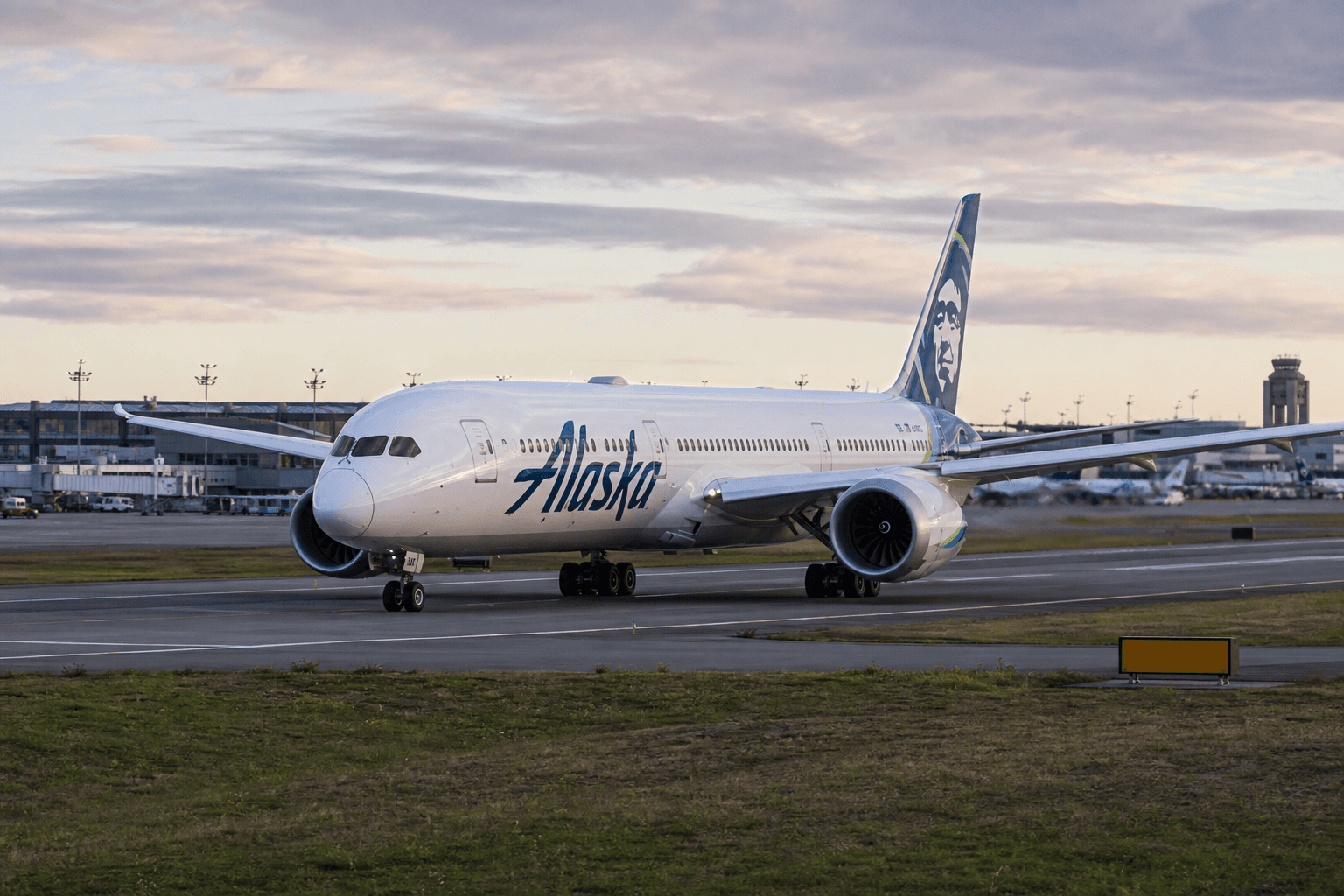
Alaska Airlines Debuts Boeing 787-9 Without Premium Economy Cabin Despite CEO's Admission
Alaska Airlines launched its first widebody 787-9 flights on key transatlantic and Asian routes but currently lacks a premium economy class, which the CEO recognizes as crucial. The carrier plans to retrofit these cabins starting 2028.
The gist
Alaska Airlines' new 787-9s operate without a premium economy cabin, though a retrofit to add it is slated for 2028.
Continuing coverage
All Fleet Expansion →- Cebu Pacific wet-leases A320neo to Vietnam Airlines for summer domestic routes
- Alaska Airlines Unveils Enhanced Business and Premium Economy for New 787s
- United Airlines Plans Massive Denver Flight Training Campus with up to 6,000 Jobs by 2030
- Lufthansa's First Airbus A350-1000 Debuts in Special 100th Anniversary Livery
- Riyadh Air eyes firm order up to 30 more Boeing 787s amid rapid expansion
In April 2026, Alaska Airlines marked a major milestone by introducing its first widebody aircraft, the Boeing 787-9 Dreamliner, to its fleet, operating inaugural Alaska-branded flights from Seattle to Rome. This move expanded the airline’s reach, with subsequent 787 routes established to London and Seoul, the latter previously flown under Hawaiian Airlines branding before the acquisition and transition to Alaska's livery. This transition represents a significant shift for Alaska Airlines, which had historically operated only narrowbody aircraft.
Alaska Airlines inherited these 787-9s from Hawaiian Airlines, which had initially ordered them and began integrating four Dreamliners into their operations starting 2024. Upon acquiring Hawaiian Airlines, Alaska retained the existing interior configuration on these aircraft, comprising 300 seats — 34 business class seats featuring the Elevate Ascent reverse herringbone layout, and 266 economy seats, of which 79 are designated as Premium Class. This Premium Class, however, does not constitute a true premium economy cabin but rather offers standard economy seats with additional legroom and minor service enhancements.
The lack of a dedicated premium economy cabin is particularly notable given recent trends in passenger demand. Premium economy has grown increasingly popular among both business and premium leisure travelers looking for comfort exceeding economy but at a lower price point than business class. It also represents a lucrative revenue stream for airlines, often delivering high yields and profitability on a per-square-foot basis, primarily due to passenger willingness to pay a significant premium over standard economy fares.
Initially, Hawaiian Airlines had deployed these 787-9s out of Honolulu to complement its Airbus A330-200 fleet on routes including Sydney and New York, mixing long-haul and shorter domestic sectors with more leisure-heavy demand profiles. Alaska Airlines, conversely, has repositioned the 787-9 fleet to Seattle, deploying them on strategic transpacific and transatlantic routes aimed at business travelers. Key destinations include Seoul and London, as well as Rome, where elevated leisure demand has recently boosted premium travel segments.
Operationally, the 34-seat business class on these aircraft is well-sized to capture corporate clientele. Yet, the absence of a true premium economy cabin limits Alaska's ability to fully capitalize on the middle market segment. Alaska Airlines currently offers a Premium Class as the upper tier of economy seating on the 787s, which includes upgrades such as improved catering and complimentary drinks but lacks the spatial and comfort enhancements typical of premium economy cabins found on other carriers.
Acknowledging this gap, Alaska Airlines has announced plans to retrofit its 787-9 fleet starting in 2028. The refit will introduce a dedicated premium economy cabin with larger recliner seats, envisioned to be arranged in a seven-abreast configuration across at least three rows. This upgrade aims to better match evolving passenger expectations and maximize revenue potential on the carrier’s expanding long-haul network.
At present, Alaska Airlines operates five 787-9s with seven additional aircraft on order, complemented by five 787-10s to be delivered in the future. The total Dreamliner fleet will reach 17 aircraft, underscoring Alaska’s commitment to long-haul expansion from Seattle. Alongside the 787s, the airline also operates A330-200s inherited from Hawaiian Airlines, which are set for a comprehensive refurbishment including the addition of premium economy cabins and updated business class seating from 2028.
Alaska Airlines’ strategic integration of widebody aircraft and international routes marks a significant competitive step, particularly against Delta Air Lines, which has invested heavily in Seattle as a hub. The ability to serve premium and corporate customers on long-haul flights is central to Alaska’s challenge to Delta’s traditional strength in these markets, even though the current seat configuration falls short of full premium economy service until the planned retrofit.
The airline’s ambition to operate at least 12 long-haul routes from Seattle by 2030, leveraging its growing 787 fleet, reflects a bold expansion strategy. While details on all targeted routes remain undisclosed, Alaska’s focus on combining leisure and business demand centers like Rome and Seoul illustrates the role the Dreamliners will play in broadening the carrier’s market presence beyond its historic regional footprint.
Frequently asked questions
- Why does Alaska Airlines currently lack a premium economy cabin on its Boeing 787-9s?
- The 787-9s were originally ordered by Hawaiian Airlines with existing interiors that include Premium Class seats, which are economy seats with extra legroom rather than a dedicated premium economy cabin. Alaska kept these configurations upon fleet transfer.
- When does Alaska Airlines plan to install a true premium economy cabin on its 787-9 aircraft?
- Alaska Airlines plans to retrofit its 787-9 fleet beginning in 2028 to include a dedicated premium economy cabin with larger recliner seats and improved amenities.
- How many Boeing 787 aircraft does Alaska Airlines plan to operate?
- Alaska Airlines currently operates five 787-9s, has seven more 787-9s on order, and holds orders for five 787-10s, culminating in a planned Dreamliner fleet of 17 aircraft.
Read more
All Airlines →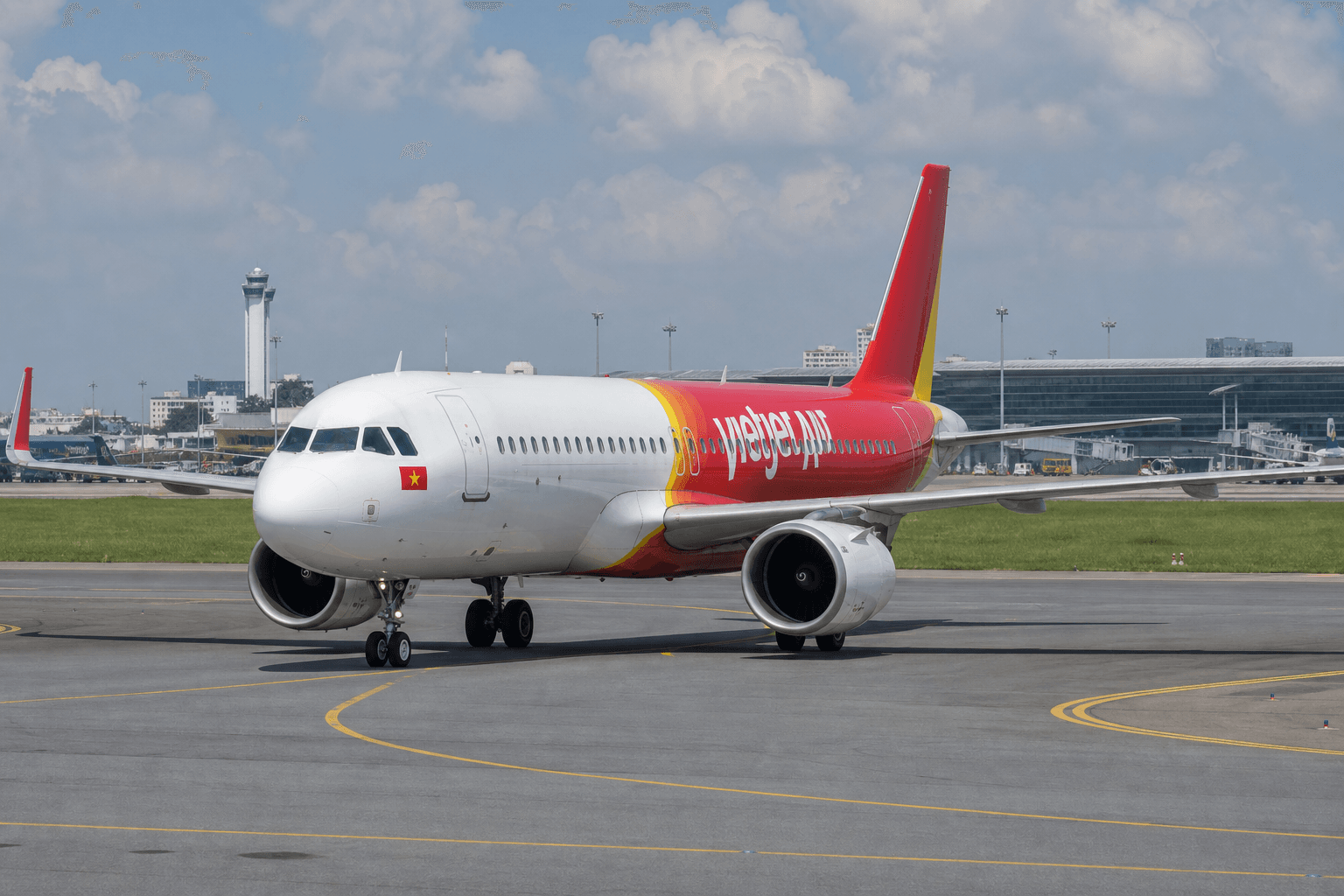
Cebu Pacific wet-leases A320neo to Vietnam Airlines for summer domestic routes
Cebu Pacific announced a new agreement to provide wet lease services to Vietnam Airlines, deploying one of its Airbus A320neo aircraft to support the Vietnamese flag carrier's domestic operations over the coming months. Under the arrangement, the aircraft, powered by Pratt & Whitney engines, will fly under Vietnam Airlines' operations from July 15 through September 7, 2026. It will be based in Ho Chi Minh City and flown by Cebu Pacific's own pilots and cabin crew for the duration of the agreement, covering domestic routes between Ho Chi Minh City and Cam Ranh, Phu Quoc, Vinh, and Da Nang. Why the airlines are teaming up The deal comes as air travel demand across Vietnam and the wider Southeast Asian region continues to climb, creating room for airlines to lean on each other's capacity rather than compete for it. Mark Cezar, Chief Financial Officer of Cebu Pacific, said the airline's growing fleet has put it in a position to shift aircraft to where they're needed most, including through wet lease agreements during slower travel periods back home in the Philippines. "This collaboration with Vietnam Airlines enables Cebu Pacific to broaden its role beyond passenger operations by providing operational support to airlines across the region," Cezar said, adding that the partnership also opens up new ways for the airline to diversify its revenue and strengthen its footprint in one of the world's fastest-growing aviation markets. Part of a broader wet lease track record The Vietnam Airlines agreement is not Cebu Pacific's first venture into wet leasing, and it adds to a growing list of partnerships the airline has built on both sides of the arrangement, as both lessor and lessee. In 2023, Cebu Pacific signed a damp lease deal with Bulgaria Air for two A320ceo aircraft, aimed at meeting a surge in Philippine travel demand during the post-pandemic recovery. More recently, in 2025, the airline wet-leased two A320 aircraft to Saudi Arabian low-cost carrier flyadeal, helping the Middle Eastern airline manage its peak summer flying season. A fast-growing fleet behind the deal Cebu Pacific's ability to take on arrangements like this ties back to its expanding fleet, which now totals 100 aircraft, the youngest jet fleet in the Philippines, made up of a mix of Airbus A320, A321, A330, and ATR planes. The airline serves 35 domestic destinations from hubs in Manila, Cebu, Clark, Iloilo, and Davao, along with 26 international destinations across Asia, Australia, and the Middle East. In 2024, Cebu Pacific signed a purchase agreement with Airbus and Pratt & Whitney for up to 152 A321neo aircraft equipped with GTF engines, a deal with a minimum commitment of 70 aircraft. Valued at roughly $24 billion based on list prices for the full order, it stands as the largest aircraft purchase agreement in Philippine aviation history. RELATED Cebu Pacific to become first SEA low-cost carrier with Starlink Wi-Fi
Lightspeed Introduces Rotax-Specific Audio Profile for Delta Zulu Headsets
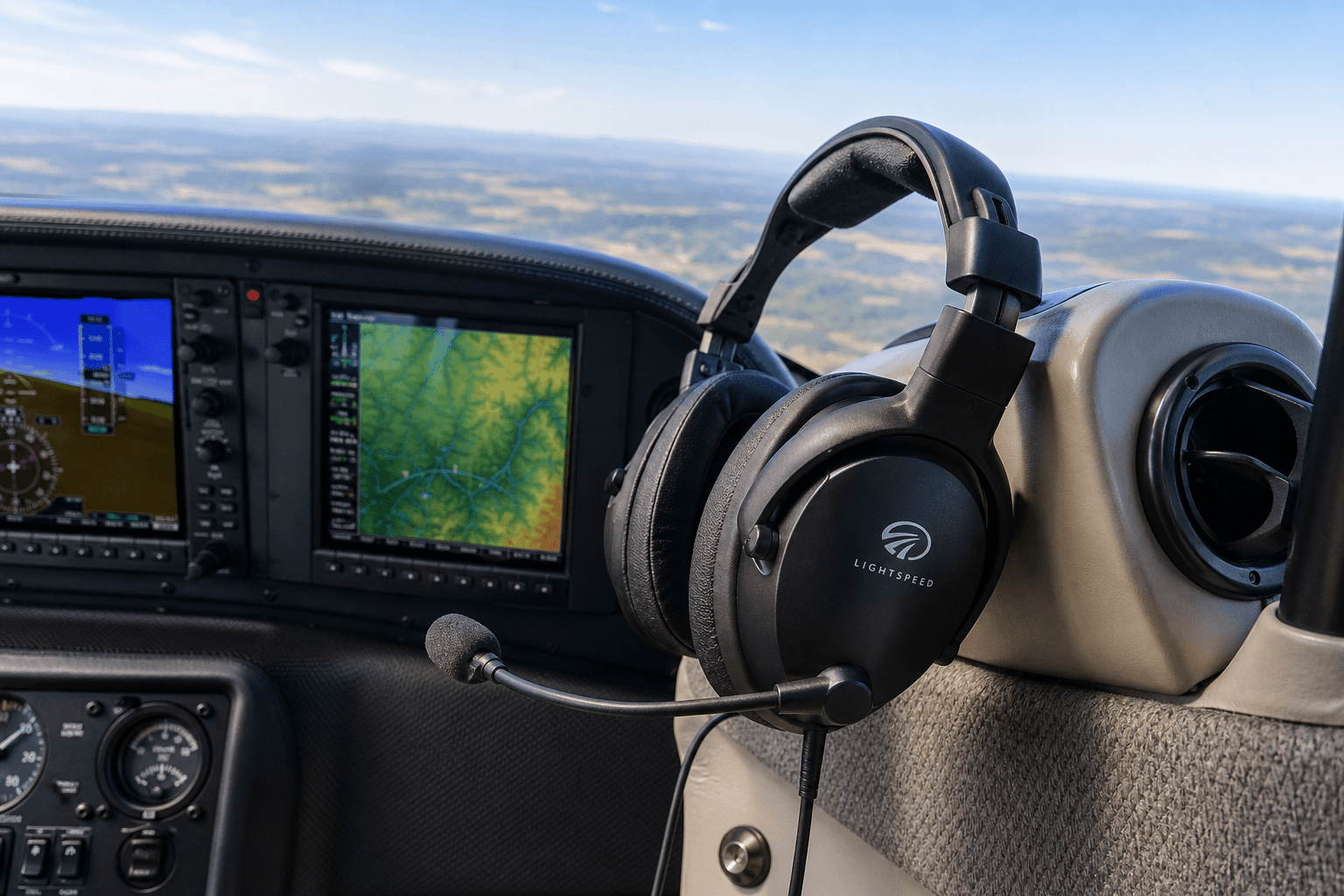
One of the challenges for pilots who fly multiple aircraft is finding a headset that works well with the powerplant. Lightspeed Aviation , one of the industry leaders in customizable headsets, is now offering the first Rotax-specific audio and automatic noise reduction (ANR) profile for the Lightspeed Delta Zulu model. According to Lightspeed, as part of this collaboration, the Rotax-optimized profile will be available as part of the Rotax Care program for Rotax 912 iS/c, 915 iS/c, and 916 iS engines. The company said in a news release the result is a listening experience purpose-built for Rotax-powered flight—clearer communications and a more refined cockpit environment overall. READ MORE: Lightspeed Releases Zulu 4 Headset: 'Best Seller Made Even Better' READ MORE: CO Detection on Lightspeed Delta Zulu Proves Its Worth The new profile is designed to be specifically tailored to the acoustic characteristics of Rotax engines and will result in "clearer communication and greater cockpit comfort when flying an aircraft with a Rotax engine." Users of the Lightspeed Delta Zulu headset will be able to take advantage of the new feature later this fall through a firmware update. To enable the Rotax profile once it becomes available, the company said to follow these steps: Open your Lightspeed App and ensure you are using the latest version. Connect your Lightspeed Delta Zulu via Bluetooth. If a firmware update is available, you will see a prompt on your iOS app. Select "Yes" to begin the update. Allow the update to download and install.

Russian government hikes investment for 63 new domestic aircraft, delivery pushed to 2026-29
Investment figures revised for batch of more than 60 MC-21s, SJ-100s and Tu-214s. Revised Russian government documents detailing investment in the acquisition of more than 60 new-build aircraft have revealed a substantial price hike for the batch. The investment covers the acquisition of 18 Yakovlev MC-21s and 34 SJ-100s, plus 11 Tupolev Tu-214s. These were originally scheduled to be delivered to operators over the course of 2023-25 according to a January 2023 government document on the preferential leasing of domestically-produced aircraft. The document stated that they would be delivered to Aeroflot and Rossiya on 18-year terms through the lessor Aviakapital-Servis. But a revision to the document published on 2 July this year amends several aspects of the transaction. Delays in the development programmes have pushed back the delivery schedule to 2026-29. Although the composition of the 63 aircraft remains the same, the document states that the overall volume of the investment has risen sharply to Rb290.7 billion ($3.7 billion) from the previous figure of Rb175.4 billion. The price of the MC-21 is given as around Rb5.3 billion, up from the prior Rb3.2 billion, and similarly large rises are listed for the other models. According to the revision, the transfer of aircraft from Aviakapital-Servis to operators will start this year, but it only refers to "Russian airlines" rather than identifying Aeroflot and Rossiya. This could relate to Aeroflot Group's apparent shift, in 2024, entirely in favour of the MC-21, after it had previously committed additionally to the SJ-100 and Tu-214. The government document also states that the lease term from Aviakapital-Servis has increased to 22 years.
Avianca Lifemiles Launches Up to 130% Bonus on Purchased Miles Until July 24
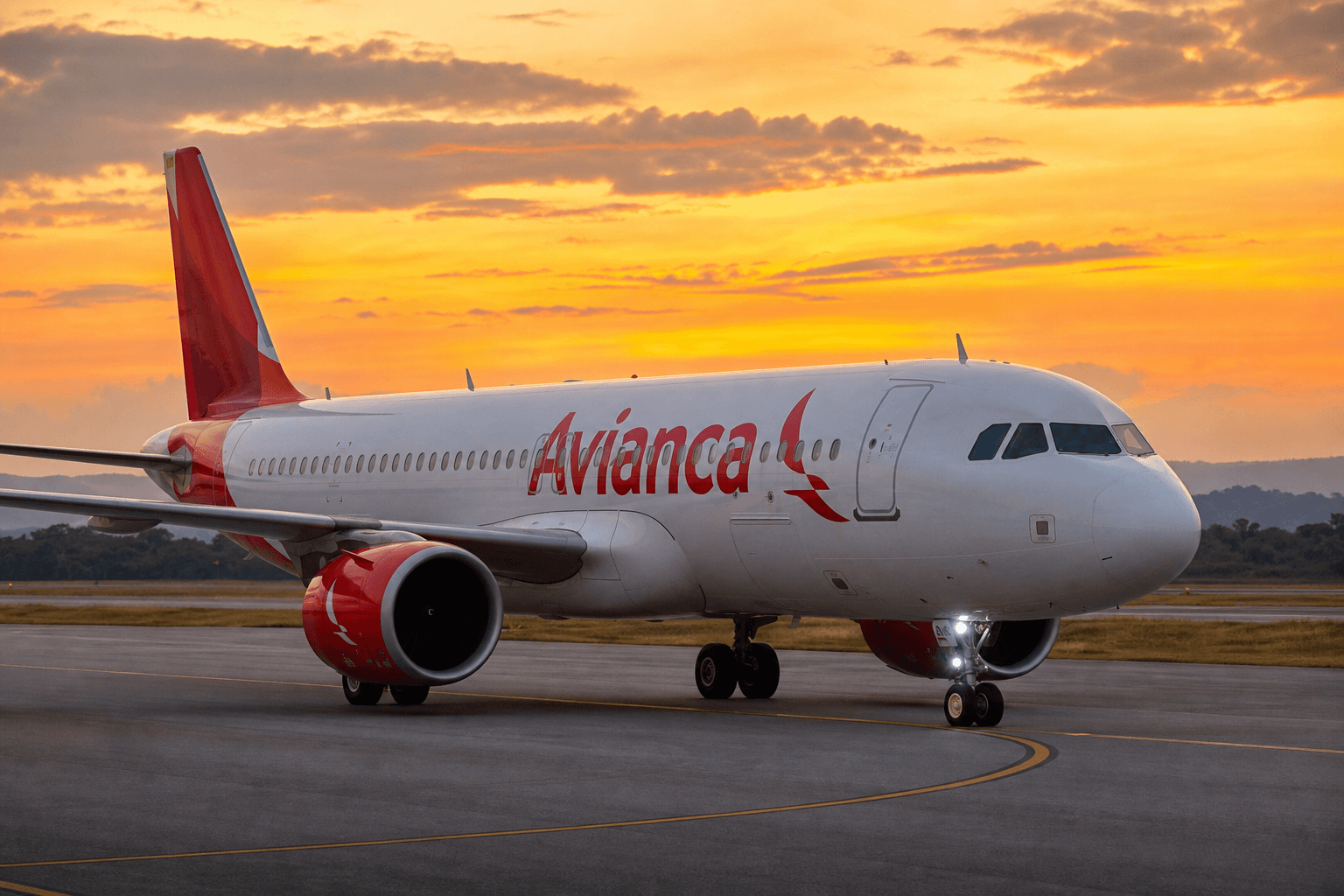
Buying miles & points strategically can represent a great value , especially for first and business class travel. The avianca lifemiles program has just launched its newest promotion on purchased miles. Historically the program has almost constantly offered these kinds of promotions, though there has been an extended gap in the last few months — we're finally now seeing these offers return. Note that nowadays lifemiles promotions are generally targeted, so different members may see different offers, and on top of that, some members may not see any offers at all. I find lifemiles to be one of the more useful frequent flyer programs for redeeming miles, thanks to the ability to redeem for long haul premium cabin Star Alliance awards. However, let me emphasize that the program doesn't always have access to the same award space as other Star Alliance programs, so you'll want to do your own research, based on the travel you're trying to plan. I'd only consider buying miles with a very specific use in mind. For what it's worth, I don't get any sort of kickback if you buy miles — I just want to make OMAAT readers aware of the deals that are available. Current promotion on purchased lifemiles Between July 15 and July 24, 2026, the avianca lifemiles program is offering a bonus on purchased miles . While different members may be targeted for different offers, the standard offer that I see across accounts is for a bonus of up to 130%, structured as follows: Buy 1,000-20,000 miles, receive a 115% bonus Buy 21,000-50,000 miles, receive a 120% bonus Buy 51,000-200,000 miles, receive a 130% bonus You'll of course want to check your account to see what offer you're targeted for, as it could be different. It's common for lifemiles to promote one amount, and then actually offer a bigger bonus. Redeem lifemiles for Brussels Airlines business class How much does it cost to buy lifemiles? Ordinarily you can buy avianca lifemiles for 3.3 cents each, before any discounts or bonuses. That means that if you purchased 200,000 lifemiles (pre-bonus) with a 130% bonus (assuming you're eligible for that), you'd receive a total of 460,000 lifemiles for $6,600, which is a cost of 1.43 cents per mile. Buy lifemiles at a discounted cost Unfortunately this isn't quite the best promotion we've seen from the program, as we've seen bigger percentage bonuses in the past. However, we haven't seen any promotion at all in recent months, so this is definitely better than nothing. How many lifemiles can you buy? The lifemiles program lets members purchase up to 200,000 miles per account per calendar year, before factoring in any bonuses. Redeem lifemiles for SWISS business class Which credit card should you buy lifemiles with? Mileage purchases are processed directly by avianca lifemiles, which means the purchase of miles does qualify as airfare spending . Therefore you'll want to consider using one of the below cards for your purchase, since you'd earn bonus points for airfare purchases . Please add a credit card to compare. Is buying lifemiles worth it? For context, avianca is in the Star Alliance, which means you can redeem lifemiles on all Star Alliance airlines without any fuel surcharges . Really this is the core value proposition of buying lifemiles, since this is a great way to book Star Alliance premium cabin seats at a huge discount. Check out my guide on how to redeem lifemiles for ideas on how to redeem these miles. With a specific use in mind, this lifemiles promotion can be a great value, whether you're looking at traveling in first class on All Nippon Airways , or are looking at traveling in business class on a countless number of airlines. Everyone has to crunch the numbers for themselves and decide whether this makes sense or not. Let me again emphasize that in some cases, lifemiles doesn't have access to the same award availability as Star Alliance partners, for better or worse. Sometimes lifemiles doesn't have access to partner awards that other programs do have access to, and other times the inverse is true. That's why I always recommend doing some "dummy" award searches before buying miles, so you can get a sense of how award availability lines up with your needs. Keep in mind that you can get even more value from the program with a lifemiles+ subscription , and lifemiles' credit cards offer a discount on that . Redeem lifemiles for All Nippon Airways first class How much are lifemiles worth? Everyone will value mileage currencies differently, but personally I value lifemiles at ~1.4 cents each. That's based on the redemption values on Star Alliance partners, as there's tons of value to be had. I tend to value miles very conservatively, so if you're maximizing miles you should be able to get way more value than that. Do lifemiles expire? Miles with the lifemiles program don't expire as long as you accrue some miles at least once every 12 months. Any mileage earning activity, including buying miles, will extend the expiration of your miles. However, redeeming miles as such doesn't extend the expiration of your miles. Redeem lifemiles for Turkish business class How else can you earn lifemiles? If you're looking to earn lifemiles, the good news is that there are lots of options beyond outright buying them. Specifically, avianca lifemiles is partners with several bank currencies , including Amex Membership Rewards , Capital One , and Citi ThankYou , so there are lots of ways to pick up these miles. There are lots of ways to earn avianca lifemiles Bottom line The avianca lifemiles program is offering a promotion on purchased miles. Different members may be eligible for different offers, though it appears that the standard offer is for up to a 130% bonus, which is an opportunity to acquire miles for 1.43 cents each. This has the potential to represent a solid value, though I'd only recommend buying miles with a specific, short term use in mind. We have seen better promotions in the past, though oddly, the program has had a long gap with these offers, so this is the first promotion in a few months. Do you plan on buying lifemiles with a bonus?
The Daily Touch & Go
The day's best aviation news in your inbox. Free, no spam.