

Illustration: The Touch & Go
Lufthansa's First Airbus A350-1000 Debuts in Special 100th Anniversary Livery
The German carrier's flagship A350-1000, painted in striking anniversary colors, will join Munich's long-haul fleet later this year.
The gist
Lufthansa’s first Airbus A350-1000 in special centenary livery will soon enhance its Munich long-haul operations.
Continuing coverage
All Fleet Expansion →- Riyadh Air eyes firm order up to 30 more Boeing 787s amid rapid expansion
- Air Europa to Receive First Airbus A350-900 in 2028 amid Strategic Overhaul
- Philippine Airlines Set to Order Boeing 787-10 and Airbus A350-1000 at Farnborough Airshow
- Delta Air Lines Posts $1.6 Billion Q2 Profit on Strong Revenue Growth Despite Rising Fuel Costs
- airBaltic Reports Record Passenger Numbers and Fleet Growth in First Half of 2026
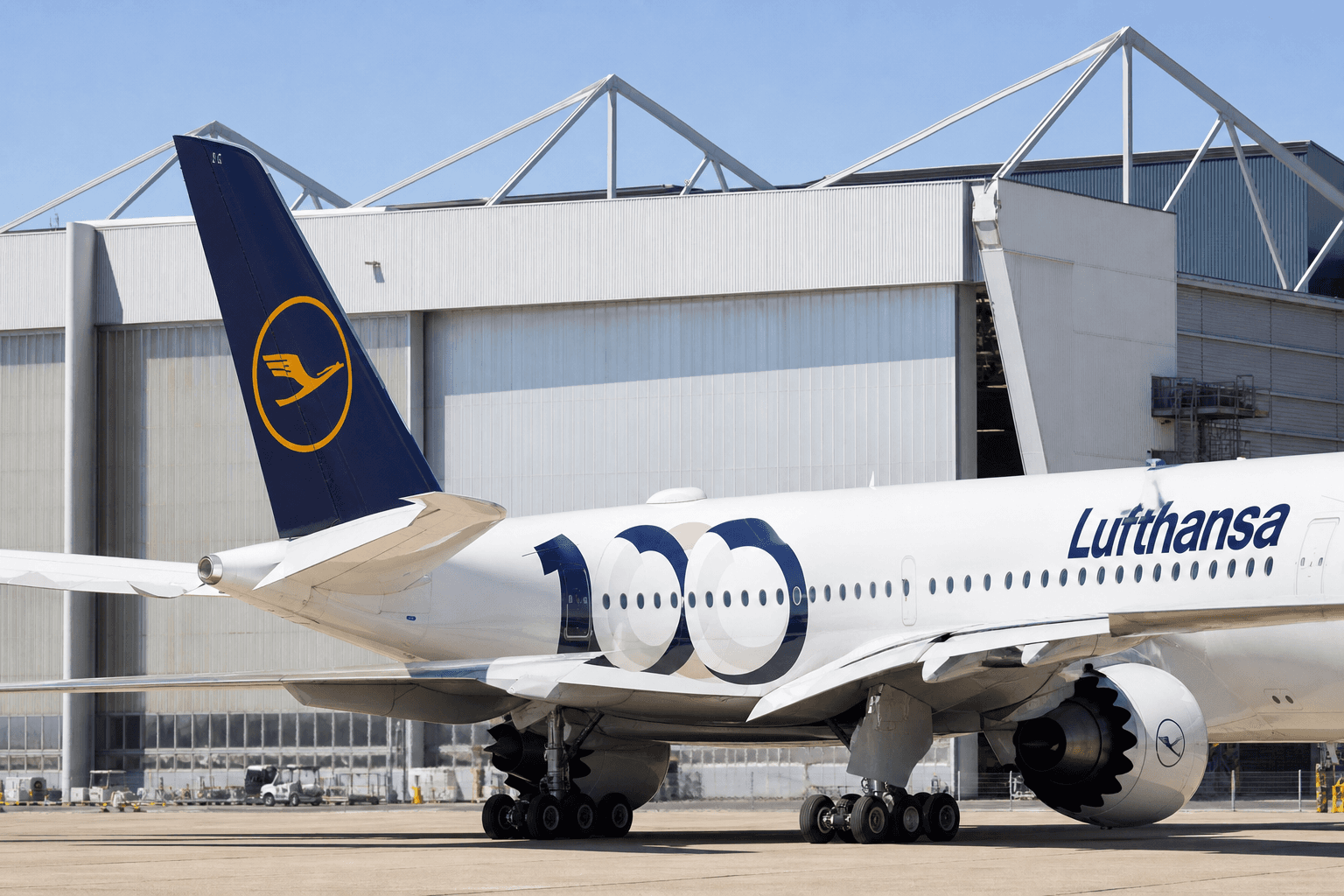
Lufthansa has unveiled its first Airbus A350-1000, registered D-AIFA, sporting a special livery to celebrate the airline’s 100th anniversary. The aircraft emerged from the paint shop in Toulouse featuring an oversized version of Lufthansa’s iconic crane logo sweeping across the rear fuselage, a design element shared with several aircraft in the carrier’s anniversary fleet. This milestone arrival signals the latest addition to Lufthansa’s long-range widebody fleet, with entry into service anticipated later in 2026.
D-AIFA marks the first of 15 firm orders Lufthansa has placed for the A350-1000, a larger variant of the Airbus A350 family known for its fuel efficiency and lowered emissions. This new flagship type is set to reinforce the German airline’s premium long-haul presence, particularly at Munich Airport, which has become Lufthansa’s main hub for A350 operations. The A350-1000 will operate alongside the existing A350-900 fleet at Munich, where Lufthansa runs many of its intercontinental routes from southern Germany.
Munich Airport has steadily evolved into the principal base for Lufthansa’s A350 services over recent years, leveraging the twinjet’s operational efficiency and passenger comfort. The introduction of the A350-1000 expands the airline’s capabilities with an aircraft approximately seven meters longer than the A350-900. This length increase translates to higher seating capacity and enhanced range, enabling Lufthansa to better address demand on premium routes while maintaining environmental performance goals.
The A350-1000 fleet is set to replace older four-engined Airbus A340-600 aircraft, which have higher operating costs and fuel consumption. Lufthansa has long planned to modernize its long-haul widebody lineup with more efficient twinjets, and the A350-1000’s arrival is a critical component of this strategy. The aircraft will also showcase Lufthansa’s latest Allegris premium cabin products, reinforcing its commitment to passenger experience on high-demand international services.
Lufthansa’s firm order for 15 A350-1000s reflects confidence in the type’s ability to deliver operational advantages over legacy aircraft. The carrier retains options for 25 additional planes, highlighting potential for future fleet expansion pending market conditions. These aircraft are designed to support routes that require greater capacity and offer improved operating economics, critical factors amid ongoing airline sustainability initiatives.
The special 100th anniversary livery joins a commemorative fleet of Lufthansa aircraft, including a Boeing 787-9, Airbus A350-900, Airbus A380, Boeing 747-8, and selected narrowbody jets. All carry variations of a design celebrating Lufthansa’s centenary in 2026, visually linking the carrier’s past achievements with its future.
Currently, D-AIFA is undergoing the final stages of preparation before delivery, ensuring full readiness for operational deployment. Lufthansa anticipates that this uniquely painted A350-1000 will become a distinctive symbol of the airline’s evolution over its first century of service. The new flagship aircraft will support Lufthansa’s mission to offer improved environmental performance, operational efficiency, and a premium customer experience on its expanding long-haul network.
Frequently asked questions
- What special livery does Lufthansa's first A350-1000 feature?
- It sports a striking 100th anniversary livery with an oversized crane logo across the rear fuselage, matching other anniversary-themed Lufthansa aircraft.
- Where will Lufthansa’s A350-1000 be based for operations?
- The aircraft will be based at Munich Airport, where it will operate alongside the existing A350-900 fleet on long-haul routes.
- What is the role of the A350-1000 in Lufthansa’s fleet modernization?
- The A350-1000 will replace older Airbus A340-600 aircraft, offering greater capacity, improved fuel efficiency, lower emissions, and enhanced premium cabin products.
Read more
All Sustainability →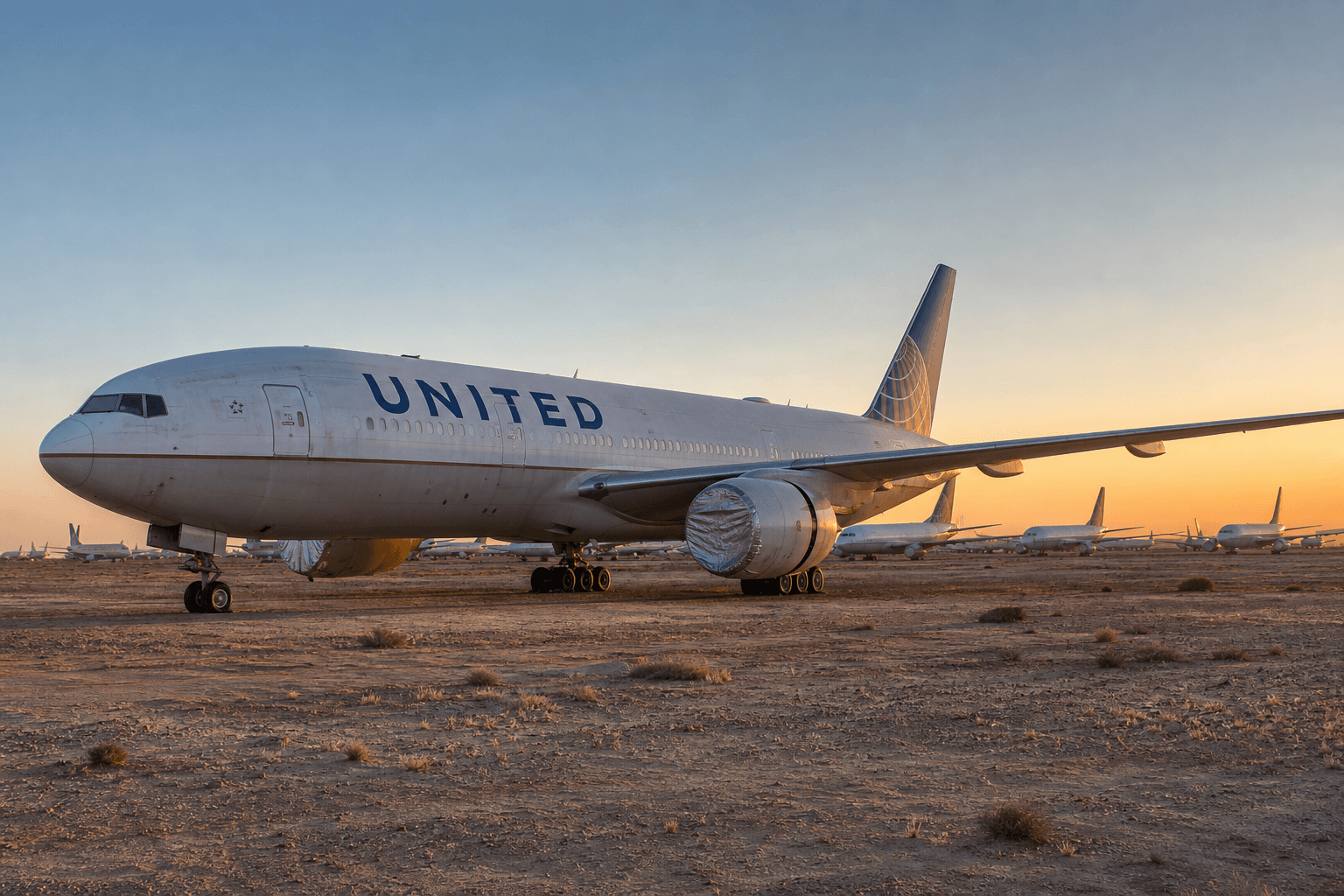
United Airlines Accelerates Retirement of Aging Boeing 777-200s Amid Europe's Carbon Policies
Europe's newest carbon rules do not ban older airliners, nor do they impose a direct tax on jet fuel. Yet 2026 is the year those policies began influencing which widebody aircraft airlines can afford to keep flying across the Atlantic. For carriers such as United Airlines , that shift reinforces the business case for retiring its nearly 29-year-old Boeing 777-200 aircraft in favor of newer, more efficient replacements.
CubCrafters Launches Carbon Cub ULT with Innovative Turbine Powerplant
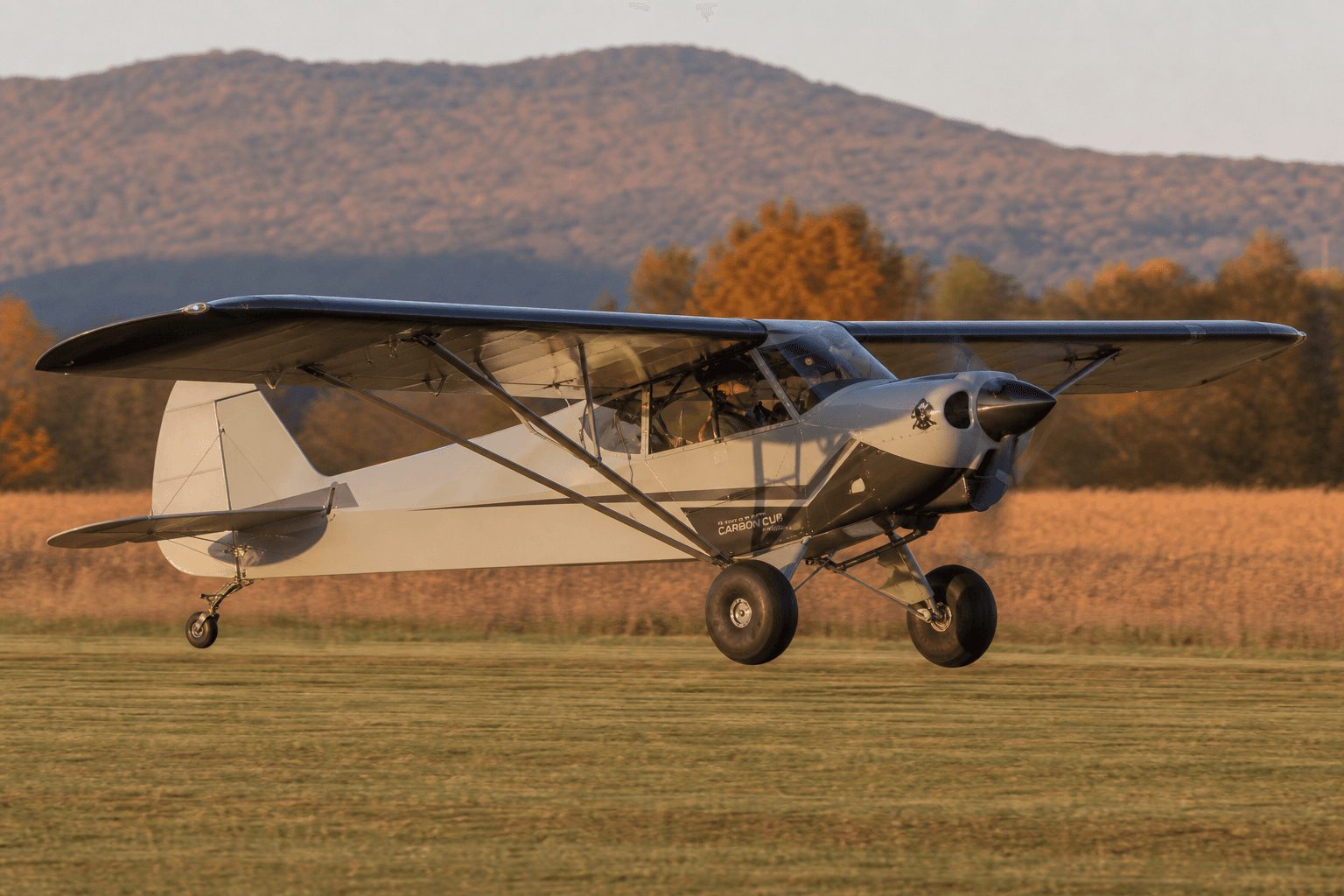
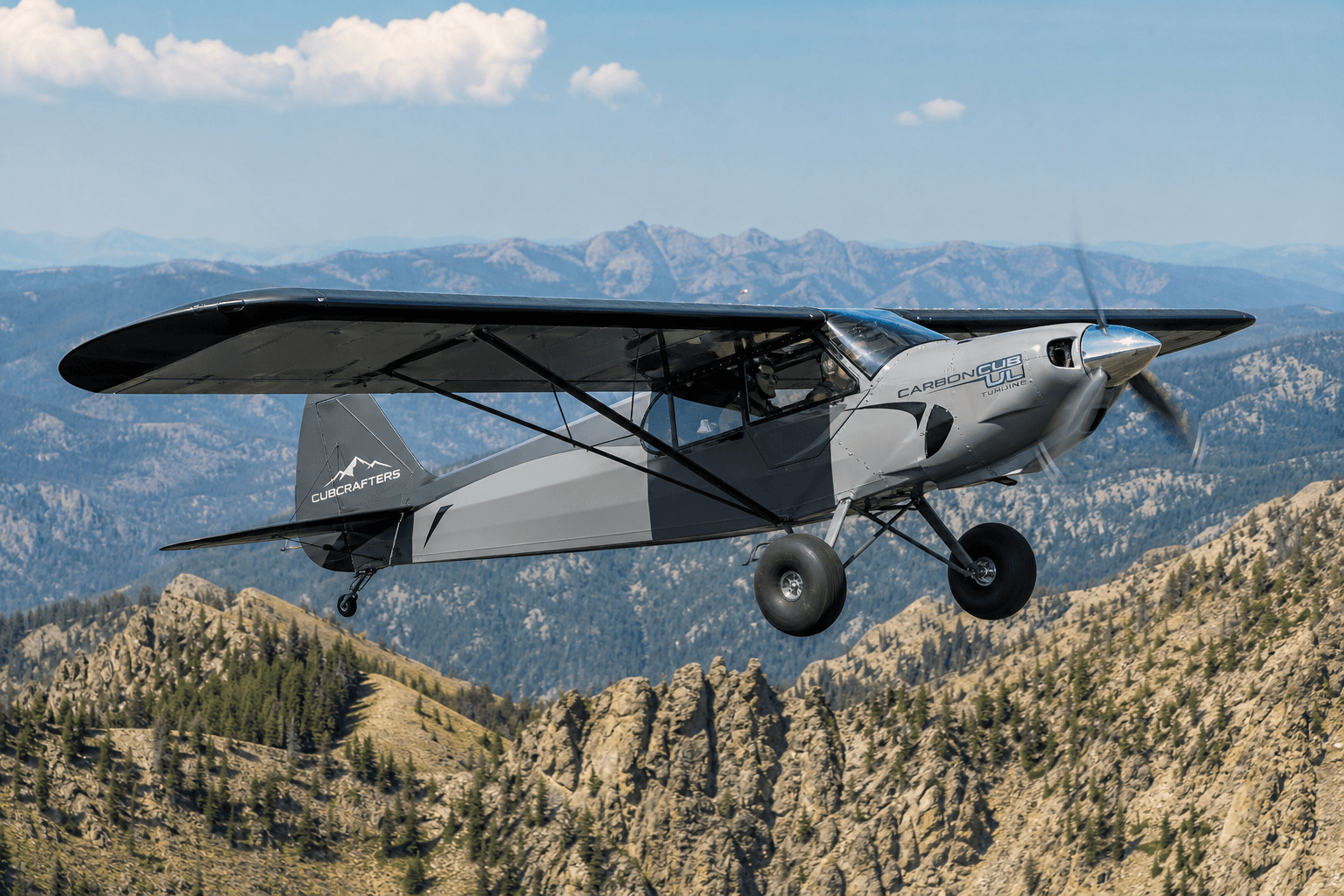
It's no secret here at Plane + Pilot that we aren't necessarily in the business of breaking aviation news. This magazine and its corresponding website is built around general aviation adventures—where to go, what to do, and who to see by way of your airplane. So if you're looking for every headline that hits the GA news cycle, you're probably in the wrong place. That said, when there's news that genuinely impacts the general aviation adventure community, you can bet I'm going to cover it. A few weeks ago, I got an insider tip that CubCrafters was preparing to unveil its latest project—the Carbon Cub ULT , powered by TurboTech's new TP-R90 regenerative turboprop. To say I was giddy when I first heard the news would be an understatement. But instead of simply rewriting the news release to chase clicks when the embargo lifted July 6, I decided I wanted to see the airplane with my own eyes before publishing the same story everyone else in aviation media was going to write. While I couldn't say for certain that I'd get the opportunity, I had a pretty good feeling I'd see the ULT during an exclusive CubCrafters content creator event near Bonanza, Oregon, this past weekend. So I decided to roll the dice. After arriving at the ranch in an orange FX-3 (with no one other than Luke Czepiela of Red Bull Air Race fame in the back seat), I immediately tracked down Jackie Burch to ask if we'd be getting a chance to see the new Cub in person. Burch couldn't confirm or deny anything, but there were a few people around who definitely knew the answer. Their reactions were enough for me to take my gamble as one that I would most certainly be winning. The following morning, I was standing near the hangar on a phone call when I suddenly heard an unmistakable whistle overhead. I knew experimental aircraft builders Mike and Mark Patey were expected at the event, so I assumed it was the sound of their Pilatus PC-12. But as I quickly repositioned myself for a better view of the runway, I quickly spotted the turbine powered ULT and a matching UL coming in for landing. CubCrafters vice president Brad Damm touched down the ULT in a perfect three-point attitude, giving everyone their first real look, and listen, to the airplane. Admittedly, when I first heard about the company's project a few weeks earlier, I wondered whether the proportions would work. I pictured an overly stretched nose and a cowling that looked forced simply to accommodate a turbine engine. But as Damm taxied in front of us, those concerns were put to rest. The airplane looked like it was seamlessly born for a turbine-powered backcountry mission. Despite the entirely new TurboTech powerplant, the airplane is unmistakably a CubCrafters product. The ULT shares the same airframe as the Carbon Cub UL, the manufacturer's Rotax 916 iS-powered light sport, which has only been in the marketplace since 2023. With an 860-pound empty weight, gross weight of 1,320, and useful load of around 460, the ULT fits well within the parameters for sport pilots under the FAA's new MOSAIC regulations. "We're doing everything so that it can be ASTM certified as a light sport," said Damm. Perhaps the icing on the cake? Despite being turbine powered, the TurboTech-equipped ULT requires neither a type rating nor a special endorsement. Pilots can simply climb in and enjoy its 120 mph cruise speed while burning just 9 gph. "All the money, time, and effort we invested to take weight out to make the UL transfers right over to this airplane," said Damm. "There's a few differences in the fuel system for the jet-A, but it has the same tanks in the wings. It has a really similar center of gravity, and I actually like the center of gravity a little bit better in [the ULT]. In the three years since the UL's debut, Damm and the CubCrafters team have been working diligently behind the scenes to dream up a platform that could offer turbine reliability, worldwide fuel alternatives, and a significant TBO (3,000 hours to be exact). But it all started with a little convincing from the TurboTech team at AERO Friedrichshafen three years ago. "I had flown turbine-powered Cubs years ago," said Damm. "But those were burning 30 to 40 gallons an hour down low, and you can't make an airplane out of that." After sitting down with the TurboTech team and drilling into the details, including questions about operating a turbine-powered, fabric-covered airplane from dry grass strips, Damm came away impressed. He took what he had learned back to the CubCrafters' engineering team, and got to work. Three years later, one week since its announcement, the ULT has received 12 deposits at a base price of $690,000. "To be honest my favorite part of this airplane is the cool factor. It's fun. It's exciting, and it's generated a lot of interest and a lot of controversy, but it's been a good opportunity for us to educate."
Rolls-Royce Trent XWB and GE GEnx Engines Burn 100% SAF but Lack Certification
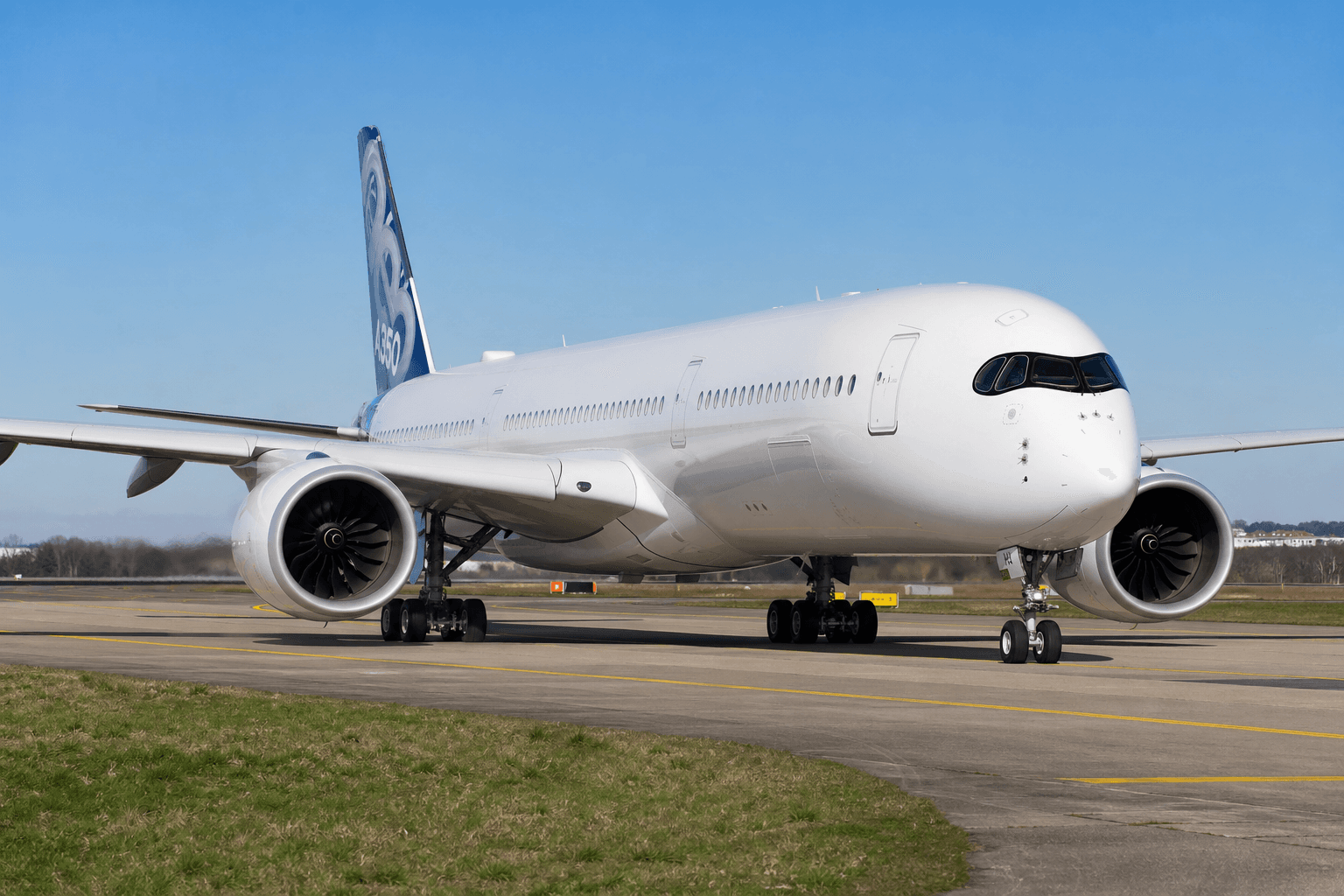
Modern widebody jet engines have reached the pinnacle of thermodynamic engineering, capable of producing immense thrust while burning cleaner alternative fuels. Manufacturers like Rolls-Royce and GE Aerospace have repeatedly shown that their flagship powerplants, including the Trent XWB and the GEnx , can operate perfectly on 100% sustainable aviation fuel during controlled demonstrations. If an airline were to attempt to pump unblended synthetic fuel into a commercial passenger flight today, the aircraft would be legally grounded.
CubCrafters Unveils Turbine-Powered Carbon Cub ULT for Backcountry Flying Under MOSAIC
CubCrafters introduced the Carbon Cub ULT on Tuesday, a turbine-powered version of its Carbon Cub UL platform that the company says is aimed at backcountry flying under the FAA's MOSAIC rules. According to CubCrafters, the aircraft has been undergoing flight testing near the company's headquarters in Yakima, Washington, and will make its public debut this summer at EAA AirVenture in Oshkosh, Wisconsin. Turbine Power The Carbon Cub ULT uses TurboTech's TP-R90 regenerative turbine engine, a FADEC-controlled turboprop. The system manages fuel flow, ignition, engine temperatures and propeller operation, reducing the number of engine-management steps normally associated with piston and turbine aircraft. Also included are Garmin avionics, a dedicated turbine engine display and single-lever power control. "The first thing pilots notice is how effortless the airplane feels," Brad Damm, vice president of CubCrafters , said. "You push and hold the start button for a few seconds and the aircraft is ready to go fly. The FADEC handles the details, the turbine is incredibly smooth and quiet, and the aircraft retains the lightweight performance and responsiveness that pilots love about the Carbon Cub. It's one of those airplanes that makes you look for excuses to go flying." MOSAIC Plans CubCrafters says the ULT name follows the Carbon Cub UL program, adding the "T" to identify the turbine version. The company said the aircraft uses the latest Carbon Cub UL airframe updates, including aerodynamic refinements and composite construction, while retaining the short-field capability associated with the Carbon Cub line. CubCrafters also said the ULT is the first U.S.-manufactured turboprop aircraft eligible to be flown by sport pilots under the FAA's new MOSAIC regulations. The aircraft is also TurboTech's first production aircraft partnership in the United States. The company is accepting deposits for ULT production positions and said initial customer deliveries are expected in 2027. CubCrafters plans to display the aircraft at AirVenture 2026 at booths 272-274.
The Daily Touch & Go
The day's best aviation news in your inbox. Free, no spam.