

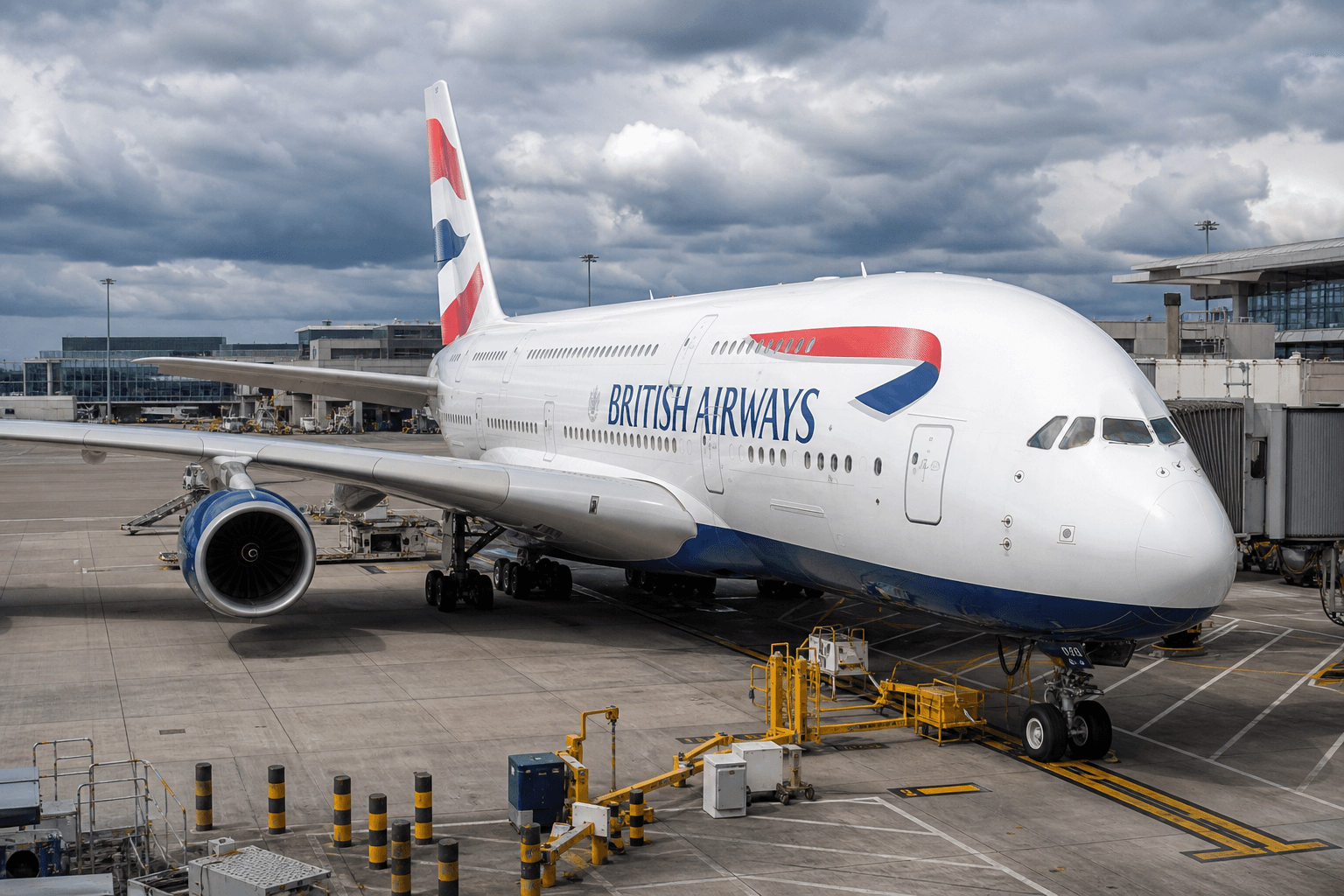
Illustration: The Touch & Go
British Airways Ends Airbus A380 Service on Seven Key Routes
British Airways has discontinued Airbus A380 flights across seven major routes, including several short- and long-haul sectors, some operated only briefly.
The gist
British Airways retires Airbus A380 from seven major routes, marking a shift in its fleet deployment strategy.
British Airways has officially withdrawn its Airbus A380 aircraft from service on seven prominent routes, signaling a notable shift in its network operations. The decision affects a mix of short-haul and long-haul flights, some of which saw A380 deployment for only a limited period. This move marks a strategic reconfiguration of British Airways’ widebody operations amid evolving market demands.
Among the routes impacted are several that had recently featured the A380, reflecting how British Airways had been experimenting with the aircraft’s use in various markets before deciding to pull back. The airline’s plan to retire the A380 from these sectors aligns with wider industry trends favoring more flexible, fuel-efficient aircraft over very large jets on certain routes. The specific destinations and frequencies of these routes have yet to be publicly detailed, but the overall scale underscores a significant fleet adjustment.
The Airbus A380, known for its high capacity and four-engine design, had been a flagship aircraft in British Airways’ fleet, particularly valued for long-haul, high-density routes. However, operational costs and changing passenger patterns have pressured airlines worldwide to reconsider the viability of superjumbo jets. British Airways’ action reflects this broader reevaluation and the pivot towards more economical twin-engine aircraft that offer greater route adaptability.
This realignment may also be influenced by post-pandemic recovery dynamics and shifting travel behaviors, optimizing capacity to meet current demand profiles without oversupply. British Airways’ fleet modernization efforts include investing in newer aircraft types that deliver improved fuel efficiency and lower environmental impact, essential in meeting future sustainability goals.
For passengers and industry observers, this change signals a new chapter in British Airways’ operational approach and fleet planning. It remains to be seen how the airline will redeploy the A380s removed from these routes and what adjustments will follow in its overall network strategy. The shift underlines the ongoing challenges and adaptations within international air travel as airlines balance capacity, cost, and customer experience.
Read more
All Airlines →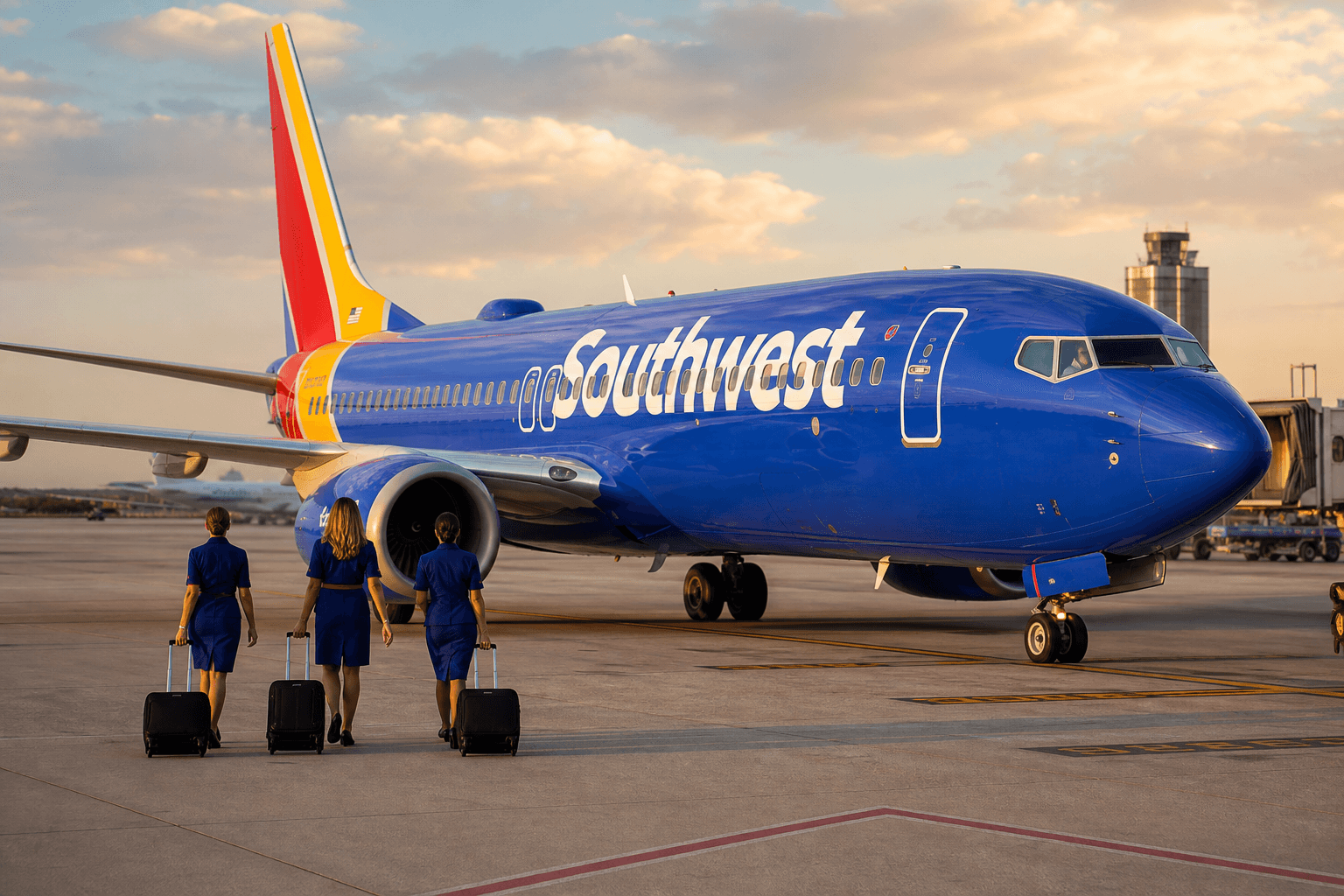
Southwest Airlines Celebrates 55 Years with Flight Attendants from Inaugural Year
Southwest Airlines announced: Honoring 55 Years of Dedication As Southwest celebrates our 55th Birthday on June 18, we are proud to honor two Flight Attendants whose journeys span nearly our entire history. Deborah Stembridge joined Southwest Airlines on June 18, 1971, our very first day of operation. Sandra Force followed later that year on September […]
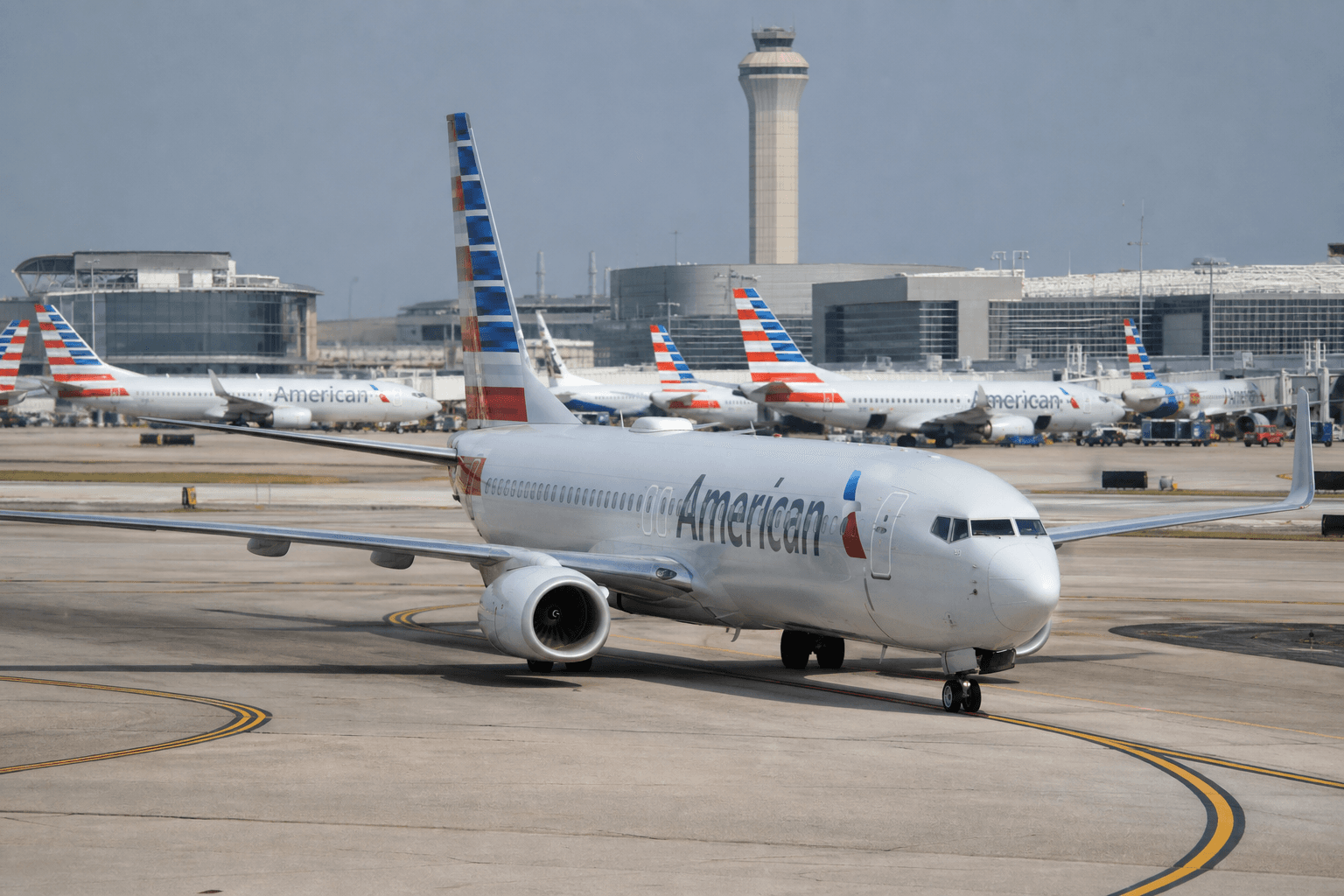
American Airlines Faces Persistent Operational Challenges Despite Positive Spin
It seems like a time-honored tradition for me to write about American’s operational problems. I suppose when an airline has them so consistently, that’s just how it goes. But today is different. If you listen to American, they’ll say things are going great. In fact, I was given a lengthy statement with all their accomplishments,...
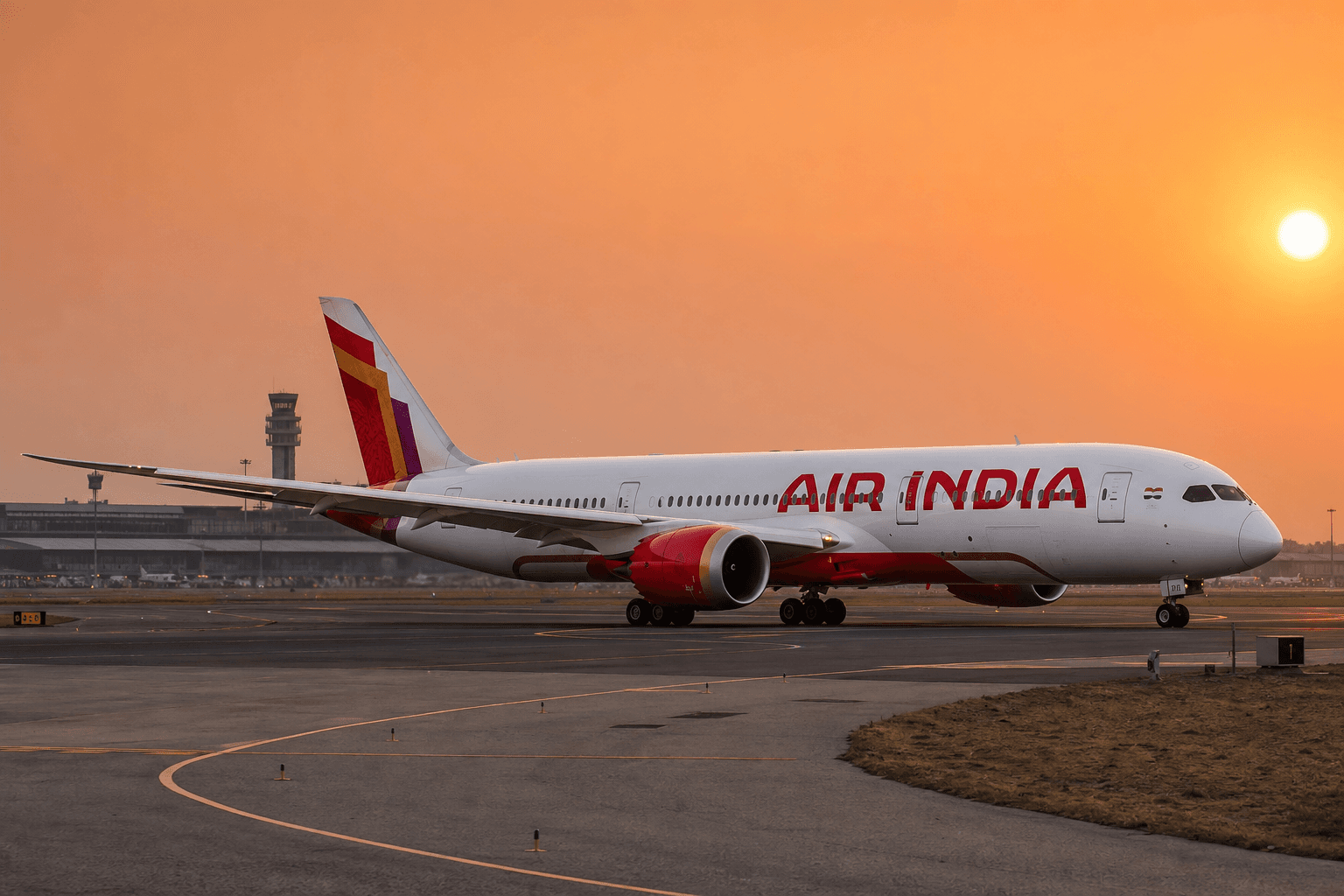
Air India eyes restoration of international flights after Middle East tensions ease
Air India is considering reversing some international schedule reductions after calmer conditions in the Middle East made more…
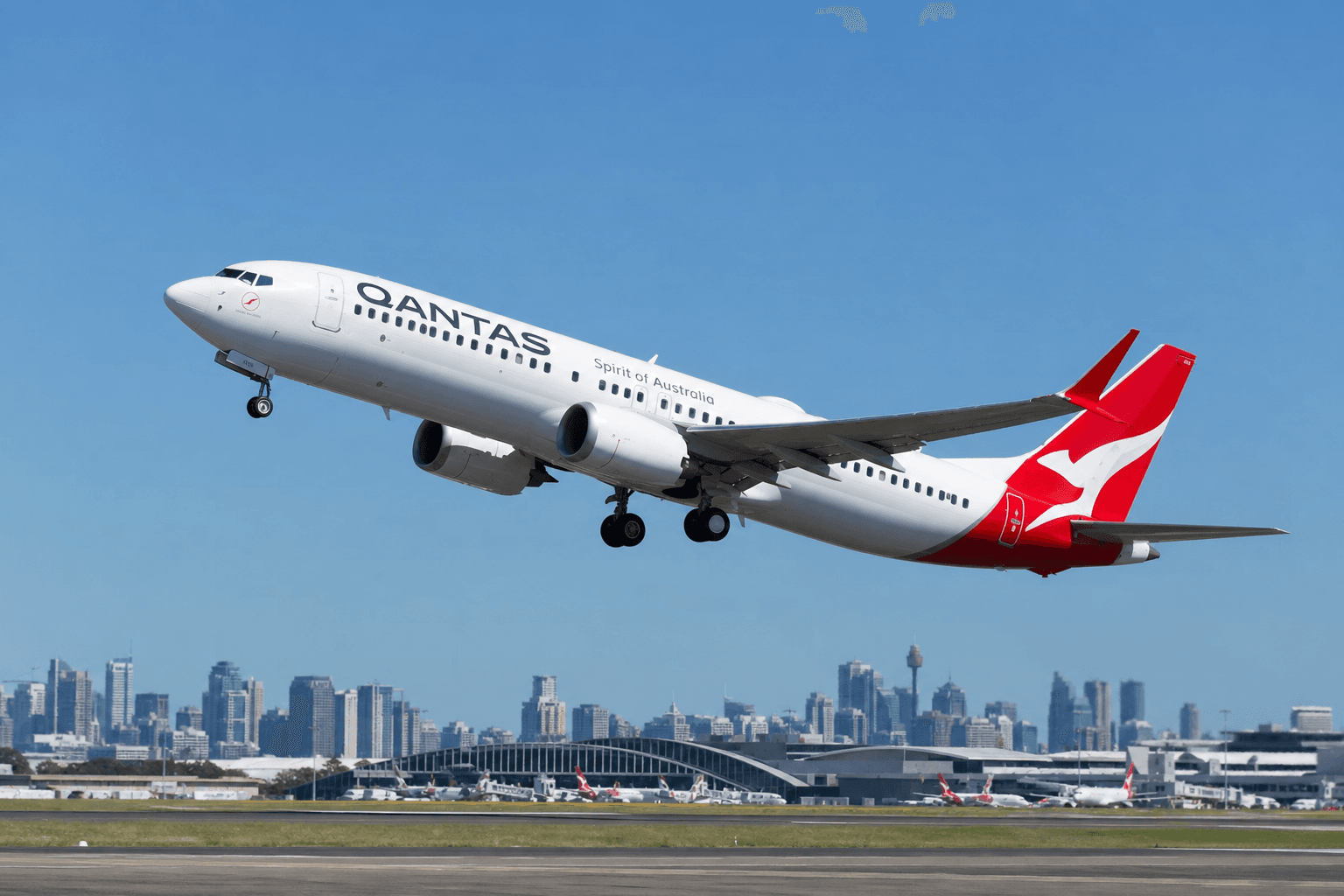
Australia Plans 10 New Boeing 737 MAX 8 Routes by 2026 Including Longest Cairns-Singapore Sector
Australia has more international routes operated with the MAX 8 than you might think. Cairns to Singapore is the longest at six hours and 45 minutes.
The Daily Touch & Go
The day's best aviation news in your inbox. Free, no spam.