

Illustration: The Touch & Go
China and Russia conduct large joint bomber patrol provoking US, Japanese, and South Korean intercepts
More than 15 Chinese and Russian aircraft flew a six-hour mission over the Sea of Japan, East China Sea, and western Pacific, drawing interceptors from the US, Japan, and South Korea.
The gist
China-Russia bomber patrol over Sea of Japan triggers intercepts by US, Japan, and South Korea fighter jets.
On June 27, 2026, China and Russia executed their 11th joint strategic air patrol, deploying over 15 military aircraft across the Sea of Japan, the East China Sea, and the western Pacific. The mission lasted approximately six hours and prompted the launch of interceptors from the US Air Force, Japan’s Air Self-Defense Force, and South Korea’s Air Force. This extensive operation highlighted the ongoing military cooperation between Beijing and Moscow as they asserted their presence in a contested regional airspace.
China’s Ministry of National Defense characterized the patrol as a demonstration of the countries’ resolve and ability to maintain peace and stability in the region. Russia’s Ministry of Defense framed the mission as part of its 2026 military cooperation plan, acknowledging that their bombers were escorted by foreign fighter aircraft at points along the flight path. This marks an escalation in both scale and complexity compared to previous joint patrols.
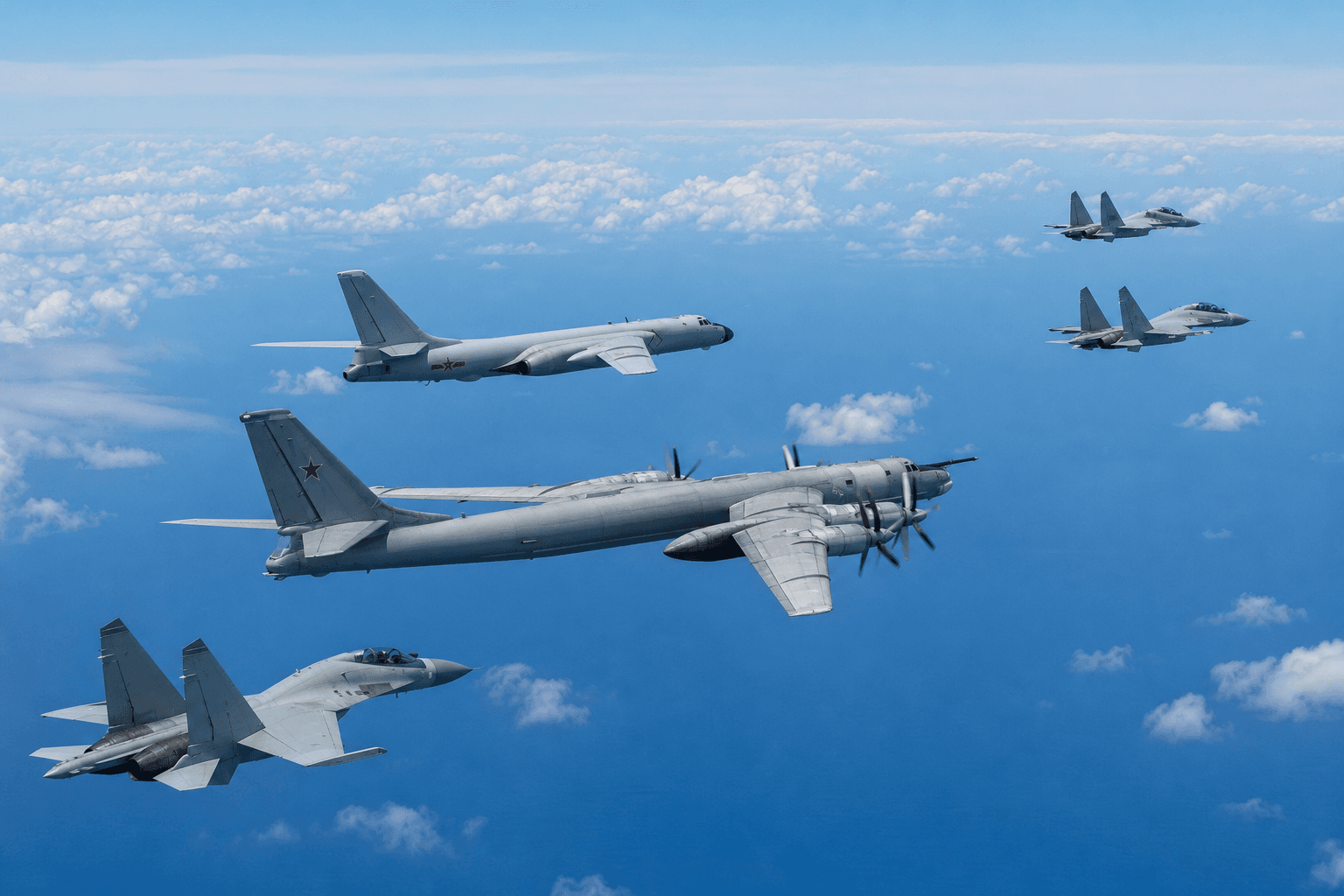
Distinct from earlier joint sorties that primarily consisted of bomber pairs with fighter escorts, this patrol involved a comprehensive package of support aircraft, reflecting a broader strategic intent. The Chinese contingent included four H-6 bombers and a mix of J-16, J-10C, and J-11 fighters, supported by a YY-20A aerial refueling tanker, a KJ-500 airborne early warning and control (AEW&C) aircraft, and Y-9 variants specialized in electronic warfare and signals intelligence. Such layers of capability underscore the sophistication of this patrol.
The Russian formation featured two Tu-95MS strategic bombers and two Tu-142 maritime patrol aircraft. These were periodically escorted by Su-35S and Su-30SM fighters, adding to the multi-dimensional nature of the flight formation. Footage and flight data released by Japan’s Joint Staff confirmed the presence of these aircraft and recorded Japanese F-15J fighters providing an escort to the intruding formation. Additionally, Russia shared video of two U.S. F-35A Lightning II fighters shadowing their bombers, signaling heightened US aerial vigilance in response.
South Korea’s Joint Chiefs of Staff reported that the joint formation briefly entered the country’s Air Defense Identification Zone (ADIZ) over eastern and southern maritime areas. This incursion led to South Korean tactical response flights as officials closely monitored and tracked the mission. Both nations lodged formal diplomatic protests, with South Korea summoning Chinese and Russian embassy representatives on June 28, an expression of escalating regional tensions surrounding the patrols.
Tokyo’s Defense Ministry confirmed that its Western Air Defense Force scrambled fighters early June 27 to monitor and intercept the bombers from the East China Sea toward the area off Shikoku in the Pacific Ocean. Japan viewed the mission as a challenge to its airspace security and took the incident very seriously. Meanwhile, Beijing dismissed Japan’s response as overreaction, categorizing the patrol as part of the routine annual military cooperation exercises conducted since 2019.
Since their first joint strategic patrols in 2019, when China and Russia simultaneously entered South Korea’s ADIZ with bomber aircraft, the flights have typically been limited to one or two annually. This recent mission, however, involved a noticeably larger and more diverse formation, signaling a potential deepening of military integration and operational capability between the two countries amid persistently tense regional security dynamics.
The scale and composition of the June 27 patrol, coupled with its engagement of multiple regional actors through intercepts and diplomacy, illustrates the increasing complexity of East Asian air defense challenges. The presence of advanced support systems such as AEW&C, aerial refueling, and electronic warfare assets alongside bombers reflects a concerted effort to operate robust, long-range missions in contested spaces, requiring vigilant responses from US allies in the region.
Read more
All Military/Defense →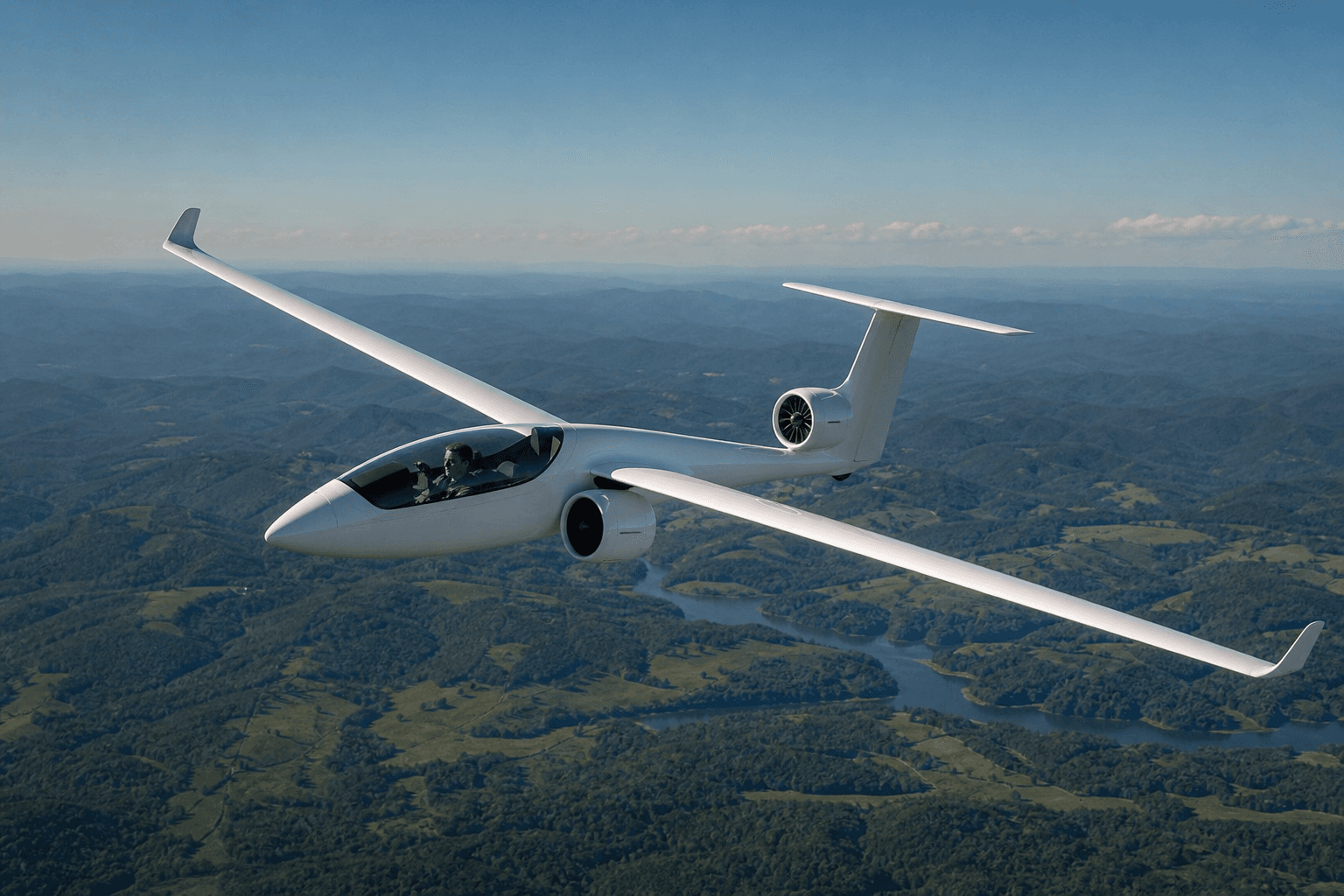
Whisper Aero's Ultra-Quiet Electric Engines Power First Piloted Flights in Tennessee
An electric aircraft engine designed to reduce operational noise to a whisper is now powering piloted aircraft. Whisper Aero on Wednesday revealed that its "ultra-quiet" eQ250 electric ducted fan propulsion system is being put to the test in Tennessee under an FAA special airworthiness certification. The company said it installed a pair of eQ250s on a modified Aériane Swift 3 glider, with which test pilot Zac Majors conducted three flights spanning 130 minutes, or about 43 minutes on average. Majors said the aircraft, which the company refers to as the Whisper Powered Swift, produced more thrust and was quieter than the standard propeller version of the glider, "but still great handling." "[I] could really do whatever I wanted with it," Majors said in a statement. "Look forward to flying it again." Fortunately for him, the campaign is only just beginning. Whisper plans to continue testing the Swift in Tennessee before advancing to flight tests and evaluations with "government customers" later this year. The company is under contract with the U.S. Air Force to develop a new family of quiet, efficient, autonomous aircraft for contested logistics, with initial testing planned for 2027. How It Works The eQ250 is the flagship product of Whisper's electric quiet (eQ) engine series. According to the company, it produces up to 85 pounds of static thrust for fixed-wing aircraft. It can also power Group 3 uncrewed aircraft systems (UAS)—which have maximum weight of 1,320 pounds and speed under 250 knots—or larger drone platforms. The specialized electric ducted fans are 10 inches in diameter and produce about 20 dB less noise than "comparable quiet propulsion systems," while also being 20 percent more efficient, according to Whisper's website . For short takeoff and landing (STOL) aircraft, the eQ250 is designed to enable coefficients of lift as high as 14. The propulsion system is intended to unlock short-to-medium-range regional air mobility services using small airports. The idea is similar to Electra's concept for "direct aviation," which involves the company's "ultra-short" takeoff and landing EL9. The goal is to replace trips that would take about 90 minutes driving with air service that takes closer to 20 minutes. Whisper said the Swift's 26:1 lift-to-drag ratio made it ideal for evaluating handling qualities and the propulsion system's performance, integration, and acoustics. Video: Whisper Aero The glider's eQ250s are powered by five Epic 1.0 Energy modules from Whisper partner Electric Power Systems (EPS). According to EPS, they provide 60 minutes of usable flight time with 30 minutes of reserve for trainer, eVTOL (electric vertical takeoff and landing), and "thin-haul" aircraft, which are used for very short trips with a handful of passengers. Whisper said the aircraft "completed its planned objectives," which included validating its propulsion integration, battery, control, and other systems. At full throttle at 100 feet agl, Whisper said the engines were quieter than the airframe itself. Ian Villa, co-founder and chief operating officer, told The Air Current that the glider can generate substantial noise without engines. Flown during the early morning, the aircraft produced about 52 dB(A) of noise compared to 34 dB(A) background noise, Whisper said. "The ability to fly within the soundscapes of even rural environments…will be critical for flights of FAA MOSAIC aircraft," the company added. The Modernization of Special Airworthiness Certification (MOSAIC) took effect in phases over the past few months and permits electric propulsion systems in the light-sport aircraft (LSA) category. More to Come Whisper said the test campaign "reduces risk" for the eQ250's larger civil and defense applications. The company is developing its JetFoil integration for STOL and VTOL aircraft, designed to enable runway independence. The JetFoil distributes ducted fan engines across the entire leading edge of the wing and would enable near-vertical takeoffs with 50 feet of ground roll. Whisper claims it will do so using half the thrust of tilt-rotor VTOL aircraft while offering more range and double the payload. Villa earlier this year told FLYING that Whisper is in talks with government customers to build and fly JetFoil-equipped prototypes, the idea being that they could be transitioned to commercial manufacturers who could bring them to market. For example, one could swap the de Havilland Twin Otter's high wing for a JetFoil and hybrid-electric powertrain. Whisper said the testing will further support its Collaborative Logistics Aircraft (CLA) program with the U.S. Air Force. The CLA concept is similar to the service's Collaborative Combat Aircraft (CCA) framework, which pairs crewed fighter jets with uncrewed "loyal wingmen." Instead, CLA aircraft would carry between 500 and 3,000 pounds of cargo and operate from austere or degraded runways. Whisper is studying two CLA concepts that incorporate 12 and 30 eQ250 engines on the leading edge of the wing, using the JetFoil integration. According to the company, at 250 knots, the CLA aircraft would generate reduced noise and heat signatures compared to models they could replace. Whisper in May 2025 said that initial CLA flight testing would begin in 2027 at White Sands Missile Range in New Mexico. The company has also shared concepts for a regional Whisper Jet and more robust 100-seat model, both based around its ducted fan and eQ technology.
Six U.S. Combat Aircraft Lost and Crew Rescues Highlight Operation Epic Fury's Tough Toll
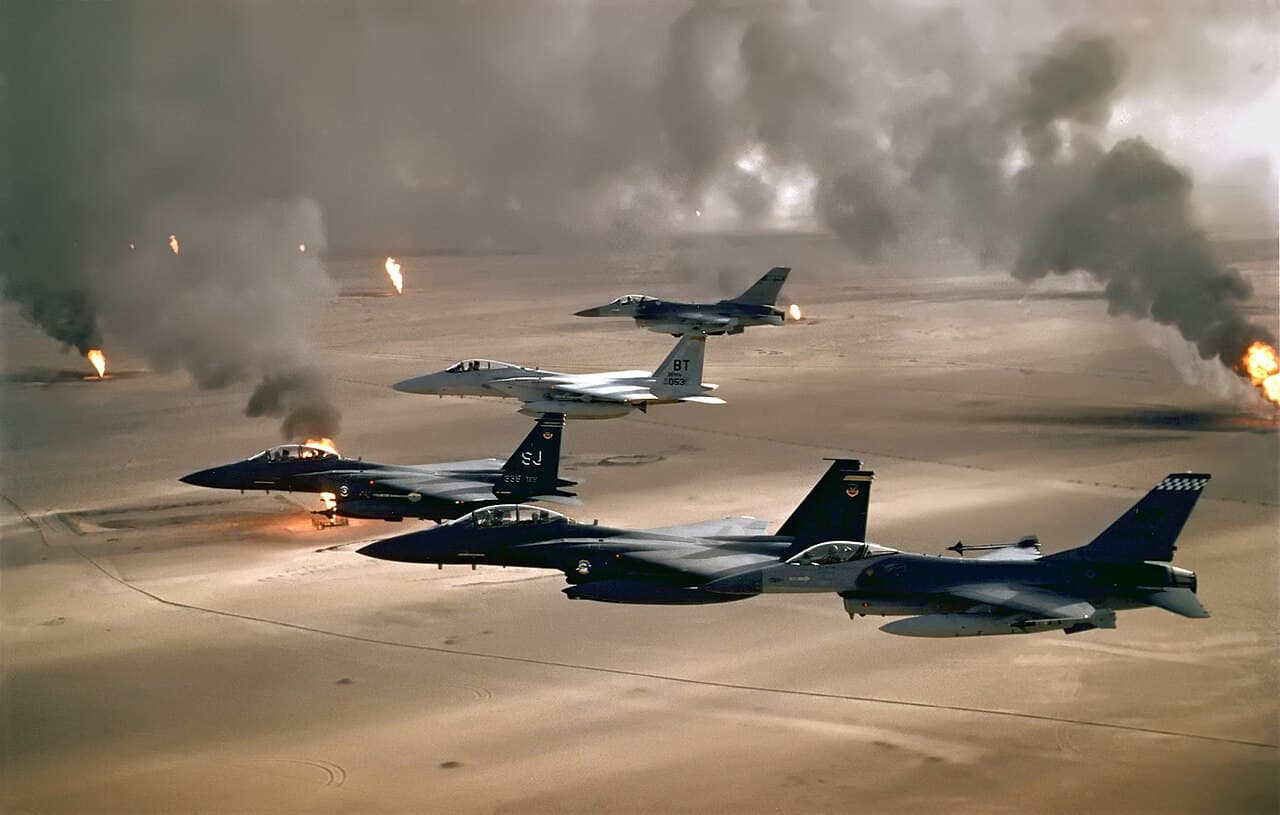
Since Operation Epic Fury was launched on February 28, 2026, 42 American aircraft have been lost in combat. Of those, 24 were MQ-9 Reaper drones and one an exceptionally rare MQ-4C Triton drone. The remaining were crewed aircraft, with four shot down and two destroyed on the ground by enemy fire.
US Military Pilots Weigh Retirement Benefits Versus Airline Pay After Service
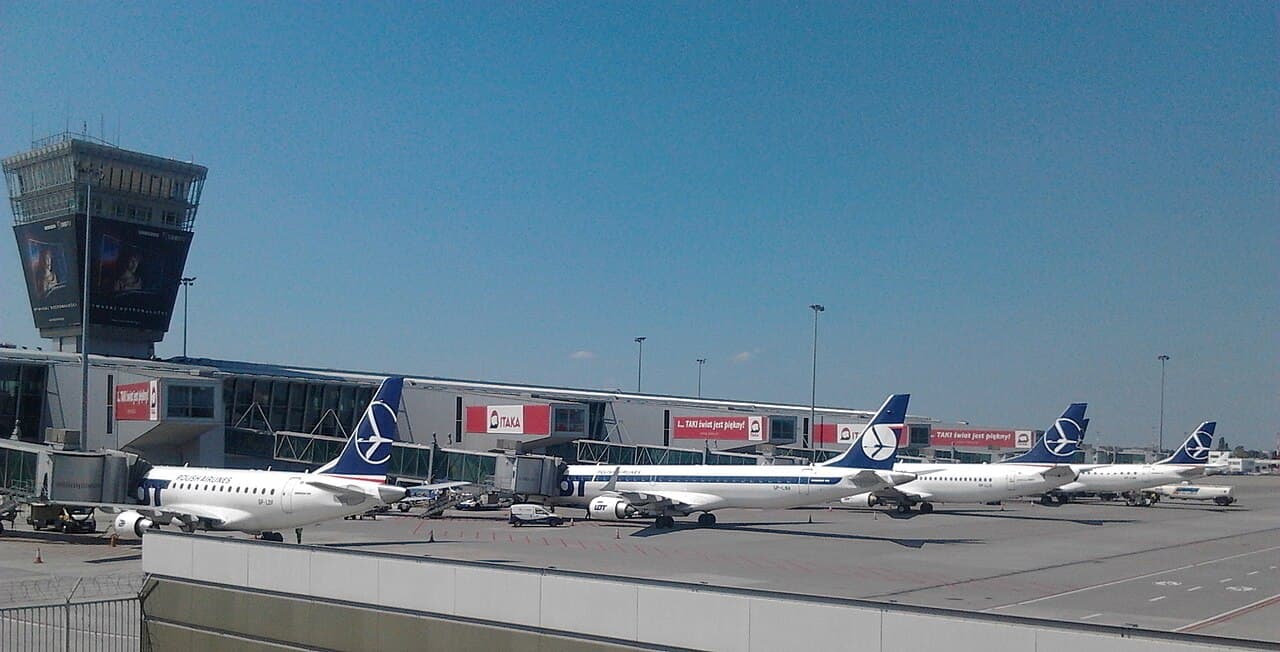
The aviators of the US Armed Forces face a crossroads when they come to the end of their minimum active-duty service commitments. All the branches of the Department of Defense have their own core of professional aircrew. In the US Air Force and Army, the contracts to be a professional flyer come with a ten-year commitment. Meanwhile, the US Navy and the Marines have a slightly shorter minimum duty at eight years.
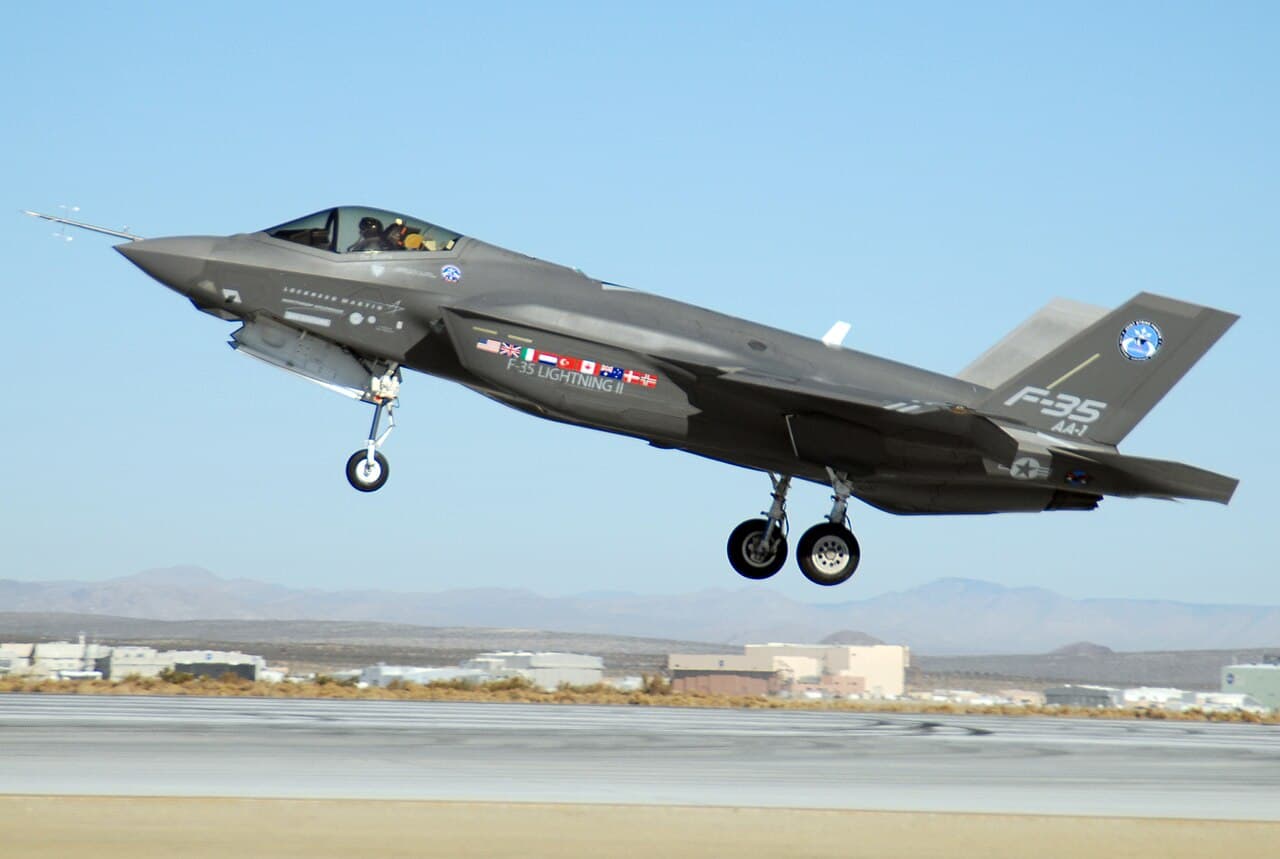
Davis-Monthan Air Force Base Ends Five Decades of A-10 Pilot Training as Focus Shifts to F-35
In April 2026, the US Air Force closed the training pipeline that had produced every Fairchild Republic A-10 pilot it ever fielded. The 357th Fighter Squadron graduated its last class of Thunderbolt II students at Davis-Monthan Air Force Base in April. That same week, and at that same base, an A-10 flying combat search and rescue escort over Iran took enemy fire, kept flying, and helped bring a downed fighter pilot home before its own pilot was forced to eject over Kuwait.
The Daily Touch & Go
The day's best aviation news in your inbox. Free, no spam.