

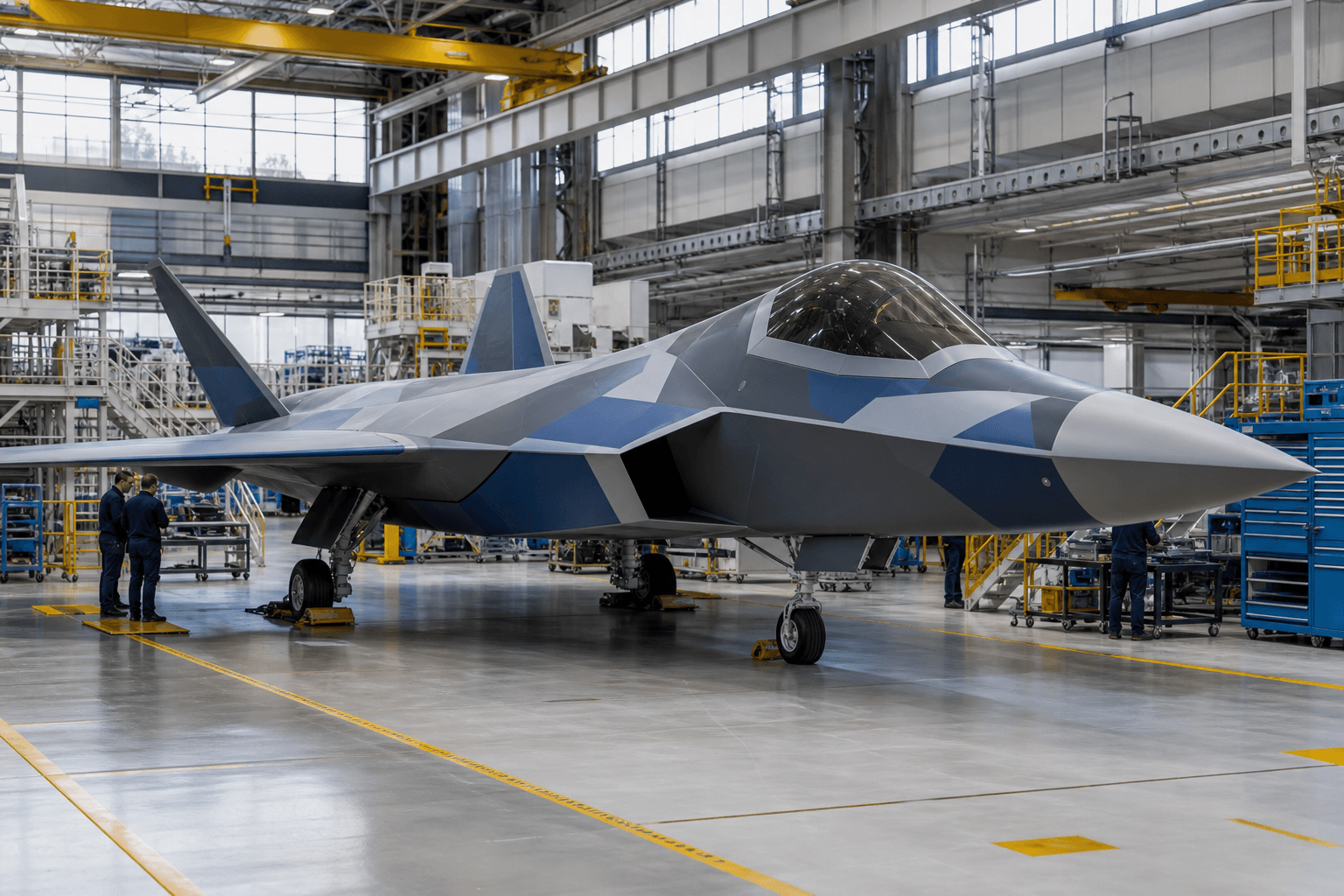
Illustration: The Touch & Go
Europe's $116B FCAS Fighter Program Ends After Dassault-Airbus Dispute
The ambitious Future Combat Air System project has been abandoned after nearly a decade of development and no prototypes, leaving the GCAP program as Europe's remaining sixth-generation fighter effort.
The gist
Europe's 116-billion-dollar FCAS fighter project ends after Dassault and Airbus workshare conflict, ceding ground to GCAP.
Europe's flagship sixth-generation fighter initiative, the Future Combat Air System (FCAS), has officially been terminated after nine years without producing a prototype. The €116 billion program, designed to develop a cutting-edge fighter jet for European air forces, failed to survive internal conflicts over the division of work between key industrial partners Dassault and Airbus. This in-fighting ultimately halted progress and led to the collapse of what was meant to be a cornerstone of European air combat capability.
The FCAS was intended as an ambitious multinational development, combining resources and expertise from France, Germany, and Spain to deliver a next-generation combat aircraft system. Central to its downfall was a dispute over workshare allocation between the French aircraft maker Dassault Aviation and the aerospace giant Airbus. Both companies vied for critical design and production roles, but disagreements made effective collaboration impossible, stalling the program before any prototypes could be manufactured or flown.
In the aftermath of FCAS's cancellation, Europe's only remaining sixth-generation fighter project is the Global Combat Air Programme (GCAP). GCAP involves British, Italian, and Japanese collaboration and aims to fill the capability gap left by FCAS's demise. This transition of efforts underscores the challenges faced in coordinating complex, multinational defense projects, especially when national industrial interests collide.
The FCAS termination represents a major setback for European defense integration ambitions. The hefty budget of €116 billion highlights the scale and importance of the initiative, which was envisioned as a successor to existing platforms like the Eurofighter Typhoon and Dassault Rafale. Without FCAS, European nations must now reconsider their strategic priorities and partnership models to remain competitive in evolving aerial warfare landscapes.
The failure of the FCAS program also raises questions about Europe's ability to jointly develop next-generation military technologies. It signals potential vulnerability if collaboration among key industrial players cannot be secured. Attention will likely now shift to ensuring that GCAP advances without similar disruptions, as Europe seeks to maintain technological sovereignty in advanced combat aviation.
Looking ahead, close scrutiny will be placed on how European defense firms and governments manage cooperative ventures. FCAS's collapse may prompt reevaluation of workshare arrangements, industrial policy, and funding mechanisms to better balance national and collective interests. The outcome could have lasting implications on future multinational aerospace programs in Europe.
Read more
All Military/Defense →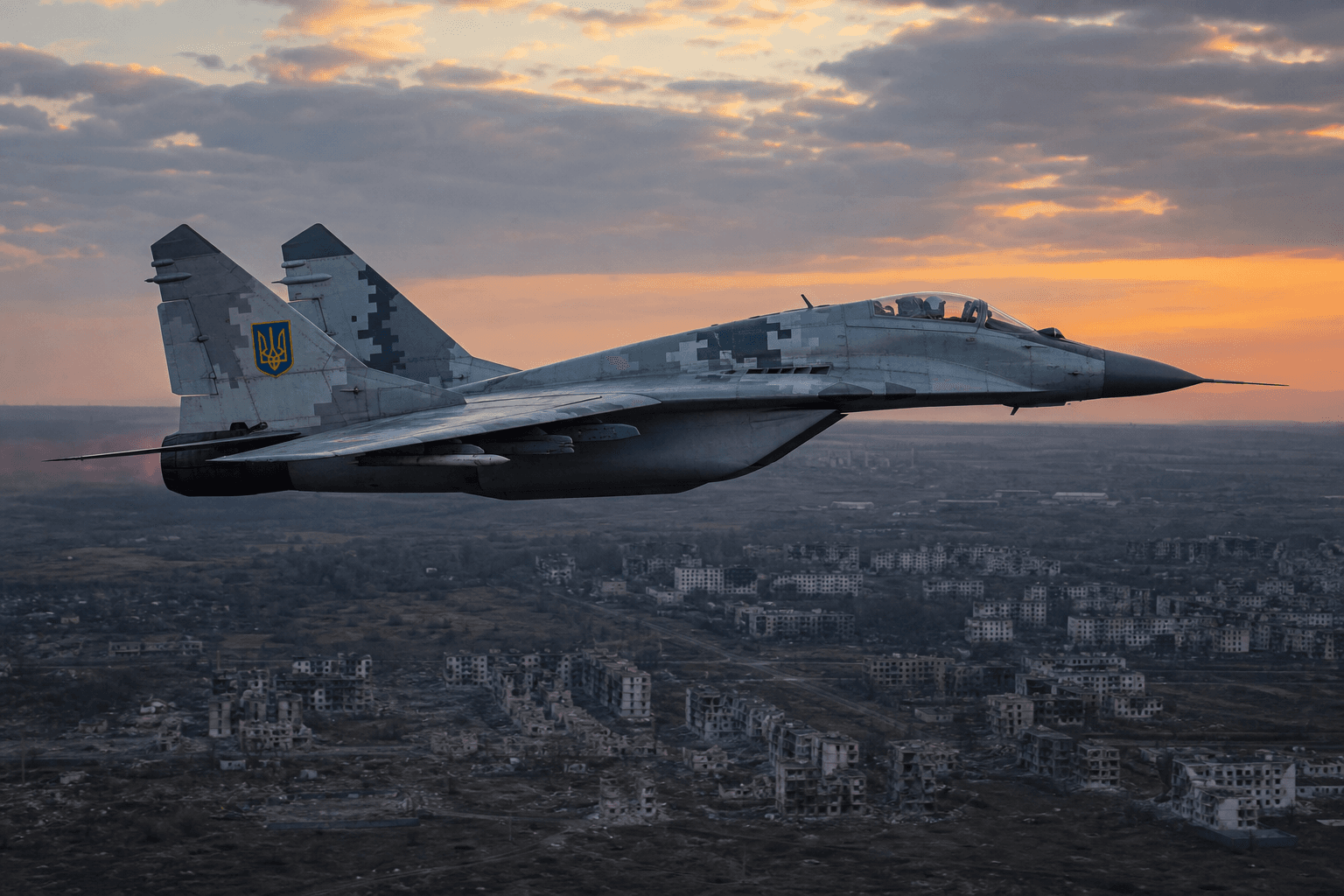
Ukrainian MiG-29 Crashes in Combat Mission with Pilot Ejecting Safely
A Ukrainian Air Force MiG-29 fighter jet crashed overnight on June 27, 2026, while carrying out a combat…
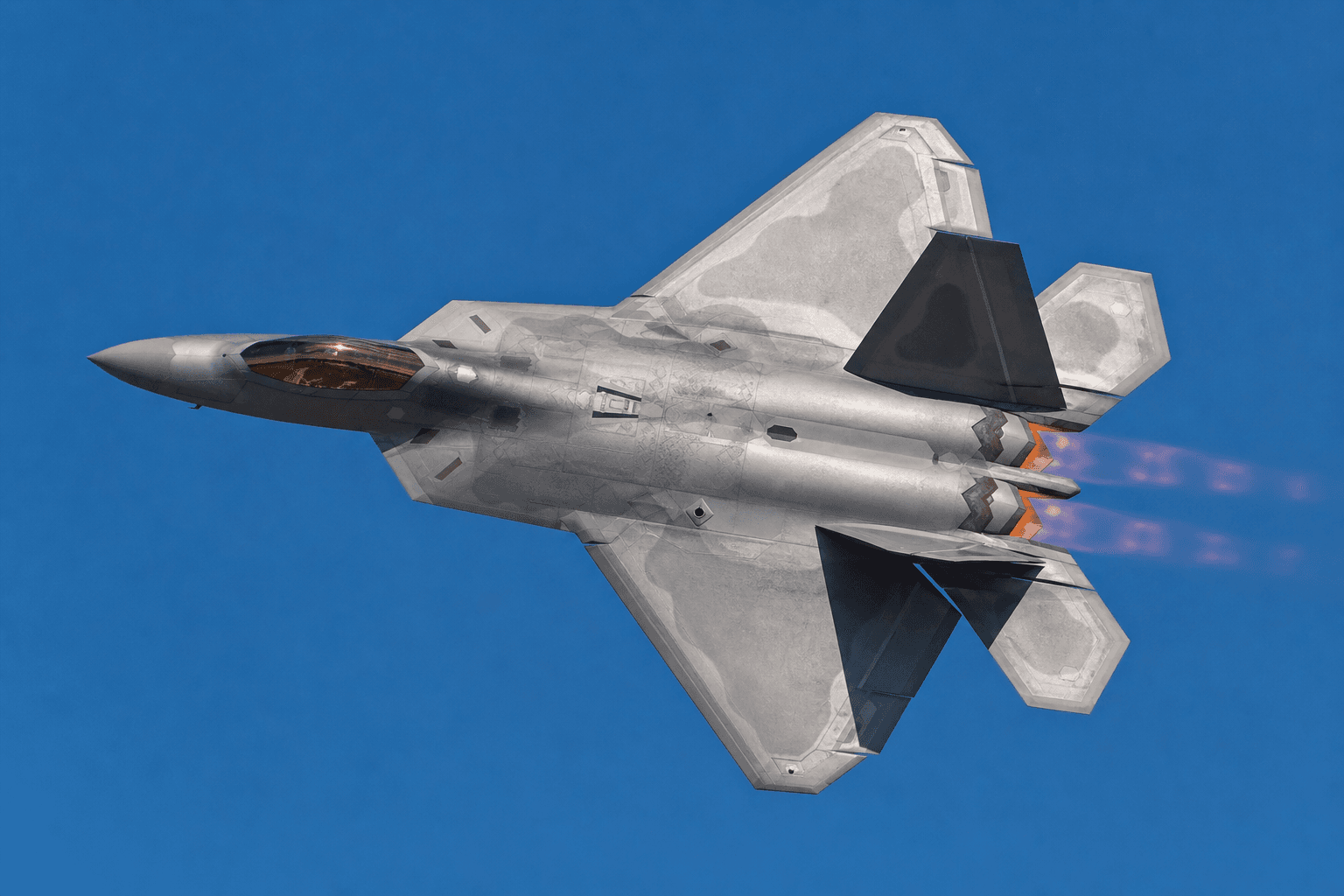
USAF Updates F-22 Raptor Engine Software To Extend Service Into 2040s
As the Air Force rushes to produce the F-47, it is also upgrading the Raptor to keep it cutting-edge into the 2040s.
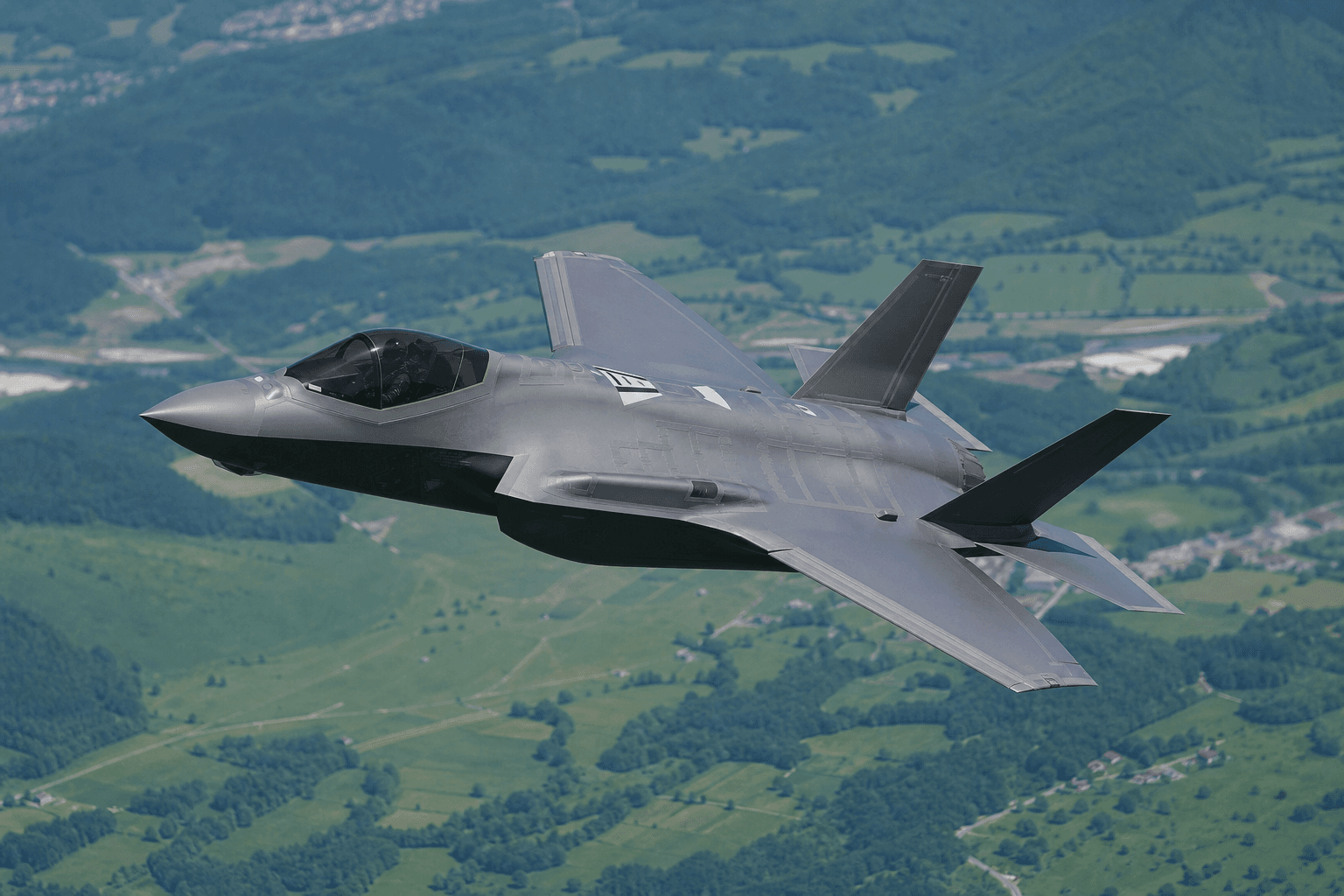
Germany Plans to Acquire 15 Additional F-35 Jets and Explore Partnership in Fighter Program
Following the collapse of FCAS with France, Germany is now considering its GCAP, Saab, Spanish, and 6th-gen-less combat drone future.
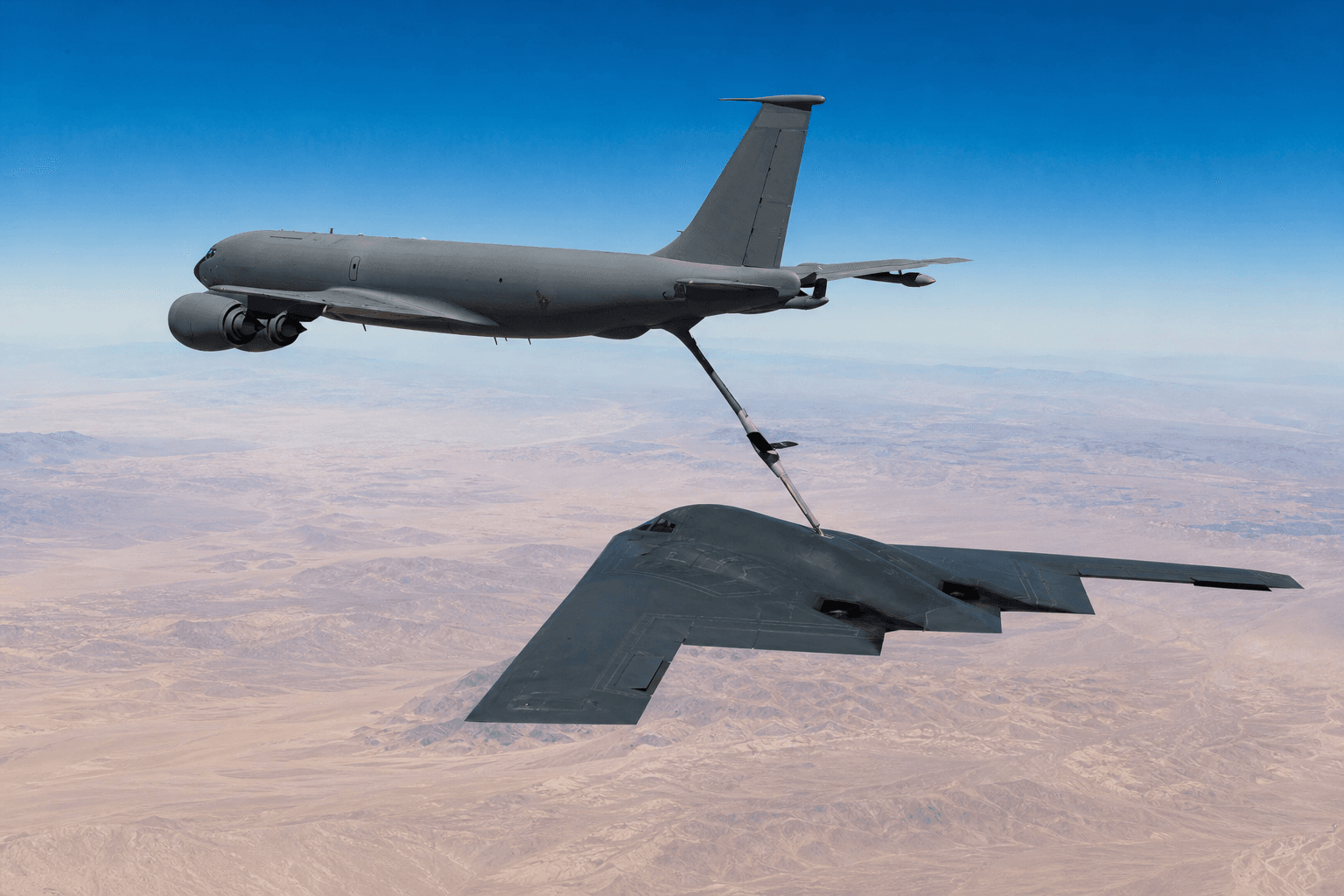
KC-135 Tankers to Support B-21 Bomber in Air Refueling Through 2040s
Why the incoming B-21 bomber will rely on both the KC-135 and KC-46 and continue to rely on them after NGAS eventually enters service.
The Daily Touch & Go
The day's best aviation news in your inbox. Free, no spam.