

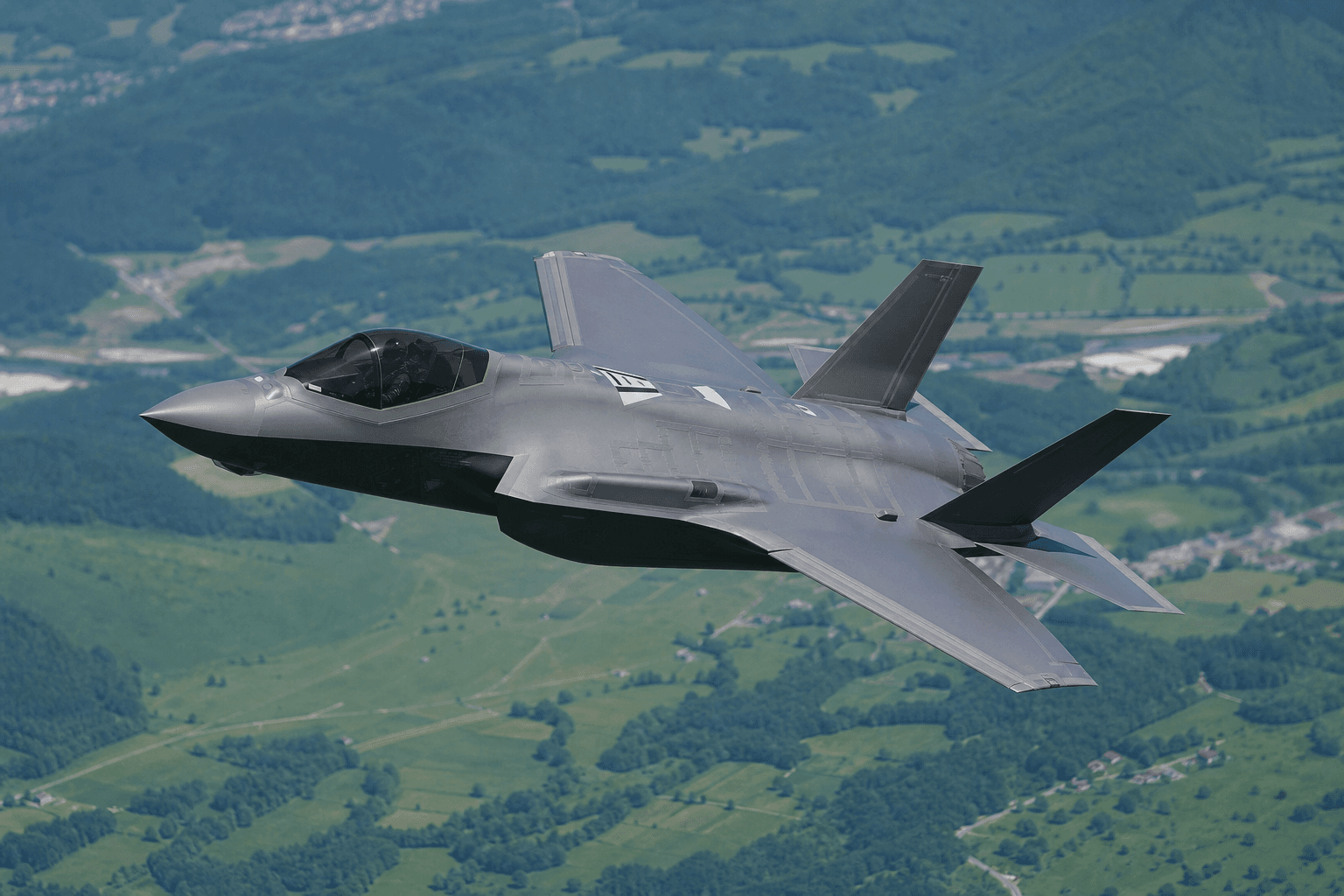
Illustration: The Touch & Go
Germany Plans to Acquire 15 Additional F-35 Jets and Explore Partnership in Fighter Program
Amid the failure of the FCAS initiative with France, Germany is seeking new avenues in fighter programs, including augmenting its fleet with 15 extra F-35s and investigating collaboration opportunities with Saab and Spanish defense firms.
The gist
Germany pivots to buy more F-35s and explore new fighter partnerships after FCAS collapse.
Germany is shifting its fighter aircraft procurement strategy following the collapse of the Future Combat Air System (FCAS) project with France. The German government is reportedly moving to acquire 15 more Lockheed Martin F-35 stealth fighters, signaling a strategic pivot away from the troubled multinational project. This decision marks a significant step in renewing Germany's air combat capabilities with advanced fifth-generation jets.
The FCAS program, a joint Franco-German-Spanish effort to develop next-generation combat aircraft, has faced setbacks leading to its unraveling. As a result, Germany has been exploring alternative options including joining the German-led Global Combat Air Program (GCAP), partnerships with Saab, and collaboration with Spanish aerospace companies focused on unmanned sixth-generation combat drones. These initiatives represent attempts to maintain technological edge and operational readiness amid evolving defense needs.
The prospective increase in F-35 acquisitions will complement Germany's existing and future air combat capabilities. The F-35 is a proven multirole stealth fighter widely adopted among NATO allies, enhancing interoperability and deterrence. Germany's move to buy more of these aircraft underscores the shift towards leveraging established platforms while concurrently exploring innovative programs like GCAP to develop future aerial combat technologies.
Germany’s consideration of the GCAP leverages cooperation with the UK and Italy on a next-generation fighter project. Saab’s potential involvement points to integrating Scandinavian aerospace expertise, while the collaboration with Spanish defense firms emphasizes retaining a European industrial footprint in future air combat systems. The incorporation of combat drones also highlights the increasing importance of unmanned technologies for 6th-generation capabilities.
This strategic realignment reflects broader geopolitical and industrial dynamics in Europe's defense sector. Germany’s recalibration exemplifies a pragmatic approach to maintaining air superiority amid program challenges and increasing demand for cutting-edge technologies. The commitment to expanding the F-35 fleet combined with participation in emerging programs positions Germany to meet evolving security requirements effectively.
Looking ahead, Germany’s engagement with varied fighter platforms and programs will be closely watched by allies and competitors alike. The balance between purchasing proven aircraft and investing in future-oriented projects like GCAP and drone integration will shape the country’s air combat posture for the coming decades. This development signals a significant evolution in European air power modernization efforts.
Read more
All Military/Defense →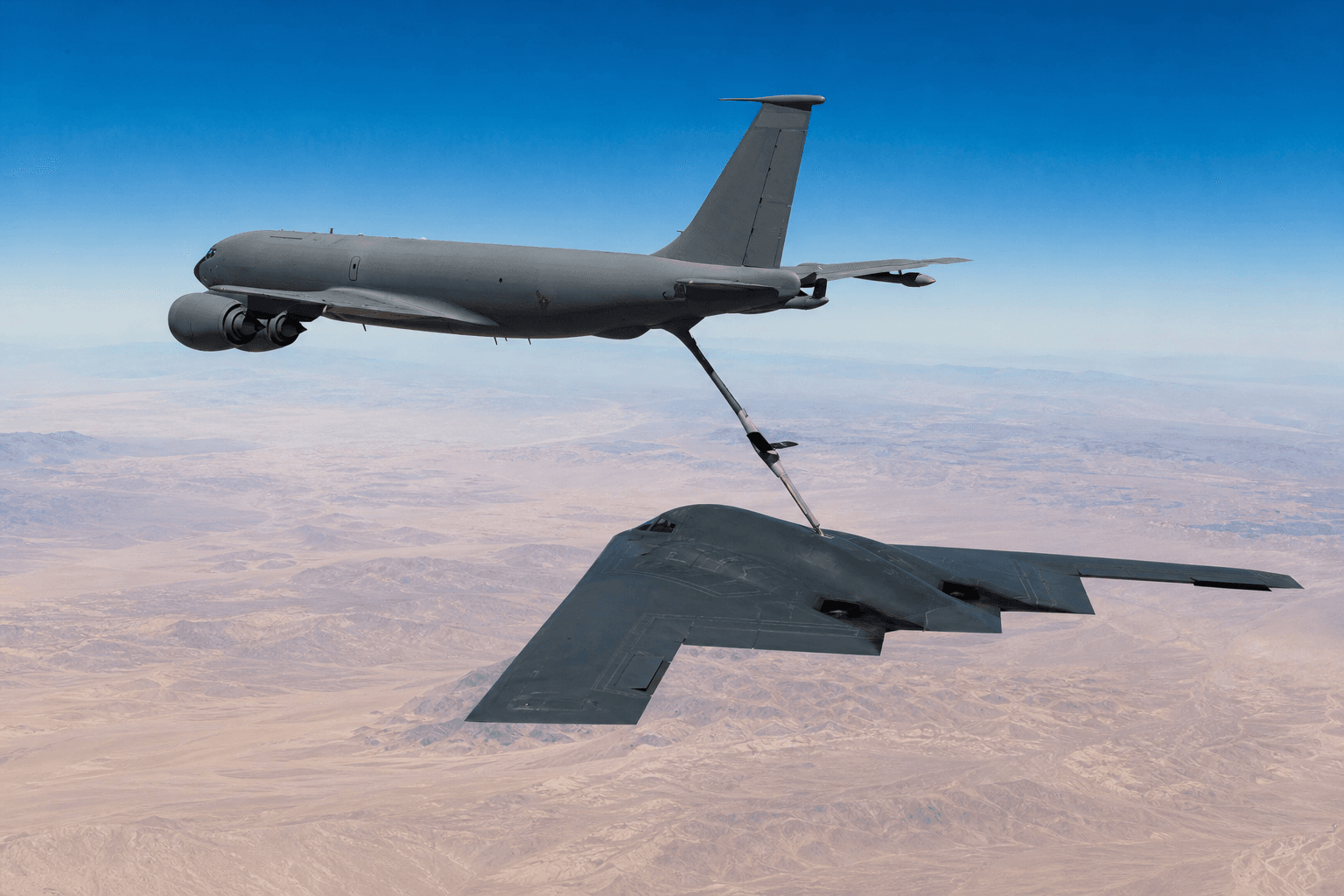
KC-135 Tankers to Support B-21 Bomber in Air Refueling Through 2040s
Why the incoming B-21 bomber will rely on both the KC-135 and KC-46 and continue to rely on them after NGAS eventually enters service.
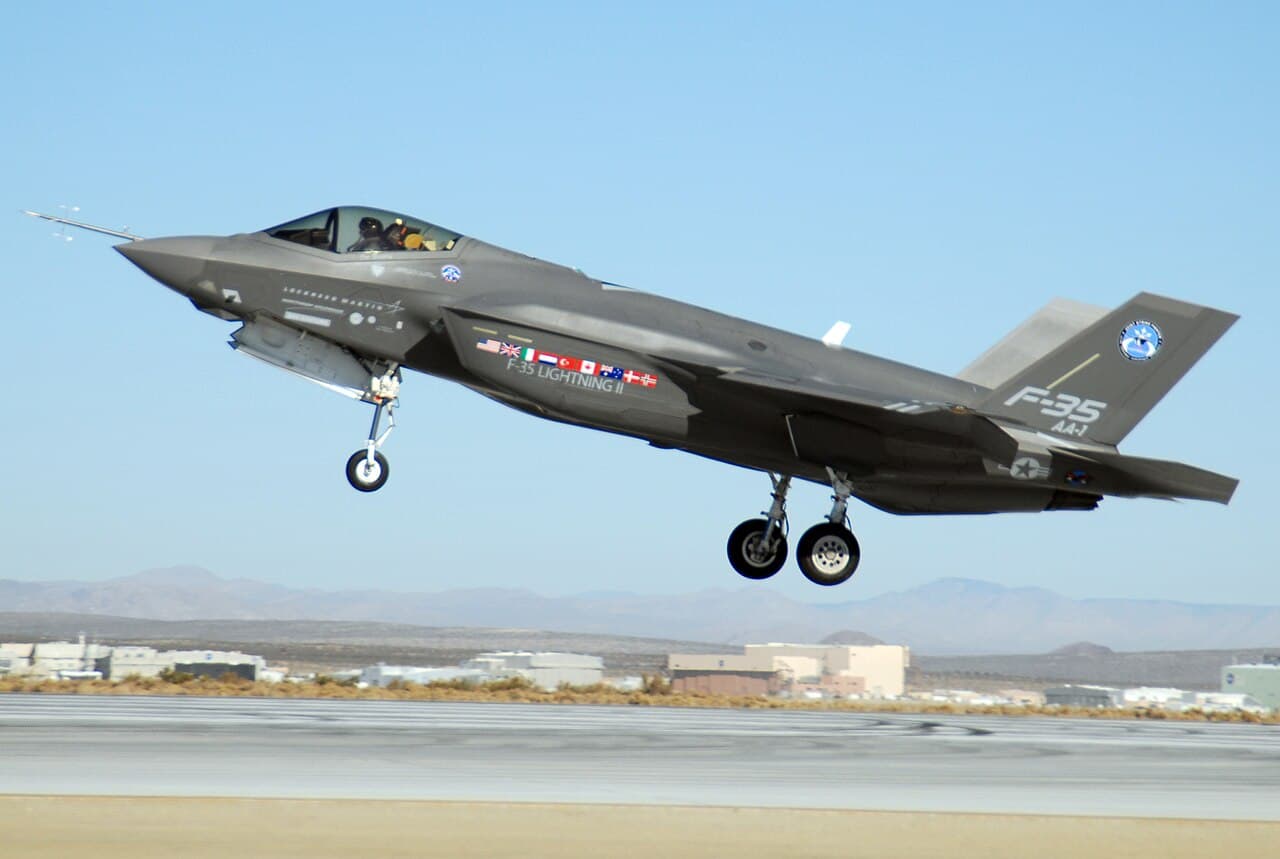
Top Aces Flies Private Skyhawks and Alpha Jets Against Danish F-35As in Training Trial
The training took place in April and May as part of a trial demonstration of commercially provided aggressor services for the Royal Danish Air Force. Privately owned fighter jets from commercial operator Top Aces have flown against Lockheed Martin F-35As from the Royal Danish Air Force (RDAF) in air combat exercises. The drills took place…
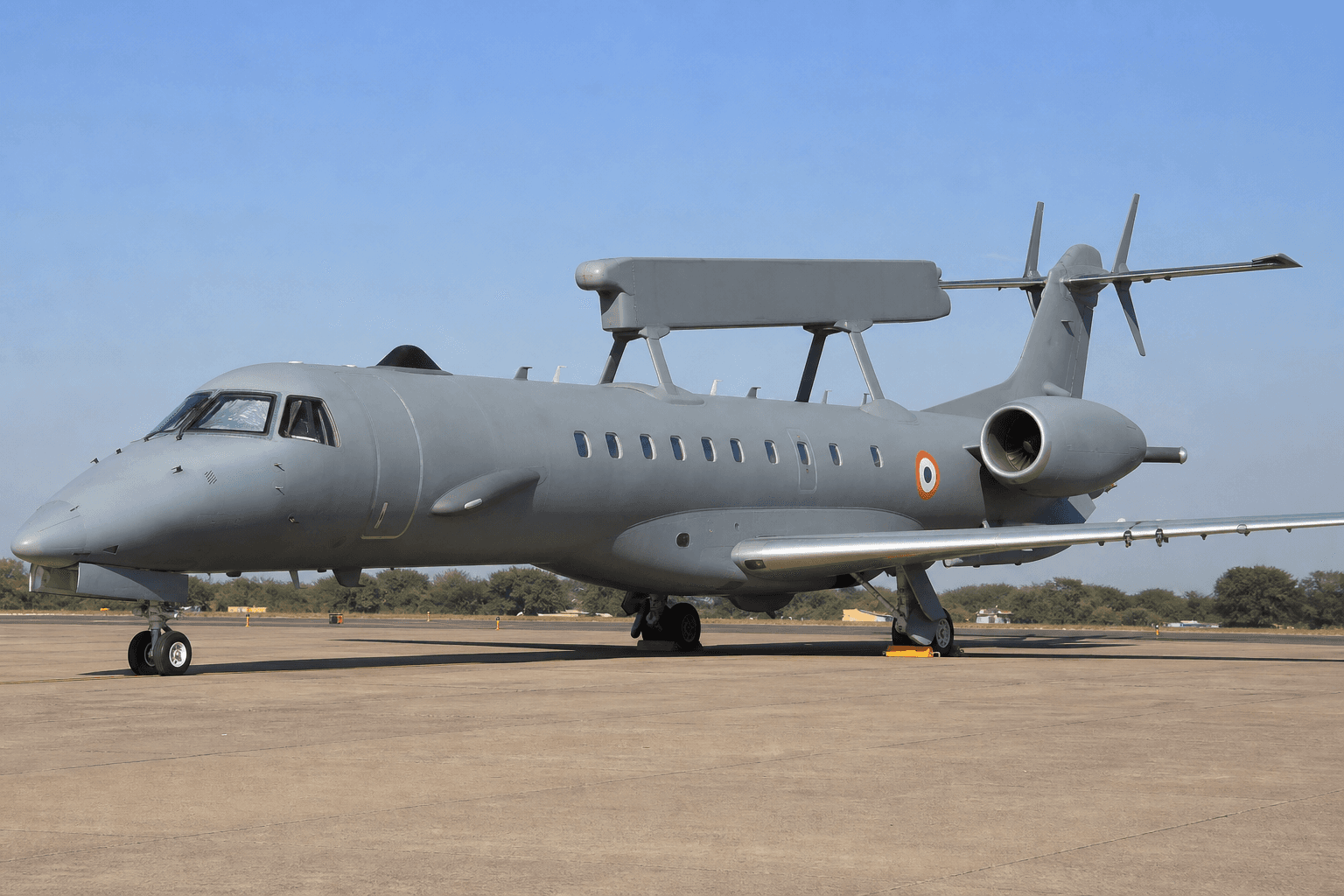
India formally declares Netra Mk 1 AEW fleet fully operational with final clearance
The early warning and control aircraft are modified Embraer ERJ-145 regional jets. India's Defence Research and Development Organisation (DRDO) has declared the country's airborne early warning fleet fully operational. The milestone came on 25 June in Bengaluru, where the Indian air force's fleet of Netra Mk 1 jets received final operational clearance (FOC) from the…
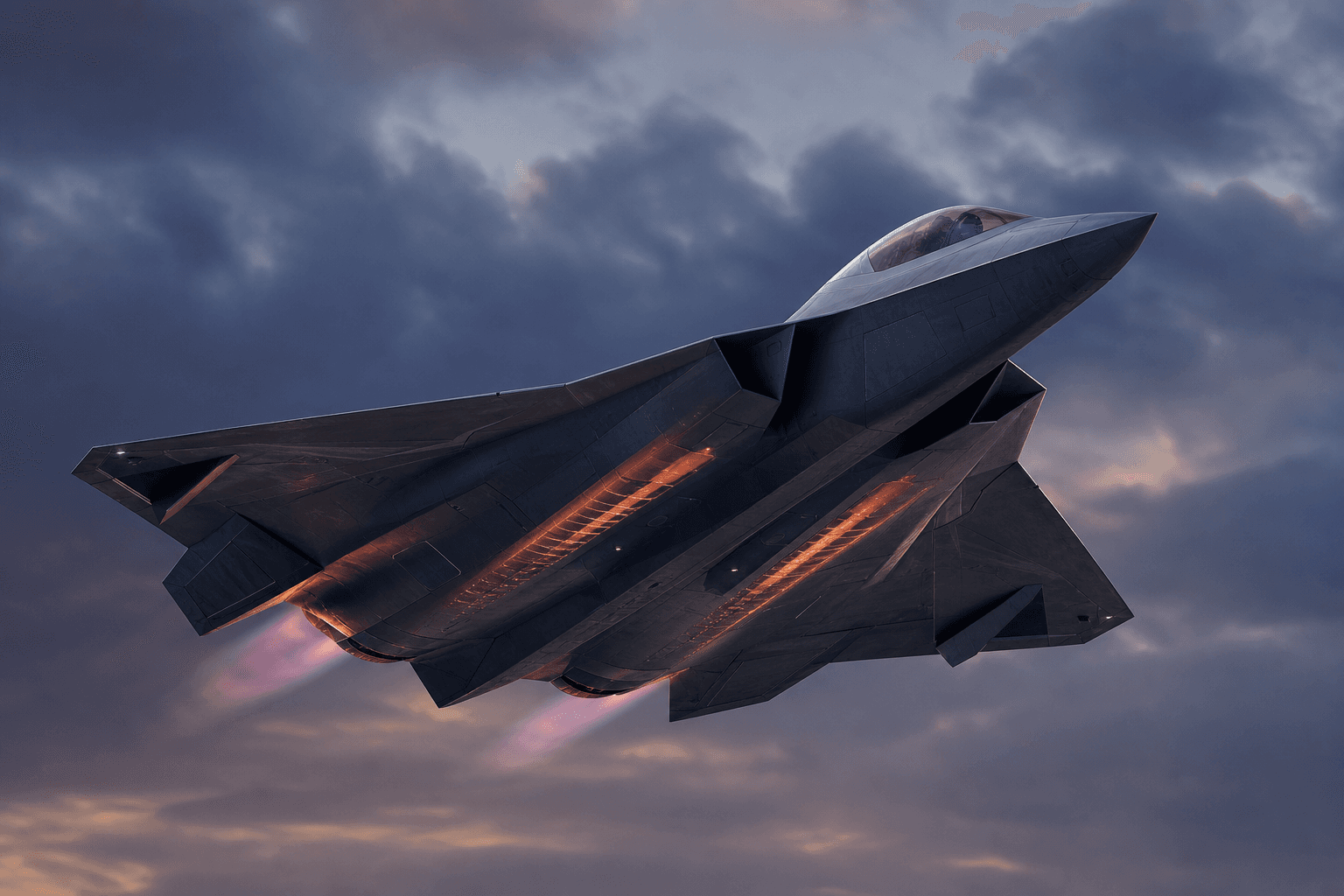
Thermal Management Poses Key Challenge for 6th-Generation Fighter Development
Thermal management is one of the most difficult challenges engineers face in developing next-generation fighters, particularly with RCS and range.
The Daily Touch & Go
The day's best aviation news in your inbox. Free, no spam.