

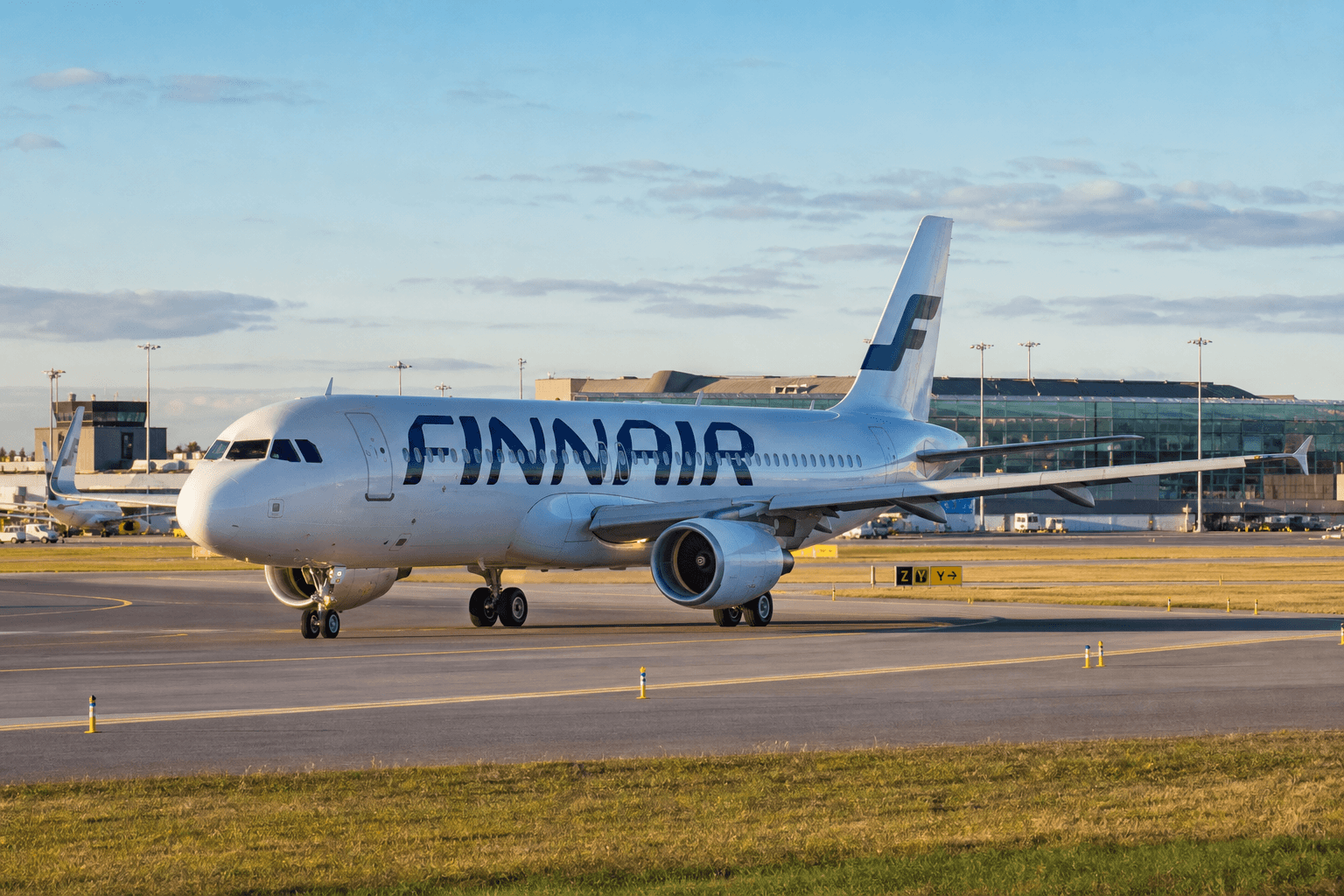
Illustration: The Touch & Go
Finnair advances plans to acquire up to 12 used A320s, considers wet-leases for fleet flexibility
Amid strong demand and Middle East capacity cuts, Finnair pursues used A320ceo jets and wet-lease options to support medium-term network expansion.
The gist
Finnair seeks up to 12 used Airbus A320ceo jets and may use wet-leases to maintain network capacity amid Boeing delays and market shifts.
Continuing coverage
All Fleet Expansion →- American Airlines Deploys Airbus A321XLR on Nine Routes with 155 Seats Each
- Delta Orders 16 High-Cabin Airbus A330-900neos With 56 Delta One Suites Each
- Gulf Air Positions Itself as Signature Premium Connector Amid Gulf Giants
- Brussels Airlines Pauses Long-Haul Fleet Growth Citing Profit and Geopolitical Strains
- LATAM Airlines posts $227 million Q2 profit amid strong premium demand
Finnair is actively pursuing the acquisition of up to 12 used Airbus A320ceo-family aircraft and is also exploring leasing strategies, including wet-leases, to bolster its medium-term fleet capabilities. The airline’s finance chief Pia Aaltonen-Forsell detailed these plans during an investor call ahead of the first-half 2026 financial results announcement. This approach aims to complement the carrier’s planned deliveries of Embraer 195-E2 jets starting late 2027, and maintain robust network capacity.
The Helsinki-based carrier has committed to purchasing 18 Embraer 195-E2 regional jets, to be operated by its subsidiary Norra, with additional options available for expansion. Finnair’s CEO Turkka Kuusisto previously identified older A320 and A319 models from the secondary market as a method to quickly refresh the narrowbody fleet alongside the newer E2s. Progress is being made in negotiations, but the airline has not disclosed firm details on specific aircraft yet.
This fleet flexibility initiative is driven by a period of intense demand for air travel, amplified by reduced available seat capacity in the Middle East following geopolitical tensions. The conflict in Iran, which escalated in late February, has led to significant capacity withdrawals from carriers based in the region, providing Finnair with an opportunity to capture market share and improve yields on its routes.
The consequence of these shifts in supply and ongoing robust demand has resulted in higher profitability metrics for Finnair. Aaltonen-Forsell noted that improved revenue per available seat kilometre (RASK) has effectively offset rising fuel prices under the current environment. The carrier’s strategic network and pricing adjustments have enabled it to maximize load factors and maintain financial resilience amid cost pressures.
Fuel cost volatility remains a concern, with supplies expected to normalize gradually only after peace negotiations potentially reopen the Strait of Hormuz. Although recent talks between the USA and Iran suggest possible de-escalation, economic uncertainty persists, and Finnair continues cautious fuel hedging. The airline is hedged for 69% of fuel consumption through the remainder of 2026, with decreasing coverage planned for 2027’s quarters, reflecting a calibrated response to market conditions.
Finnair’s consideration of wet-leases, which involve leasing aircraft including crew and maintenance from other operators, highlights priority on immediate operational flexibility. This could allow the carrier to deploy additional capacity without the longer lead times and capital expenditure associated with new aircraft deliveries. Such tactics align with the uncertainty around geopolitical factors impacting supply chains and fuel markets.
With the first of the Embraer 195-E2 jets anticipated to join the fleet at the end of 2027, interim solutions like used aircraft acquisitions and leasing are essential to support Finnair’s medium-term network ambitions. This mix of strategies aims to ensure consistent service levels and competitive offerings amid evolving market dynamics post-pandemic and in a tense geopolitical landscape.
The used A320 family aircraft considered by Finnair would provide vital narrowbody capacity primarily for European routes, while the E195-E2-sized jets serve regional markets more efficiently. This balanced fleet approach leverages existing aircraft availability and cutting-edge technology to optimize route economics and environmental performance, supporting Finnair’s strategic objectives.
Finnair’s measured expansion and fleet diversification underscore a pragmatic adaptation to external challenges, including regional conflicts and fuel market disruptions. Their upcoming half-year financial report on 22 July is expected to shed further light on how these fleet and network strategies are translating into operational and financial results within this complex environment.
Read more
All Airlines →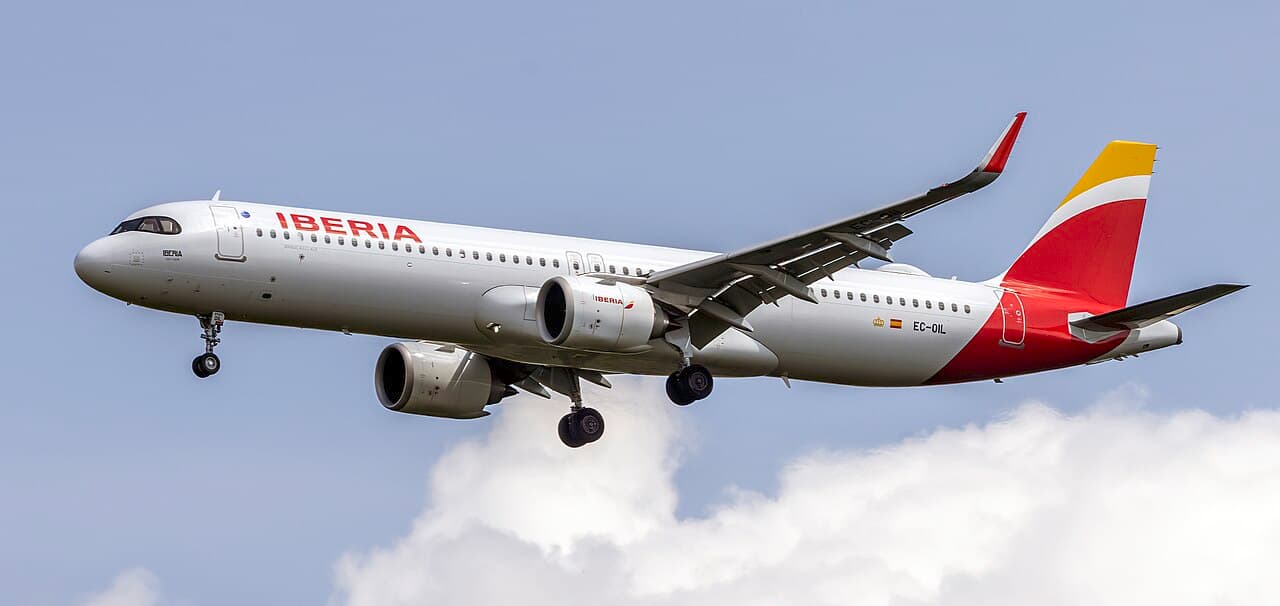
American Airlines Deploys Airbus A321XLR on Nine Routes with 155 Seats Each
American Airlines is set to be a major operator of the Airbus A321XLR . While present fleet data from ch-aviation shows that it currently has only seven units of the next-generation narrowbody twinjet at its disposal, its 44 outstanding orders for the type will bring its total to 51 in time. The carrier has configured these jets with 155 seats across three classes, making them ideal for long thin routes.
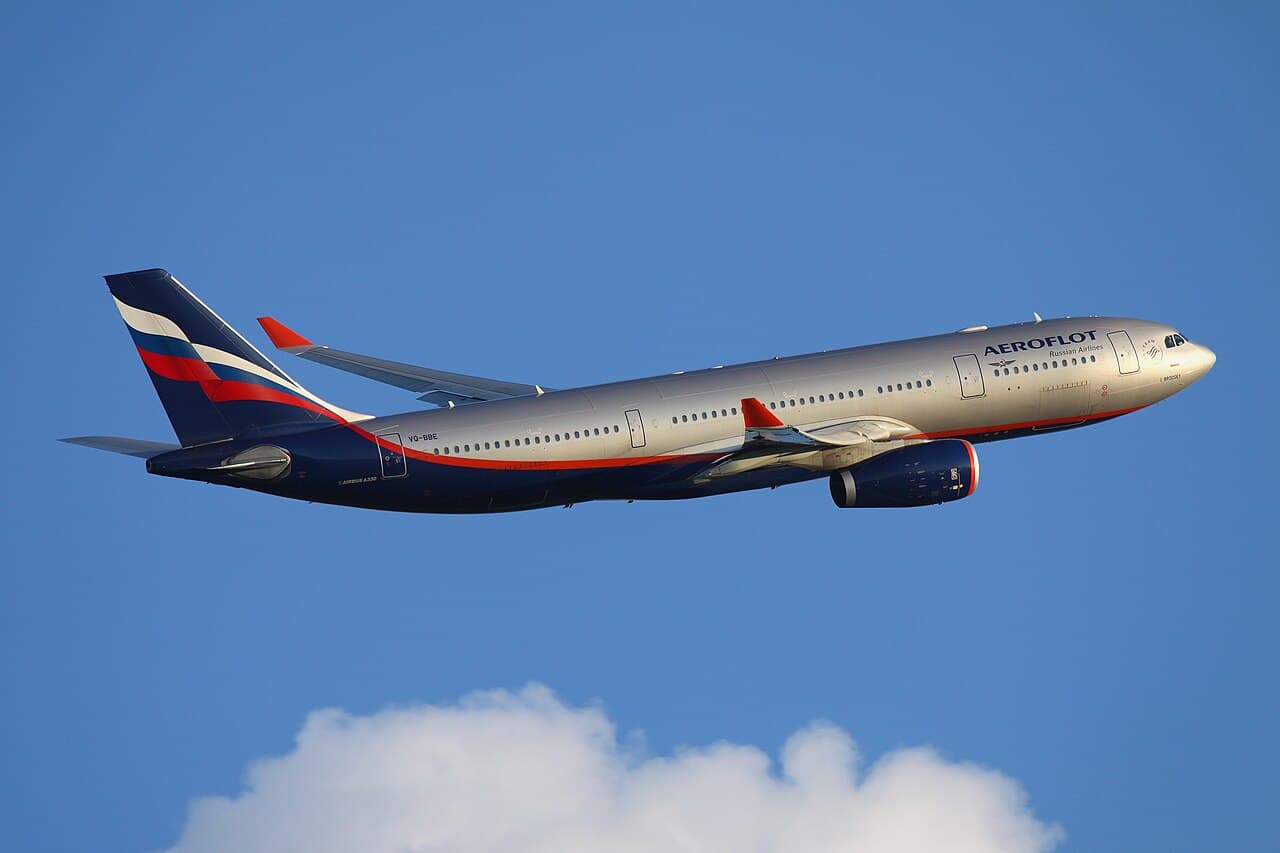
Delta Orders 16 High-Cabin Airbus A330-900neos With 56 Delta One Suites Each
Delta Air Lines' newest batch of Airbus A330-900neos will be fitted with 56 Delta One Suites, almost double the number fitted to the aircraft the carrier flies today. 16 examples of the 'high J' configuration were ordered in January and will complement Delta's existing fleet of 39 A330neos and more than 40 previous-generation A330s.
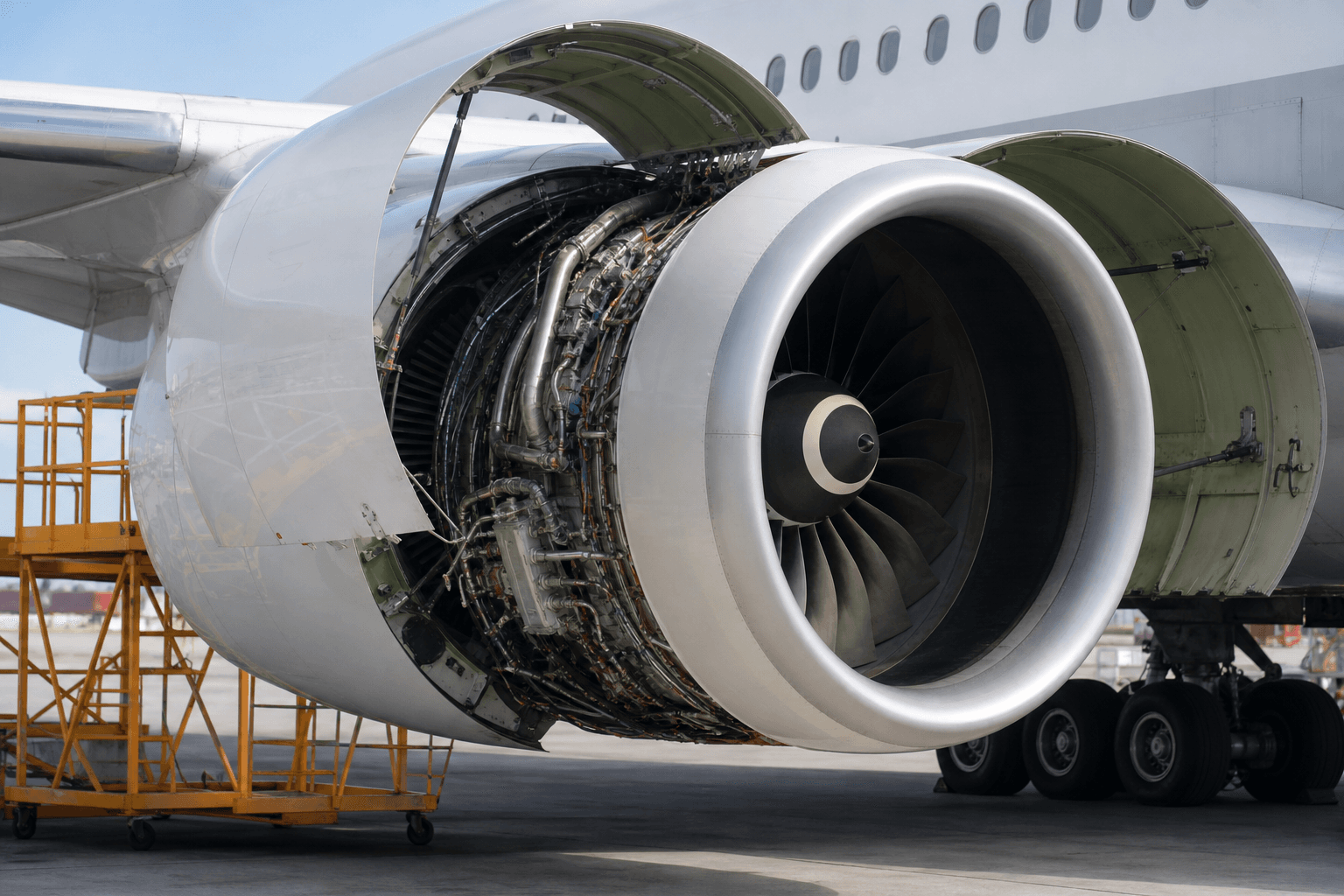
Rolls-Royce and GE Engine Designs Diverge Amid Widebody Market Duopoly
GE Aerospace and Rolls-Royce (RR) currently dominate the large widebody engine market , although RR also wants to challenge GE once again in the massive narrowbody engine market. These are two of the largest Original Engine Manufacturer giants in the commercial sector, along with Pratt & Whitney and Safran.
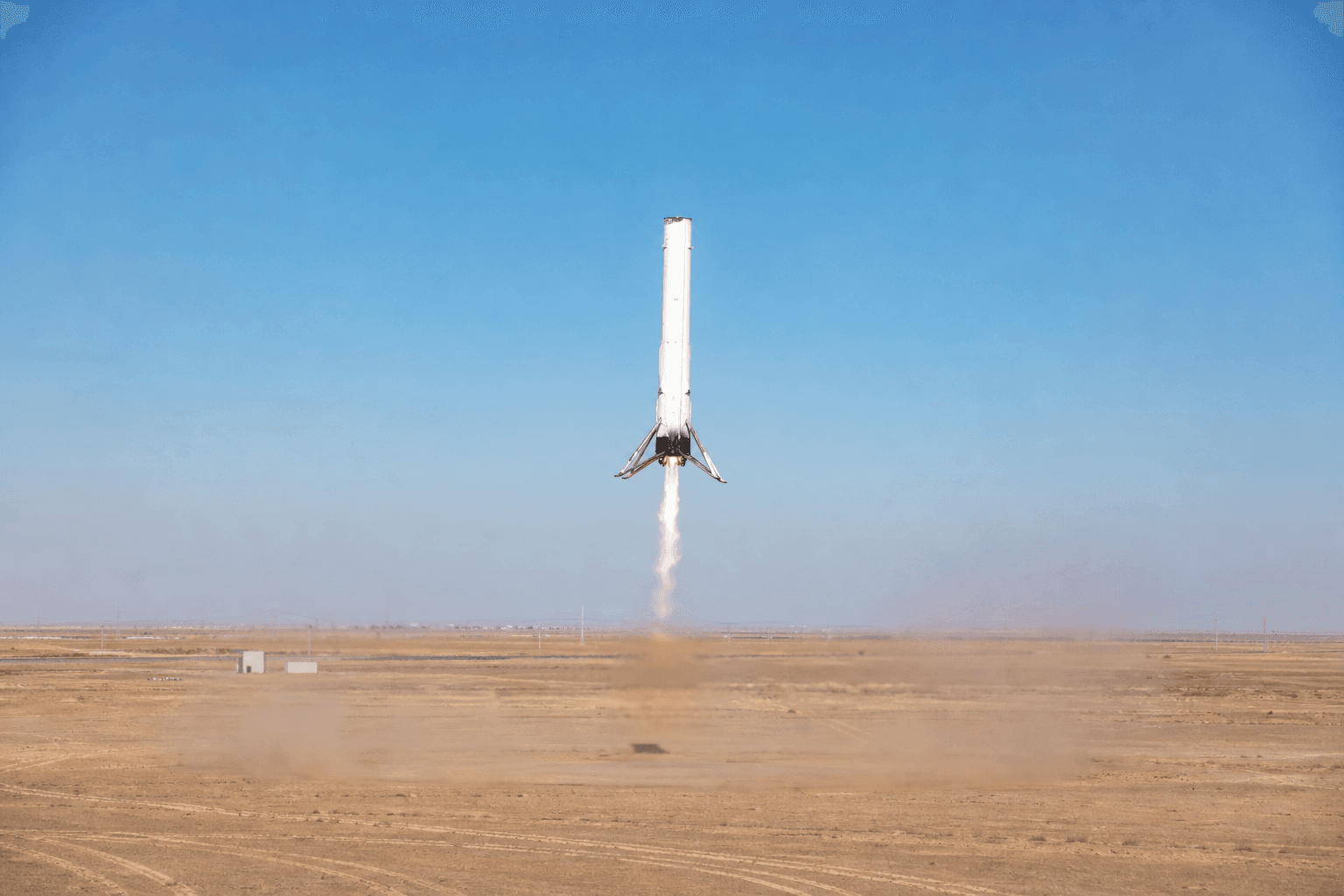
China's LandSpace achieves milestone with Zhuque-3 reusable rocket booster landing
SpaceX could face formidable new competition in the space launch market after China's LandSpace successfully landed the first stage of its Zhuque-3 rocket, becoming the first private Chinese company to recover an orbital-class booster using the same method as SpaceX's reusable Falcon 9 rocket. The Zhuque-3 lifted off from the Dongfeng Commercial Space Innovation Pilot Zone in northwestern China at 07:35 local time on August 19, 2026. After separating from its second stage, the booster reoriented itself, completed a reentry burn and descended toward a landing site in Minqin County in Gansu province, approximately 240 miles from the launch pad. The booster deployed its landing legs and touched down vertically nearly eight minutes after liftoff. "This mission marks China's first-ever successful recovery attempt of the first stage of an orbital-class launch vehicle using landing legs, and China's first successful booster recovery on land," LandSpace said in a statement. Video released by the company shows a gentle touchdown reminiscent of the technique SpaceX pioneered a over a decade earlier with the first successful Falcon 9 landings. The launch was the second flight of Zhuque-3 and LandSpace's second attempt to recover its first stage. The rocket reached orbit on its inaugural flight in December 2025, but an abnormal combustion event prevented the booster from completing its landing. LandSpace said it made several changes before the second flight, including revisions to the landing propulsion system, thermal protection and return-control software. The company also added a predicted-impact-point function to the rocket's autonomous flight termination system. Zhuque-3 uses nine methane-fueled engines on its first stage. Its stainless-steel construction and liquid methane and liquid oxygen propulsion system are intended to support repeated flights while reducing manufacturing and refurbishment costs. LandSpace says an expendable Zhuque-3 can carry as much as 14.2 metric tons to low Earth orbit. The company wants to fly each first stage as many as 20 times and plans to attempt the first reuse of a recovered booster within six months. The successful landing places LandSpace alongside both SpaceX and Blue Origin as the only private companies to have propulsively landed the booster of an orbital-class rocket. SpaceX first landed a Falcon 9 booster in December 2015 and has since made booster recovery and reuse a routine part of its launch operations. Blue Origin landed the first stage of its New Glenn orbital rocket for the first time in November 2025. SpaceX founder Elon Musk had not publicly commented on the successful landing as of August 20. In an October 2025 post on X, however, Musk said the Zhuque-3's combination of stainless-steel construction, methane propulsion and a Falcon 9-style architecture could enable it to eventually outperform Falcon 9. China completed its first recovery of an orbital-class booster in July 2026 during the inaugural flight of the state-developed Long March 10B. Instead of landing on legs, that stage was captured by cables stretched across an offshore platform. LandSpace, founded in 2015, had already claimed another first in commercial spaceflight, with its smaller Zhuque-2, which became the first methane-fueled rocket to reach orbit in July 2023. The company is seeking to raise 7.5 billion yuan, or approximately $1.1 billion, through an initial public offering in Shanghai. It plans to use the funding to expand development and production of reusable launch vehicles in its quest to compete in the commercial space launch market.
The Daily Touch & Go
The day's best aviation news in your inbox. Free, no spam.