

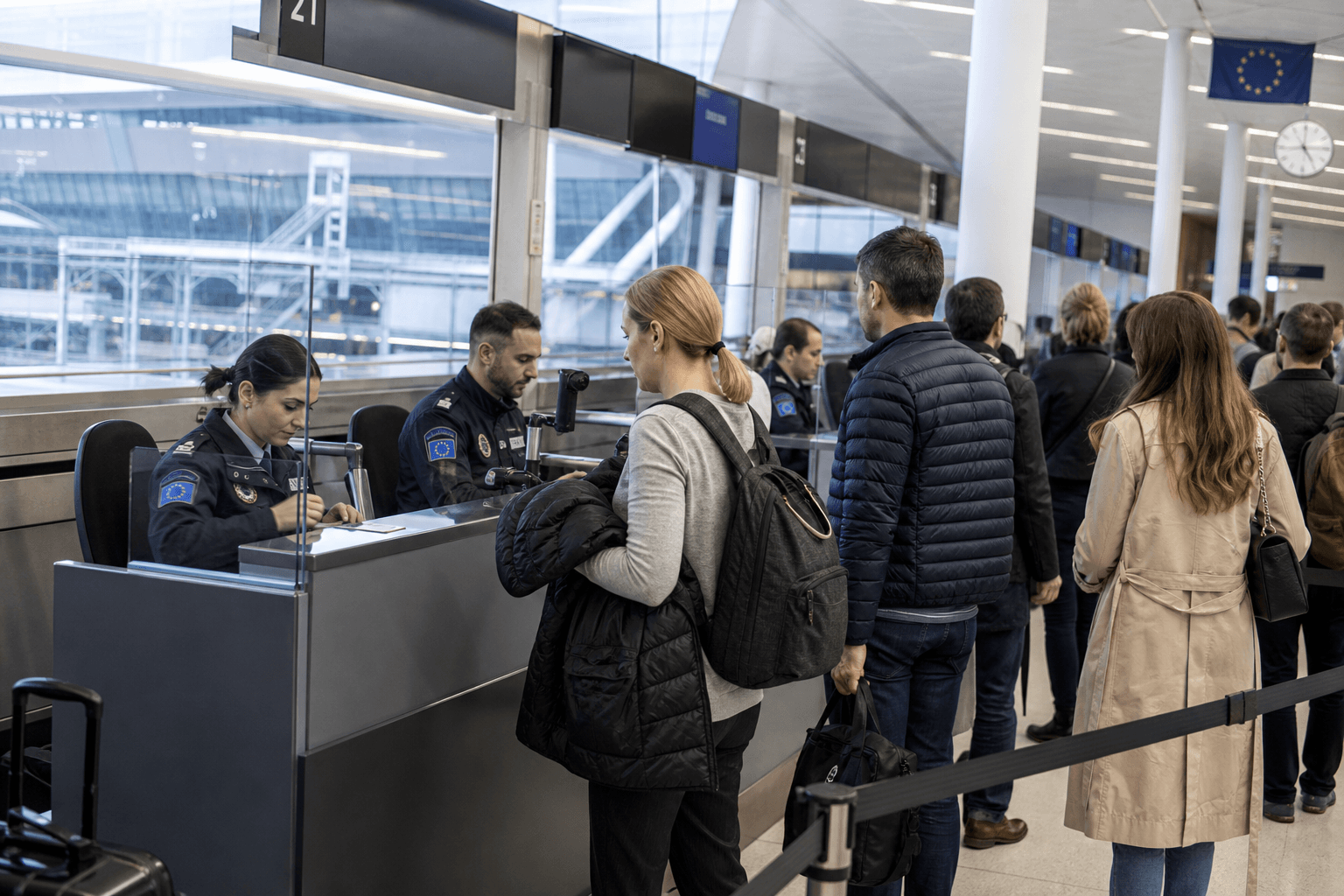
Illustration: The Touch & Go
EU to meet airlines and airports over summer chaos fears from Entry/Exit System
European Commission calls urgent talks to address severe delays and operational disruption caused by the EU's new biometric border checks during peak travel months.
The gist
EU officials will meet industry reps urgently to resolve long queues and flight disruptions from the new Entry/Exit System at EU borders this summer.
Continuing coverage
All Summer Travel →- Heathrow Logs Busiest Day of 2026 with 267,000 Passengers Amid Summer Holiday Rush
- Birmingham Airport Prepares for Record-Breaking Summer with 2.5 Million Passengers Expected
- Exploring South Tyrol: A Stunning Dolomites Destination with Rich Culture and Cuisine
- Pilots Gear Up for Summer with Essential Pre-Trip Aircraft Maintenance Tips
The European Commission has scheduled an urgent meeting with airline and airport representatives amid growing concerns over severe congestion linked to the EU’s Entry/Exit System (EES) at border controls. The talks come after a joint letter from aviation trade groups called on the Commission to permit temporary suspension of EES during July and August if passenger queues become unmanageable, citing risks to operations and traveler experience during the busy summer season. The letter was addressed directly to Commission President Ursula von der Leyen, emphasizing the urgency of intervention before conditions worsen.
Since the full implementation of EES in April, which requires non-EU nationals entering the Schengen zone to provide biometric data, airports and airlines have encountered significantly longer wait times. Trade associations ACI Europe, Airlines for Europe (A4E), and IATA report queues reaching up to five hours during peak periods, despite member states leveraging permitted flexibility to suspend biometric data collection temporarily through early September. Nevertheless, these measures have only partially alleviated congestion and have failed to prevent disruption to airport and airline operations.
The aviation sector’s chief demand is immediate operational flexibility allowing border control authorities in any member state to suspend EES whenever passenger volumes surpass border processing capacity. This preventive suspension is sought at least throughout July and August to manage summer holiday travel effectively. Additionally, a permanent mechanism for operational flexibility is requested by September to ensure ongoing adaptability to fluctuating passenger flows and infrastructure constraints beyond the peak period.
In response, a Commission spokesperson affirmed that a prompt reply to the industry letter is forthcoming. Officials reiterated that member states must ensure adequate resources and infrastructure, including staffed border guard posts and automated border control technologies, to minimize traveler impact. The Commission stressed that the gradual rollout of EES began in October 2025 after all states had declared readiness and that endeavors continue to limit delays affecting travelers outside the EU.
The EES replaces manual passport stamping with biometric collection to enhance security and facilitate legitimate travel while preventing irregular entry. However, operational challenges have emerged due to the increased processing time required and occasional technical issues, leading to passenger complaints and missed flights. Major airports—including Tenerife South, Palma, Alicante, Malaga, Milan Bergamo, Krakow, and Paris Beauvais—are reportedly witnessing significant disruptions attributable to these new border control procedures.
Leading airlines like Ryanair have publicly called for suspension of EES enforcement during the summer rush to protect passengers and mitigate airport operational stress. Ryanair’s chief operations officer Neal McMahon highlighted the widespread passport queue chaos impacting family holidaymakers and urged European governments to delay EES implementation until September. This aligns closely with the broader industry plea for the Commission to provide regulatory relief and flexibility in border management.
The EES initiative is central to the EU’s strategy to bolster external border security through biometric verification while streamlining passenger processing. The current challenges underscore the complexity of balancing robust security measures with efficient passenger flow in high-demand travel periods. Ensuring sufficient operational capacity, both human and technological, remains a pressing responsibility for member states to fulfill the system’s security and facilitation aims.
This upcoming meeting between the European Commission and aviation stakeholders is crucial for negotiating practical solutions to alleviate summer travel disruptions caused by EES. The outcome will directly impact airport operations and passenger experience during one of the busiest periods of the year. How member states balance security imperatives with operational realities will set a precedent for handling biometric border controls under high-volume conditions going forward.
Read more
All Airlines →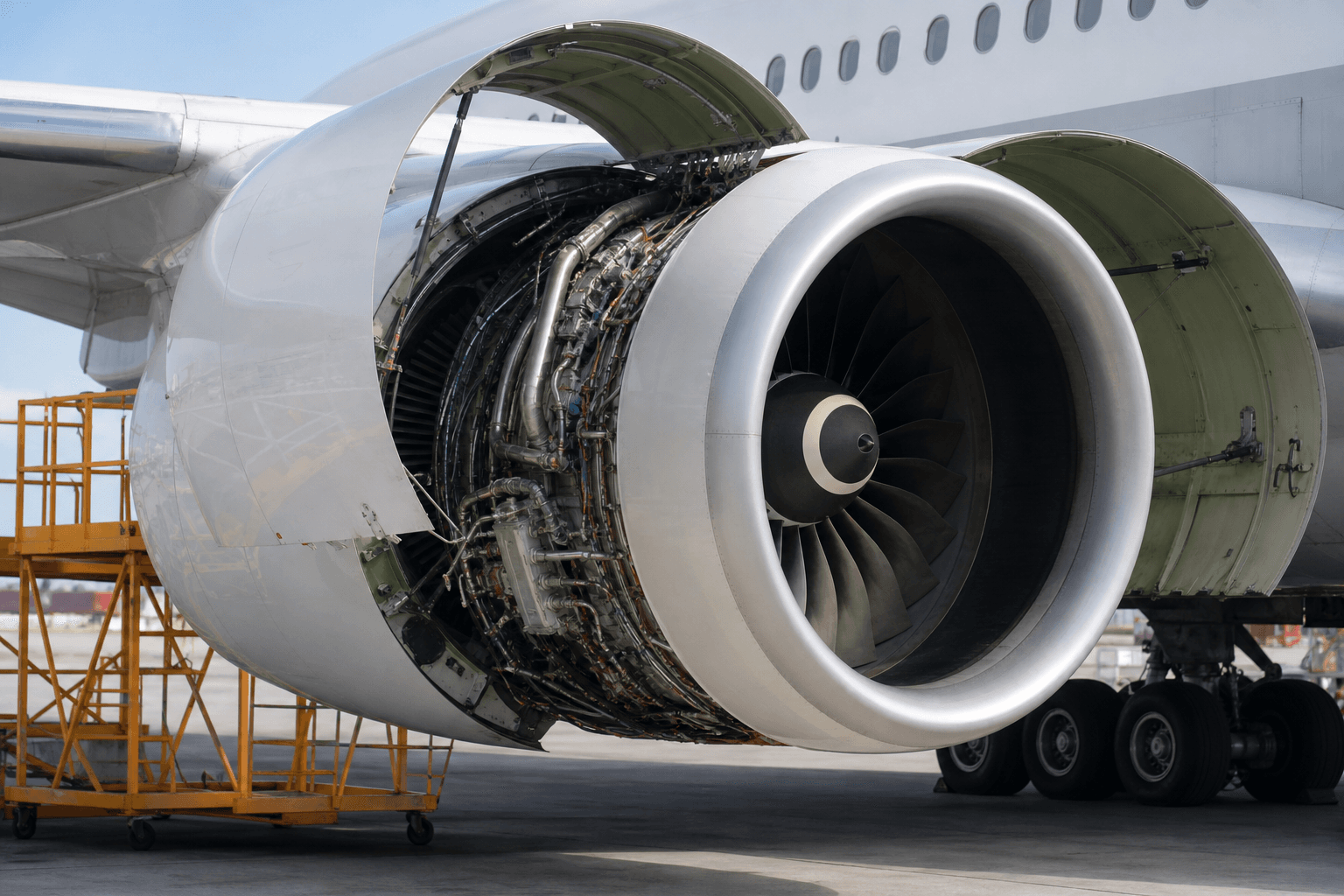
Rolls-Royce and GE Engine Designs Diverge Amid Widebody Market Duopoly
GE Aerospace and Rolls-Royce (RR) currently dominate the large widebody engine market , although RR also wants to challenge GE once again in the massive narrowbody engine market. These are two of the largest Original Engine Manufacturer giants in the commercial sector, along with Pratt & Whitney and Safran.
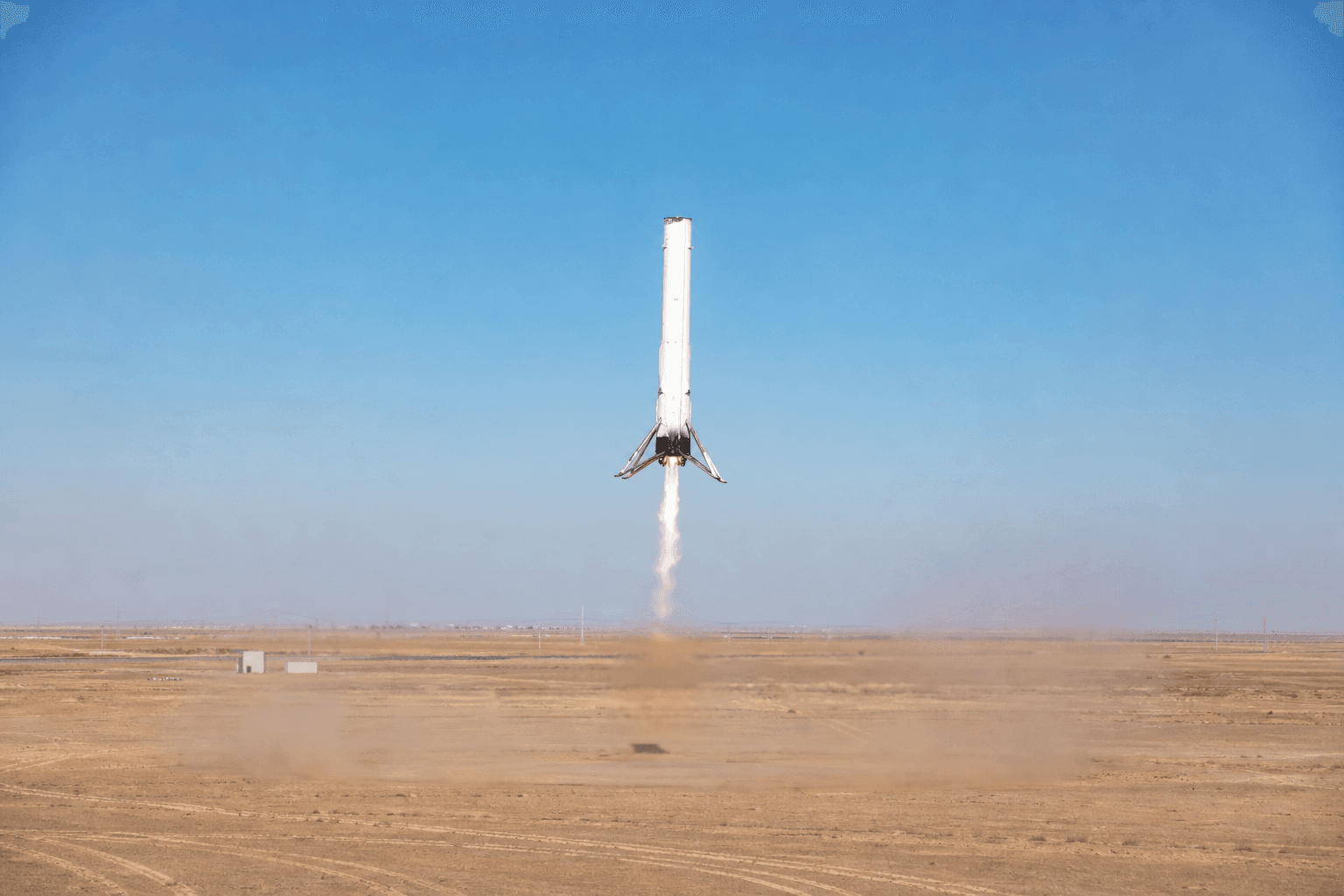
China's LandSpace achieves milestone with Zhuque-3 reusable rocket booster landing
SpaceX could face formidable new competition in the space launch market after China's LandSpace successfully landed the first stage of its Zhuque-3 rocket, becoming the first private Chinese company to recover an orbital-class booster using the same method as SpaceX's reusable Falcon 9 rocket. The Zhuque-3 lifted off from the Dongfeng Commercial Space Innovation Pilot Zone in northwestern China at 07:35 local time on August 19, 2026. After separating from its second stage, the booster reoriented itself, completed a reentry burn and descended toward a landing site in Minqin County in Gansu province, approximately 240 miles from the launch pad. The booster deployed its landing legs and touched down vertically nearly eight minutes after liftoff. "This mission marks China's first-ever successful recovery attempt of the first stage of an orbital-class launch vehicle using landing legs, and China's first successful booster recovery on land," LandSpace said in a statement. Video released by the company shows a gentle touchdown reminiscent of the technique SpaceX pioneered a over a decade earlier with the first successful Falcon 9 landings. The launch was the second flight of Zhuque-3 and LandSpace's second attempt to recover its first stage. The rocket reached orbit on its inaugural flight in December 2025, but an abnormal combustion event prevented the booster from completing its landing. LandSpace said it made several changes before the second flight, including revisions to the landing propulsion system, thermal protection and return-control software. The company also added a predicted-impact-point function to the rocket's autonomous flight termination system. Zhuque-3 uses nine methane-fueled engines on its first stage. Its stainless-steel construction and liquid methane and liquid oxygen propulsion system are intended to support repeated flights while reducing manufacturing and refurbishment costs. LandSpace says an expendable Zhuque-3 can carry as much as 14.2 metric tons to low Earth orbit. The company wants to fly each first stage as many as 20 times and plans to attempt the first reuse of a recovered booster within six months. The successful landing places LandSpace alongside both SpaceX and Blue Origin as the only private companies to have propulsively landed the booster of an orbital-class rocket. SpaceX first landed a Falcon 9 booster in December 2015 and has since made booster recovery and reuse a routine part of its launch operations. Blue Origin landed the first stage of its New Glenn orbital rocket for the first time in November 2025. SpaceX founder Elon Musk had not publicly commented on the successful landing as of August 20. In an October 2025 post on X, however, Musk said the Zhuque-3's combination of stainless-steel construction, methane propulsion and a Falcon 9-style architecture could enable it to eventually outperform Falcon 9. China completed its first recovery of an orbital-class booster in July 2026 during the inaugural flight of the state-developed Long March 10B. Instead of landing on legs, that stage was captured by cables stretched across an offshore platform. LandSpace, founded in 2015, had already claimed another first in commercial spaceflight, with its smaller Zhuque-2, which became the first methane-fueled rocket to reach orbit in July 2023. The company is seeking to raise 7.5 billion yuan, or approximately $1.1 billion, through an initial public offering in Shanghai. It plans to use the funding to expand development and production of reusable launch vehicles in its quest to compete in the commercial space launch market.
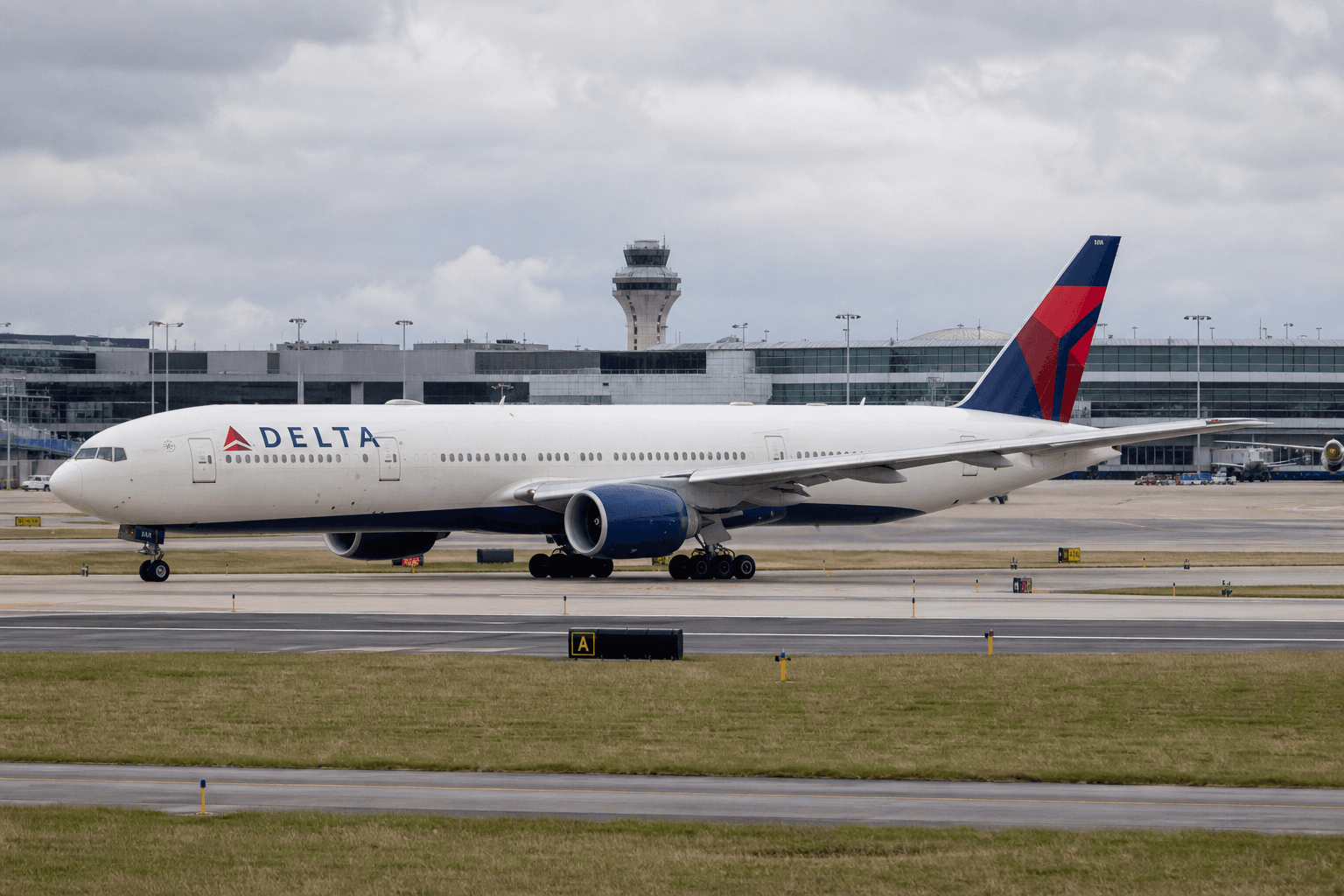
Delta CEO Aims for Elite Global Status, But Operational Issues Undermine Claims
Ed Bastian wants Delta mentioned with Singapore Airlines and the best Asian and Middle Eastern carriers. Delta has a brand, but product consistency and service still fall short and once-vaunted reliabiltiy has faltered.
Lufthansa debuts Starlink internet on Airbus A320neo flight from Frankfurt to Rome
A mainline Lufthansa A320neo equipped with the satellite internet technology flew from Frankfurt to Rome.
The Daily Touch & Go
The day's best aviation news in your inbox. Free, no spam.