

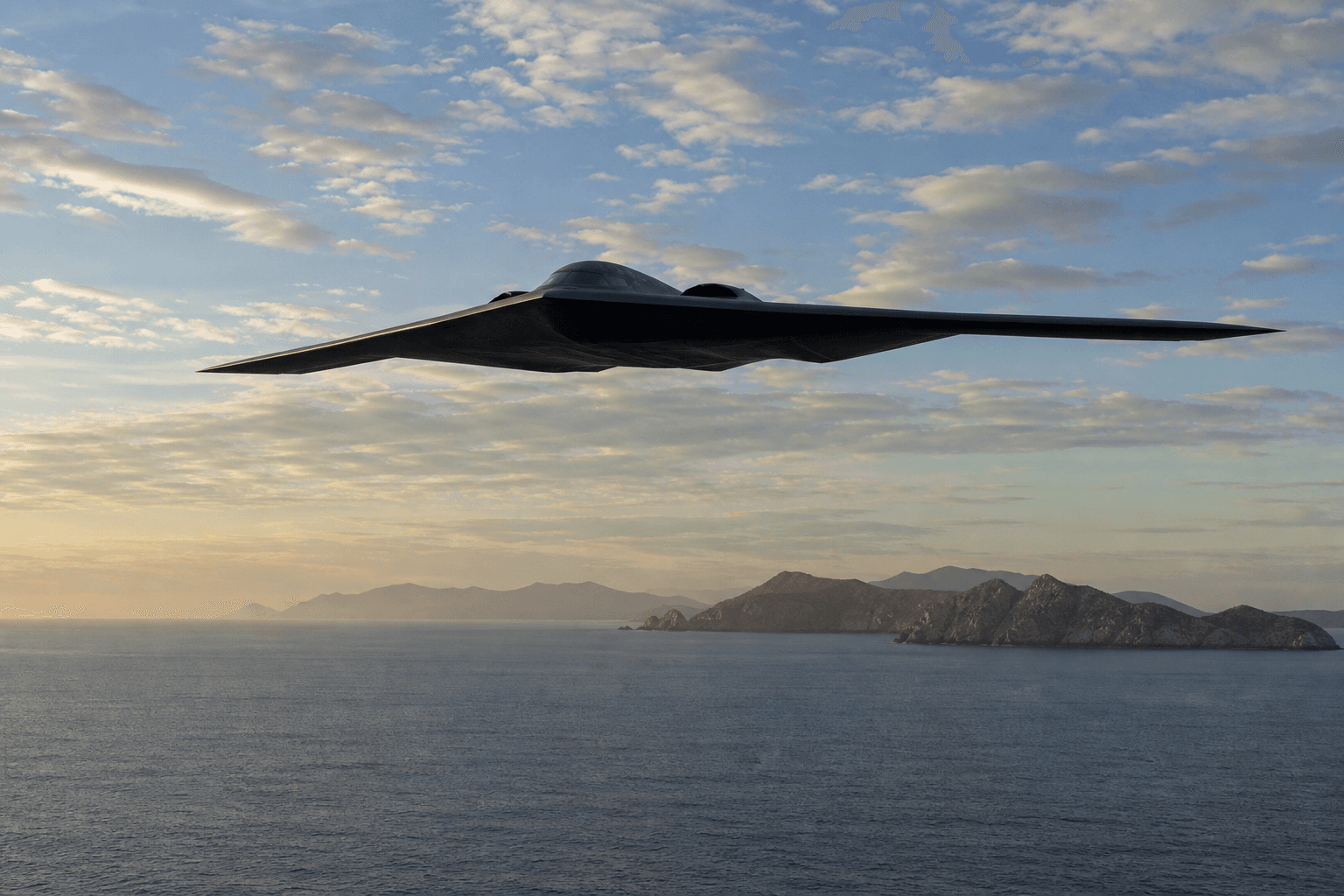
Illustration: The Touch & Go
B-2 Stealth Bomber Achieves Live-Fire Success with LRASM in Pacific Drill
A USAF Northrop Grumman B-2 stealth bomber successfully launched a Lockheed Martin AGM-158C LRASM targeting exercise in the Pacific, demonstrating enhanced anti-ship strike capabilities amid rising regional tensions.
The gist
USAF B-2 bomber fires AGM-158C LRASM successfully in Pacific exercise, enhancing long-range anti-ship combat readiness.
A Northrop Grumman B-2 Spirit stealth bomber conducted a successful live-fire test with the Lockheed Martin AGM-158C Long-Range Anti-Ship Missile (LRASM) during a sinking exercise north of the Mariana Islands, the US Air Force announced. This operation underscores the expanding capability of U.S. forces to project power across the Indo-Pacific region amid increasing maritime competition.
The B-2, designed primarily for penetrating sophisticated air defenses and strategic strike, demonstrated its versatility by integrating the LRASM, a precision-guided missile capable of engaging heavily defended naval targets at extended ranges. This sweetening of the bomber’s armament profile complements existing air-launched anti-ship options and extends the reach against maritime adversaries.
This live-fire event forms part of a broader U.S. military push to counter China’s naval expansion in the region. The LRASM was developed specifically to enhance anti-ship lethality while reducing reliance on GPS, combining radar and infrared homing for improved target discrimination and survivability in contested environments.
The success of the LRASM integration into a stealth platform like the B-2 signals a significant evolution in long-range strike doctrine, marrying stealth and precision strike. It highlights the Air Force’s commitment to maintaining technological advantage in the Indo-Pacific, where control of sea lanes is strategically vital.
Looking ahead, this test marks a key milestone that will likely prompt further development and deployment of advanced anti-ship weapons on strategic bombers. It also sends a clear message of deterrence, as the U.S. bolsters its capability to neutralize distant maritime threats with cutting-edge technology and stealth platforms.
Read more
All Military/Defense →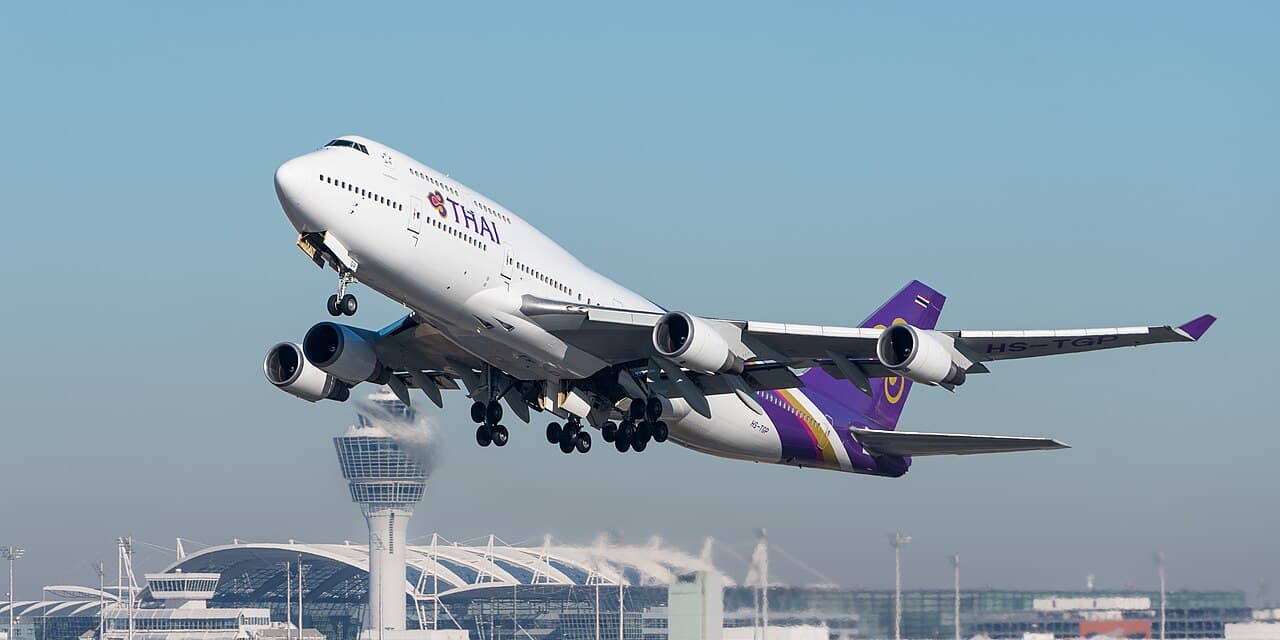
President Trump Makes First Flight Aboard New VC-25B Air Force One to North Dakota
The new Air Force One ferried the president from Washington, DC to North Dakota. US President Donald Trump has logged the first executive flight aboard the US Air Force’s newest Air Force One presidential jet. Trump boarded the aircraft at Joint Base Andrews outside of Washington, DC on 1 July and flew to Bismarck Municipal…
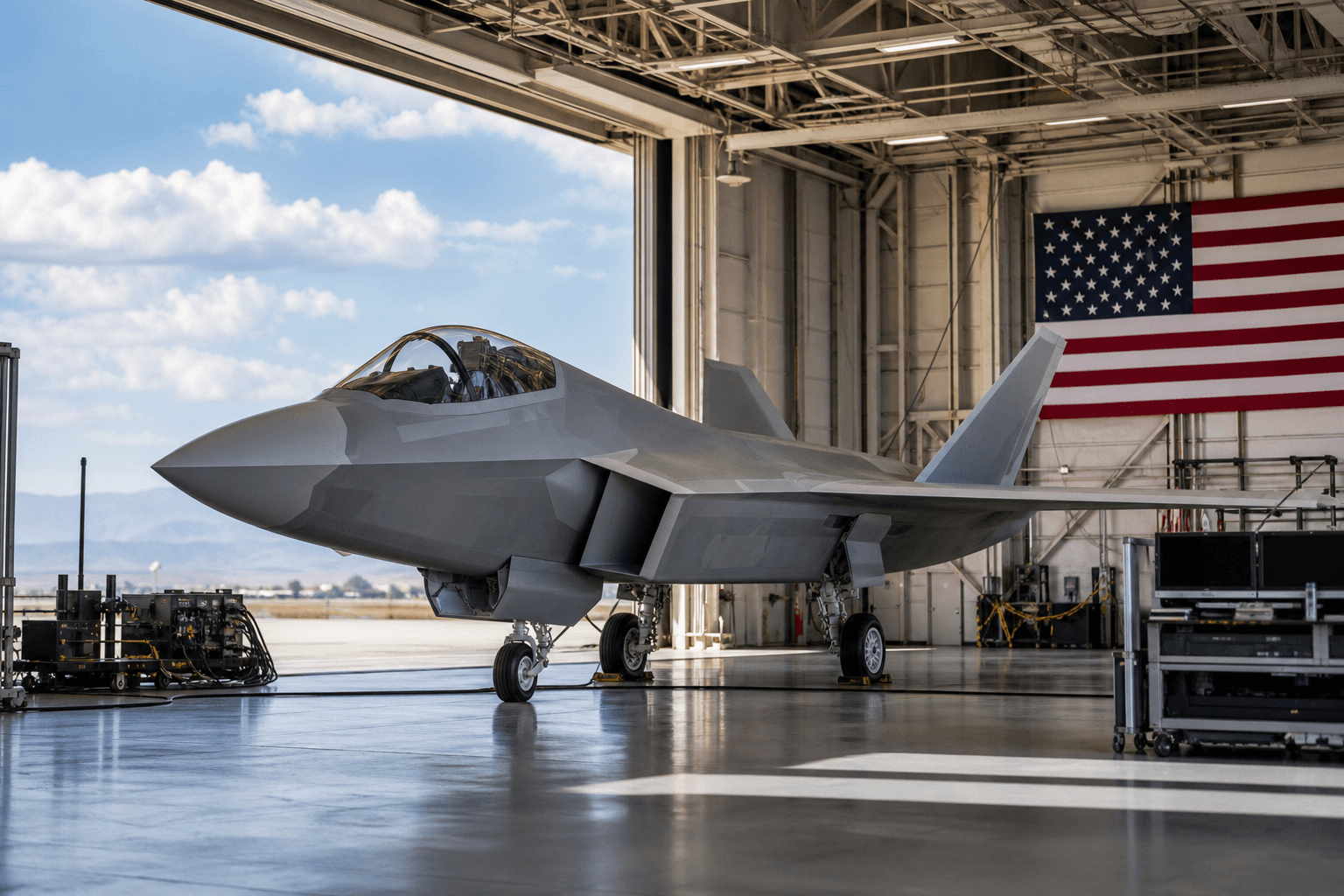
US Remains One of Few Nations Capable of Solo 6th-Generation Fighter Development
US and China are perhaps the only countries with the industrial base and funding to feasibly go it alone and develop a fullyfledged 6th-gen fighter.
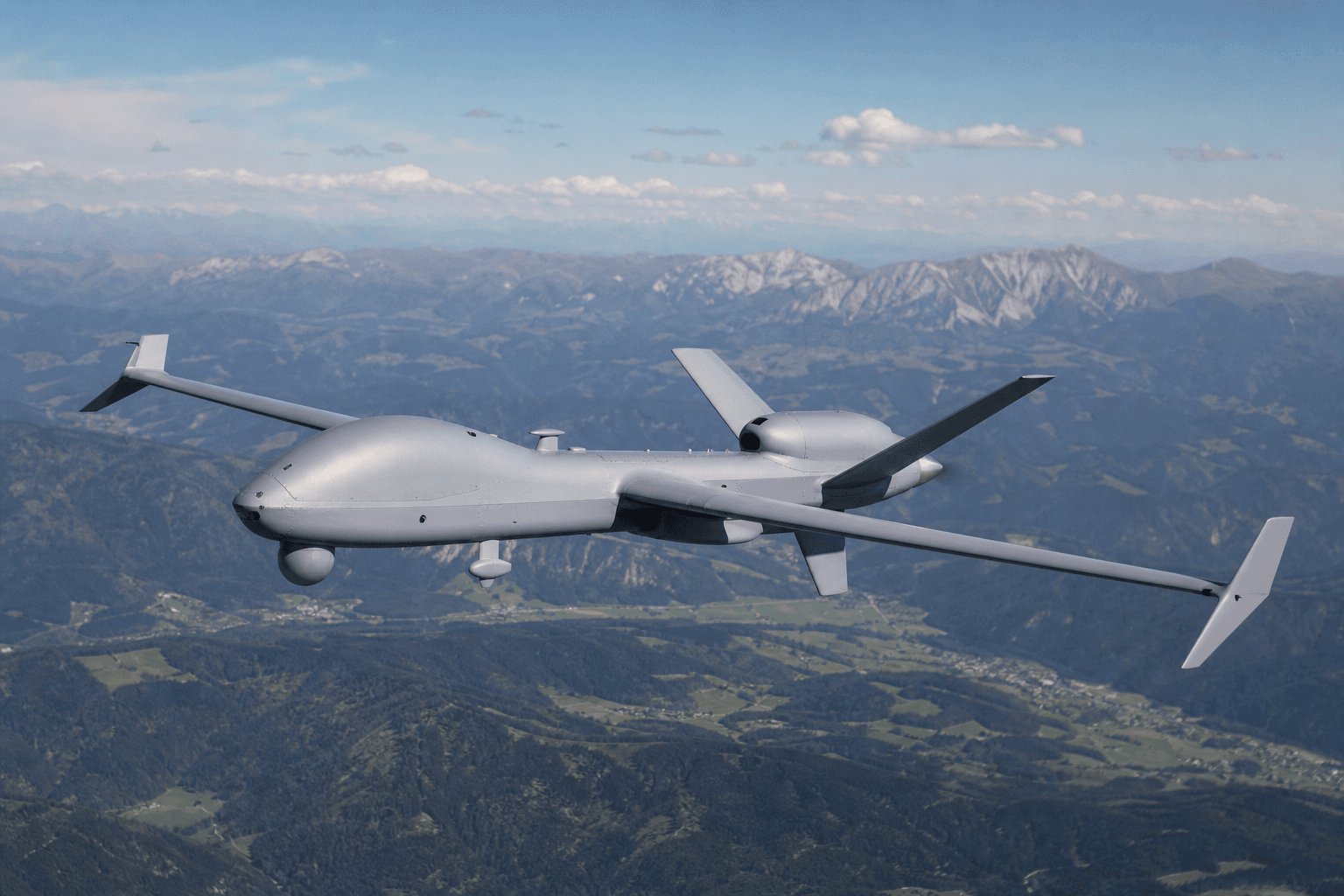
Finland and Estonia join forces with NestAI to develop AI for unmanned defense systems
Finland's Ministry of Defense, the Estonian Defense Forces, and the European defense AI lab NestAI signed a letter of intent…
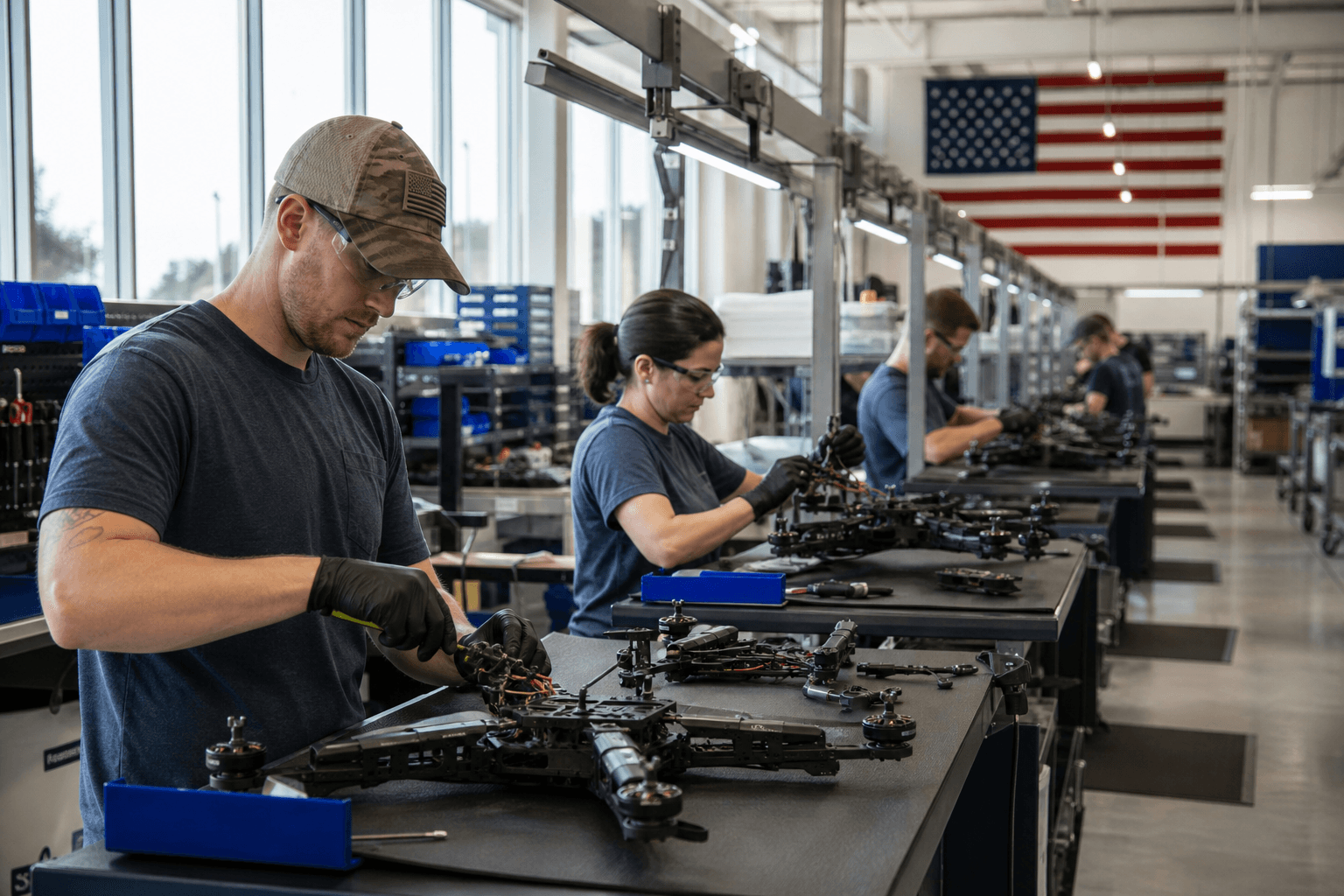
F-Drones Launches First US Military Drone Production Line as Ukraine's Export Pioneer
F-Drones is the first Ukrainian producer authorised by Kyiv to export its uncrewed weapons to the US military. For the first time, a Ukrainian manufacturer of military drones is establishing a production line in the United States. F-Drones specialises in assembling the small, first-person view (FPV) quadcopters that have become ubiquitous with the more than…
The Daily Touch & Go
The day's best aviation news in your inbox. Free, no spam.