


Illustration: The Touch & Go
Tragic End of TNFlygirl Highlights Hidden Risks of Flying for Social Media
The fatal 2023 crash of pilot Jenny Blalock, known as TNFlygirl, brings attention to the dangers aviators face when combining flying with online content creation.
The gist
Pilot Jenny Blalock’s 2023 crash tragicly exposes risks of flying while pursuing social media fame.
Continuing coverage
All Social Media →In 2023, pilot Jenny Blalock, widely known by her social media handle TNFlygirl, died in a fatal aircraft accident, a tragic event that has brought focus to the hazards of combining aviation with online content creation. Blalock’s online presence built a reputation for promoting aviation through social media platforms, sharing videos and insights from her flying experiences.
Based in Knoxville, Tennessee, Blalock was a familiar figure to local aviators and enthusiasts. The area is home to numerous general aviation activities, and pilots there commonly fly aircraft such as the Cessna 180. Many in the local community, including those who frequent Cincinnati-Lunken Field (KLUK) and fly alongside pilots like Blalock, have taken note of the pressures that can come with maintaining an active social media persona.
Flying for the camera imposes additional operational challenges on pilots, who must maintain full situational awareness while coordinating shots or engaging with recording equipment. The demands of managing in-flight filming alongside standard piloting duties increase workload and raise safety concerns. These risks have become part of a broader conversation within the aviation community, given the rise of content creators who combine their flights with media production.
Blalock was not alone in attempting to bridge aviation and social media. Many pilots utilize platforms to educate, entertain, or promote aviation, but the tragic outcome in her case underscores how these activities can contribute to elevated risk. Pilots flying for content creation must balance their responsibilities carefully to avoid distractions that could compromise safety.
The Knoxville area, with its active pilot community and available training resources, sees frequent use of small tailwheel aircraft, including the Cessna 180, which are popular for their versatility and classic design. These planes often feature in aviation content due to their traditional flight characteristics and photogenic appeal, but operating these aircraft safely requires considerable skill, especially when multitasking with filming.
The loss of Jenny Blalock has prompted renewed discussions about safety protocols when flying for media and the importance of thorough risk assessments. Aviation organizations and flight instructors emphasize that additional flight duties, such as recording or interacting with cameras, should be carefully planned and practiced, with prioritization of flight safety above all else.
Her death represents a somber milestone and a cautionary tale within the aviation sector. It serves as a reminder that while social media offers pilots new avenues to share their passion, the fundamental principles of disciplined airmanship cannot be neglected. Safety culture must adapt to address these emerging challenges and educate pilots about the risks of distraction.
Both general aviation pilots and regulatory bodies continue to examine how best to approach flight operations involving recording devices, balancing creative expression and public engagement with stringent safety standards. The dialogue is ongoing about how to mitigate accident risks associated with in-flight filming and social media activities.
As the aviation community reflects on Blalock’s legacy, many pilots are considering procedural updates and advocating for enhanced training to manage the specific risks of flying while filming. This evolution in pilot education aims to prevent future tragedies by encouraging pilots to maintain focus on flight safety even amid the growing demands of content creation.
Read more
All Aviation Safety →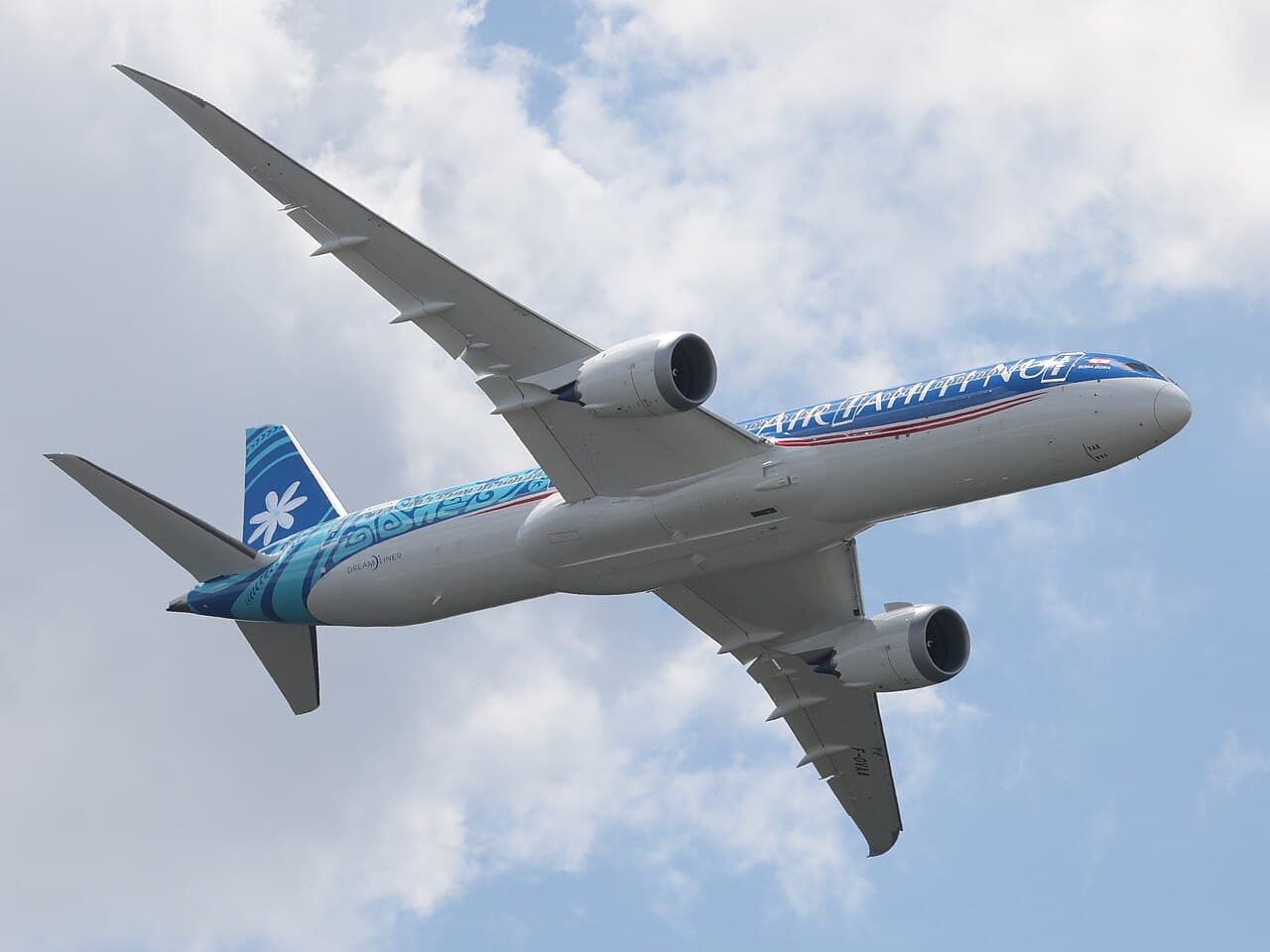
Vietnam Airlines B787-9 Overruns Munich Runway with Late Rotation, Sustains Gear Damage
A Vietnam Airlines Boeing 787-9, registration VN-A867, operating flight VN34 from Munich to Hanoi , encountered a significant takeoff performance issue on 15 August 2026. The aircraft rotated extremely late on Runway 26L and became airborne near or beyond the runway end. ezstandalone.cmd.push(function () { ezstandalone.showAds(119); }); Takeoff Sequence The 787-9 commenced its takeoff roll on Munich’s 4,000-metre runway 26L. Ground footage shows the main landing gear remaining in contact until the final portion of the pavement. A large dust cloud rose as the aircraft lifted off. Preliminary reports from aviation sources indicate a late rotation accompanied by a tailstrike. The aircraft appears to have overrun the paved surface by approximately 120 metres. It then became airborne in the grass near the first row of approach lights and reportedly damaged runway edge lighting. ezstandalone.cmd.push(function () { ezstandalone.showAds(127); }); Immediate Crew Response After becoming airborne, the crew levelled off around 9,000–10,000 feet and entered a holding pattern in the Munich area. The aircraft was fuelled for the long-haul sector and therefore above maximum landing weight. The crew initiated fuel jettison and burned fuel for roughly 90 minutes to two hours. They also reported a tyre-pressure indication. Before committing to landing, the crew conducted one or more low approaches over Runway 26R, allowing ground personnel to visually assess the underside and tail section. ezstandalone.cmd.push(function () { ezstandalone.showAds(128); }); Vietnam Airlines Boeing 787-9 Dreamliner reportedly overruns the runway during take-off from Munich. The aircraft is currently on approach to the airport after holding. Video: MunichAviation pic.twitter.com/qqbWSV2jrN — Breaking Aviation News & Videos (@aviationbrk) August 15, 2026 Landing and Aircraft Condition The aircraft landed safely on Runway 26R. Multiple tyres on the left main gear failed or shredded during the landing roll, and the left main gear was observed trailing smoke. The aircraft became temporarily disabled on the runway and required towing. Airport rescue and firefighting services responded as a precaution. ezstandalone.cmd.push(function () { ezstandalone.showAds(129); }); Outcome and Investigation No injuries were reported among passengers or crew. Vietnam Airlines confirmed that the flight returned due to a technical issue, that standard procedures were followed, and that all occupants are safe. Munich Airport confirmed the extended takeoff roll and subsequent landing-gear and tyre damage. Germany’s Federal Bureau of Aircraft Accident Investigation (BFU) is examining the event. The precise cause — whether related to takeoff performance calculation, aircraft configuration, or another factor — remains under investigation. ezstandalone.cmd.push(function () { ezstandalone.showAds(130); }); Further technical details are expected once the formal investigation progresses.
Fire Breaks Out in British Airways Luggage Container at Milan Malpensa, Lithium Battery Suspected
What to Know A fire broke out in a luggage container moments before it was due to be loaded onto a British Airways flight at Milan Malpensa, with a lithium battery suspected as the cause. In This Article Why a lithium battery is suspected as the case and what makes this so dangerous. How this incident echoes the 2025 Air Busan fire that destroyed an Airbus A321 after a power bank ignited in an overhead bin. The new power bank rules BA introduced earlier this year, including a ban on storing them in overhead lockers. Why fire-resistant cargo containers don’t always stop a lithium battery fire from spreading. Show 4 more points + .pyok-callout { display: flex; border-radius: 0; background: #f7f9fc; margin: 24px 0; font-family: -apple-system, BlinkMacSystemFont, "Helvetica Neue", Arial, sans-serif; } .pyok-callout-inner { padding: 20px 24px; width: 100%; } .pyok-callout-head { margin-bottom: 12px; } .pyok-callout-tag { font-size: 20px; font-weight: 900; letter-spacing: 0.04em; text-transform: uppercase; color: #120E43; } .pyok-callout-list { margin: 0; padding: 0; list-style: none; } .pyok-callout-list li { position: relative; padding-left: 18px; margin-bottom: 12px; font-size: 17px; line-height: 1.55; color: #1a1a1a; } .pyok-callout-list li::before { content: ""; position: absolute; left: 0; top: 9px; width: 6px; height: 6px; border-radius: 50%; background: #120E43; } .pyok-callout-list-more li:last-child { margin-bottom: 0; } .pyok-callout-subhead { text-align: center; font-size: 11px; font-weight: 700; letter-spacing: 0.1em; text-transform: uppercase; color: #8a93a3; margin: 22px 0 14px; padding-top: 14px; border-top: 1px solid #e1e7ef; } .pyok-callout-more { max-height: 0; overflow: hidden; transition: max-height 0.35s ease; } .pyok-callout-toggle { display: inline-flex; align-items: center; gap: 6px; margin-top: 10px; padding: 0; border: none; background: none; color: #120E43; font-size: 14px; font-weight: 700; cursor: pointer; } .pyok-callout-toggle:hover { text-decoration: underline; } .pyok-callout-toggle-icon { display: inline-flex; align-items: center; justify-content: center; width: 16px; height: 16px; border: 1.5px solid #120E43; border-radius: 0; font-size: 12px; line-height: 1; } (function () { document.querySelectorAll('.pyok-callout-toggle').forEach(function (btn) { btn.addEventListener('click', function () { var card = btn.closest('.pyok-callout-inner'); var more = card.querySelector('[data-more]'); var isOpen = btn.getAttribute('aria-expanded') === 'true'; var textEl = btn.querySelector('.pyok-callout-toggle-text'); var iconEl = btn.querySelector('.pyok-callout-toggle-icon'); if (isOpen) { more.style.maxHeight = '0px'; btn.setAttribute('aria-expanded', 'false'); textEl.textContent = btn.dataset.moreText; iconEl.textContent = '+'; } else { more.style.maxHeight = more.scrollHeight + 'px'; btn.setAttribute('aria-expanded', 'true'); textEl.textContent = btn.dataset.lessText; iconEl.textContent = '\u2212'; } }); }); })(); A fire erupted in a luggage container just moments before it was due to be loaded in the cargo hold of a British Airways Airbus A321neo at Milan Malpensa International Airport on Sunday afternoon, once again highlighting the very real dangers that lithium batteries face when they are incorrectly packed in checked luggage. The fire was caught on camera by former BBC politics journalist Jon Sopel, who was waiting in the terminal building to board British Airways flight BA-585 from Milan to London Heathrow. Thick black smoke could be seen pouring out of the top of the luggage container, while orange flames flickered around the outside, as the fire quickly took hold. Ground workers watched in horror and quickly moved the other containers away to stop the fire spreading. Airport fire trucks rushed to the scene, and firefighters started dousing the container down with water just moments after arriving at the gate. Aircraft Details Registration G-NEOT Aircraft Type Airbus A321neo Engines 2 x CFMI LEAP-1A32 Operator British Airways Route Milan Malpensa (MXP) to London Heathrow (LHR) Flight Number BA585 .pyok-callout { display: flex; border-radius: 0; background: #f7f9fc; margin: 24px 0; font-family: -apple-system, BlinkMacSystemFont, "Helvetica Neue", Arial, sans-serif; } .pyok-callout-inner { padding: 20px 24px; width: 100%; } .pyok-callout-head { margin-bottom: 12px; } .pyok-callout-tag { font-size: 20px; font-weight: 900; letter-spacing: 0.04em; text-transform: uppercase; color: #120E43; } .pyok-aircraft-list { margin: 0; padding: 0; } .pyok-aircraft-row { display: flex; justify-content: space-between; align-items: baseline; gap: 16px; padding: 10px 0; border-top: 1px solid #e1e7ef; } .pyok-aircraft-row:first-child { border-top: none; padding-top: 0; } .pyok-aircraft-row dt { font-size: 13px; font-weight: 700; text-transform: uppercase; letter-spacing: 0.04em; color: #8a93a3; margin: 0; flex-shrink: 0; } .pyok-aircraft-row dd { font-size: 16px; font-weight: 700; color: #1a1a1a; margin: 0; text-align: right; } @media (max-width: 420px) { .pyok-aircraft-row { flex-direction: column; align-items: flex-start; gap: 4px; } .pyok-aircraft-row dd { text-align: left; } } In a post on X, Sopel wrote: “Suspect this might delay BA585 out of Milan Malpensa. Glad I didn't check any bags.” In a follow-up post, Sopel added: “Video of fire on baggage container with luggage to be loaded onto BA585 just now at Milan Malpensa. Smart move to get the other containers out of the way before fire spread. If cause was lithium battery, glad fire was there and not on plane.” Video of fire on baggage container with luggage to be loaded onto BA585 just now at Milan Malpensa. Smart move to get the other containers out of the way before fire spread. If cause was lithium battery glad fire was there and not on plane pic.twitter.com/hlcleDC0Ak — Jon Sopel (@jonsopel) August 16, 2026 Despite the drama, the flight departed for London Heathrow later on Sunday, albeit with a delay of nearly two and a half hours. In a statement, a spokesperson for British Airways told us: “We’re aware of a small number of checked bags that were damaged by fire while on the ground at Milan Malpensa Airport. The incident was quickly dealt with, and there were no injuries or impact to any flights.” “We've been in contact with the small number of customers whose bags are affected to apologise and provide support. We are working closely with our partners, and an investigation is underway to establish the cause.” While the cause of the fire has not been confirmed, there is suspicion that a lithium battery, such as a power bank, may have been involved. Passengers have long been banned from placing power banks and other lithium batteries in checked luggage, although the message doesn’t always seem to get through. Lithium batteries are made up of lots of power cells, which can make them prone to something called ‘thermal runaway.’ When one cell overheats, it can quickly spread from one cell to the next until the entire battery bursts into flames. Once alight, it can be difficult to put out a lithium battery fire, although the risk is far greater if the battery is in the cargo hold of a plane, rather than taken onboard in the passenger cabin. Although there are automated extinguishing systems in the cargo hold, there is no guarantee that they would be effective against a ferocious lithium battery fire. But if the power bank is in the passenger cabin, a thermal runway can be quickly detected and dealt with by submerging it in water or placing it in a special fire containment bag. To make it easier to identify lithium batteries that are overheating, earlier this year, British Airways banned passengers from storing power banks in overhead lockers, saying that they had to be easily accessible for the duration of the flight. BA’s new policy is based on recommendations from the International Air Transportatio
Southwest Pilot Who Reported Cockpit Misconduct Faces Union Sanctions Demand
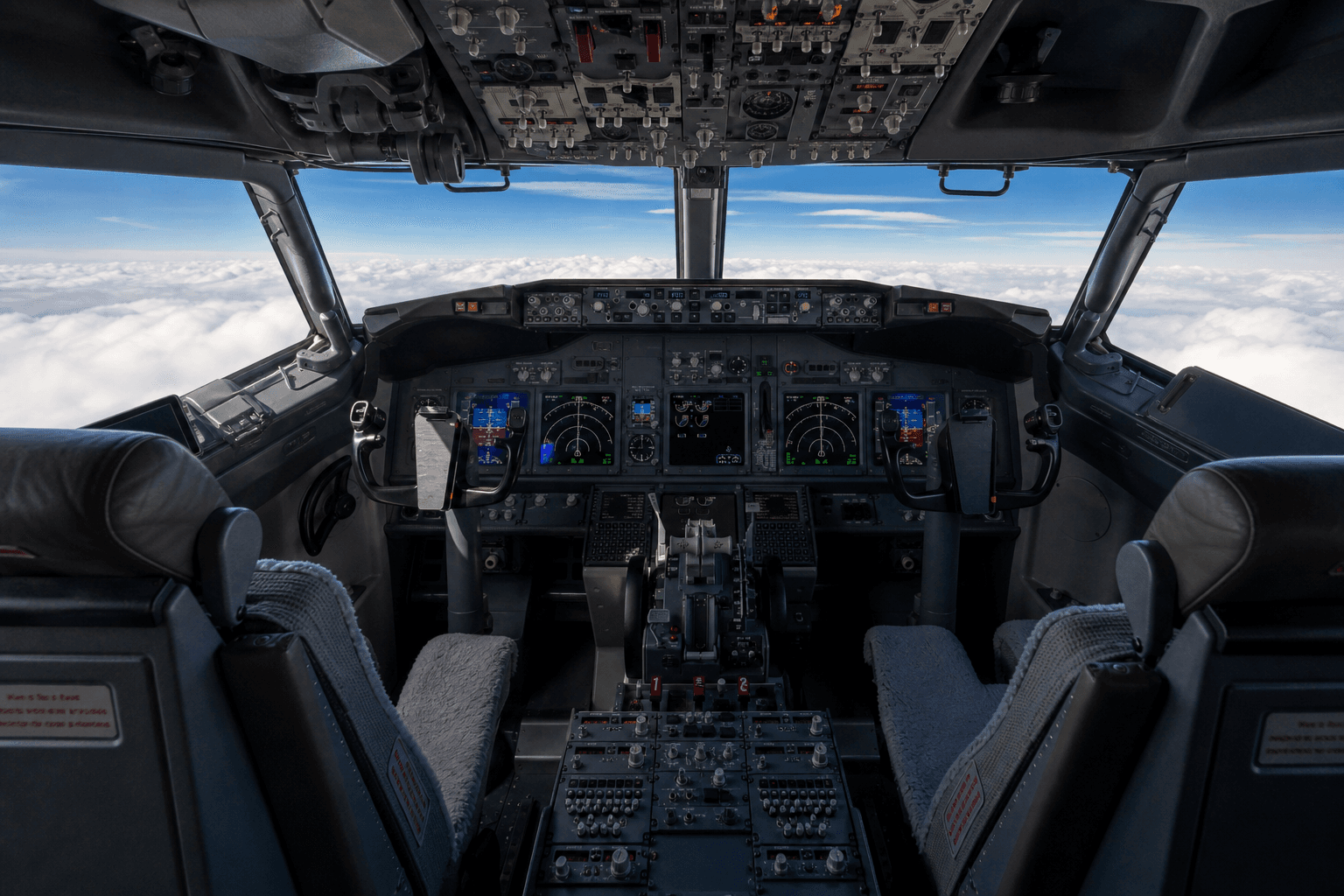
A Southwest captain pled guilty after exposing himself and watching porn in the cockpit during a flight to Orlando while his first officer continued flying the plane. Now, years into the first officer's lawsuit claiming Southwest and its pilots union retaliated against her for reporting the incident, the union is asking a court to sanction her and make her pay its legal fees.
Historic 1934 DH.88 Comet 'Grosvenor House' Crashes at Shuttleworth Airshow
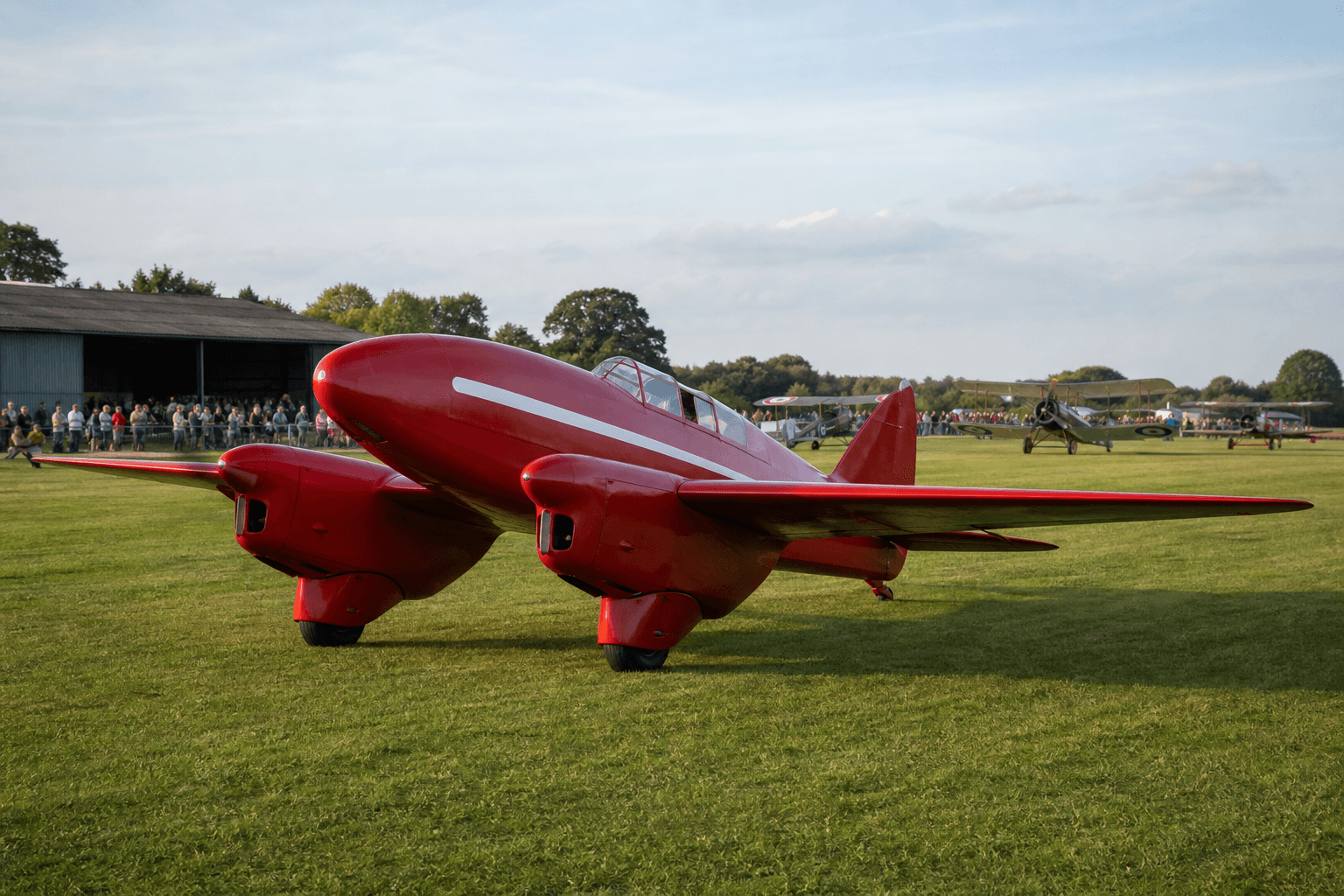
The de Havilland DH.88 Comet G-ACSS "Grosvenor House", the aircraft that won the 1934 MacRobertson England to Australia air race, overturned on landing at Old Warden aerodrome in Bedfordshire, United Kingdom, on August 15, 2026, sustaining extensive damage. The Shuttleworth Trust said the accident happened at approximately 19:20 local time during its Flying Proms air show, with one crew member on board. Emergency services extracted the pilot, who was responding at the scene and was taken to hospital for assessment. Shuttleworth later confirmed that the pilot was discharged from hospital. Nobody else was hurt. Bedfordshire Fire and Rescue Service sent crews from Sandy and Kempston to support the on-site fire service. The UK Air Accidents Investigation Branch, which has investigated several recent accidents involving historic aircraft in the UK , had not commented at the time of writing. An unfortunate incident occurred at the Shuttleworth evening airshow yesterday. The (notoriously tricky) DH -88 Grosvenor House crashed on landing.. Fortunately, the pilot suffered only minor injuries. pic.twitter.com/lgMV2c3nsp — Trev Clark's Obscure Aviation History (@clark_aviation) August 16, 2026 The only airworthy DH.88, and the MacRobertson winner De Havilland built five DH.88s, three of them for the 1934 race. Two survive. G-ACSP "Black Magic" has spent years under restoration, which leaves G-ACSS as the only airworthy example and the only one that actually won. Flown by Charles W. A. Scott and Tom Campbell Black, G-ACSS covered the Mildenhall to Melbourne course in 70 hours and 54 minutes. It was the first British aircraft to combine stressed-skin construction, a cantilever wing, retractable undercarriage, flaps, variable-pitch propellers and an enclosed cockpit in a single airframe, the design vocabulary de Havilland later carried into the Mosquito. The airframe has been rebuilt repeatedly since. Written off in Royal Air Force hands as K5084 and sold for scrap, it was rebuilt by Essex Aero, raced as "The Orphan" and set records as "The Burberry" before reaching the Shuttleworth Collection in 1965. A landing accident already grounded it for 12 years Restored with support from about 50 organizations, G-ACSS flew again on May 17, 1987, from Hatfield. That airfield closed in 1994 and the Comet went back to Old Warden by road, where the runway was initially too short to operate it. On October 28, 2002, after a test flight for its permit renewal, its undercarriage failed on landing. Investigators found that the legs as originally designed were liable to fail under certain conditions, and a modified structure had to be approved by the UK Civil Aviation Authority. The aircraft did not fly again until August 1, 2014. Shuttleworth has not said whether the damage is repairable. Operators of historic fleets typically suspend flying until a cause is established, as the Royal Air Force did with its Battle of Britain Memorial Flight Spitfires and Hurricanes . It is the second accident at Old Warden since May 30, 2026, when an Avro Triplane IV replica came down during the Wings and Wheels air show.
The Daily Touch & Go
The day's best aviation news in your inbox. Free, no spam.