

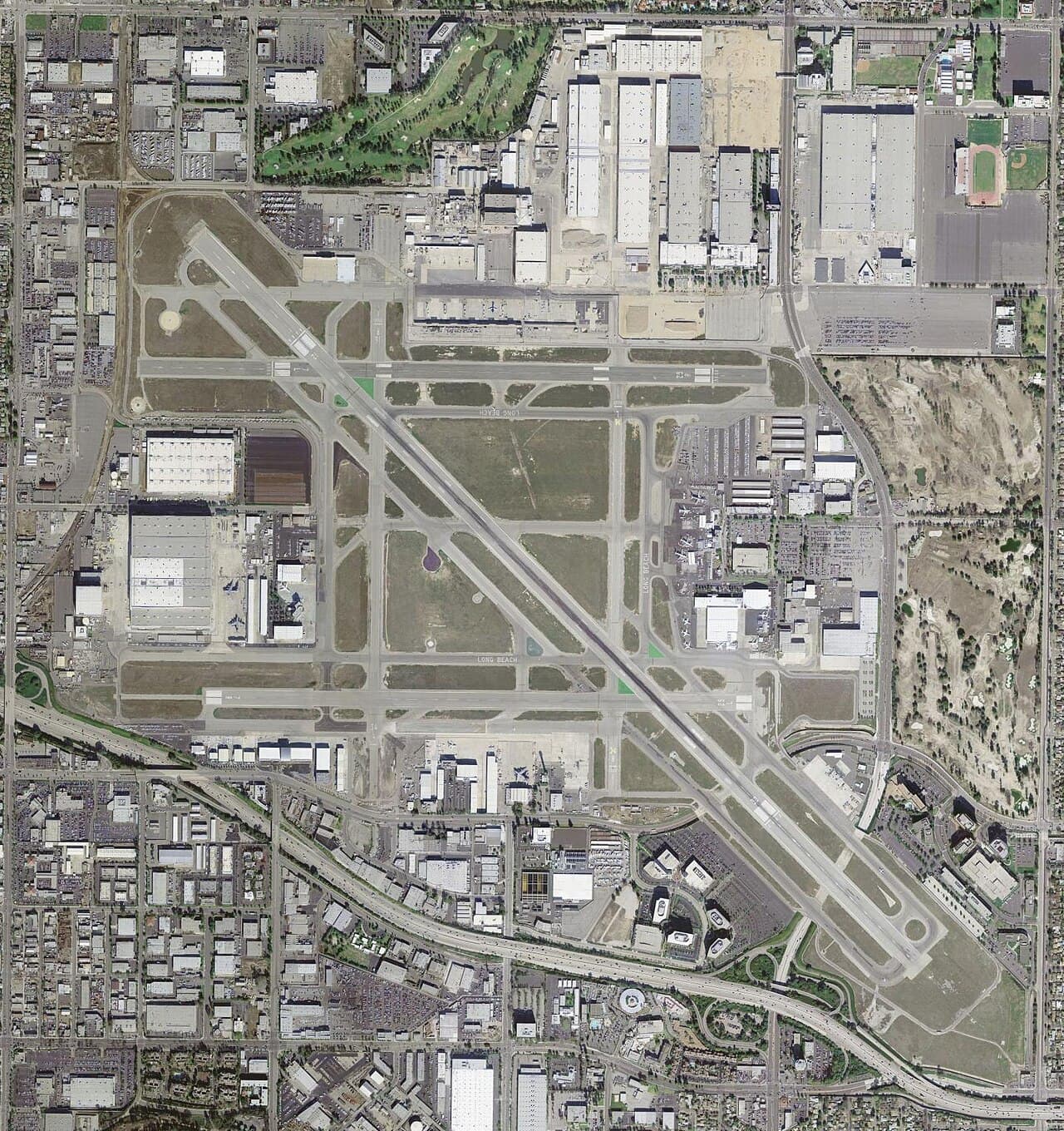
Image: United States Geological Survey (USGS) · Public domain · via Wikimedia Commons
Long Beach Airport Weighs Legal Feasibility of General Aviation Landing Fees
Airport officials at Long Beach consider expanding fees to include general aviation after residents raise noise and traffic concerns, with legal guidance due this week.
The gist
Long Beach examines landing fees for general aviation amid noise and traffic pressures, guided by FAA rules and legal review.
Continuing coverage
All Faa Regulations →Long Beach Airport is currently reviewing whether it can impose landing fees on general aviation aircraft operating at the facility. The Airport Advisory Commission will receive a comprehensive legal briefing addressing this matter, reflecting increased attention on general aviation impacts. Concerns have grown among local residents about noise pollution and the volume of private aircraft activity, prompting commissioners to explore new financial tools to manage these issues.
Historically, Long Beach Airport has not charged general aviation operators landing fees. Instead, the airport’s revenue streams primarily consist of hangar rentals, fuel flowage fees, leases of airport property, and income from commercial airline operations. This model has remained in place despite rising general aviation traffic, which many locals believe contributes to noise disturbances in neighboring communities.
The forthcoming presentation to the Airport Advisory Commission will focus on critical legal frameworks governing airport fees. These include Federal Aviation Administration (FAA) policies, federal grant assurances tied to airport funding, and related constraints. Airport staff are expected to clarify that while landing fees for general aviation are permissible, they must align with strict federal guidelines to avoid discriminatory or punitive practices.
Under FAA regulations, airports that have received federal Airport Improvement Program (AIP) grants must ensure their fees are both reasonable and nondiscriminatory. Fee structures cannot be designed to indirectly reduce aircraft operations or to target specific user groups such as general aviation pilots. Instead, fees must correspond closely to actual operational and capital costs incurred by the airport due to these activities.
This legal backdrop means that Long Beach Airport can only impose landing fees if they reflect an equitable cost-recovery model tied to general aviation use. The airport cannot use fees as a tool to discourage traffic or mitigate noise directly, which are common community concerns motivating the current debate. The balance between regulatory compliance and local stakeholder interests presents a complex challenge for airport management.
The situation in Long Beach mirrors developments elsewhere, such as at Falcon Field Airport in Mesa, Arizona, where the FAA is currently reviewing a proposed landing fee scheme for general aviation operators. This parallel indicates a broader trend of airports grappling with how to manage increasing general aviation operations within federally dictated rules.
Implementing a new landing fee structure at Long Beach would necessitate further public engagement and an extensive FAA review process. Given the legal and financial nuances involved, airport officials are proceeding cautiously to ensure compliance with federal obligations and transparent communication with all affected parties.
The potential introduction of landing fees on general aviation aircraft marks a significant shift in Long Beach Airport’s operational and financial policies. It reflects growing pressure from the community and airport stakeholders to address externalities linked to general aviation growth while respecting federal guidelines. The legal briefing this week will provide a foundation for future decisions about this complex issue.
Frequently asked questions
- Can Long Beach Airport legally impose landing fees on general aviation aircraft?
- Yes, Long Beach Airport can impose landing fees for general aviation aircraft, provided the fees are designed to recover actual operating and capital costs and comply with FAA regulations.
- What restrictions does the FAA place on landing fees at airports like Long Beach?
- The FAA requires that landing fees at federally funded airports be reasonable, nondiscriminatory, and not used to indirectly reduce aircraft activity or target specific users such as general aviation pilots.
- Why are Long Beach officials considering landing fees for general aviation now?
- The consideration comes amid increased general aviation traffic and concerns from local residents about aircraft noise and traffic impacts at Long Beach Airport.
Read more
All Regulatory →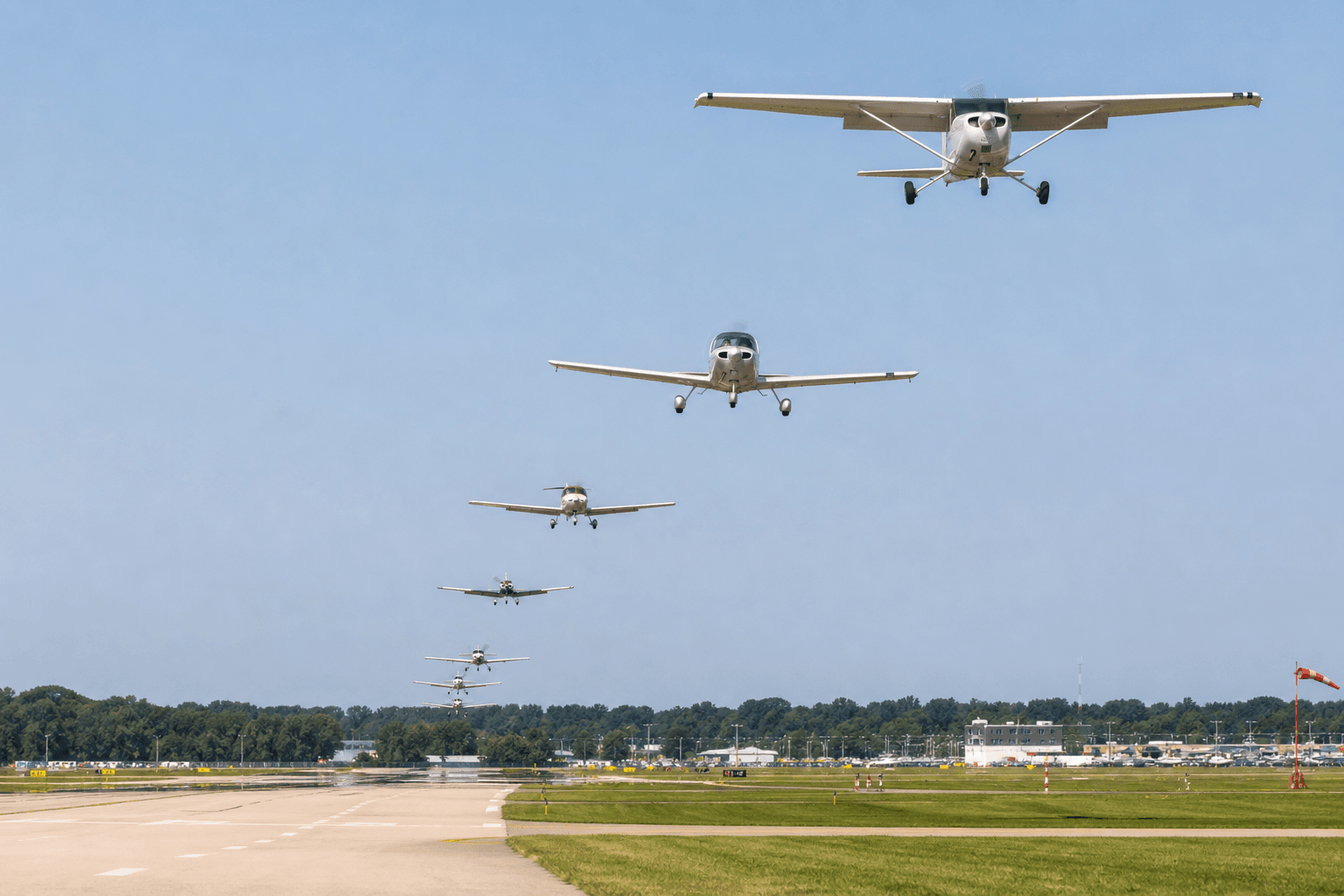
Pilots Gear Up for Structured Arrivals at Oshkosh AirVenture with Key Preparation Tips
Each year during the week of EAA AirVenture, Wittman Regional (KOSH) in Oshkosh, Wisconsin, transforms from a quaint general aviation airport into one of the nation's busiest landing spots. Last year alone saw more than 16,000 aircraft operations at KOSH during the 11-day period leading up to and during the event, meaning each hour roughly 108 aircraft either took off or landed while the airport was open. While that sort of activity generates over $250 million of economic impact for Oshkosh and the surrounding Fox Valley region, for pilots that traffic can mean controlled chaos in the best of times and total disorder in the worst. In a guest blog post for ForeFlight, Plane + Pilot editor in chief Cayla McLeod, who is an 11-year AirVenture veteran, offered some pro tips that every pilot needs to know when venturing out to GA's ultimate fly-in event on July 20-26. Among that advice for safely navigating the arrival procedures, ensuring proper preparation remains at the top. Because flying into Oshkosh requires highly structured visual procedures, committing the NOTAM to memory—and having it handy in the cockpit—should be treated as a requirement. The Experimental Aircraft Association has produced a number of videos detailing the proper techniques and arrival process for those flying in. These sorts of tools are invaluable pieces of information to review for first-time attendees and Oshkosh veterans alike. Another pointer is to carry ample fuel. Extended flight times can easily occur due to heavy traffic volume, weather delays, holding patterns, and go-arounds. The FAA recommends having sufficient fuel to accommodate unexpected delays or to divert to another airport if needed, and pilots who attempt to use a "minimum fuel" excuse can expect to be turned away. It's also important to remember that the high-paced nature of the arrival doesn't end once landed. After landing, pilots are expected to safely and expeditiously vacate the runway into the grass to clear the way for the continuous stream of aircraft touching down immediately behind them. Having a diagram of the airport handy in the cockpit can be a big help in keeping pilots organized as they navigate the hustle and bustle on the ground. Flying into Oshkosh is an important moment for any pilot, and although it can be a stressful process, by controlling what you can and exercising total attention to detail the reward once touching down is unlike any other felt in aviation.
FAA Proposes Removing Obsolete Balloon and Pilot Certificate Rules from Part 61
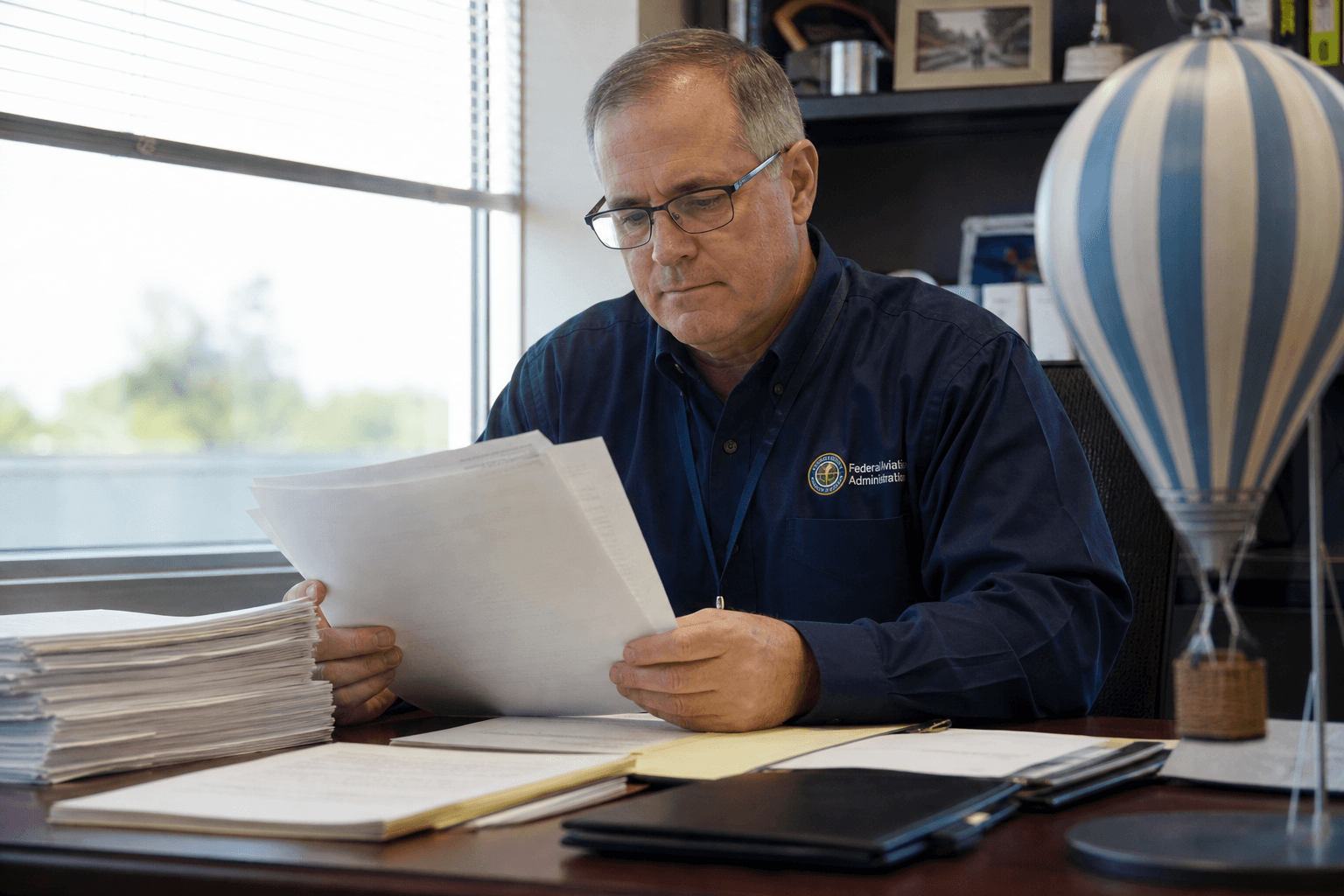
The proposal would remove Part 61 sections tied to old free-balloon and expired pilot certificates.

AOPA Hosts Extensive Seminar Program and Member Events at EAA AirVenture Oshkosh 2026
At this year’s EAA AirVenture Oshkosh in Wisconsin, AOPA is offering a big selection of seminars; get-togethers; and one-on-one time with its specialists to discuss topics including regulations, medical certification, and other issues at the AOPA Campus, booth No. 463, across from the Brown Arch.
AOPA Offers Extensive Seminar Program and Member Activities at AirVenture Oshkosh 2026
At this year's EAA AirVenture Oshkosh in Wisconsin, AOPA is offering a big selection of seminars; get-togethers; and one-on-one time with its specialists to discuss topics including regulations, medical certification, and other issues at the AOPA Campus, booth No. 463, across from the Brown Arch.
The Daily Touch & Go
The day's best aviation news in your inbox. Free, no spam.