Illustration: The Touch & Go
Boeing launches fourth 737 MAX final assembly line at Everett facility
Boeing opened a new 737 MAX final assembly line in Everett, Washington, expanding production beyond Renton for the first time in over five decades.
The gist
Boeing started production on a new 737 MAX line in Everett, boosting capacity and diversifying assembly beyond Renton.
Continuing coverage
All Boeing →- Boeing advances 737 Max and 777-9 programs with key system redesigns and production ramp-up
- Boeing launches $1 billion 737 North Line in Everett to boost MAX output
- US F-47 Sixth-Gen Fighter Faces $300M Price Tag and Limited Fleet Size
- Boeing books 121 jet orders in June while boosting deliveries to highest monthly level in years
- Boeing 737 MAX Surpasses 7,200 Orders, Becoming Company's Best-Selling Aircraft
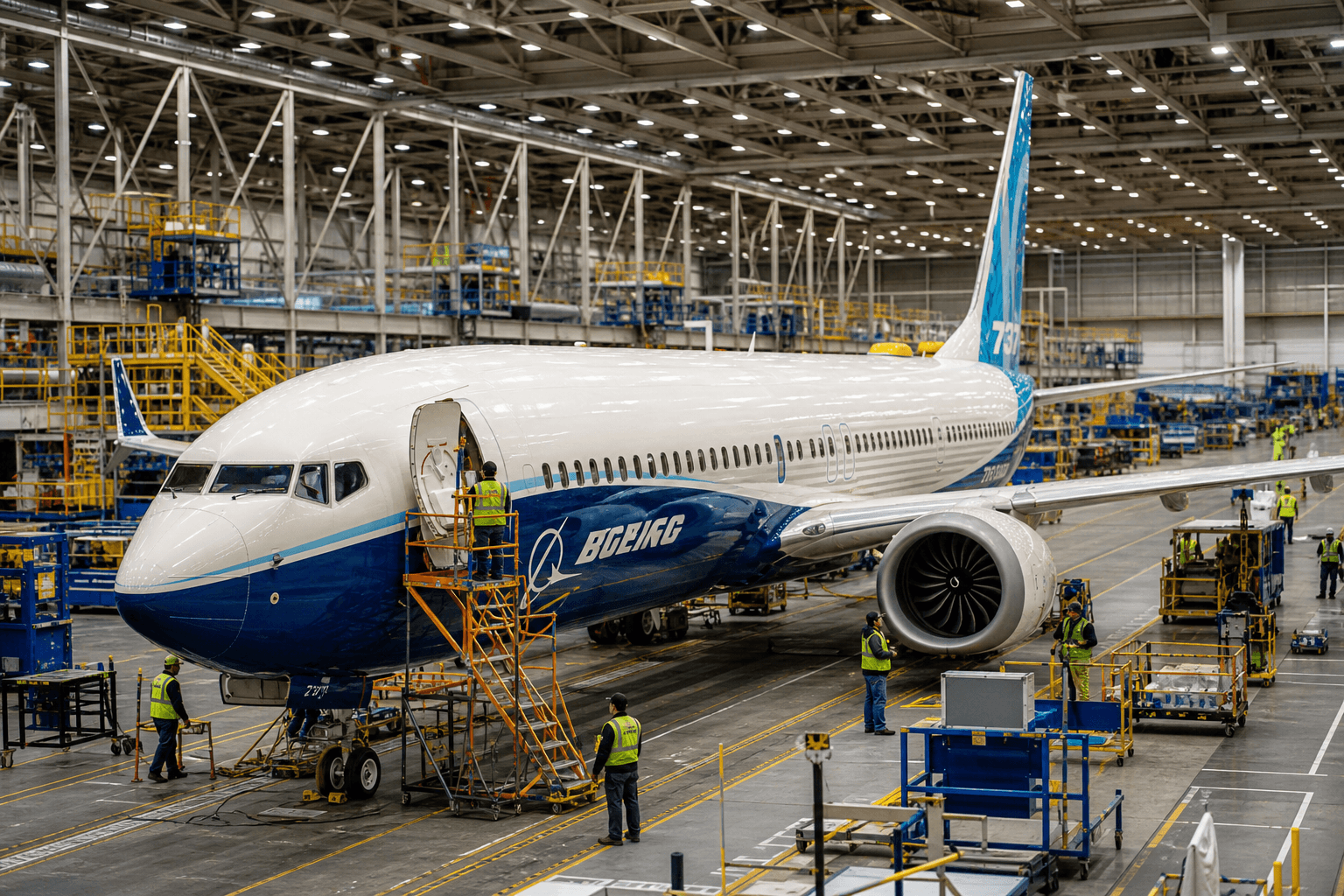
Boeing has inaugurated its fourth final assembly line for the 737 MAX at its Everett, Washington factory, marking a significant expansion of production facilities for the narrowbody aircraft. This development represents the first occasion in more than 50 years that 737s will be assembled outside the Renton plant near Seattle. Production commenced on July 6, 2026, with the first airplane rolled out being a 737 MAX 10 variant.
The new North Line is housed within the Everett factory space originally designed for widebody aircraft, including the iconic 747. By adapting existing infrastructure from Boeing's long history of widebody manufacturing, the company repurposed these areas to accommodate the 737 MAX assembly process. The inaugural aircraft on this line has not been publicly associated with a specific customer.
Operationally, the Everett line is configured around the same assembly methods employed at the three existing Renton production lines, about 40 miles to the south. Maintaining uniform procedures across both locations facilitates the sharing of best practices and production improvements between teams, which is expected to sustain quality and efficiency as output expands.
Despite the addition of the Everett line, Boeing does not anticipate an immediate jump in monthly 737 production. The first aircraft on the new line will serve as a low-rate initial production model, allowing workers to refine the line, complete regulatory compliance, and address any early-stage challenges before ramping up output.
Currently, Boeing is increasing the 737 monthly production rate from 42 to 47 aircraft. The plan is to stabilize this higher output level within Renton before leveraging the Everett production capacity to push the overall monthly rate up to 52 aircraft or more in the future. This staged growth strategy aims to ensure manufacturing stability as volumes increase.
Boeing's backlog for the 737 MAX program stands at over 4,000 units, ensuring steady demand well into the coming decade at current delivery rates. The added North Line provides essential capacity to meet this backlog while reducing reliance on the three Renton lines, all consolidated at a single facility.
Additionally, the Everett line is set up to handle more complex 737 configurations that require additional assembly time. These include aircraft with intricate interiors or extra modifications that would otherwise impact flow on the Renton lines. This flexibility helps Boeing better manage production efficiency and customization needs.
The decision to expand into Everett follows the factory's availability after the end of 747 production and the relocation of 787 final assembly to South Carolina. Everett continues to produce Boeing’s 767 and 777 widebodies alongside now the 737 MAX, utilizing its extensive manufacturing footprint.
This expansion comes as Boeing works to rebuild steady 737 output after several years of disruptions and FAA-imposed production limits following a 2024 incident involving a door plug separation on an Alaska Airlines 737 MAX 9. Boeing has gradually increased production rates while collaborating closely with regulators and suppliers, prioritizing manufacturing stability and quality.
The historical context highlights that the original 737s were built near Seattle before the program was shifted to Renton in 1970. The return of some 737 assembly to Everett represents a strategic diversification within Boeing’s production system, supporting resilience and capacity growth for the world's best-selling commercial aircraft.
Frequently asked questions
- Why did Boeing open a new 737 MAX assembly line in Everett?
- Boeing opened the Everett line to expand 737 MAX production capacity beyond Renton for the first time in decades, leveraging available space after 747 production ended and to help meet a large backlog of orders.
- How will the new Everett line affect Boeing’s 737 production rates?
- The Everett line will start with low-rate production to test and refine the process, then help increase total monthly output from the current 42-47 aircraft to possibly 52 or more once Renton stabilizes.
- What is the significance of assembling 737 MAX aircraft outside Renton?
- This is the first time in over 50 years that 737s are built outside Renton, diversifying Boeing’s production risk and increasing assembly capacity in the Everett factory, originally a widebody production site.
Read more
All Regulatory →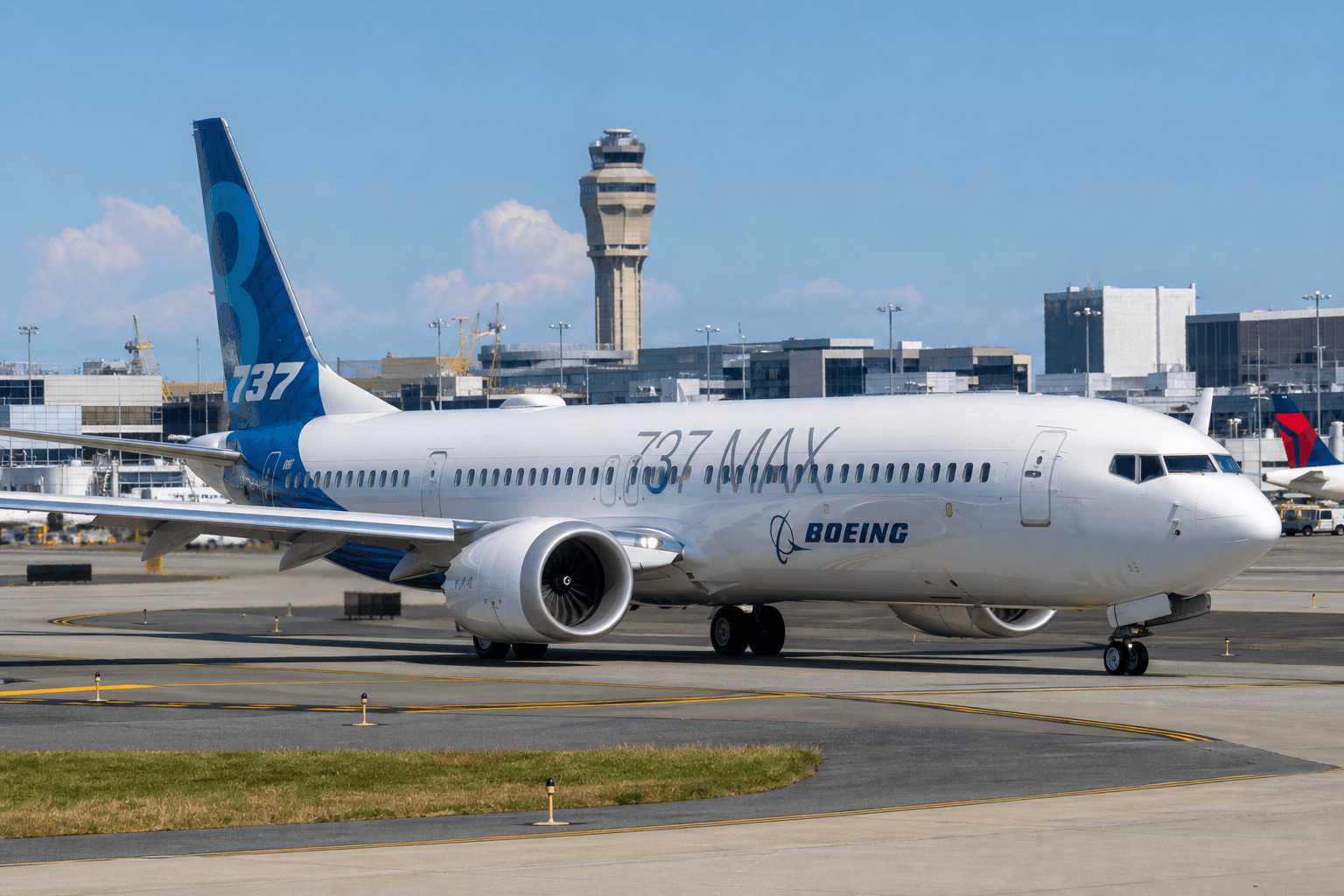
FAA Lets Boeing Self-Certify 737 MAX Deliveries on Alternating Weeks Under Limited ODA
This is the story of the 737 MAX and the ODA, a relationship once broken and now mended. Boeing's push to return to its best is making big strides.
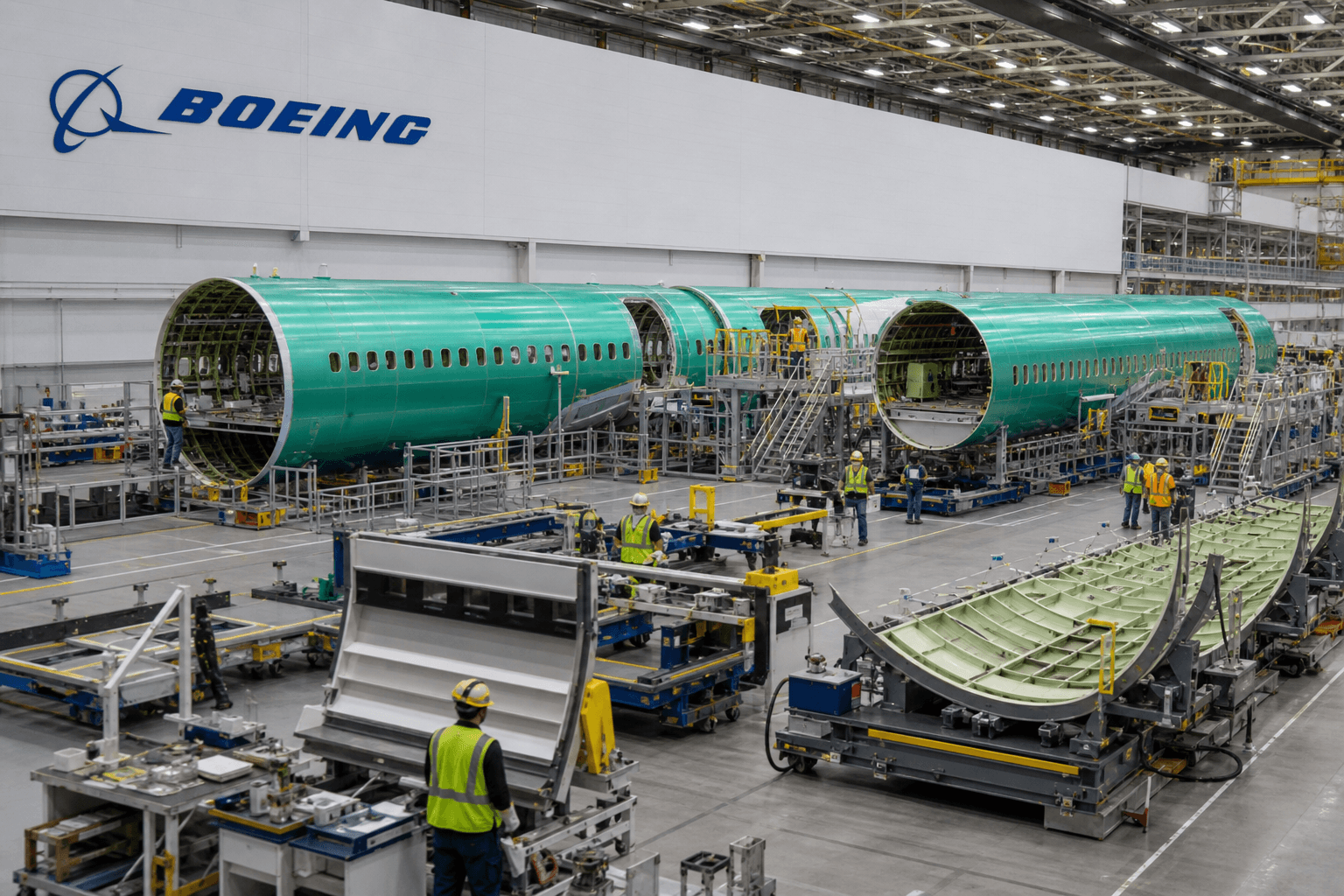
Boeing launches 737 Max assembly at new Everett North Line to boost production
The company intends for the new line to help it achieve a production rate of 52 737s monthly. Boeing has started assembling the first 737 Max on its new line in Everett, marking the start of production at a site the company says will enable it to further accelerate 737 output. The airframer disclosed the milestone in an internal company message on 6 July, saying it began producing the jet on that day and that it will hold a ribbon-cutting ceremony there on 10 July. Boeing has for decades only produced 737s at its Renton facility south of Seattle but several years ago began planning to assemble them also on the new “North Line” at its Everett site north of Seattle. Boeing has said the additional capacity will enable it to ramp production without sacrificing quality. “Boeing teammates began assembling a 737 Max airplane on the new North Line on Monday, marking the start of 737 production at the Everett site. The team worked on the fuselage in the systems installation tool, replicating the build process used on the three 737 production lines about an hour south in the Renton factory,” a message posted to Boeing’s news site reads. The company freed up space in Everett in recent years after ending 747 production entirely and moving all 787 production to its site in North Charleston, South Carolina. The North Line is in the space where Boeing formerly produced 787s. Throughout the last decade, Boeing had assembled 53 737s monthly in Renton. But output slowed following the 737 Max grounding and subsequent Covid-19 pandemic. The company has struggled recently to ramp up production amid persistent quality problems that prompted the Federal Aviation Administration to cap output. Supply chain shortages were also a factor. The supplier issues have since eased, and the FAA has lifted its caps. As a result, Boeing’s production cadence has accelerated, with the company now moving from a rate of 42 to 47 737s monthly. Boeing aims to boost production to 52 jets monthly with assistance from the North Line. Additional rate hikes are also planned. “The build process in Everett will largely be the same as in Renton, apart from the production of the wings. Wings will continue to be built by teammates in Renton and then the 737 Wing Transport Tool will ferry them to Everett for final assembly,” Boeing’s internal message says. The exact composition of the new wing transport system has not immediately been made clear. While the North Line has been designed to accommodate production of all four 737 Max variants, Boeing has said it will initially produce only Max 8s, 9s and 10s – but not Max 7s – in Everett. The Max 7 and Max 10 are not yet certificated but Boeing says it expects to achieve those approvals this year. Workers at the North Line include new employees and those transferred from Renton and another Boeing site in Moses Lake, Washington. Boeing plans first to operate the North Line at "low rate initial production" — a reduced pace that will enable it to closely monitor the production system and demonstrate to the FAA that processes there conform to those in Renton — a requisite for Boeing to receive FAA approval to operate the North Line under its existing 737 production certificate. Boeing previously aimed for the North Line to be running in the second half of 2024 but delayed the plan after the FAA capped 737 output .
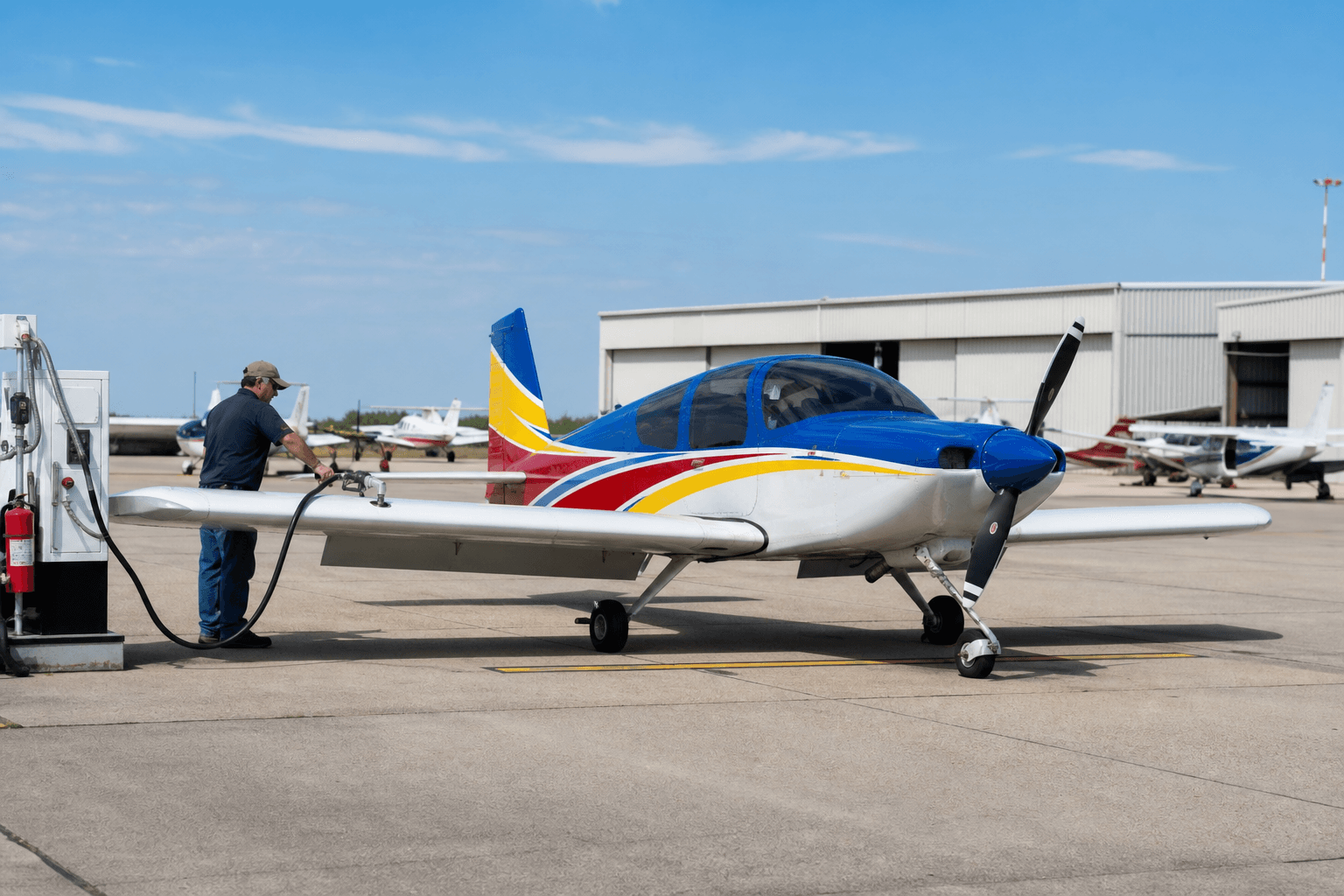
FAA Broadens Eligibility for Swift Fuels 100R Unleaded Avgas to Over 1,600 Aircraft Models
On Tuesday, Swift Fuels announced that the Federal Aviation Administration (FAA) has significantly expanded the list of piston aircraft eligible to operate on its 100R unleaded aviation gasoline, adding more than 1,200 engine models and 1,600 airframe models through updates to the fuel’s Supplemental Type Certificate (STC). According to the company, the expanded Approved Model List (AML) includes engines from more than 80 manufacturers, including approximately 395 Lycoming models, 195 Continental models, 95 Curtiss-Wright models, and 95 Pratt & Whitney models. The airframe expansion covers more than 1,600 aircraft models, including approximately 118 Cessna aircraft, 101 Beechcraft models, 98 Piper aircraft, along with aircraft from Mooney, Grumman, Stinson, WACO, Fairchild and others. The expanded approvals represent another step in the FAA’s effort to support the industry’s transition away from leaded 100LL avgas by the end of the decade. Swift said the newly approved aircraft represent about 56% of current U.S. 100LL consumption and mark the first phase of its broader certification plan. The company expects additional approvals for higher-performance engine and airframe combinations during Phase II and Phase III of the program through 2028. The company noted that 100R is currently the only commercially available 100-octane unleaded avgas that both operates under FAA-approved STCs for eligible aircraft and complies with ASTM International’s D8603 production specification. Pilots must obtain a Swift Fuels STC before using 100R in eligible aircraft. Owners who previously purchased the company’s UL94 STC will automatically receive a 100R STC through Swift’s “Forever STC” program at no additional cost. Swift said 100R has been sold commercially for nearly two years at five U.S. and five European airports and that distribution is now expanding. The company expects the initial transition from UL94 to 100R at participating airports to begin this summer, with locations in 29 states, including California, Colorado, Arizona, Florida, Minnesota, Utah and Wisconsin. International availability has also expanded to airports in Canada, Australia, Germany, France, Austria, the United Kingdom and the Netherlands. The company said work continues with the FAA and engine manufacturers to certify the remaining high-performance piston fleet, with additional approvals expected through 2027 and early 2028. The FAA first approved Swift’s original 100R STC in September 2024. Press_Release_-_FAA_AML_Expansion_-_Final-1 Download

FAA Seeks Members for Aircraft Noise Advisory Committee Over Six Months Late
The FAA published a notice July 10 seeking members for an aircraft noise committee more than six months after the panel's recommendations were due under a congressional timetable. Nominations for the Aircraft Noise Advisory Committee must be submitted by Aug. 10. Committee Created By Congress Congress directed the FAA to establish the committee within 180 days of the FAA Reauthorization Act's May 16, 2024 , enactment. The FAA chartered the panel Jan. 14, 2025. The law required the committee to recommend changes to federal aviation noise policy within one year of establishment, placing that deadline on Jan. 14, 2026, based on the FAA's stated establishment date. The delay also affects the FAA's broader review of aircraft noise policy. The agency said it will wait for the committee's recommendations before completing its Noise Policy Review or updating Part 150 airport-noise regulations. The FAA began the review in 2023 and received 4,857 public comments. Noise Standard Under Review The committee will evaluate the FAA's 65-decibel Day-Night Average Sound Level threshold, alternative noise metrics and existing mitigation strategies. The threshold originated in federal policy adopted in 1976 and was incorporated into Part 150 land-use guidelines in 1981. It helps determine residential land-use compatibility, eligibility for federally funded sound insulation and whether noise effects are considered significant during environmental reviews. Membership will include representatives from engine and aircraft manufacturers, airlines, airports, advanced air mobility companies, higher education and airport-adjacent communities. Those categories were established by Congress and do not include a dedicated seat for general aviation pilots, aircraft owners or GA organizations. Members will serve two-year terms and are expected to meet at least twice annually.
The Daily Touch & Go
The day's best aviation news in your inbox. Free, no spam.