

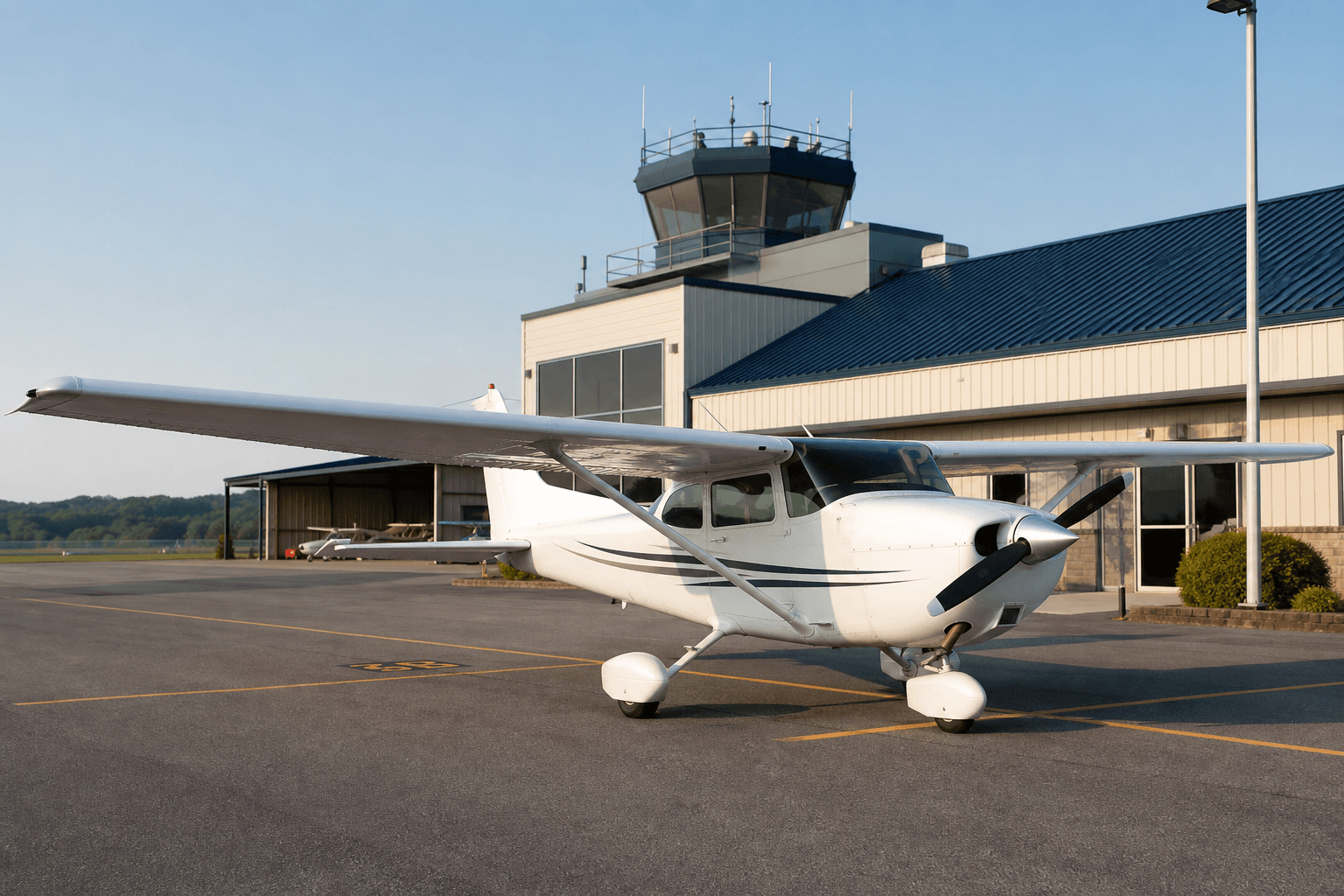
Illustration: The Touch & Go
Part 141 Flight Schools Require Approved Airports for Cross-Country Flights to Count
Students training under Part 141 must complete solo cross-country flights to designated airports listed in their FAA-approved syllabus for credit toward certification.
The gist
Cross-country diversions to unauthorized airports under Part 141 invalidate the flight for certification but logged hours still count.
Continuing coverage
All Flight Training →- Texas Cadet Sebastian Vargas Becomes 200th Private Pilot Funded by Ray Foundation Through CAP
- Cirrus Launches TRAC10 Training Aircraft for Professional Flight Schools
- Cirrus Unveils TRAC10 Trainer Designed to Revolutionize Professional Flight Schools
- Student Pilot Safely Lands Cessna 150 After Instructor's Mid-Air Jump in Argentina
- Rising Costs and Predatory Loans Challenge Aspiring Pro Pilots Financing Training
Part 141 flight training operates under a stringent FAA-approved syllabus known as the Training Course Outline (TCO), which specifies approved airports that students must use during solo cross-country cross-country flights. These flights constitute a key requirement for obtaining commercial pilot certificates. The TCO is carefully designed to standardize training and ensure compliance with FAA regulatory standards, including the location of flight destinations.
When a student pilot diverts from the planned cross-country flight to an airport not included in the school’s approved list without prior authorization, that specific flight does not satisfy the Part 141 curriculum requirements. Consequently, the flight will not be counted as qualifying toward the prescribed solo cross-country time that is mandatory for course completion. Schools strictly enforce this rule to maintain FAA compliance and uphold training validity.
In the event of a weather diversion, which is a common reason for airport changes, students often face disappointment when their diverted flight is not counted toward Part 141 requirements. However, the FAA’s regulatory structure does not recognize deviations from the training syllabus unless explicitly approved in advance. Flight instructors and schools emphasize this rule because the training syllabus is approved as a whole package; unilateral changes can complicate FAA audits and validations.
Despite these restrictions, the flight hours accumulated during a diversion still count toward the student’s total flight time logged in their logbook. The hours do not disappear nor are they invalid for other flight hour requirements outside Part 141 specific mandates. This distinction highlights the difference between meeting the regulatory training syllabus and simply accumulating flight experience.
The rationale for strict airport authorization lies in the FAA’s oversight mechanisms that aim to ensure students gain experience operating from diverse but safe and vetted environments. Approved airports in the syllabus often provide standardized facilities and controlled environments that schools have evaluated and incorporated into the training syllabus. Unauthorized airports might lack necessary infrastructure or present variables unaccounted for in the syllabus.
Cross-country flight training under Part 141 is a formal structured program meant to prepare pilots comprehensively for commercial certification. Therefore, deviation from the prescribed course outline limits the regulatory acceptance of that flight as qualifying instructional time. This policy protects both the student and flight school under the FAA’s formal compliance framework.
Students facing weather or other unforeseen conditions during solo cross-country flights should communicate promptly with their Certified Flight Instructor (CFI) and seek guidance or permission regarding their diversions. Preemptive coordination can sometimes authorize alternate airports as part of the training plan. Without explicit approval, however, time credit cannot be granted for unauthorized diversions, regardless of the reason for the change.
Flight schools are mandated to follow these regulations to maintain their Part 141 certification status. The FAA periodically audits schools to verify adherence to the TCO and training records. Deviations not documented or approved risk not only invalidation of individual flights but also broader compliance issues for the program, which schools actively seek to avoid.
Understanding the nature of these regulatory requirements can help students better prepare for their solo cross-country flights and plan contingencies properly. While the loss of training credit for a diverted flight is frustrating, it is important to remember that prioritizing safety through weather avoidance remains a critical component of pilot decision-making and reflects sound airmanship.
Frequently asked questions
- Why does diverting to an unapproved airport invalidate a Part 141 cross-country flight?
- Because Part 141 training follows an FAA-approved syllabus listing specific airports, deviations without permission break compliance, making the flight ineligible as training credit.
- Do flight hours from a diverted cross-country flight still count for pilot experience?
- Yes, although the flight may not count toward Part 141 course requirements, the actual flight hours must still be logged and count toward total pilot time.
- Can a student get approval to divert to a different airport during a Part 141 cross-country flight?
- Approval must be obtained prior to the flight for deviations to count; unapproved airport changes invalidate the flight as part of the prescribed training course.
Read more
All Regulatory →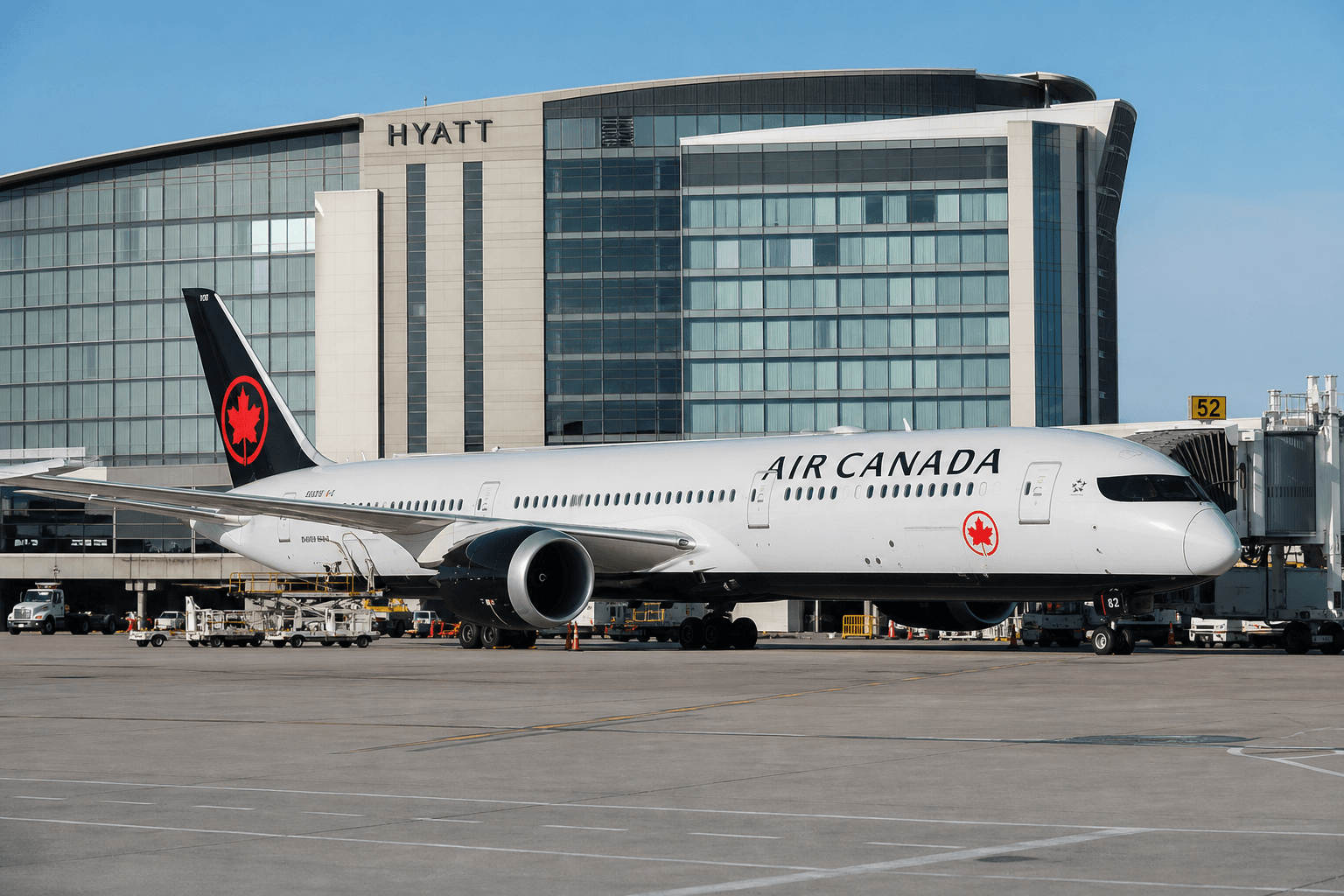
Air Canada Aeroplan and World of Hyatt Launch New Status and Points Partnership
It's common for airline and hotel loyalty programs to have partnerships, given that those who are frequent flyers are also often frequent hotel guests. Along those lines, we've just seen Air Canada Aeroplan and World of Hyatt launch a new partnership , offering reciprocal status, rewards, and points opportunities, for members who link their accounts . There are some potentially lucrative aspects to this… Details of the new Air Canada & Hyatt loyalty collaboration Air Canada Aeroplan and World of Hyatt members can now take advantage of accelerated earning opportunities and exclusive benefits across both programs. Before I get into this, let me mention that I roughly value Air Canada Aeroplan points and World of Hyatt points equally, which is important to understand, as you consider the value of these opportunities (of course apply your own valuation). Here's what this partnership includes on the points earning and redemption front: Aeroplan members can choose to earn 500 Aeroplan points per Hyatt stay, in lieu of earning World of Hyatt points Aeroplan credit card members with cards issued in Canada can earn World of Hyatt bonus points and additional Aeroplan points on stays at participating Hyatt properties; the catch is that you're forgoing some Hyatt points World of Hyatt members can convert World of Hyatt points into Aeroplan points at a 2:1 ratio, starting at 5,000 points Aeroplan elite members can convert Aeroplan points into World of Hyatt points at a 2:1 ratio, up to 100,000 Aeroplan points per day, or 250,000 Aeroplan points per week Aeroplan members can redeem Aeroplan points for World of Hyatt free night awards, with Category 1-4 free night awards starting at 25,000 Aeroplan points World of Hyatt members can earn a 30,000-point Aeroplan flight reward certificate by redeeming 50,000 World of Hyatt points Perhaps the more interesting opportunity here involves elite status, with fast tracks (eventually) available for both programs: Aeroplan elite members and eligible premium credit card members can unlock World of Hyatt status with a 90-day challenge; Discoverist status requires four nights, Explorist status requires 10 nights, and Globalist status requires 20 nights Aeroplan premium credit card members also receive complimentary Discoverist status, five elite nights toward status annually, and two attempts each year toward a 90-day challenge Later this year, World of Hyatt elite members will get access to an Aeroplan status challenge, but that's not available yet While not status related, World of Hyatt elite members receive an annual C$20 Air Canada flight credit for linking their accounts This enables (inefficient) points transfers between programs Which of these opportunities is actually valuable? More partnerships are generally a good thing, assuming nothing is being taken away (perhaps aside from swelling elite ranks). Ultimately more flexibility with points is something some people value, since some travelers may have a lot of airlines points but not enough hotel points, or vice versa. That being said, just about all of the opportunities here involving points and certificates represent a massive loss in value. When I value points equally, I don't want to transfer them to another program at a 2:1 ratio. Here's where I do see value: If you're a World of Hyatt elite member, a C$20 Air Canada flight credit is better than nothing If you're eligible for the World of Hyatt status challenge, that gets you elite status much faster than the normal pathway; it's interesting how premium card members can even take advantage of that twice per year, which seems… a bit aggressive Later this year we should see an Aeroplan status challenge for World of Hyatt elite members, so that could be interesting as well For now, this partnership is definitely better for Aeroplan members than World of Hyatt members. I suspect World of Hyatt sees growth opportunities in Canada, which is why we're seeing the partnership rolled out in this way. Aeroplan members get a World of Hyatt status challenge Bottom line Air Canada Aeroplan and World of Hyatt have just launched a partnership, offering reciprocal opportunities. There's quite a bit of depth to this, in terms of the number of ways to earn and redeem points, plus the potential for elite status. The catch is that very little here represents good value. The exception is that World of Hyatt elite members can get a C$20 Air Canada flight credit annually, while Aeroplan elite members can take advantage of a World of Hyatt status challenge. What do you make of this Aeroplan and World of Hyatt partnership?
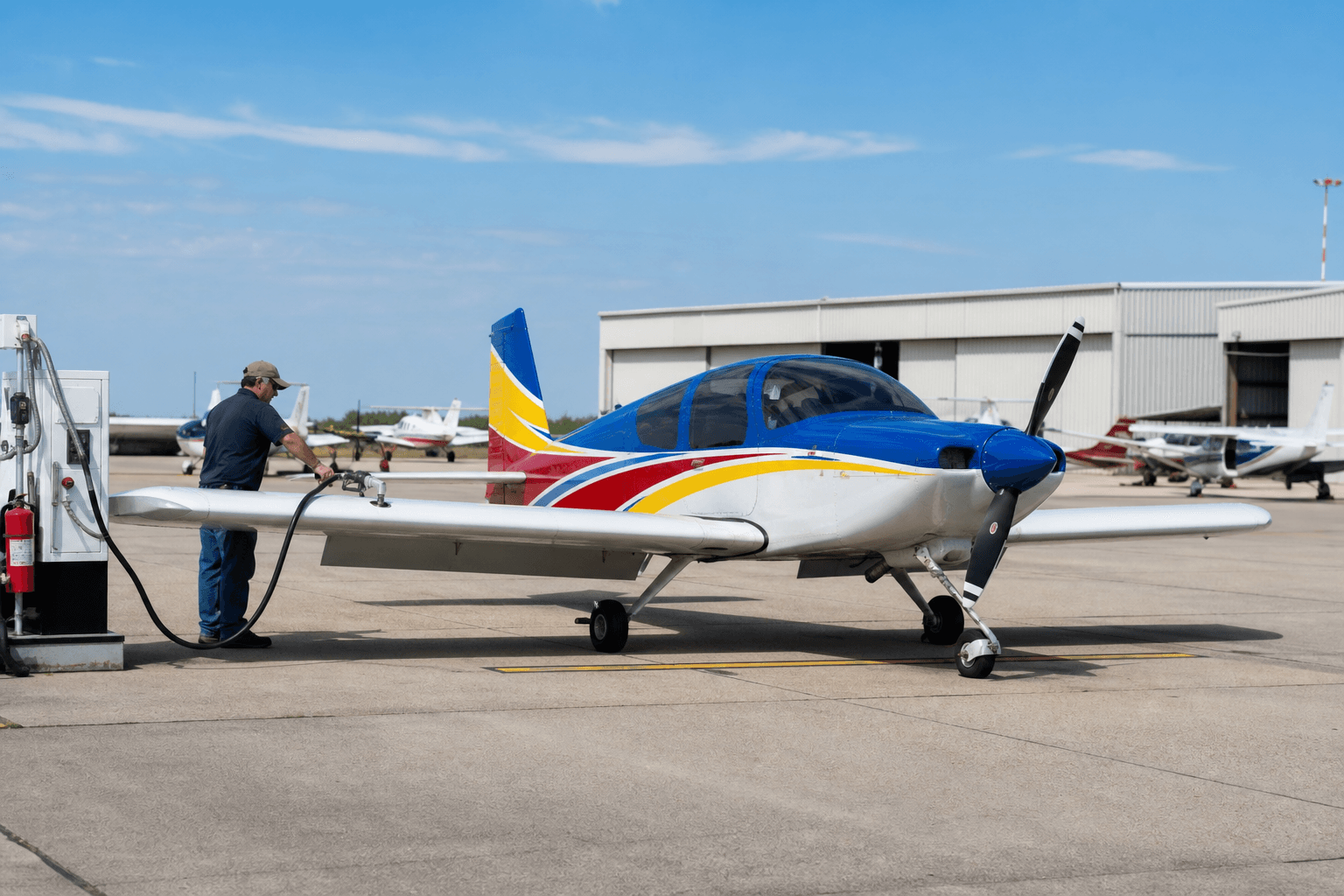
FAA Broadens Eligibility for Swift Fuels 100R Unleaded Avgas to Over 1,600 Aircraft Models
On Tuesday, Swift Fuels announced that the Federal Aviation Administration (FAA) has significantly expanded the list of piston aircraft eligible to operate on its 100R unleaded aviation gasoline, adding more than 1,200 engine models and 1,600 airframe models through updates to the fuel’s Supplemental Type Certificate (STC). According to the company, the expanded Approved Model List (AML) includes engines from more than 80 manufacturers, including approximately 395 Lycoming models, 195 Continental models, 95 Curtiss-Wright models, and 95 Pratt & Whitney models. The airframe expansion covers more than 1,600 aircraft models, including approximately 118 Cessna aircraft, 101 Beechcraft models, 98 Piper aircraft, along with aircraft from Mooney, Grumman, Stinson, WACO, Fairchild and others. The expanded approvals represent another step in the FAA’s effort to support the industry’s transition away from leaded 100LL avgas by the end of the decade. Swift said the newly approved aircraft represent about 56% of current U.S. 100LL consumption and mark the first phase of its broader certification plan. The company expects additional approvals for higher-performance engine and airframe combinations during Phase II and Phase III of the program through 2028. The company noted that 100R is currently the only commercially available 100-octane unleaded avgas that both operates under FAA-approved STCs for eligible aircraft and complies with ASTM International’s D8603 production specification. Pilots must obtain a Swift Fuels STC before using 100R in eligible aircraft. Owners who previously purchased the company’s UL94 STC will automatically receive a 100R STC through Swift’s “Forever STC” program at no additional cost. Swift said 100R has been sold commercially for nearly two years at five U.S. and five European airports and that distribution is now expanding. The company expects the initial transition from UL94 to 100R at participating airports to begin this summer, with locations in 29 states, including California, Colorado, Arizona, Florida, Minnesota, Utah and Wisconsin. International availability has also expanded to airports in Canada, Australia, Germany, France, Austria, the United Kingdom and the Netherlands. The company said work continues with the FAA and engine manufacturers to certify the remaining high-performance piston fleet, with additional approvals expected through 2027 and early 2028. The FAA first approved Swift’s original 100R STC in September 2024. Press_Release_-_FAA_AML_Expansion_-_Final-1 Download
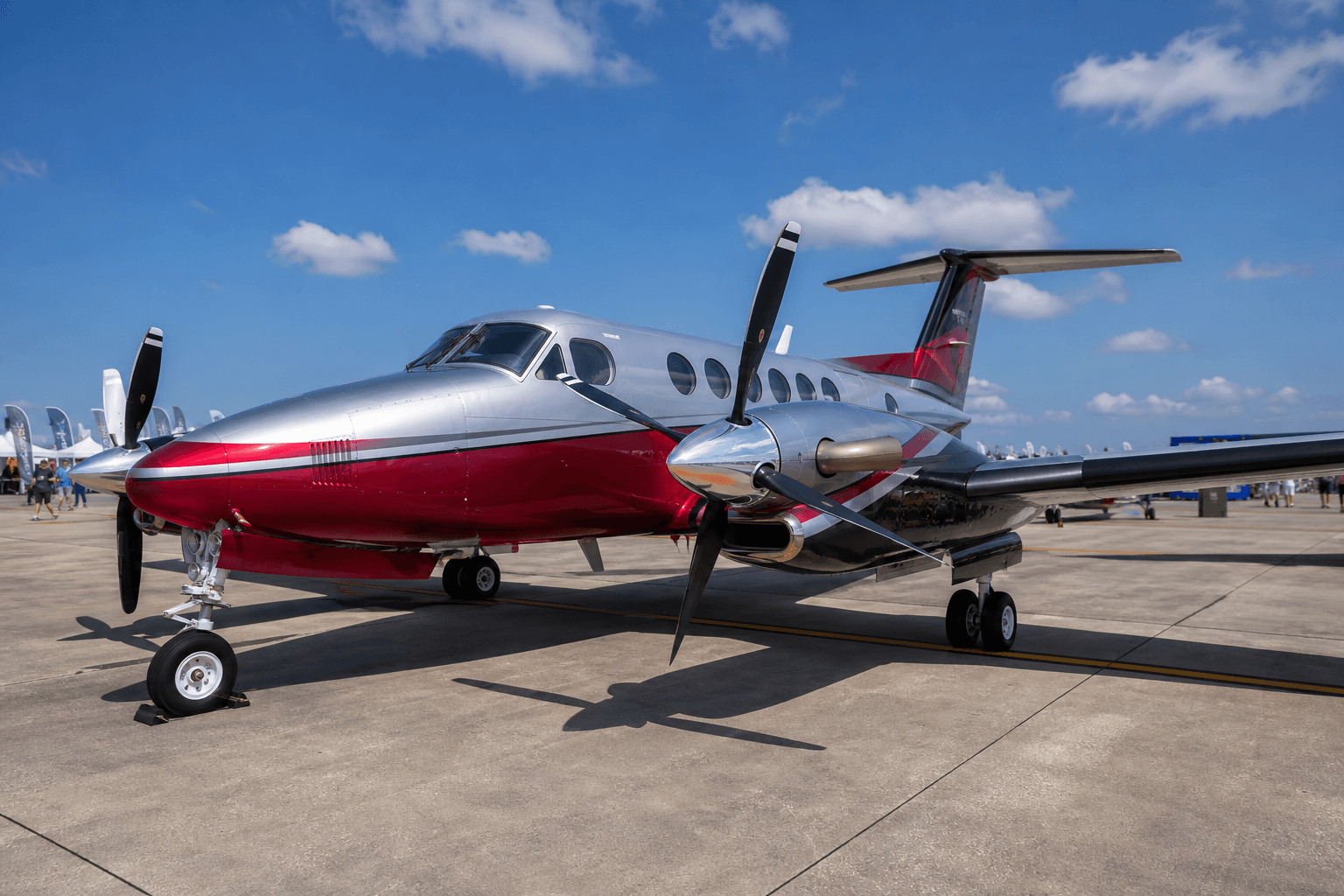
Textron Aviation unveils Cessna CJ3 Gen2 and King Air 360 Crimson at Oshkosh 2026
Textron Aviation will bring two of its newest special-edition aircraft to EAA AirVenture Oshkosh 2026, with the Cessna Citation CJ3 Gen2 and Beechcraft King Air 360 Crimson Edition scheduled to make their show debuts, the company announced Tuesday. The aircraft will be part of Textron Aviation's expanded AirVenture display featuring Cessna, Beechcraft, Pipistrel, and McCauley Propeller products. The company said the exhibit will showcase aircraft ranging from piston singles and gliders to turboprops and business jets. The Citation CJ3 Gen2 represents the latest update to Cessna's light jet lineup, incorporating customer-driven improvements to the cockpit and cabin. The aircraft entered service earlier this year after receiving FAA certification in 2025. Enhancements include Garmin autothrottle technology, additional pilot legroom, and a redesigned cabin environment. The Beechcraft King Air 360 Crimson Edition celebrates the legacy of the King Air family with a special paint scheme and customized interior. The aircraft features a metallic crimson, silver, and black exterior along with a cabin designed around the anniversary edition theme. The King Air 360 is equipped with Collins Aerospace Pro Line Fusion avionics and IS&S ThrustSense autothrottle technology. In addition to the two debut aircraft, Textron Aviation plans to display a broad lineup at AirVenture, including the Citation CJ4 Gen3 cockpit mockup, Citation M2 Gen2, Beechcraft Denali mockup, Cessna Grand Caravan EX, Turbo Stationair, Turbo Skylane, Skylane, and Skyhawk. Pipistrel aircraft on display will include the Panthera, Sinus MAX, and Alpha Trainer. The Textron Aviation booth will also feature Starlink and Gogo Galileo aftermarket connectivity solution displays, along with opportunities for attendees to meet with aftermarket parts and customer support representatives about the company's global service network. "EAA AirVenture is one of the most important opportunities each year for us to connect with customers and the broader aviation community," said Lannie O'Bannion, Textron Aviation senior vice president of Sales and Marketing. "Being on the ground in Oshkosh allows us to showcase the breadth of our portfolio. Events like AirVenture also give us valuable face-to-face time to better understand how our customers operate and continue delivering aircraft that meet their evolving needs."
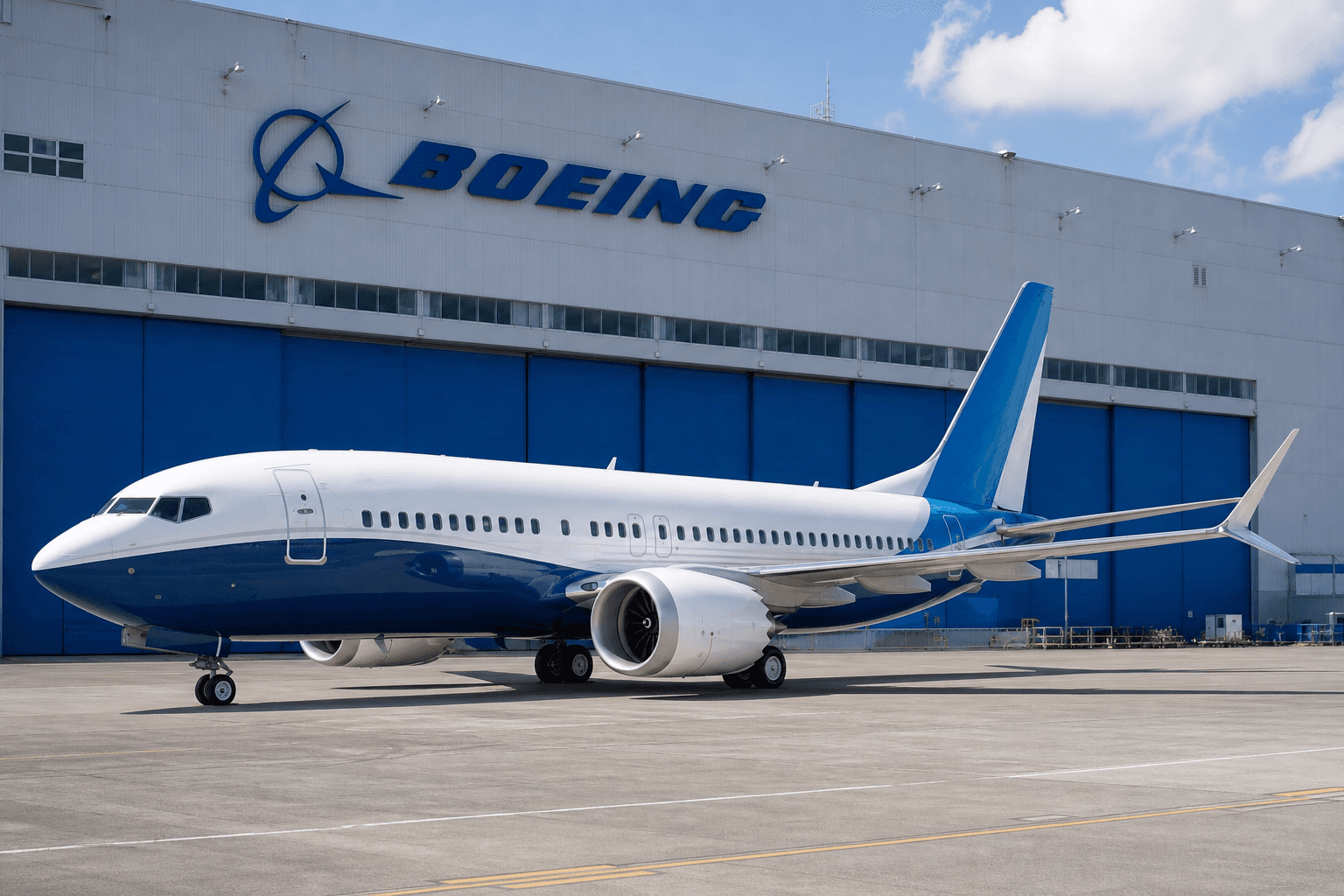
Boeing 737 MAX Surpasses 7,200 Orders, Becoming Company's Best-Selling Aircraft
As the Boeing 737 MAX series nears the final stages of certification for its highly anticipated MAX 10 and MAX 7 variants, the order book has filled up to epic proportions. With the backlog that accumulated after the first quarter of 2026, Boeing is slated to deliver 7,206 airframes of all variants, which makes it the best-selling aircraft in the historic plane maker's history.
The Daily Touch & Go
The day's best aviation news in your inbox. Free, no spam.