

Image: Matthewadams66 · CC0 · via Wikimedia Commons
PaxUp Integrates ch-aviation Data to Advance Airport Route Development Analytics
PaxUp has incorporated ch-aviation's fleet, configuration, and financial airline data into its platform, enhancing data-driven route development for airports and aviation stakeholders.
The gist
PaxUp’s new integration of ch-aviation data boosts its platform’s capability to deliver detailed airline and market insights for smarter route planning.
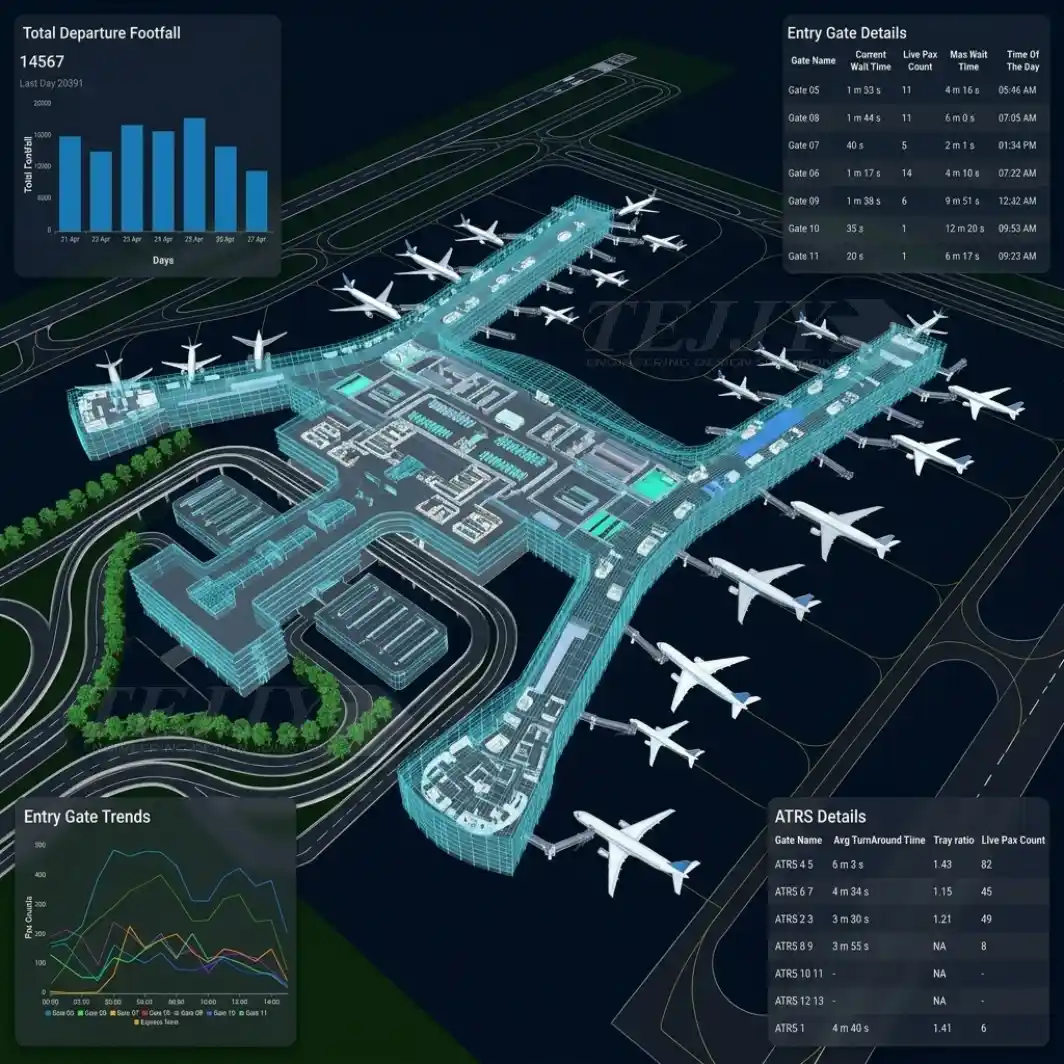
PaxUp Aviation Insights GmbH, a German firm specializing in air service development solutions, has enhanced its cloud-based route development platform by integrating data from ch-aviation. This partnership brings detailed airline fleet information, aircraft configurations, and financial data into PaxUp’s analytical framework, elevating the precision of route opportunity assessments for airports and route development teams. The integration aligns with PaxUp’s mission to simplify complex aviation data into actionable insights that drive stronger route growth strategies.
Since its launch in 2025, PaxUp has positioned itself as a pivotal tool for airports to comprehensively analyze and forecast route potential, passenger demand, and market dynamics. The platform consolidates multiple datasets to provide users with detailed market discovery analytics, passenger forecasting models, and tools to construct effective airline presentations. The integration with ch-aviation’s curated database broadens PaxUp’s data foundation, allowing stakeholders to access richer, higher-quality airline intelligence embedded directly within operational workflows.
The ch-aviation data incorporated includes extensive details on airline fleets, individual aircraft configurations, and financial metrics—elements essential to understanding airline capacity, operational economics, and route viability. By combining this data with PaxUp’s proprietary methodology and complementary market data, the platform offers a multi-faceted view of route development opportunities, enabling targeted decision-making based on robust evidence. This comprehensive approach helps route development teams move beyond isolated datasets to a harmonized analytical perspective reflecting real-world operational contexts.
Matthias Hunger, Co-Founder and Managing Director of PaxUp, emphasized that the ability to integrate and interpret diverse aviation datasets is crucial for securing new air service routes. The integration with ch-aviation empowers customers to identify promising markets, craft compelling business cases, and engage airlines with stronger, fact-based arguments. This marks a significant evolution in how airports and stakeholders utilize data to compete and negotiate routes in a fiercely competitive aviation environment.
Sanja Ples Roginek, CEO of ch-aviation, highlighted the long-established reputation of her company in delivering trusted airline intelligence for over two decades. Integrating ch-aviation data within the PaxUp platform extends its usability by embedding it into advanced analytical processes tailored for air service development. This enhanced application supports stakeholders seeking to extract greater value from dependable data sources and better understand market conditions.
PaxUp’s cloud platform facilitates the entire route development lifecycle, from initial market identification through to passenger demand estimation and airline engagement. The expanded dataset now available through ch-aviation exemplifies a growing trend in the aviation industry towards data-driven decision making—one where detailed financial and fleet insights complement traditional market analytics. This fusion of data types sharpens the accuracy of traffic forecasts and the evaluation of connectivity gains.
Airports using PaxUp can now leverage these enriched datasets to quantify catchment area leakage, forecast growth in specific markets, and analyze airline network strategies with greater clarity. The combined data supports a granular understanding of the competitive landscape, revealing nuanced route prospects that may have been overlooked using conventional tools. This strategic advantage is critical as airports strive to expand their route portfolios amid evolving travel trends and airline business models.
The integration represents a deliberate effort to unify disparate data streams and analytical methodologies, reducing complexity for end users and accelerating the pace of route development decisions. PaxUp’s evolution into a centralized platform with broad data connectivity mirrors a wider digital transformation across the aviation sector, emphasizing agility and evidence-based strategy. Airports adopting such platforms may gain measurable competitive edge by deploying more compelling and credible route proposals backed by integrated intelligence.
This partnership also reflects the maturation of route development as a discipline increasingly reliant on detailed, multifactorial analytics. Airports and other aviation stakeholders must navigate complex factors such as fleet capabilities, airline financial health, and market demand interplay. The enhanced PaxUp platform, enriched by ch-aviation’s data, equips them with a sophisticated toolkit tailored to these modern challenges, facilitating more confident investments in new routes and network expansions.
Read more
All Airports →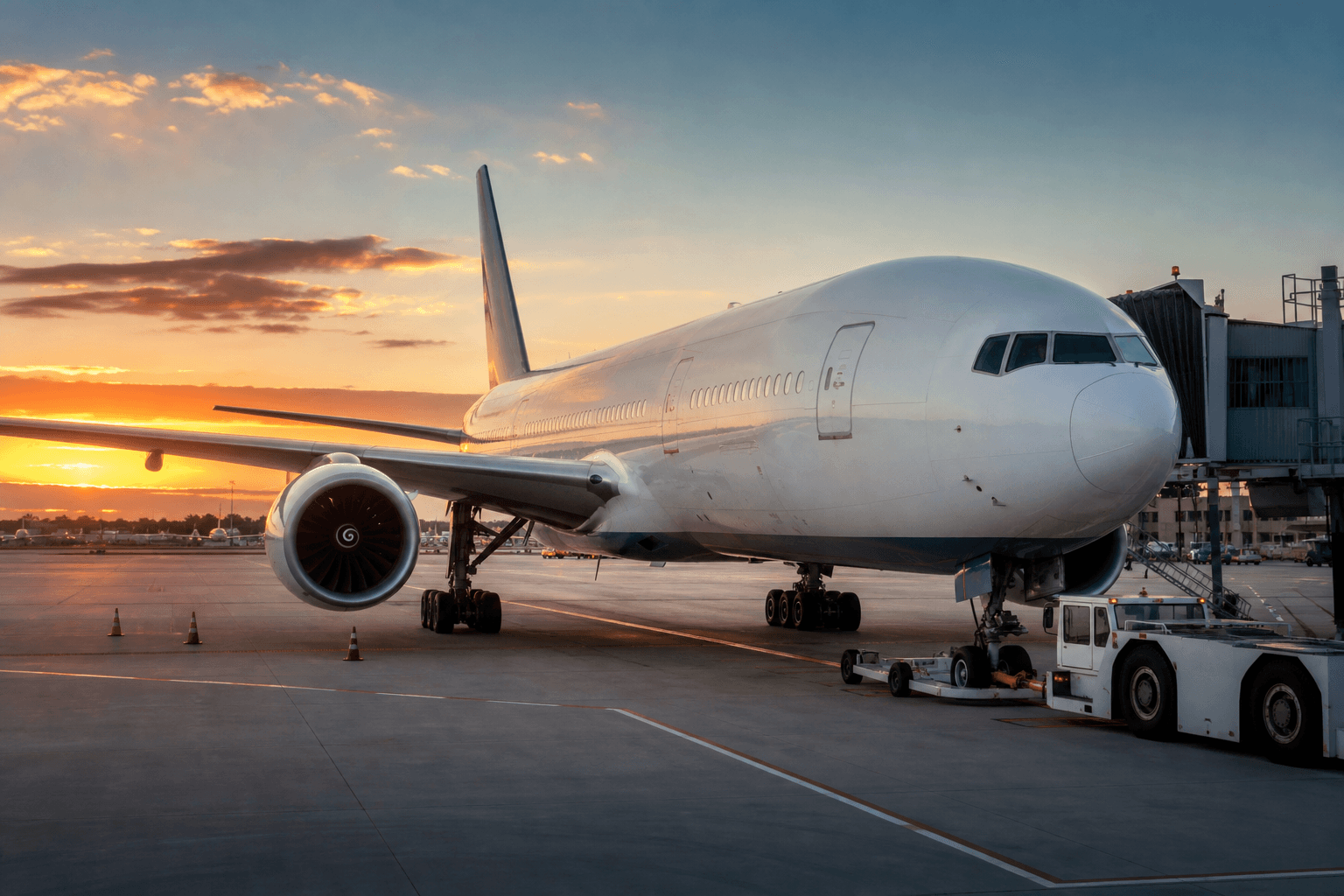
Qatar Airways Delays Launch of New 21-Hour Triangular Route to South America
Qatar Airways has pushed back the start date of its triangular route from Doha Hamad International Airport (DOH) to Bogotá (BOG) and Caracas (CCS) to September. The Qatari flag carrier had originally planned to begin service on this route later in July, and, while the reason for the delay is unclear, there is no denying that regional tensions have impacted Middle Eastern schedules considerably in 2026.
Qantas Nears Full Airbus A380 Fleet Return After London Engine Repair
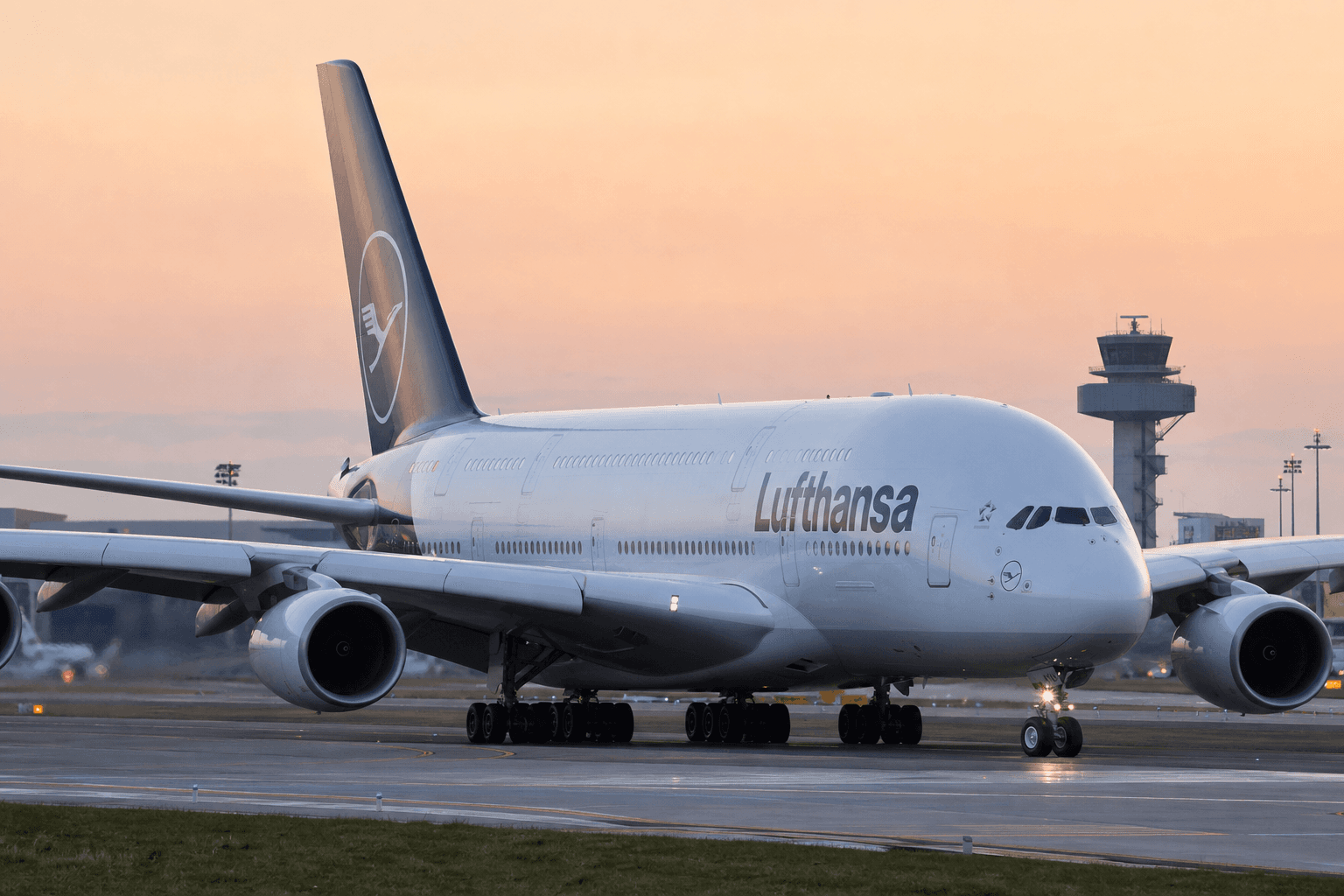
Qantas is on the verge of having its entire Airbus A380 fleet back in commercial service after a rare ferry flight sent one of the grounded superjumbos directly from London Heathrow Airport (LHR) to Los Angeles International Airport (LAX) over the weekend. VH-OQG, which had been stuck at Heathrow since early July awaiting an engine change, flew as flight QF6007 from London to Los Angeles on July 11, an unusual routing for an aircraft that typically shuttles between Sydney, London, and Singapore rather than crossing the Atlantic and Pacific in one movement.
British Airways Leverages Airbus A380 to Maximize Capacity at Slot-Limited Heathrow
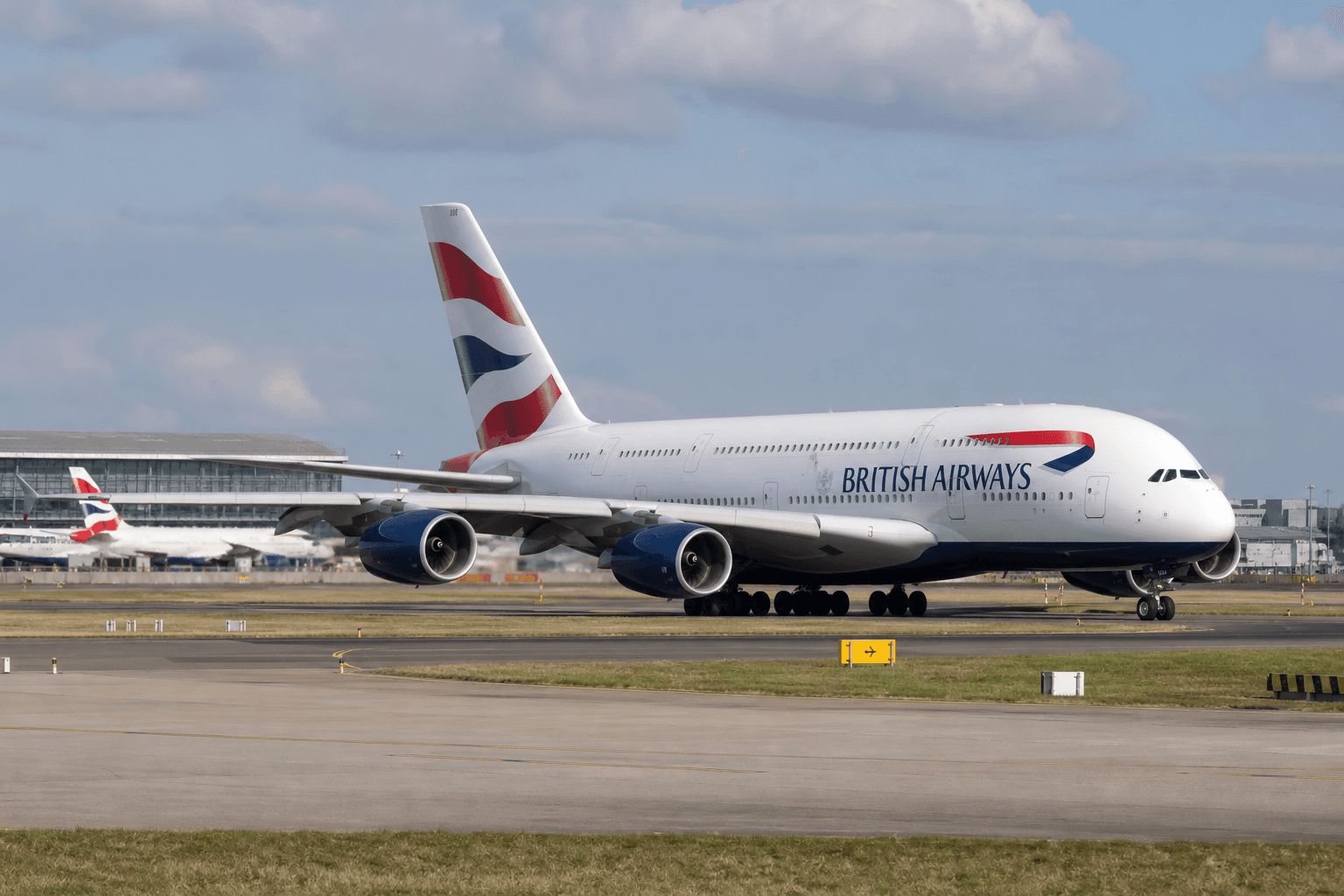
The Airbus A380 is the current icon of the British Airways fleet, serving as a critical tool in the airline's strategy at London Heathrow . In an era where many carriers have pivoted toward smaller, more fuel-efficient twin-engine jets, British Airways has doubled down on the world's largest airliner.

How Much Time Should You Leave Between Separate Flights on Different Tickets?
OMAAT reader Peter asked me a question that I think is worth addressing more broadly — if you book an itinerary that involves two or more separate tickets, how much of a buffer should you leave between flights on those two tickets? There's not going to be a "one size fits all" answer, but I'd like to share my thought process, and hear how others approach this. First let's talk about why you might want to book tickets this way, the things I'd factor into deciding on a buffer, and the approach I take (admittedly I don't always get this right!). Why you might book an itinerary on separate tickets Typically, most people will book an itinerary between their origin and destination on a single ticket, even if multiple airlines are involved (which is possible thanks to partnerships and interline agreements ). However, there are definitely situations — especially in the miles & points world — where you might want to book separate tickets: Maybe you only found reasonably priced award tickets out of a long haul gateway city, and then you need to position there on a separate ticket Maybe you're being savvy and are trying to avoid the UK Air Passenger Duty , so you book your first flight out of the UK separately as a short haul ticket, and then pick up your long haul ticket elsewhere Maybe an itinerary just ends up being cheaper if booked as two separate tickets, whether you paid with cash or points Maybe you booked a ticket far in advance, but then your plans change, though the most economical option is to just book a separate positioning flight, but still take your originally booked ticket Anyway, I do end up booking itineraries as separate tickets with some frequency, and the most common reason is because I'm redeeming points out of another gateway city, and that ends up being the most economical option. I sometimes book itineraries on two separate tickets The considerations with deciding on what buffer to leave To state the obvious, there are many factors that would impact my decision of how much of a buffer to leave between flights on separate tickets. For example, if you're flying a once daily flight to board a cruise or to attend a very important business meeting, I'd take a different approach than if you're connecting to a ticket in a market that has 50 daily flights. So to expand on that a bit, here are the things that I'd take into consideration: How important is it to actually make the flights on your second itinerary, and to arrive at your destination on-time? How flexible are your tickets? If you miss your second itinerary, is it a "use it or lose it" situation, or could you easily rebook? Are you checking bags? Obviously you'll want to add to your buffer if you are, especially since bags often can't be checked through on separate tickets What time of day is your first flight? The earlier you fly, the better the odds of things going smoothly What are the weather conditions to consider? On summer afternoons you have to be worried about thunderstorms, and in winter, consider how likely a snowstorm could be How many other flights are there that could get you to your destination within a reasonable timeframe, assuming you miss the originally booked one? How skilled are you at managing your own travels? If you're very resourceful and not stressed out by a potential misconnect, you can handle this differently than someone who gets really stressed in these situations Consider how much flexibility your ticket has How I decide on how much of a buffer to leave It goes without saying that if you want to maximize your odds of not having any major disruptions, you should leave a massive buffer between separate flights on itineraries. It's definitely a best practice to maybe even leave a day between separate itineraries, or at least to leave an unpleasantly large number of hours. That being said, I want to be realistic here: Often people have limited vacation, so adding an extra day enroute might not be practical, might significantly add to the expense of the trip, etc. Of course leaving a really long layover sounds smart, but most people don't want to spend 10 hours at an airport waiting for their connecting flight Let me share my approach, acknowledging of course that I don't always get this right (including recently!) . As I view it, I take a calculated risk, trying to find the middle ground between minimizing risk and being efficient. Obviously it depends on the circumstances, but assuming that I don't 100% have to be at the destination exactly at my planned arrival time, my most common approach is to typically leave a buffer of four hours, and/or to have at least another flight between my original flight and subsequent one that I can be rebooked on, in the event that it cancels. Admittedly this isn't a perfect system, and a lot can still go wrong. After all, "when it rains, it pours" also applies to aviation. Sometimes there's just a very bad weather system, and you have flights for an entire afternoon delayed by hours. In those situations, there's nothing you can do. To get a bit more specific, personally I generally hope for a bit bigger of a buffer if I'm checking bags, and if my second ticket is non-refundable or non-changeable. Meanwhile if I'm traveling alone, I'm on separate tickets, or it's in a high frequency market, I've certainly booked connections way shorter than that. Just to give an example, maybe I have an award ticket booked from Frankfurt to Chicago on Lufthansa, and then I book a connecting flight to Miami on American. There I'd gladly book a short connection, and worst case scenario, I can just rebook on another flight. That's an example of a low risk situation, as I see it. I generally view things as lower risk if they're at the end of my trip, and if I'm headed home, especially flying a US carrier, since they tend to be more flexible if you miss a flight (compared to Asia, Europe, etc.). I'll often leave a shorter buffer when returning home Bottom line Especially in the miles & points world, it's common to see people book flights across multiple tickets. This is often necessary if redeeming miles for a long haul flight out of a gateway, and then needing to position. It can be hard to decide on the right buffer. Obviously the bigger the buffer, the better the odds of everything going smoothly. At the same time, adding an overnight layover can add a lot of time and expense to a trip. My general rule of thumb is that I try to leave a buffer of at least four hours between separate tickets, with at least one flight between the two that would still get me to that destination in time to make the flight. Admittedly there are many other considerations as well, so that's not some hard and fast rule. What approach do you take when it comes to leaving a buffer between separate itineraries?
The Daily Touch & Go
The day's best aviation news in your inbox. Free, no spam.