

Illustration: The Touch & Go
Backcountry Pilot's Upside-Down Landing Becomes a Cautionary Tale
A backcountry flying mishap ended with the aircraft inverted, offering lessons in piloting and safety for the aviation community.
The gist
A backcountry pilot's overturned landing highlights crucial safety lessons for aviators operating in rugged terrain.
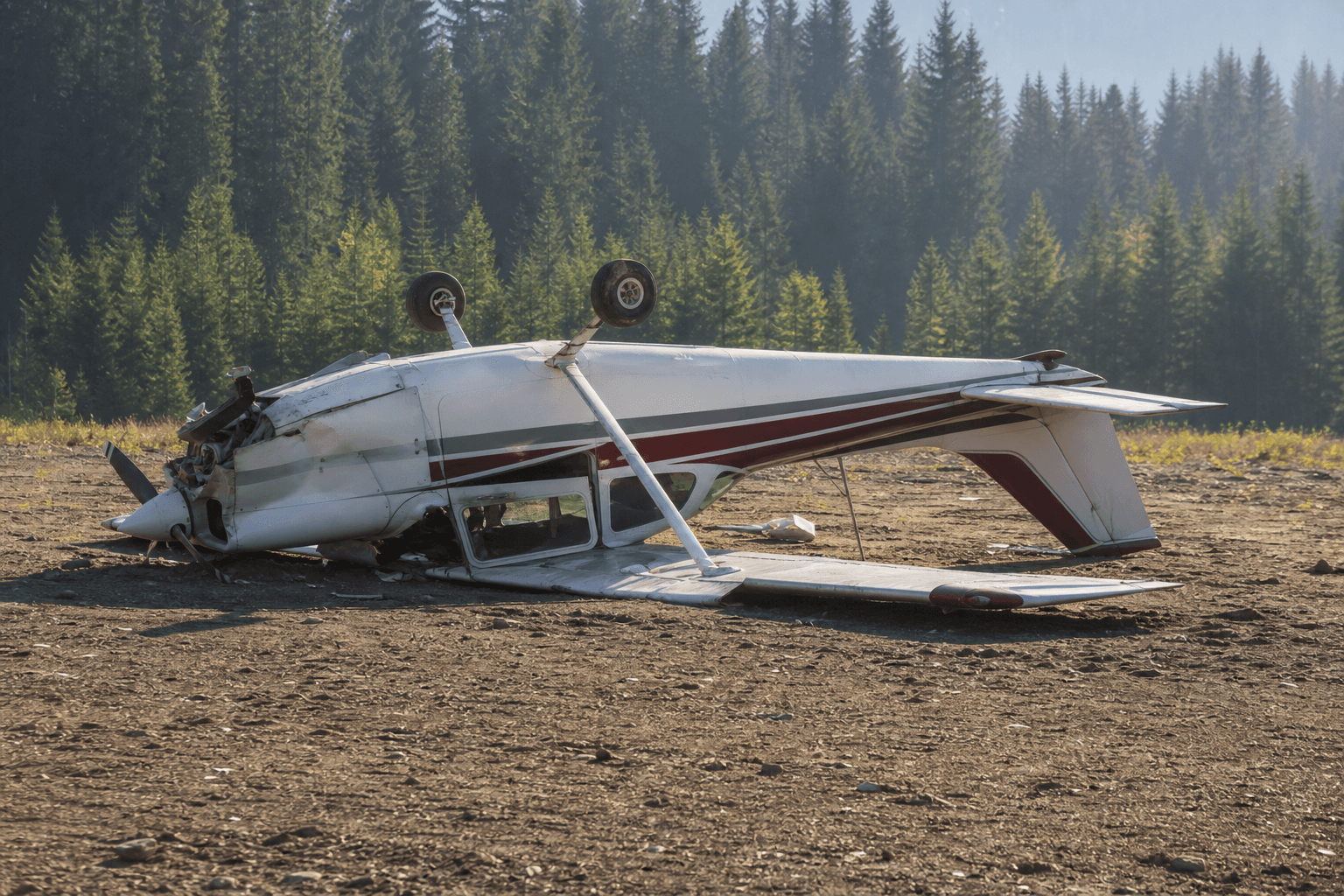
A recent backcountry flying incident ended with a small plane flipped upside down after attempting a landing in challenging terrain. The pilot, nicknamed Kenny, experienced difficulties during the landing phase, which resulted in the aircraft coming to rest inverted. Although the mishap was serious, it fortunately did not lead to any fatalities, turning the episode into a key learning opportunity for pilots flying in rugged, remote settings.
Backcountry flying involves landing in areas that are typically unprepared for standard aircraft operations, such as dirt strips, fields, or mountainous clearings. These environments necessitate heightened pilot skill and situational awareness due to uneven terrain and limited infrastructure. The incident underscores how quickly conditions can shift and why precise control during landing is paramount.
The communication exchange captured the critical moment when a voice over the radio cautioned about Kenny's inverted aircraft. This real-time alert highlights the value of radio contact and support among backcountry pilots. Sharing experiences from such incidents helps build a culture of safety and preparedness in the community, ultimately promoting better outcomes in future scenarios.
Historically, backcountry mishaps have been valuable learning moments for pilots and support organizations alike. Such events drive improvements in pilot training focused on off-airport landings, better risk assessment, and a more cautious approach to flying in remote areas. Experienced pilots encourage beginners to study these cases to understand hazards beyond traditional airport operations.
Looking ahead, as backcountry aviation grows in popularity, especially among recreational pilots, the importance of ongoing education and emergency preparedness cannot be overstated. Pilots must continually refine their approach techniques and familiarize themselves with the unique challenges of uneven landing sites to reduce the risk of accidents.
The incident with Kenny's upside-down landing serves as a timely reminder of the complexities involved in backcountry aviation. It offers a stark example but also inspires a proactive stance on safety, pushing the community to share lessons and develop best practices that can safeguard pilots venturing into remote airstrips.
More in Airlines

Airbus readies for decision on 'simple' A220 stretch to match customer demands
Airframer continues to analyse options for notional -500 variant but pledges to retain Pratt & Whitney as programme's sole engine supplier. Airbus appears to be leaning towards a quick and "simple" stretch of the A220 narrowbody that would add around five rows of seats, putting capacity in the region of 185 passengers, if it decides…
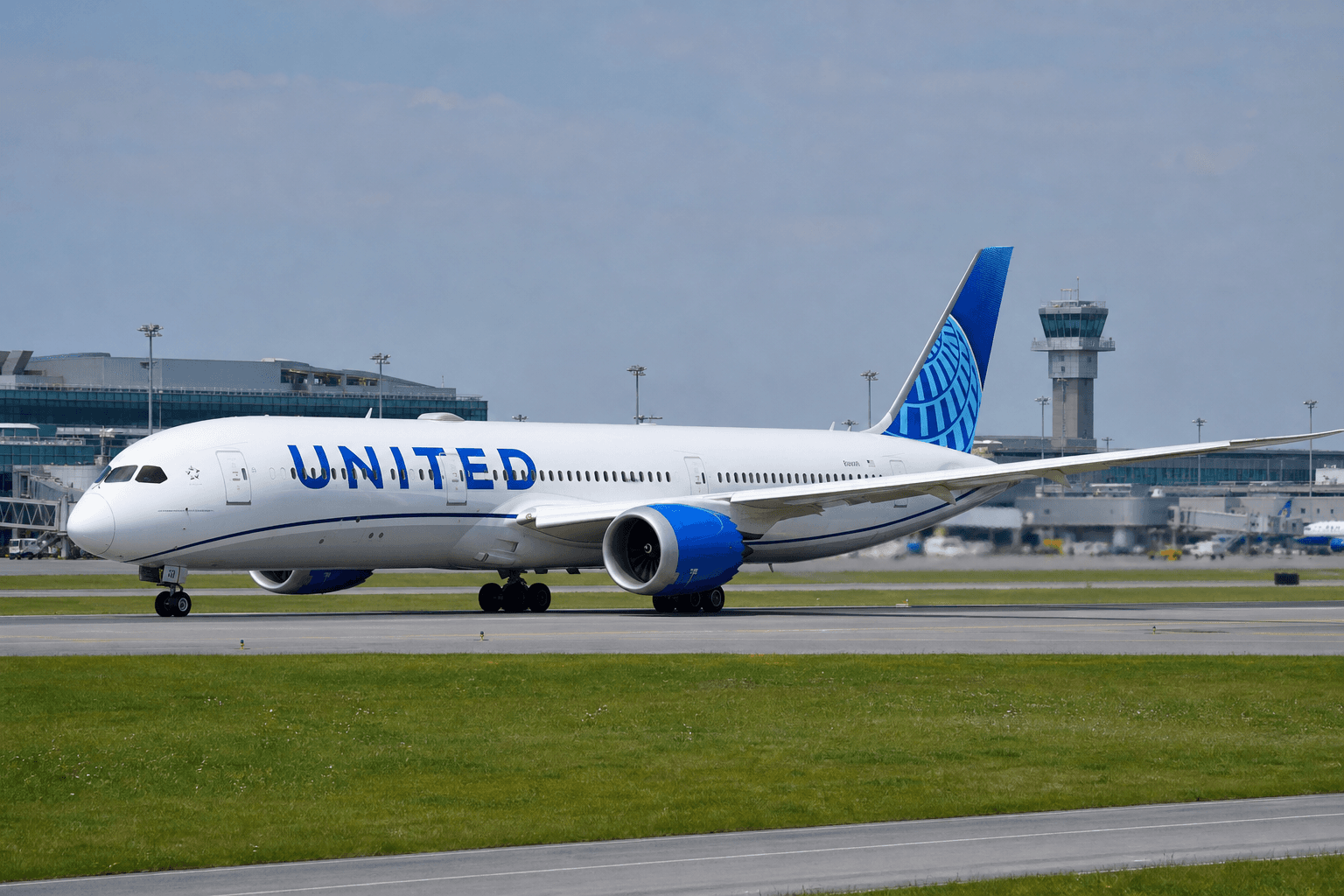
Here's How United Airlines' Boeing 787 Dreamliner Fleet Is Absorbing The Shock Of A Forced 777 Grounding
Timely investment in the Boeing 787 Dreamliners has helped United keep its operations steady.
![11-Hour Flights: Turkish Airlines' Surprisingly Long Boeing 737 MAX Routes Revealed [Map]](/_next/image?url=https%3A%2F%2Favoibnodqwjxlpbhunuu.supabase.co%2Fstorage%2Fv1%2Fobject%2Fpublic%2Fstory-images%2Fai%2F11-hour-flights-turkish-airlines-surprisingly-long-boeing-737-max-routes-reveale-ccfb8e8e.png&w=3840&q=75)
11-Hour Flights: Turkish Airlines' Surprisingly Long Boeing 737 MAX Routes Revealed [Map]
They are all one-stop services to Africa, with the MAX being the airline's leading equipment to the vast continent. Find out more here!
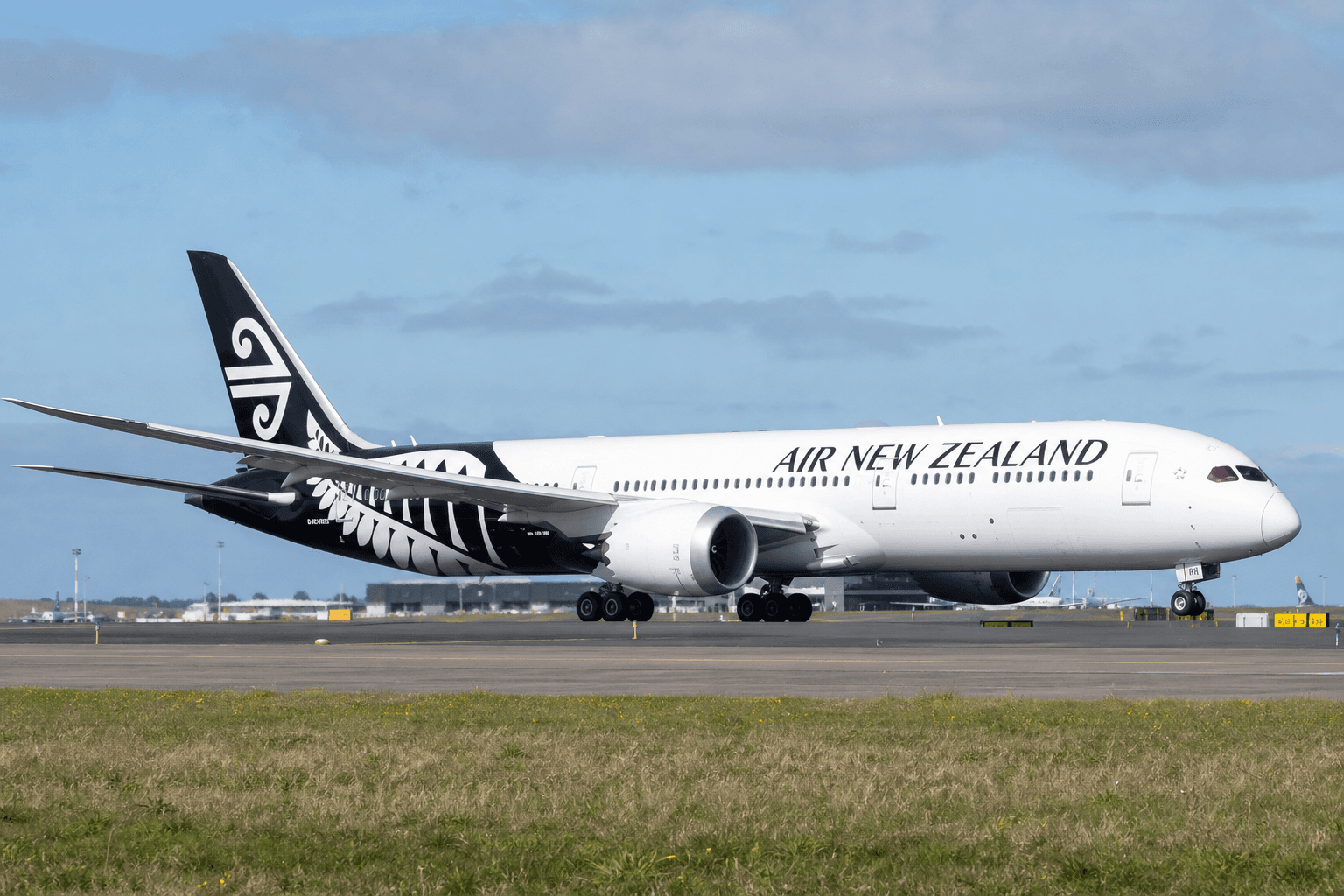
Air New Zealand maps recovery from engine and fuel challenges
Chief executive Nikhil Ravishankar must, as he puts it, "walk and chew gum" at the same time. The Auckland-based Star Alliance carrier was hit hard by the soaring jet fuel costs this spring just as it was putting its years-long engine availability issues in the rearview mirror. On one hand, Air New Zealand needed to…