


Illustration: The Touch & Go
Airbus nears decision on straightforward A220-500 stretch with Pratt & Whitney engine
Airbus intensifies work on a simple A220 stretch to about 185 seats, favoring the existing Pratt & Whitney powerplant amid customer demand for low-risk, fast market entry.
The gist
Airbus eyes a quick, simple A220 stretch seating 185 passengers, keeping Pratt & Whitney engines as sole suppliers.
Continuing coverage
All Airbus →- Airbus Surpasses 1,000 Net Orders in 2026 Following Strong July Demand
- Airbus delivers 67 jets in July 2026, sales momentum cools but stays strong
- Airbus A321XLR Challenges Hub-and-Spoke Model with Long-Range Narrowbody Flights
- Airbus Posts Strong H1 2026 with 351 Aircraft Deliveries and Record Order Backlog
- Rolls-Royce Estimates Up to Seven Years to Develop Engine for Stretched Airbus A350-2000
Airbus is advancing its evaluation of a potential A220 variant stretched to accommodate approximately 185 passengers, dubbed the A220-500, emphasizing a straightforward design and swift market introduction. The company is conducting engineering assessments and gathering customer feedback but has not yet set a firm launch date. The effort reflects airlines’ preferences for minimal complexity and reduced risk in upgrades to the popular narrowbody family, which currently features the A220-100 and -300 variants.
The A220 program at Airbus Canada, managed from the Mirabel production center in Montreal, has accelerated internal studies this year, signaling the importance placed on this potential model expansion. Guillaume Chevasson, CEO of Airbus Canada, noted the significant focus on balancing capacity gains with weight and range considerations, aiming to maintain the aircraft’s efficiency and operational appeal. Current studies seek to pinpoint the optimal seat count and structural changes needed for this incremental capacity increase.
One critical dimension of the project is the propulsion source. Early speculation suggested Airbus might introduce CFM International’s Leap engine as an alternative to the A220’s incumbent Pratt & Whitney PW1500G turbofan. However, Airbus executives have confirmed commitment to Pratt & Whitney as the sole engine supplier for the new variant. Chevasson cited ongoing enhancements in PW1500G durability and reliability, which have resulted in reduced aircraft-on-ground events, reinforcing trust in the established powerplant partnership.
From Pratt & Whitney’s side, the company is deeply engaged in trade-off analyses with Airbus to align engine performance with the projected requirements of the stretch variant, though final engine configurations remain unannounced. Scott Kreamer, head of the PW1500G program, emphasized Pratt & Whitney’s dedication to the A220 family and readiness to support future variants, underscoring the stability of the existing supplier link despite market speculation.
Production line implications are also a focus, with Airbus aiming to produce the A220-500 on the existing Mirabel final assembly line. Maintaining or increasing output rates amidst introduction of a larger variant presents logistical challenges. Airbus intends to ramp up deliveries from current rates toward a target of 13 to 14 aircraft per month by 2028. Adjustments will be made to create sufficient surge capacity for the new variant to achieve parity with legacy models’ production speed.
Airbus remains confident that the 185-seat A220-500 will coexist with the Airbus A320neo family without significant internal competition. Christian Kley, head of single-aisle market development for Airbus, suggested that differences in fleet commonality and production dynamics will help preserve customer differentiation among available models. The stretch variant would expand the A220’s market appeal by filling niches between the current A220 models and the larger A320s, broadening airline fleet strategy options.
Recent supply chain improvements have supported these production plans. Airbus’s integration of Spirit AeroSystems’ Belfast wing manufacturing facilities since late 2025 has alleviated past bottlenecks at the wing production stage, contributing to more reliable output targets. Additionally, Airbus is diversifying fuselage structure suppliers, involving Chinese SACC and Italy’s Leonardo to reinforce production resilience across center, rear, and potentially future forward fuselage components, enhancing overall program stability.
Profitability remains a paramount goal for Airbus in the A220 program as production scales up. Chevasson indicated the company is nearing break-even levels and is focused on sustaining momentum toward profitability while accommodating the new stretch variant. With a clear strategy to deliver increased capacity without compromising program economics, Airbus is positioned to offer airlines a compelling aircraft family that meets evolving market requirements and increases manufacturing efficiency.
Read more
All Airlines →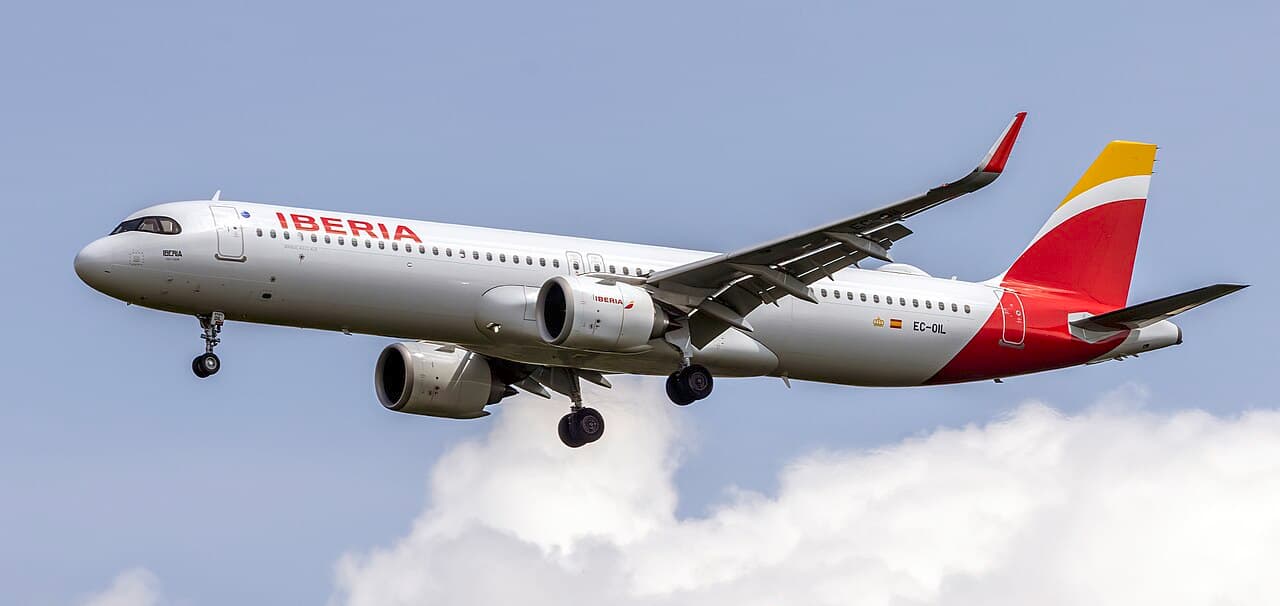
Airbus A321XLR Challenges Hub-and-Spoke Model with Long-Range Narrowbody Flights
Long-haul international travel has, for many of the largest airlines of the modern age, operated using a simple economic formula. The goal is to gather passengers from regional spoke airports, funnel them through mega-hubs like London Heathrow , Frankfurt , or Atlanta , and consolidate them onto twin-engine or four-engine widebody jets. Connecting traffic was the only way airlines could consistently guarantee high load factors on 250-to-300-seat aircraft when crossing oceans. However, the arrival of the Airbus A321XLR has changed this thinking by introducing a single-aisle jet capable of flying 4,700 nautical miles (8,704 km).
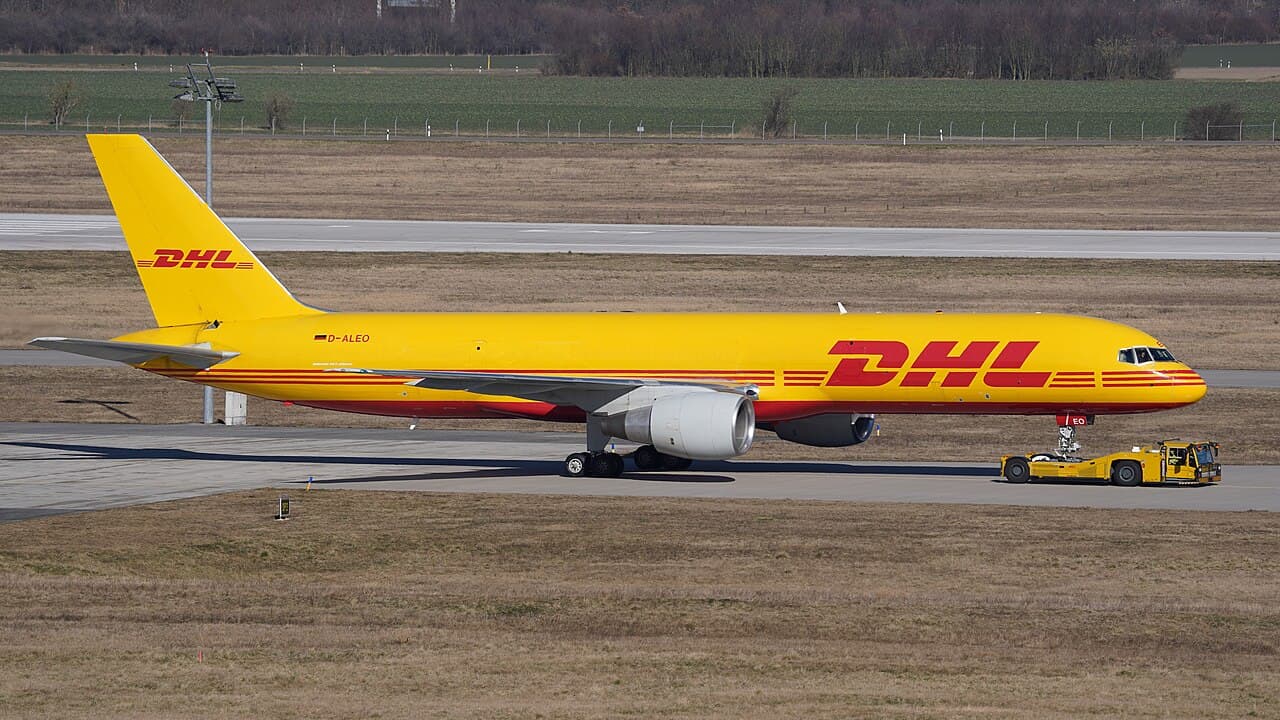
Delta Flight 2204 Returns to Atlanta After Cockpit Fumes, Evacuates Passengers Safely
A Delta 757 returned to Atlanta shortly after takeoff after pilots reported smoke and fumes in the cockpit, donned oxygen masks, and told passengers to brace for landing. The plane landed safely, but after smoke was reported in the back of the aircraft, nearly 200 passengers evacuated by slides on a taxiway before continuing to Orlando on a replacement aircraft.
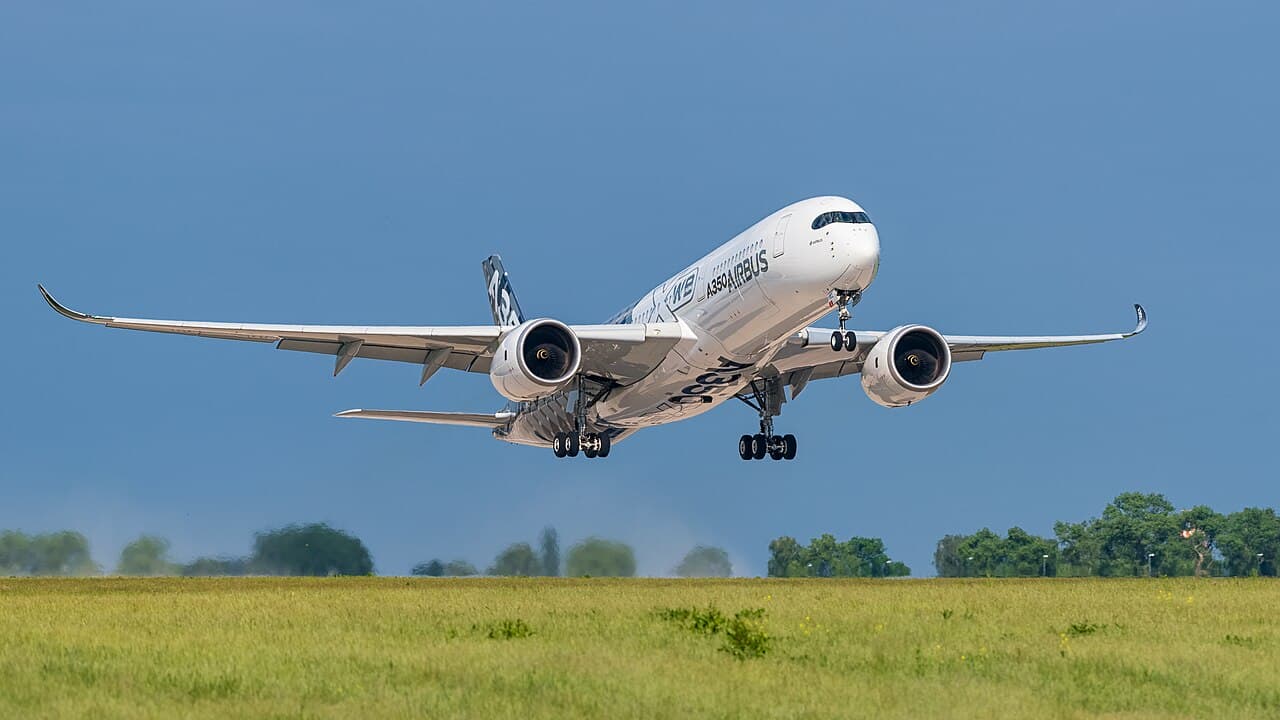
Airbus A350 Business Class Narrows Gap on First Class Value Despite Price Premium
The Airbus A350 has become one of the world's premier long-haul airliners, serving flagship routes for airlines across Europe, Asia, the Middle East, and North America. Alongside its quieter cabin, lower cabin altitude, higher humidity levels, and wider fuselage, the aircraft has also become a showcase for some of the aviation industry's most advanced premium cabins.
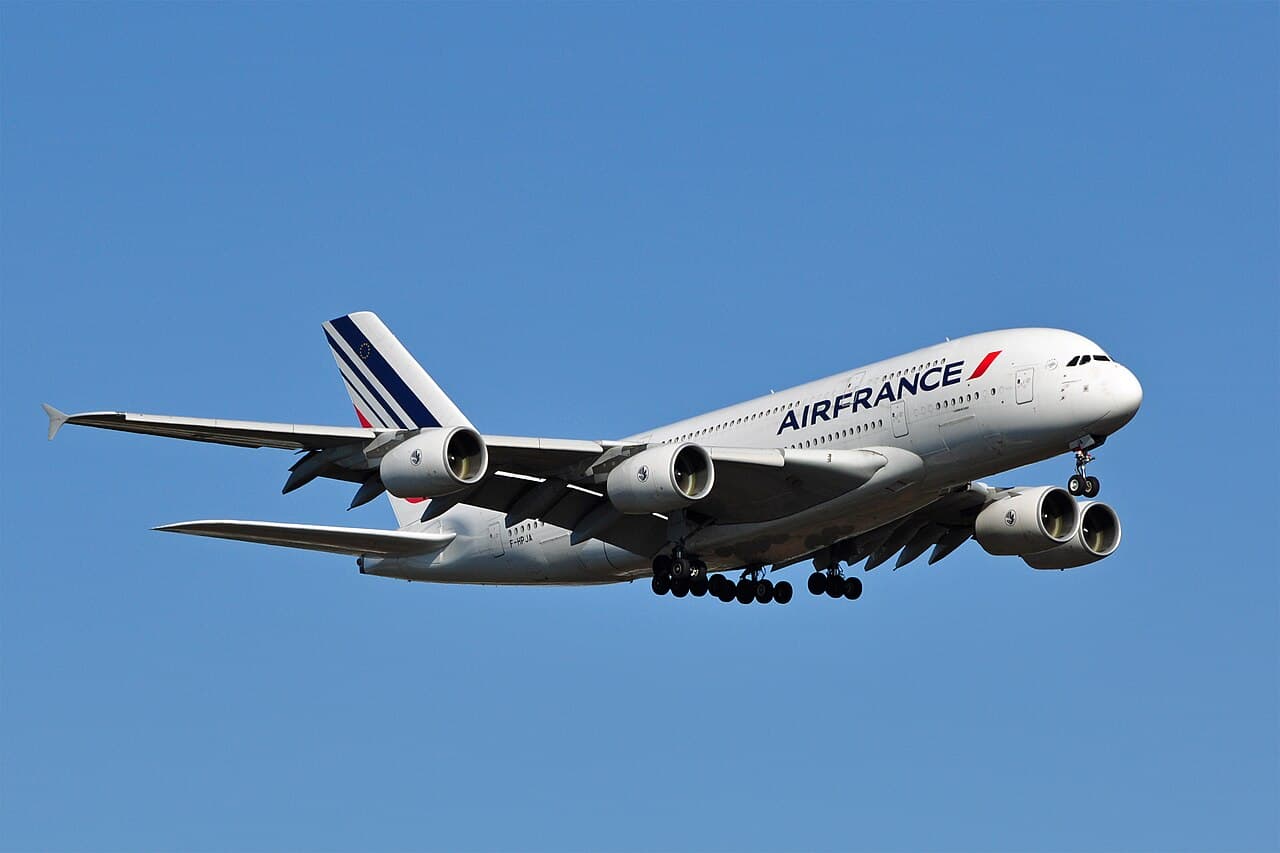
Concorde's Speed Outshone Cabin Comfort on Transatlantic Flights
Concorde flew paying passengers for nearly 28 years between 1976 and 2003, carrying up to 100 passengers at Mach 2 across the Atlantic in 3 hours, 30 minutes. The aircraft is remembered for its speed, its exclusivity, and the experience of flying at 60,000 feet (18,288 m) at the edge of space. Whether it was actually comfortable is a different question, and the answer depends on what the word means in the context of a flight that lasted less time than a drive from Manhattan to the Hamptons on a Friday afternoon.
The Daily Touch & Go
The day's best aviation news in your inbox. Free, no spam.