

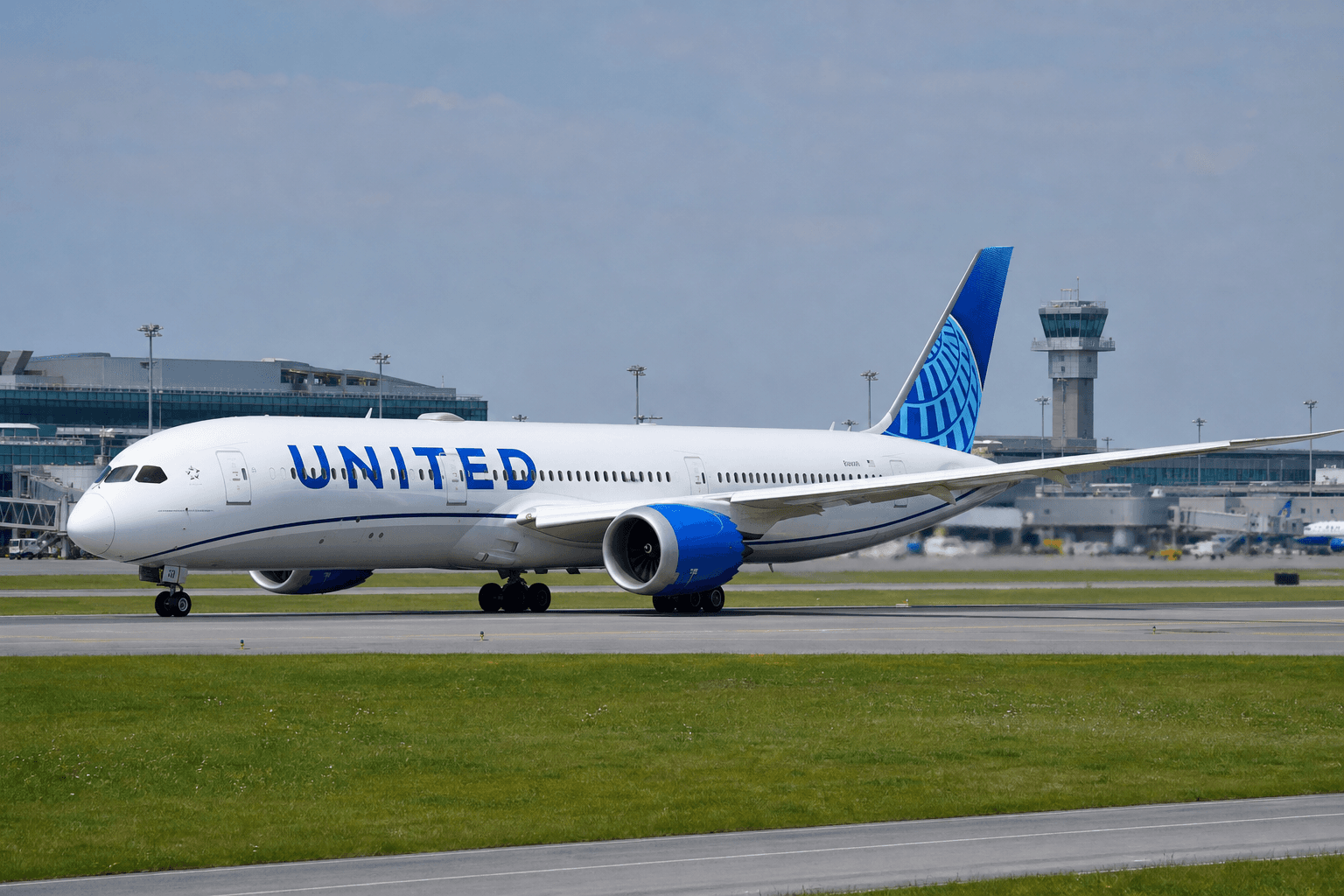
Illustration: The Touch & Go
United Airlines relies on Boeing 787 fleet to offset grounding of 777-200s
United Airlines leans on its large fleet of Boeing 787 Dreamliners to maintain service amid Pratt & Whitney engine component shortages grounding many 777-200 aircraft.
The gist
United’s 787 Dreamliners fill the gap left by grounded 777-200s, preserving routes and boosting premium cabin revenue.
United Airlines is successfully absorbing the impact from a forced grounding of its Boeing 777-200 aircraft through strategic utilization of its extensive Boeing 787 Dreamliner fleet. The legacy 777s, powered by Pratt & Whitney engines, are grounded due to widespread component shortages, resulting in at least 14 aircraft entering long-term storage at locations like Victorville, California. Despite this setback affecting a significant portion of its widebody fleet, United has maintained seamless service, supported by the modern and versatile Dreamliners.
With a global fleet composed of over 80 Boeing 787s, United's readiness has allowed it to offset the loss of 777-200 capacity without service disruptions. The carrier operates all three Dreamliner variants — 12 787-8s, 54 787-9s, and 21 787-10s — giving it remarkable operational flexibility. This large Dreamliner pool enables a plug-and-play approach where routes formerly served by 777s, including Hawaii and several European destinations, are now flown by 787s, ensuring network continuity during the 777s’ downtime.
The airline’s 787-9 deliveries are especially critical this year, with approximately 20 fresh aircraft entering service in 2026. These new Dreamliners sport an 'elevated' interior designed to enhance passenger experience, particularly on long-haul flights to cities like Honolulu, Maui, Athens, Amsterdam, Barcelona, and Munich. United’s existing expertise with 787 operations—including experienced pilots and maintenance personnel—smooths the transition and helps sustain premium service levels on routes benefiting from the Dreamliners’ advanced features.
United’s investment in the 787 fleet pays off not just operationally but financially. Their 2026 first quarter revenue hit $14.6 billion, bolstered notably by a 10% year-over-year increase in premium cabin income. The newer Dreamliners offer enhanced cabin humidity, larger windows, customizable lighting, and spacious interiors that appeal to premium and economy passengers alike. The modular cabin design allows United to tailor high-value premium economy and business class products, reinforcing strong revenue margins.
Fuel efficiency and maintenance advantages of the 787 family contribute substantially to United's financial health. Constructed predominantly of carbon fiber composites and featuring advanced electric systems, the 787 burns up to 25% less fuel per seat relative to the older 767 and 777-200 it replaces. Additionally, lower maintenance requirements and better reliability reduce operating costs. This combination supports profitability even as legacy 777-200s spend extended periods out of service due to engine parts scarcity.
The grounding of Pratt & Whitney-powered 777-200s has exposed the vulnerability of relying heavily on an aging fleet with complicated engine maintenance demands. United's foresight in steadily modernizing its widebody fleet with the 787 has proven crucial. The Dreamliners not only fill capacity gaps but also allow the airline to focus on lucrative routes, including ultra long-haul nonstop flights such as San Francisco to Singapore and Sydney. This preserves United’s competitive edge in international markets.
United's adoption of the 787 also reflects a strategic shift toward premium-heavy configurations on long-haul widebodies. For instance, the 787-9 ‘elevated interior’ includes up to 99 premium seats, comprising business-class Polaris suites and premium economy, a reversal from older trends that maximized economy seats. This premiumization aligns with post-pandemic demand, where business and high-end leisure travelers generate disproportionate revenue, allowing United to capitalize on rising fare yields even amidst broader travel market fluctuations.
In essence, United's dominant 787 fleet provides operational resilience and financial robustness during the 777-200 grounding crisis. Its capacity depth grants control over route networks and pricing power without sacrificing service to key seasonal or international destinations. This situation exemplifies the importance of fleet modernization and diversification in safeguarding airline operations against unforeseeable mechanical or supply-chain disruptions.
Read more
All Airlines →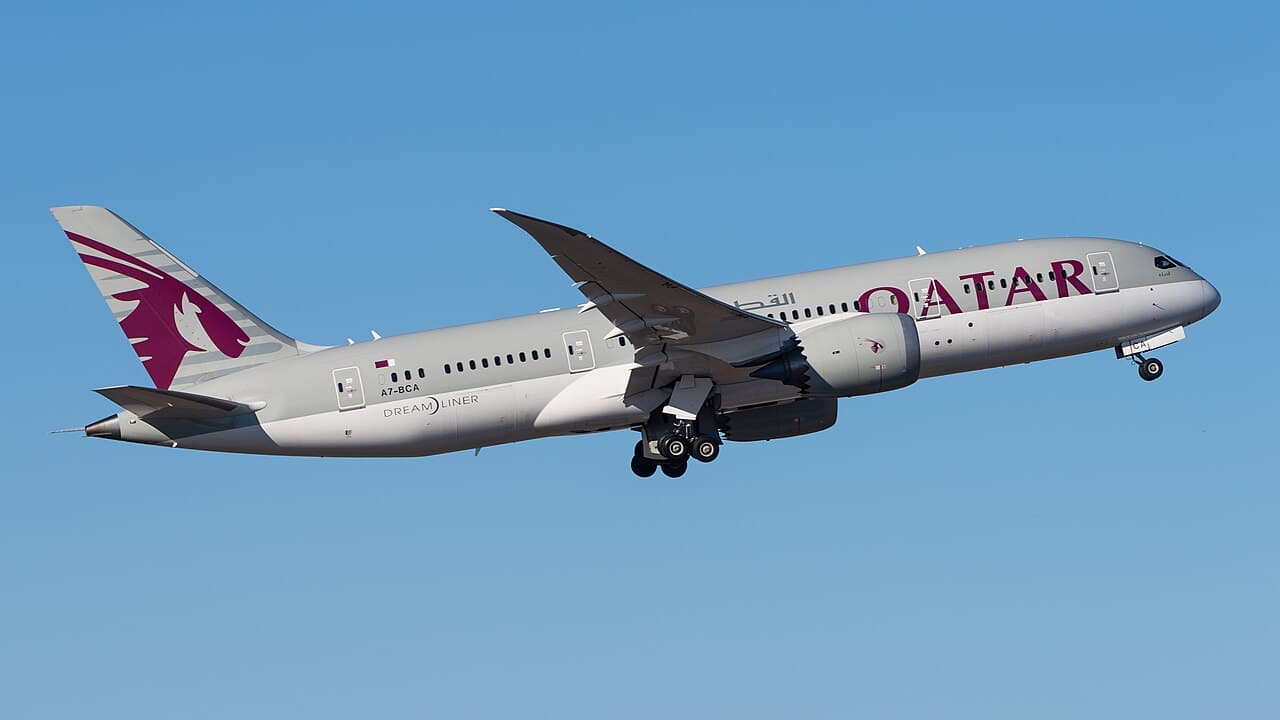
Study Finds GEnx-Powered Boeing 787-10 Leads Widebody Fuel Efficiency Among 14 Competitors
An Aircraft Commerce study comparing 14 widebody aircraft-engine combinations across five routes found that the GEnx-powered Boeing 787-10 produces the lowest fuel burn per available seat mile of any widebody configuration currently in service. The finding ranked the 787-10/GEnx ahead of the same aircraft with Trent 1000 engines, ahead of both A350 variants, and ahead of every older widebody type including the 777-200ER, 777-300ER, and 747-400.
Norse Atlantic Eyes Sale or Merger After IndiGo Leasing Deal Ends
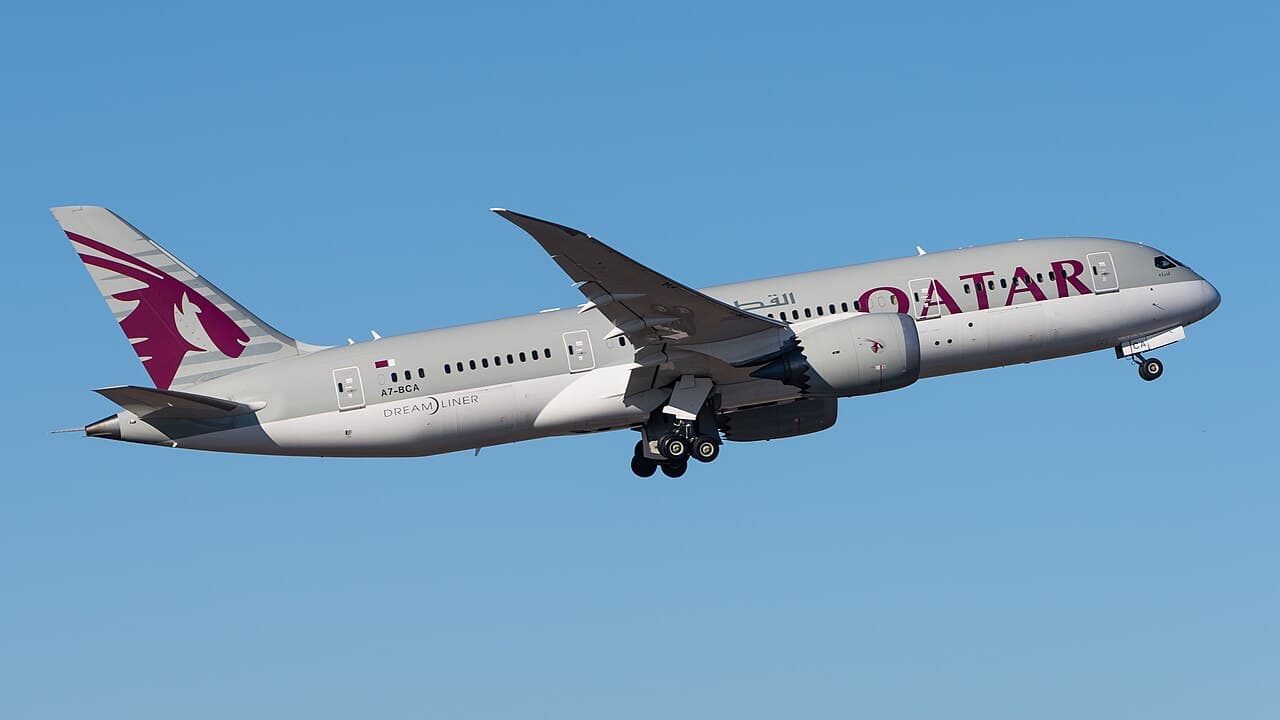
All-Boeing 787 airline Norse Atlantic Airways is pursuing a sale, merger, or partnership, as the airline has otherwise run out of viable options, after India's IndiGo pulled the plug on its aircraft leasing agreement. To Norse Atlantic's credit, the airline sure is putting a positive spin on this . Is there any chance this will work out well for the airline, or is this overoptimism? Norse Atlantic gets back 787s, has nowhere to fly them The airline industry can be a funny business, and there's no clearer example of that than Norse Atlantic Airways. The airline launched in 2022 , with the goal of operating long haul, low cost flights, particularly across the Atlantic. That wasn't exactly a unique business model, because this was exactly what Norwegian did, before it discontinued long haul flights in 2021 . Not only was the idea sort of copied, but Norse Atlantic had some executives from Norwegian, and even picked up the planes that Norwegian previously flew. But as is all too common in the airline industry, clearly they thought it would be different this time around… it wasn't. So in 2024 we saw the airline update its business model , making the focus less about operating regularly scheduled commercial flights, and more about leasing out aircraft, all while reducing its fleet. The company got a lifeline when IndiGo decided to lease some Norse Atlantic 787s to dabble in long haul flying, ahead of the airline taking delivery of its own Airbus A350s . However, between all the airspace closures, high oil costs, and generally declining performance at IndiGo as the airline increasingly moves away from its core strengths, the airline has now decided to scrap that experiment. These planes will be returning to Norse Atlantic as of November 1, 2026. This means Norse Atlantic will be getting back five Dreamliners (beyond the one that has already been returned), just in time for the winter season… which isn't exactly the ideal time of year for a long haul, low cost airline to get more planes! So what's the plan? Norse Atlantic's IndiGo leases are coming to an end Norse Atlantic now open to basically any opportunity What does Norse Atlantic plan to do with these planes that are being returned? Well, let me just quote the airline. Here's what it had to say about fleet deployment: Norse is already engaged in discussions with several airlines regarding ACMI opportunities for up to five aircraft and expects to provide further updates in due course. Moreover, the Company intends to deploy part of the returning fleet within its own network for increased production on selected profitable routes during the upcoming winter season, such as flights from Europe to Orlando and New York. And here's the more interesting point, about a strategic update: The transition provides Norse Atlantic with greater fleet flexibility as the Company advances its strategic review. Given the level of interest received to date as part of the strategic review, the Board has decided to move forward with a formal process, which may result in a sale, merger or partnership. Further information will be provided as and when appropriate. I also can't help but point out this quote from Norse Atlantic CEO Eivind Roald: "The return of these six aircraft opens up strategic opportunities that were not available to us before. We are seeing strong demand for modern, fuel-efficient long-haul aircraft, and we also see attractive opportunities to deploy additional capacity within our own network. Our priority is to use this increased flexibility to improve profitability and create long-term value for our shareholders." Correct, when you run out of business opportunities, that does indeed open up strategic opportunities that were not available before! Now, I'm struggling to see where there's much upside here. Norse Atlantic leases its fleet of planes, so it's not like an "acquisition" of a company that barely has scheduled flights and that is struggling to lease out aircraft adds much value. If Norse Atlantic's own scheduled operations were anywhere close to profitable on a year-round basis, the airline wouldn't be in this situation. If someone wanted the planes, well… they could just do what Norse Atlantic did to Norwegian. Wait until the company goes out of business and the planes are returned to the leasing company, and then pick them up there. I'm not trying to be so flippant, I feel bad for the people who would be losing their jobs here. But we also have to be realistic that basically replicating a failed business model with the same planes and similar routes isn't a recipe for success. We've seen this over and over… just look at what we saw in Iceland with WOW Air and then PLAY Airlines. Norse Atlantic's top cabin is premium economy Bottom line Norse Atlantic is once again finding itself in a tough situation — well, even tougher situation, since I don't think it was ever in a good situation. For the past 18 months or so, the airline has been leasing out a majority of its active fleet to IndiGo, but those planes will be returned as of late 2026. While the airline claims it will try to redeploy the planes on profitable routes, that's easier said than done. It's also reportedly in talks to lease the planes to other airlines. The company is pursuing "strategic opportunities," which could include a sale, merger, or partnership, but the upside seems pretty limited when your planes are leased in the first place. How do you see this situation playing out for Norse Atlantic?
United Airlines CEO Claims Only Two Premium Airlines Will Last as Service Complaints Mount
United CEO Scott Kirby says only two premium airlines can exist, but passenger photos of broken tray tables, dirty seats, and a battered club sofa are not helping United's case. Also Avios devaluation risk, Singapore Airlines' new first class concierge trial, DFW's plan to buy the Hyatt Regency, and a useful Blacklane credit stack.
Frequent Flyer Award Loopholes Close as Airlines Tighten Elite Perks
The frequent flyer ecosystem has operated on a silent contract between airlines and their most loyal customers, but now that contract seems to be ending. There was once a period defined by the exploitation of fixed award charts, complex routing rules, and the mathematical beauty of carrier-imposed surcharges. Travelers spent years reverse-engineering award flight availability, viewing the loyalty landscape as a puzzle where deep knowledge of program intricacies provided access to premium cabins for a fraction of their cash value.
The Daily Touch & Go
The day's best aviation news in your inbox. Free, no spam.