

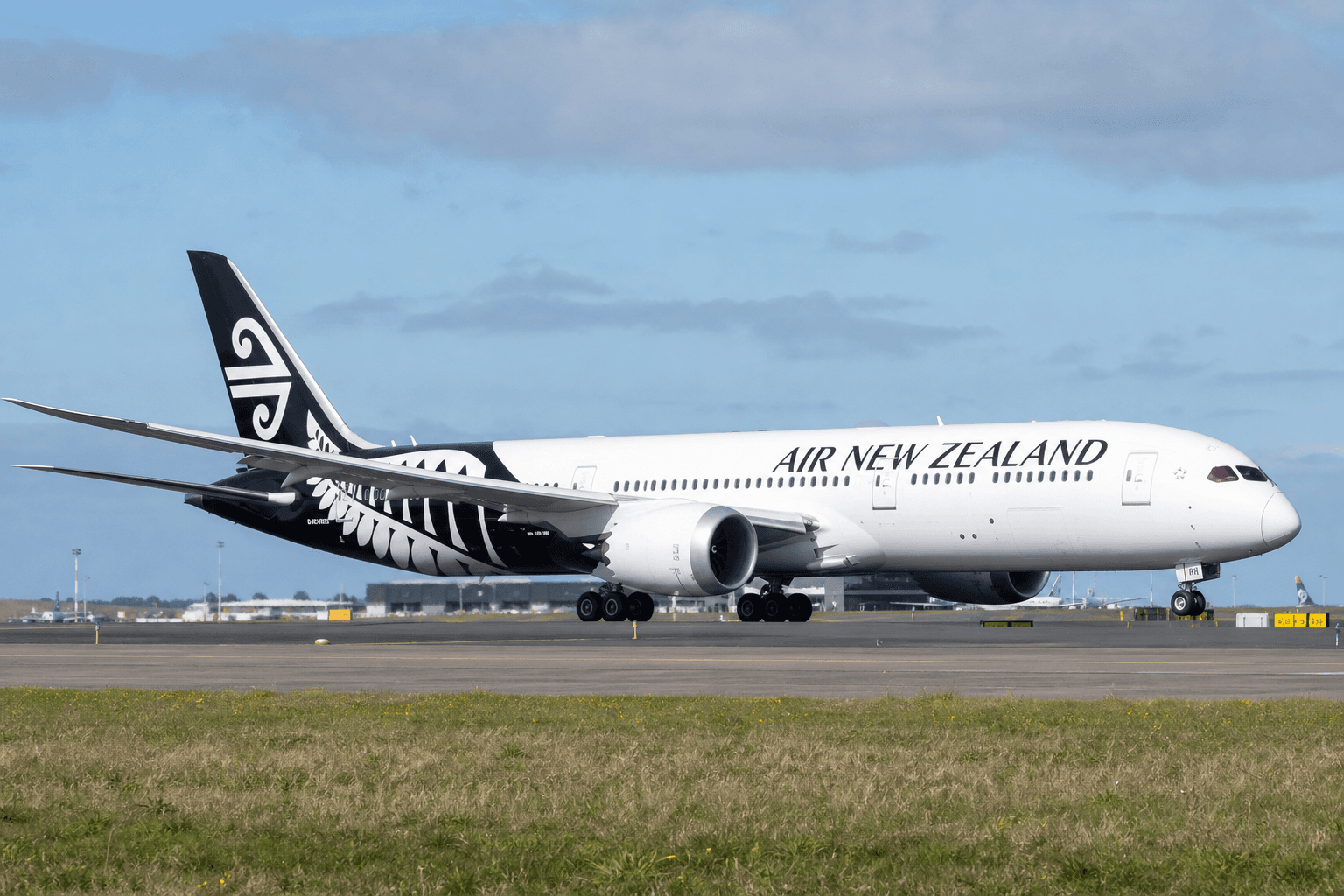
Illustration: The Touch & Go
Air New Zealand balances recovery with soaring fuel costs and fleet challenges
CEO Nikhil Ravishankar navigates Air New Zealand through rising jet fuel prices and aircraft availability issues while planning network growth.
The gist
Air New Zealand faces high fuel costs and engine troubles but plans new routes and innovations as capacity returns.
Air New Zealand is grappling with a complex operational environment as soaring jet fuel prices hit its financial results while previously grounded aircraft become ready for service. The Auckland-based carrier, led by CEO Nikhil Ravishankar, disclosed an expected operating loss of NZ$340-390 million for the fiscal year ending June 2026, more than doubling previous forecasts due largely to the spike in fuel costs. This financial pressure comes amid the lifting of long-standing engine reliability problems that had grounded a significant portion of its fleet.
Ravishankar explained the dual challenge faced by Air New Zealand involves managing immediate cost pressures from fuel while simultaneously preparing for network growth that had been deferred for nearly six years. The airline has proactively trimmed capacity through October 2026, planning to operate 7-8% fewer available seat kilometres during the upcoming low season and considering a 5% reduction in peak northern winter 2026 capacity, although those plans remain flexible as fuel markets evolve.
Fuel inflation particularly burdens Air New Zealand given New Zealand’s reliance on imported jet fuel, which arrives via multi-step routes through Asia rather than directly from Gulf producers. The airline benchmarks its fuel cost against Singapore jet fuel prices, which reached a peak equivalent to $220 per barrel earlier in 2026 before easing to around $140 per barrel in early June, still substantially above pre-conflict levels near $85 per barrel.
Separately, the signing of a peace agreement between the U.S. and Iran on 17 June reopened the Strait of Hormuz, easing oil shipment route tensions. However, industry analysts and the airline itself expect it to take months for global oil production and supply chains to stabilize and replenish stocks. These factors mean fuel prices will take time to fall to more manageable levels for Air New Zealand, which currently has substantial fuel reserves priced at higher historic rates.
Positively, Air New Zealand has made significant progress resolving its fleet’s engine challenges. The airline’s troublesome Rolls-Royce Trent 1000 Trent XWB engines, which grounded up to six Boeing 787-9 aircraft and forced suspensions of key routes including Chicago and Seoul, are nearing resolution with only one 787-9 currently out of service. Similarly, the majority of the Airbus A320neo fleet, previously affected by Pratt & Whitney PW1100G engine inspections and groundings, are now flying, with only one aircraft still grounded.
The improved fleet availability coincides with Air New Zealand preparing to receive two upgraded 787-9 aircraft featuring an increased maximum takeoff weight (iMTOW) in late 2026. These aircraft will extend range capabilities by approximately 350 nautical miles, enhancing operational flexibility. The carrier plans to deploy these iMTOW 787s on the Auckland to New York route, enabling the redeployment of existing 787s freed up for new markets.
Building on the improved fleet capacity, Air New Zealand will launch three new long-haul routes from Christchurch on New Zealand’s South Island to Singapore from 28 October, Tokyo Narita from 28 November, and Perth also from 30 November. Each route is scheduled to operate thrice weekly and aims to boost regional tourism and trade links with key Asian markets, signaling renewed international growth after years of constrained operations.
Further innovation comes with the introduction of the SkyNest product on the iMTOW 787s. This novel cabin feature comprises six lie-flat bunk beds located between premium and economy cabins, replacing a galley rather than passenger seats. The SkyNest beds will be bookable in four-hour blocks on Auckland-New York flights from late December, representing an evolution from the airline’s pioneering SkyCouch economy seat innovation which had been licensed to United Airlines earlier in 2026.
The airline’s CEO emphasized the need for agility amid market and operational volatility, reflecting the ongoing challenges but also the opportunities emerging from a refreshed fleet and network expansion. Air New Zealand’s approach demonstrates a balancing act between managing cost pressures and capitalizing on improving aircraft availability to broaden its international reach.
Read more
All Airlines →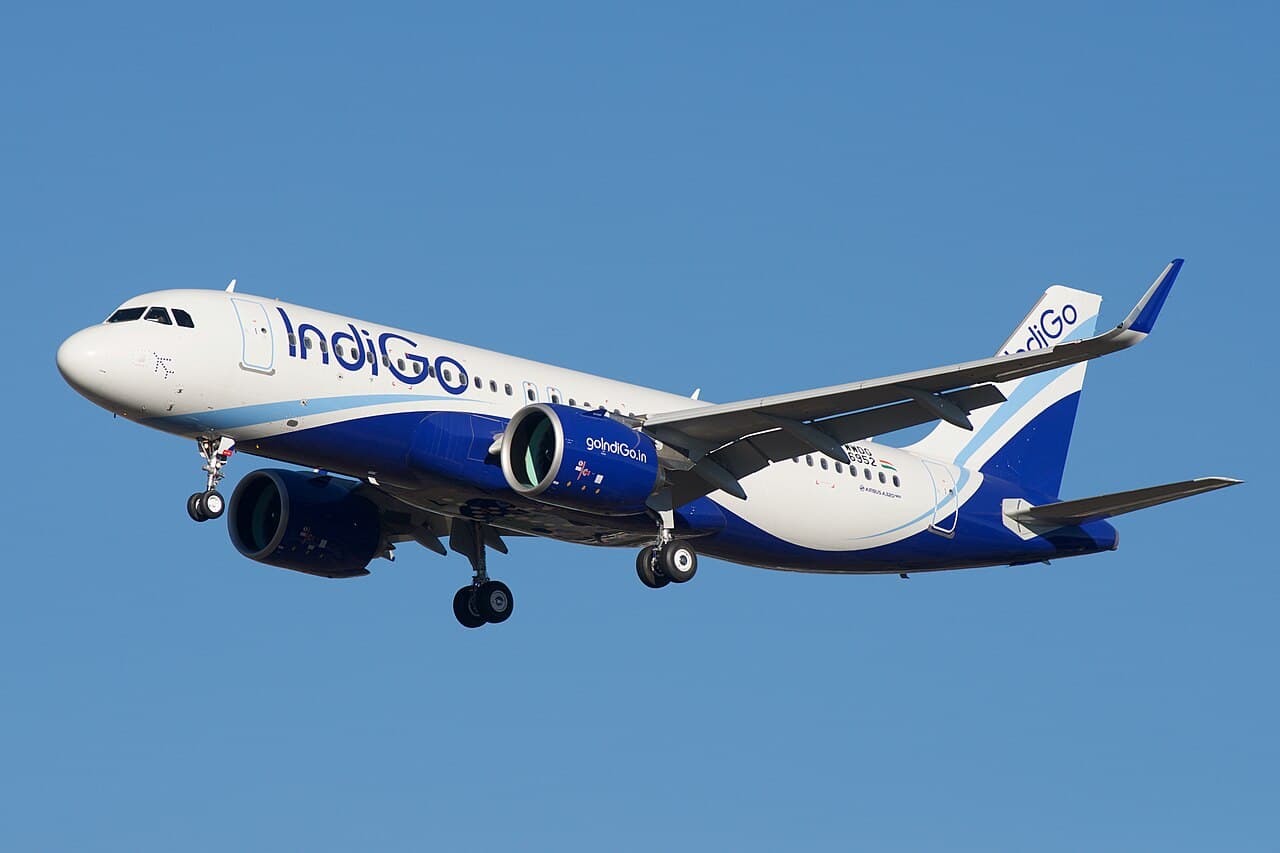
LATAM Airlines posts $227 million Q2 profit amid strong premium demand
Resilient demand for premium seats and from loyalty programme members kept LATAM in the black. LATAM Airlines Group was able to pass to customers much of the increase in fuel prices in the second quarter thanks to strong travel demand, especially for premium seats and from member of its loyalty programme. The company reported an adjusted operating profit of $227 million for an adjusted operating margin of 5.4% during the three months ending in June. Its revenue increased 28% year on year to $4.2 billion, driven by an 18% year-on-year increase in revenue per available seat kilometre, allowing LATAM to recapture much of the additional $700 million fuel expense it paid in the period. LATAM’s second-quarter expenses jumped 39% year on year to $4.0 billion. "The combination of effective execution, commercial flexibility and the resilience of LATAM's diversified business model allowed the group to increase unit revenues this quarter [and] successfully mitigate a substantial portion of that [fuel] impact," said Ricardo Dourado, the chief financial officer of LATAM, during an earnings call on 5 August. Premium-seat sales and demand from loyalty programme members showed "greater resilience" than overall demand in the second quarter, he adds. LATAM is investing in new business-class suites and premium-economy seats for its widebody Boeing 787s. Installations began in 2025 and continue across the fleet. It is also expanding the number of premium-economy seats on its narrowbody fleet of Airbus A320-family aircraft and plans to introduce the seats on Embraer 195-E2s scheduled to enter service in November. LATAM initially plans to fly E195-E2s to four new destinations and on eight new routes in Brazil. The aircraft will allow it to expand and tailor capacity on existing routes to better match demand at various times of day, chief executive Roberto Alvo says. Looking ahead, LATAM reinstated its guidance despite what Alvo says remains a "highly dynamic" market. The company expects to grow capacity, measured in available seat kilometres, 8-9% in 2026 and forecasts a 2026 adjusted operating margin of 12-13%. LATAM is scheduled to take delivery of 15 A320neo-family aircraft, one 787-9 and 12 E195-E2s in the second half of 2026, its latest fleet plan shows. It forecasts adding 27 aircraft to its fleet in 2026, bringing its fleet to 410 aircraft at year-end. LATAM can retire older Airbus A319s if the demand environment weakens, Alvo says.
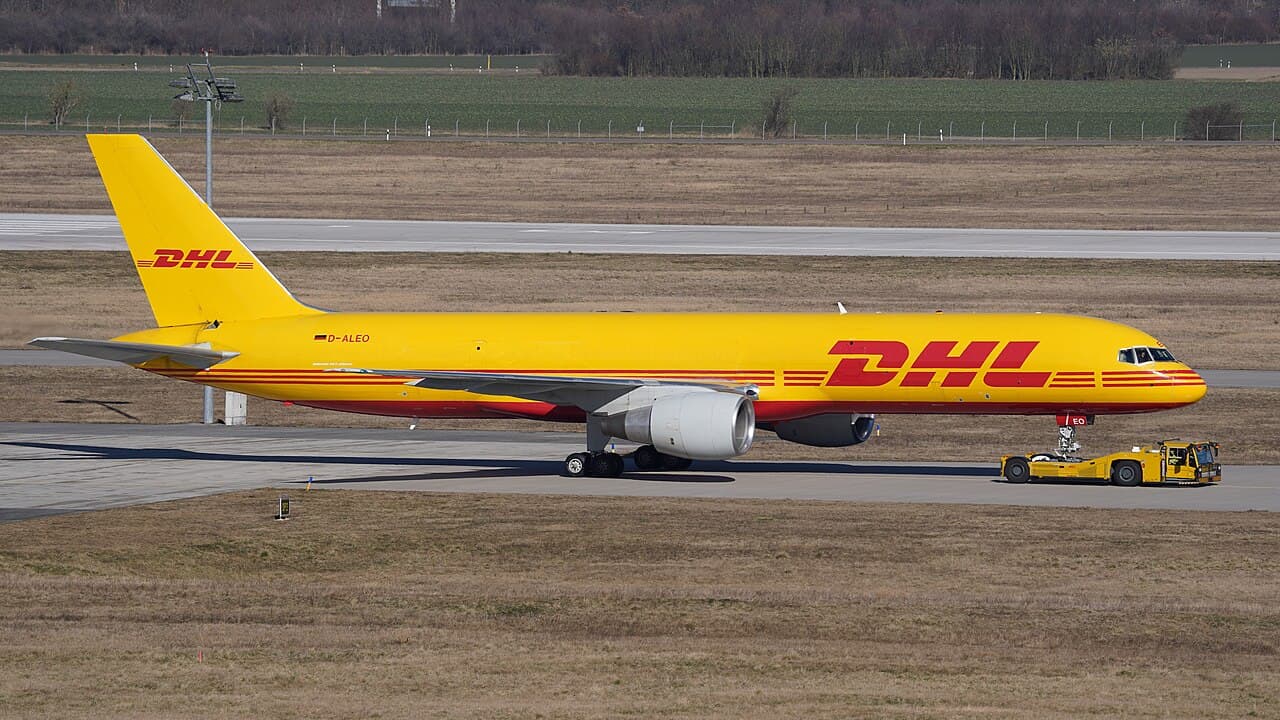
Delta Flight 2204 Returns to Atlanta After Cockpit Fumes, Evacuates Passengers Safely
A Delta 757 returned to Atlanta shortly after takeoff after pilots reported smoke and fumes in the cockpit, donned oxygen masks, and told passengers to brace for landing. The plane landed safely, but after smoke was reported in the back of the aircraft, nearly 200 passengers evacuated by slides on a taxiway before continuing to Orlando on a replacement aircraft.
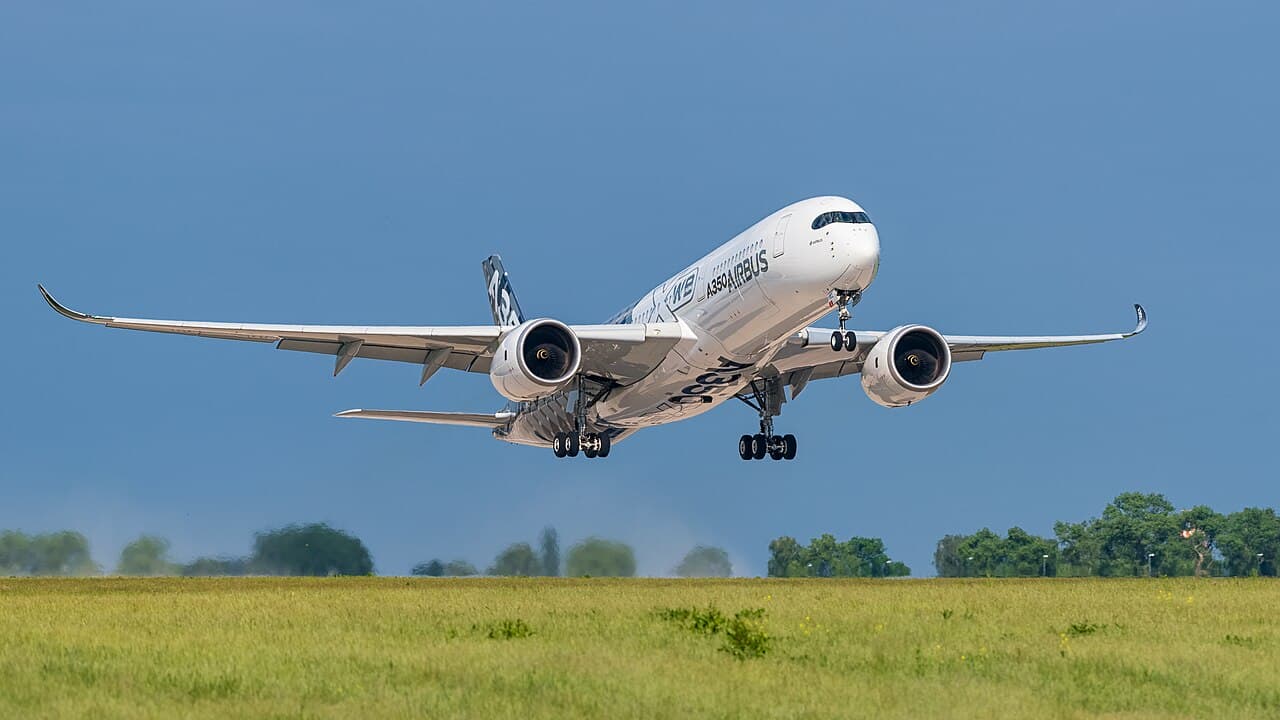
Airbus A350 Business Class Narrows Gap on First Class Value Despite Price Premium
The Airbus A350 has become one of the world's premier long-haul airliners, serving flagship routes for airlines across Europe, Asia, the Middle East, and North America. Alongside its quieter cabin, lower cabin altitude, higher humidity levels, and wider fuselage, the aircraft has also become a showcase for some of the aviation industry's most advanced premium cabins.
Concorde's Speed Outshone Cabin Comfort on Transatlantic Flights
Concorde flew paying passengers for nearly 28 years between 1976 and 2003, carrying up to 100 passengers at Mach 2 across the Atlantic in 3 hours, 30 minutes. The aircraft is remembered for its speed, its exclusivity, and the experience of flying at 60,000 feet (18,288 m) at the edge of space. Whether it was actually comfortable is a different question, and the answer depends on what the word means in the context of a flight that lasted less time than a drive from Manhattan to the Hamptons on a Friday afternoon.
The Daily Touch & Go
The day's best aviation news in your inbox. Free, no spam.