

Image: Jerry Gunner · CC BY 2.0 · via Wikimedia Commons
Russian Warplanes Near Ulleungdo Prompt South Korea's First Preemptive Air Raid Alert
Seoul warned Ulleung County residents to shelter after Russian military aircraft entered the KADIZ and closed on the island, then summoned Moscow's defense attaché over the third such entry in eight days.
The gist
South Korea issued its first preemptive air raid alert over Russian aircraft as fewer than five warplanes neared Ulleungdo and F-15Ks scrambled.
Continuing coverage
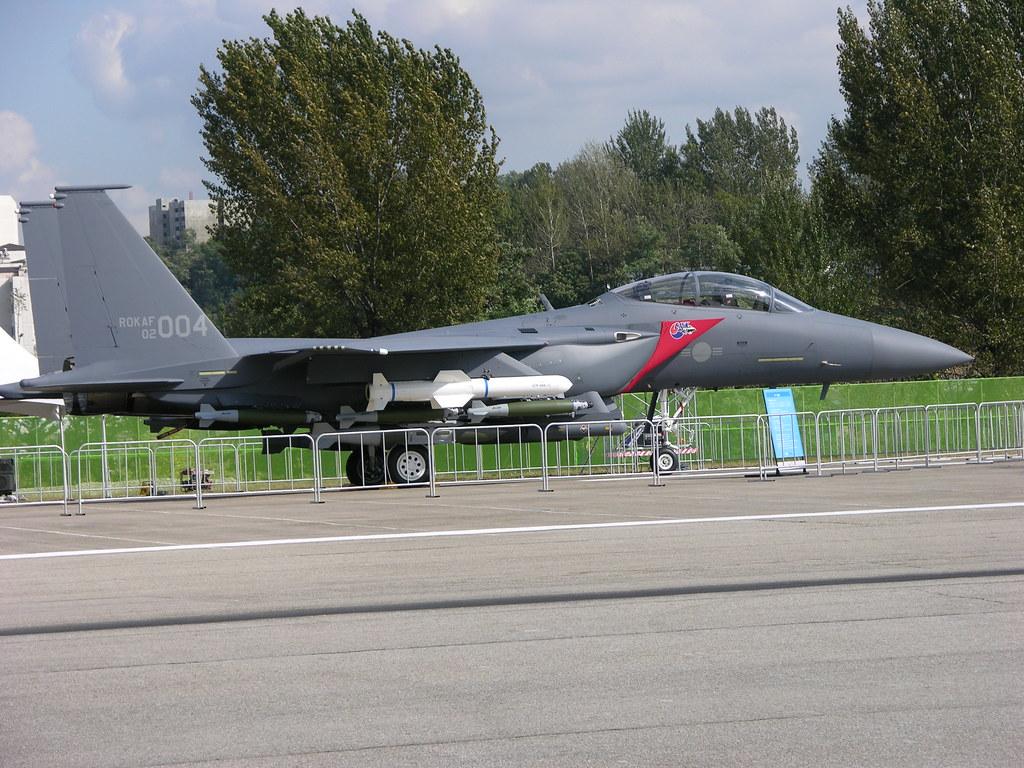
All Russia →South Korea ordered residents of Ulleung County to take shelter on November 24, 2026, after several Russian military aircraft entered the Korea Air Defense Identification Zone (KADIZ) over the Sea of Japan, known in South Korea as the East Sea, and approached the island of Ulleungdo. The Joint Chiefs of Staff (JCS) said the aircraft turned away without violating South Korean territorial airspace. According to Yonhap News Agency, it was the first time South Korea had issued a preliminary air raid alert in anticipation of a possible airspace violation by Russian military aircraft.
The JCS said it detected the Russian aircraft before they crossed into the zone. The Republic of Korea Air Force (ROKAF) scrambled fighter jets in response, and South Korean media reported that F-15Ks were among them. Local media citing military officials put the number of Russian aircraft at fewer than five. The JCS did not name the aircraft types, say how long they stayed inside the zone, or disclose how close they came to South Korean territorial airspace.
At the military's request, the Ministry of the Interior and Safety issued the air raid alert at 07:52 local time. One minute later, an emergency text message told residents to seek shelter underground or indoors. That message wrongly stated that Russian aircraft had violated South Korean airspace. The alert was lifted within five minutes.
A second error followed when North Gyeongsang Province sent its all-clear message, which referred to a suspected North Korean aircraft. Provincial authorities said they had mistakenly reused a template from a civil defense drill and changed only the time. JCS spokesperson Captain Jang Do-young said the Russian aircraft had come so close to Ulleungdo's territorial airspace that the military expected a violation and acted preemptively.
The Ministry of National Defense summoned Russia's defense attaché, Colonel Nikolai Marchenko, that afternoon. Kim Hak-jo, the ministry's director general for international policy, lodged a formal protest and urged Moscow to prevent a repeat. The ministry called the repeated unannounced entries into the KADIZ and the latest close approach unacceptable, warning that they could needlessly raise tensions on the Korean Peninsula and in the wider region. Marchenko declined to comment when approached by reporters, and the Ministry of Foreign Affairs separately expressed regret to Moscow.
On the same day, the Russian Ministry of Defense said Tu-160 strategic bombers had completed a planned flight of roughly 10 hours over international waters of the Sea of Japan, escorted by Su-35S and Su-30SM fighters. The Russian statement did not mention South Korea, and Seoul has not confirmed whether those aircraft were the ones involved near Ulleungdo. Unlike territorial airspace, an air defense identification zone can extend over international airspace, where authorities ask approaching aircraft to identify themselves for national security reasons.
The Ulleungdo approach was the third Russian military entry into the KADIZ in eight days, following incursions on November 17 and 19 reported by the JCS. On November 17, Japan's Ministry of Defense said two suspected Russian aircraft had briefly violated Japanese airspace northwest of Okinoshima, off Fukuoka Prefecture. On November 19, Japan's Joint Staff tracked two Tu-95 strategic bombers and two Tu-142 maritime patrol aircraft flying through the Tsushima Strait. Russian military aircraft had also entered the KADIZ on August 25, 2026, and during a joint strategic air patrol with China on June 27, 2026.
One of the most serious earlier encounters came on July 23, 2019, when ROKAF F-15Ks fired warning shots at a Russian A-50 airborne early warning and control aircraft. Seoul said the A-50 had twice violated its territorial airspace near the Dokdo islets. Moscow denied the violations.
Originally reported by AeroTime
Read more
All Military/Defense →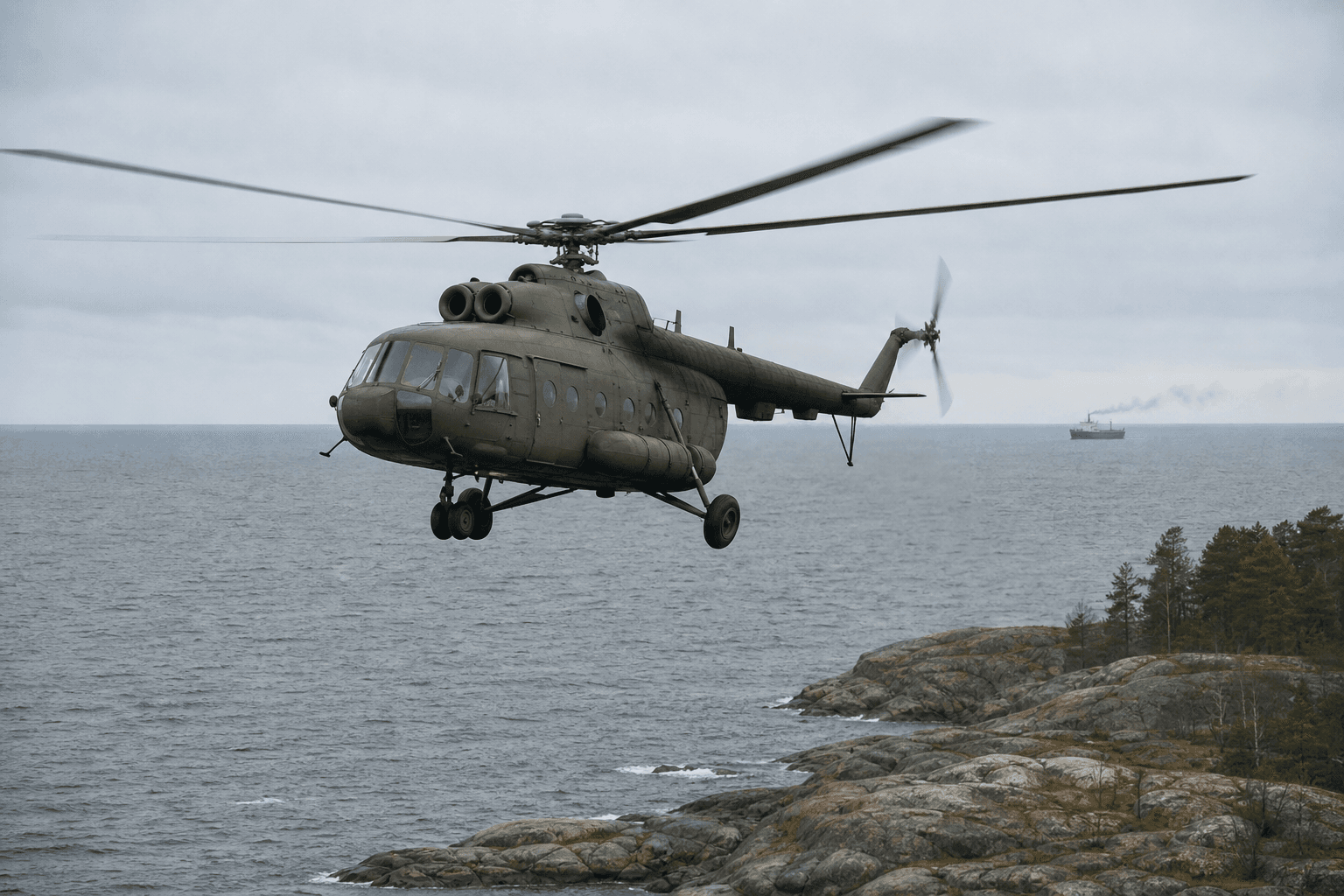
Russian Helicopter Suspected of Breaching Finnish Airspace Off Loviisa After Drone Strike on Cargo Ship
Finland says a Russian helicopter flew up to 4.1 kilometers into its airspace near Loviisa, possibly tied to rescue efforts for the burning cargo ship Sparta II.
Pentagon Rebukes Canada Over Defense Spending and Its Review of 88 F-35 Fighters
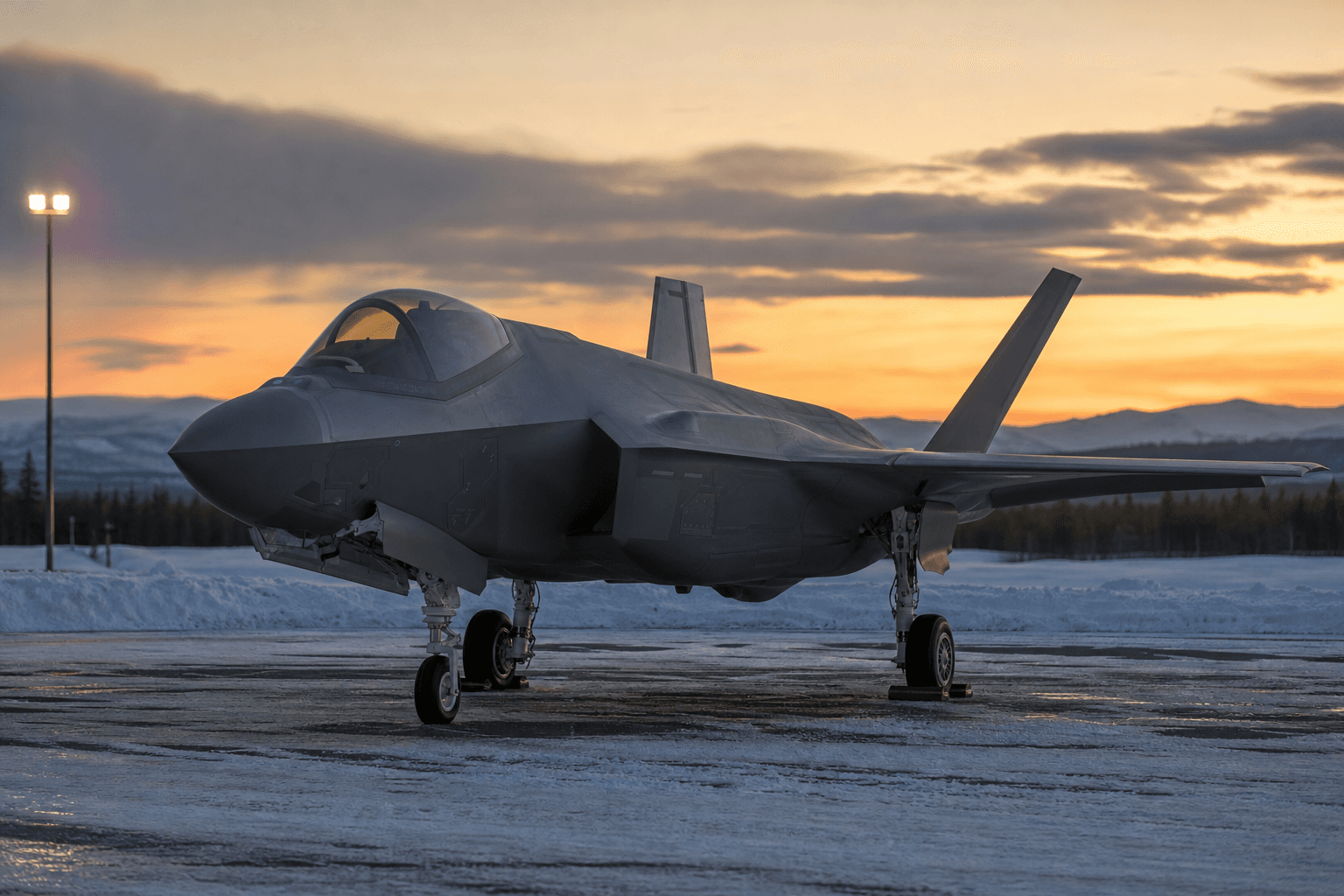
A blunt Defense Department fact sheet says Canada is falling short as a partner in defending North America, citing low readiness rates and Ottawa's reconsideration of the F-35 buy.
FlightGlobal Directory Lists 32 Active Indian Rafales, Reopening Dispute Over Operation Sindoor Losses
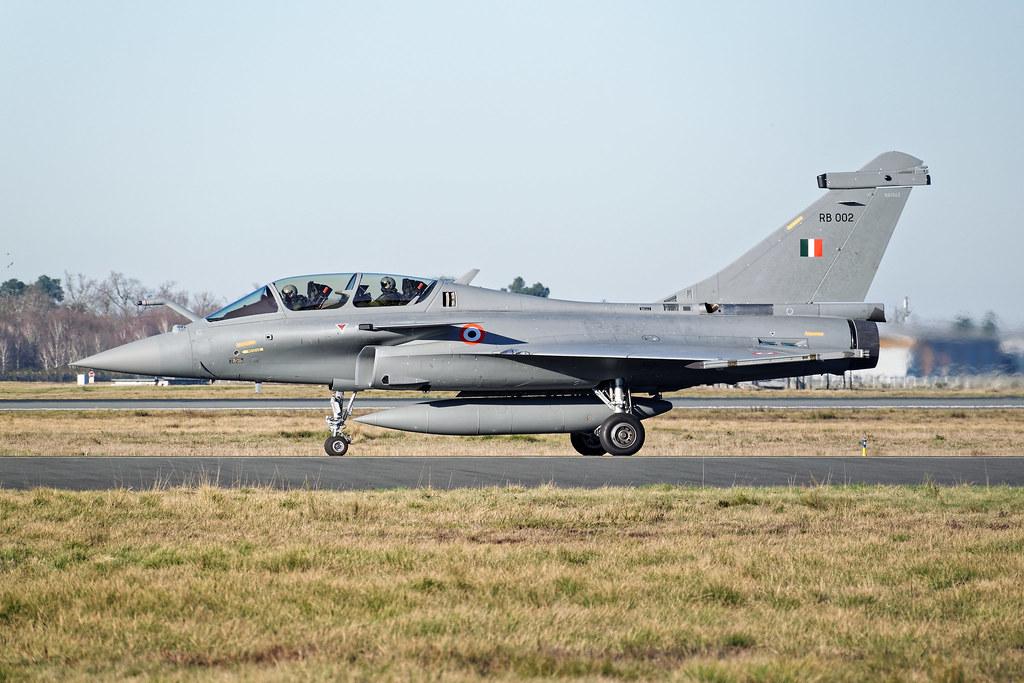
A new world air forces directory counts four fewer active Rafales than India bought from France, drawing pushback from a former IAF vice chief and defence ministry officials.
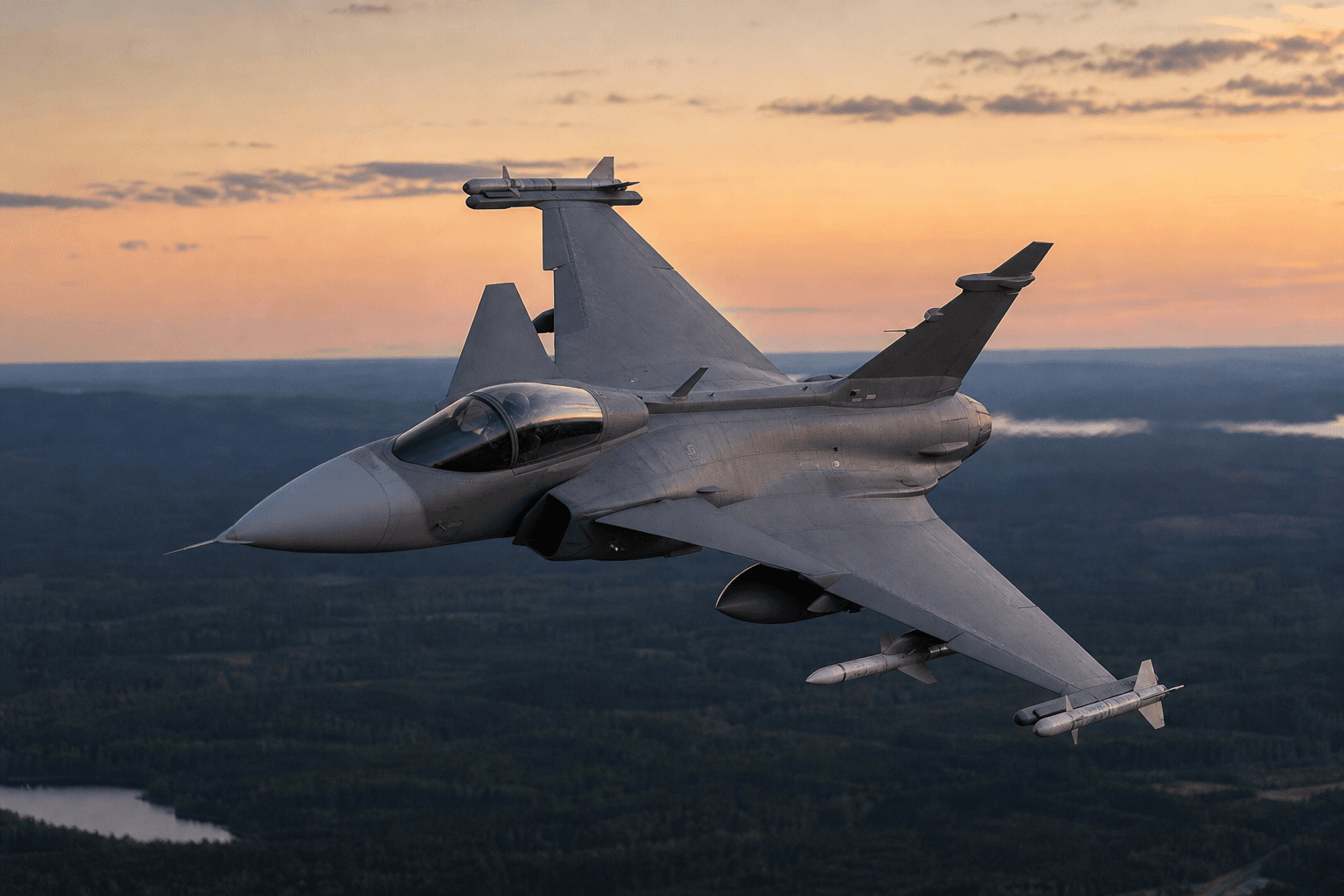
Ukraine Urges Sweden to Speed Gripen Transfers and Arm Them with Meteor Missiles
Defence Minister Evgeniy Khmara pressed Sweden's top military commander to accelerate Gripen deliveries and ensure the fighters arrive with long-range Meteor missiles and cannon ammunition.
The Daily Touch & Go
The day's best aviation news in your inbox. Free, no spam.