

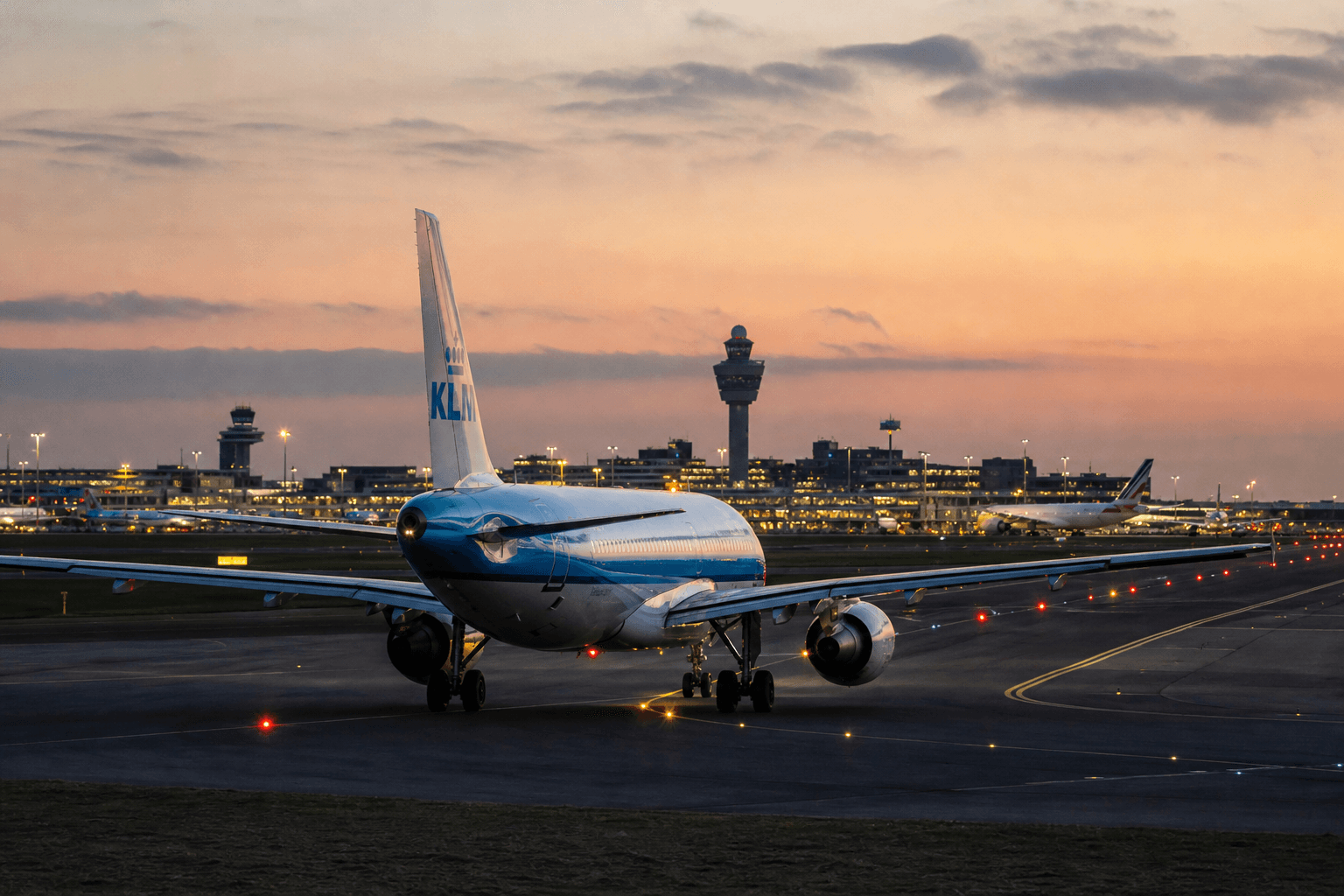
AI-generated illustration
Aviation Safety
GPS jamming disrupts Amsterdam Schiphol approaches and affects 80 aircraft across North Sea region
Satellite navigation interference on November 9 disrupted required approaches at Schiphol Airport and impacted about 80 flights over the Netherlands and neighboring countries, with suspected origin near a Russian convoy in the North Sea.
The gist
Deliberate GPS jamming near a Russian convoy in the North Sea degraded satellite navigation for 80 aircraft including seven on approach to Amsterdam Schiphol on November 9.
Continuing coverage
All Air Traffic Control →On the evening of November 9, 2026, dozens of aircraft flying over the Netherlands and surrounding countries experienced interference with Global Positioning System (GPS) signals, according to Dutch Air Traffic Control (LVNL). Seven flights on approach to Amsterdam Schiphol Airport reported problems maintaining their satellite-based navigation, specifically affecting Required Navigation Performance (RNP) procedures, the LVNL spokesperson said. Although all seven aircraft landed safely with air traffic controller assistance, the interference prevented normal use of GPS for approaches at Schiphol for approximately 20 minutes.
The disruption was not isolated to Schiphol. An analysis of aircraft tracking data by Belgian broadcaster VRT NWS indicated roughly 80 flights were affected by degraded satellite navigation over the Netherlands, Belgium, eastern England, and northwestern Germany on the same evening. These flights were mostly cruising at high altitudes when the outage occurred.
John Wiseman, a U.S. data analyst and the creator of the GPSJAM interference map, conducted a reconstruction of the event using publicly available flight monitoring data. He placed the timing of the jamming between 18:08 and 18:27 local time. Using triangulation of affected flight paths and signal loss, Wiseman estimated the source of interference was in the North Sea approximately 80 to 110 nautical miles north of the Dutch island of Texel. The altitude and location suggested the possible jamming device was mounted aboard a sea vessel. However, Wiseman cautioned that precise location remained uncertain.
Further investigation linked the jamming to a convoy of Russian-flagged vessels moving through the area at the time. Three military cargo ships named Lady R, Lady D, and Maia-1—escaping from Kaliningrad and monitored by European naval forces—were sailing near the identified jamming zone during the incident window. These vessels had departed early November from Russia’s Baltic port and had been shadowed by Danish and French naval patrols as they traversed northern European waters.
Two of the ships involved, Lady R and Maia-1, have been listed on the European Union’s sanctions registry against Russia since mid-2024. The Russian naval escort corvette Stoikiy was also accompanying the convoy, which raised concerns regarding the source of the GPS disruption possibly being military-grade equipment aboard these ships.
Belgian air navigation service provider skeyes reported no GPS jamming or spoofing incidents on their end during the same period. The agency noted that aircraft encountering satellite navigation outages can revert to Instrument Landing System (ILS) guidance, which uses ground-based radio signals to safely complete landings. The backup system ensured no flight safety incidents occurred during the event.
GPS jamming and spoofing have affected civil aviation in this region repeatedly in recent years, especially along the Baltic and Black Sea corridors. Past incidents impacted flights carrying senior European officials, notably UK Defense Secretary John Healey in May 2026 and European Commission President Ursula von der Leyen in August 2025, indicating that such interference remains a persistent risk for European airspace security.
Originally reported by AeroTime
Read more
All Aviation Safety →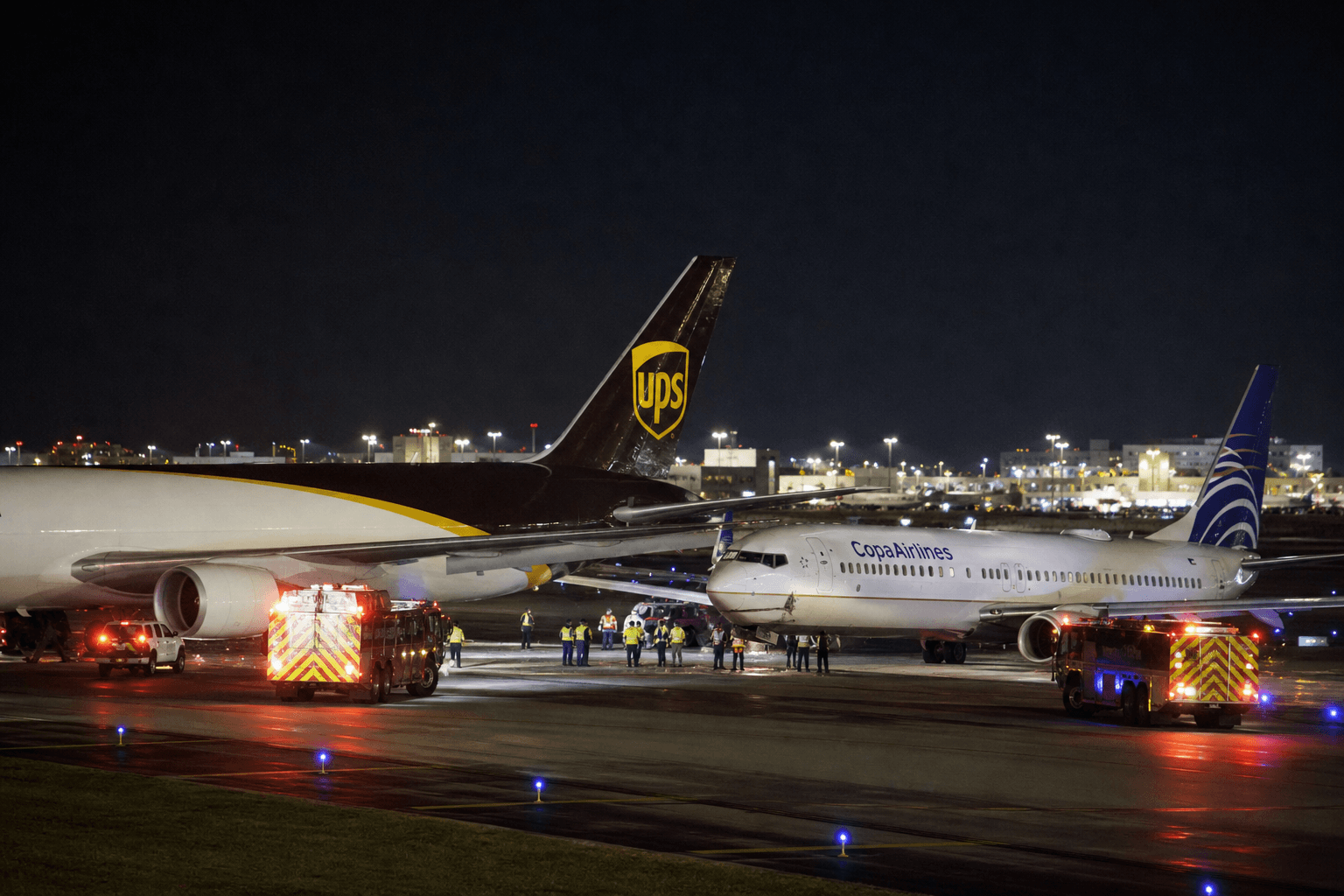
FAA Investigates Ground Collision Between UPS 767 and Copa 737 at Miami
Two aircraft collided on taxiways at Miami International Airport Saturday night causing minor injuries to two Copa Airlines passengers; both jets sustained substantial damage.

Frontier Airlines A321neo Diverts to Chicago After Lavatory Faucet Leak Floods Cabin
Flight from Denver to Detroit declared mayday at 33,000 feet due to a leaking faucet flooding the cabin floor, prompting diversion to Chicago O'Hare; no injuries reported and aircraft has resumed service.
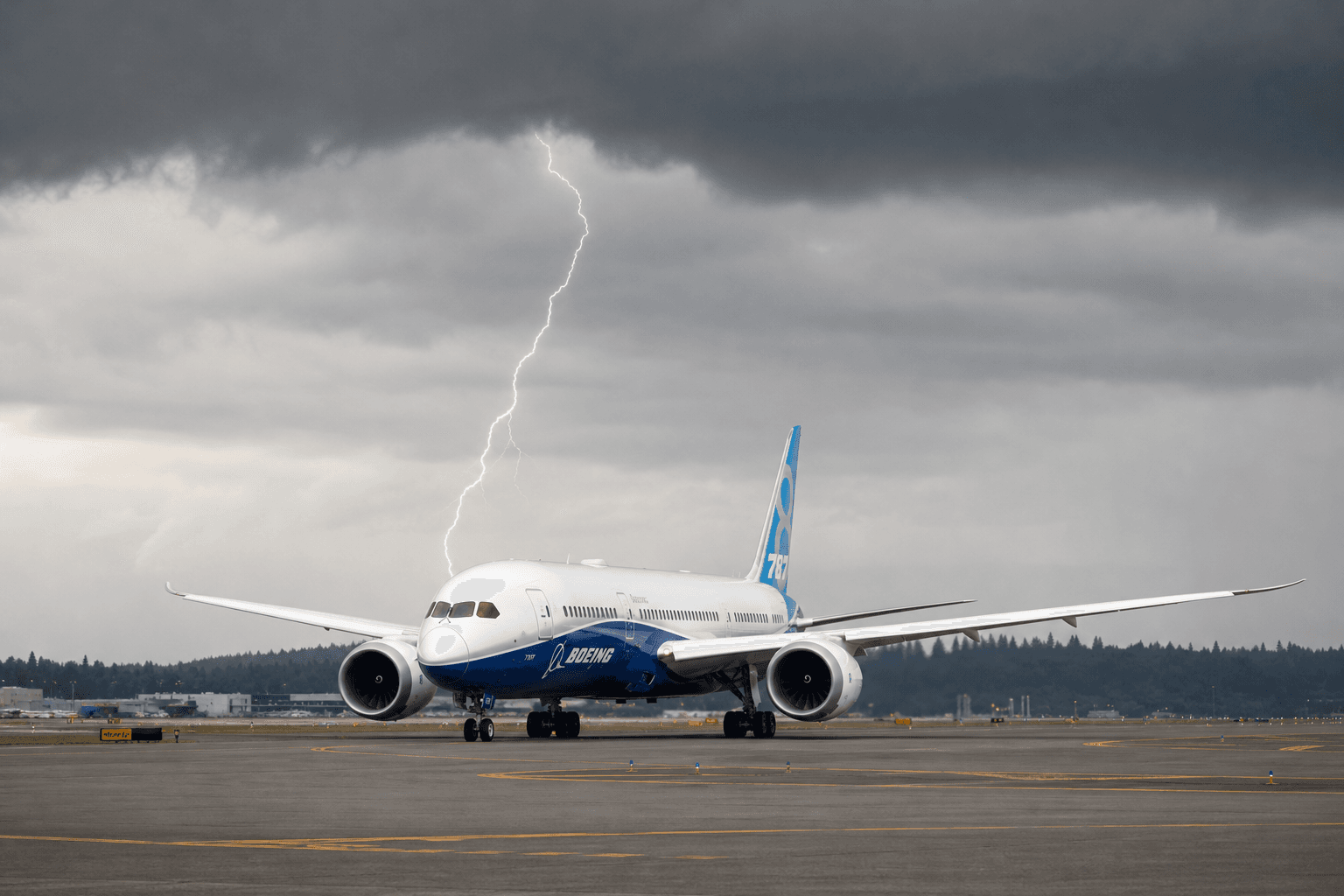
FAA Mandates Inspections on Select Boeing 787s for Potential Fuel Tank Lightning Risk
The FAA will implement inspections next month on certain Boeing 787 variants due to sealant issues that could spark explosions during lightning strikes.
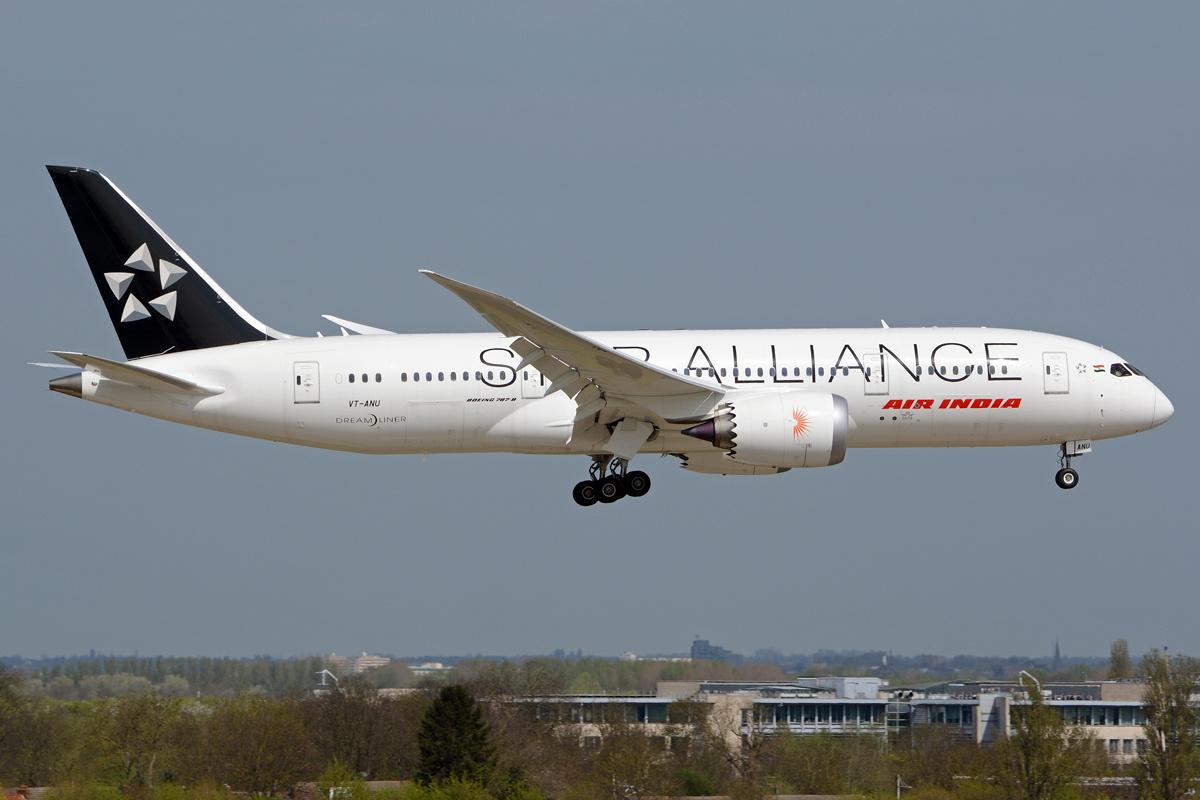
IATA Reports Nearly Half of Air Accident Investigations Lack Published Final Reports
Almost 50% of international air accident investigations fail to produce public final reports, hindering hazard identification and safety improvements, warns IATA.
The Daily Touch & Go
The day's best aviation news in your inbox. Free, no spam.