


Illustration: The Touch & Go
Saudi Helicopter Company secures firm order for 12 Bombardier jets with options for 48 more
The Helicopter Company of Saudi Arabia finalizes purchase of a mixed fleet of Bombardier business jets, marking a major expansion into fixed-wing operations alongside sizable future options.
The gist
Saudi Arabia's THC confirms order for 12 Bombardier business jets, adding options for 48, expanding its fleet beyond helicopters.
The Helicopter Company (THC) of Saudi Arabia has formalized a landmark deal with Bombardier for 12 business jets, escalating a previous letter of intent announced during the Farnborough Airshow in July 2026 into a binding contract. The agreement covers a mix of aircraft types including five Challenger 3500s, five Global 5500s, and two Global 8000s, collectively valued by Bombardier at approximately $568 million based on 2026 list pricing. Crucially, the company also secured options to purchase an additional 48 jets spread across these models, potentially elevating THC’s total fixed-wing fleet to 60 aircraft.
Owned by Saudi Arabia’s Public Investment Fund, THC has operated a substantial helicopter fleet of over 60 aircraft since its inception in mid-2019. These helicopters are primarily engaged in emergency medical services, aerial work, private charter, and tourism within the region. The new Bombardier jets will represent THC’s inaugural venture into the business aviation fixed-wing sector, signaling a strategic diversification of operations. Previously, THC expressed plans to deploy these jets for charter and aircraft management services, reflecting the growing business aviation demand in Saudi Arabia and neighboring markets.
The order from THC spans three distinct market segments of Bombardier’s business jet portfolio: super-midsize, long-range, and ultra-long-range. The Challenger 3500, designed for regional routes including Gulf Cooperation Council travel, accommodates nine to ten passengers with a range of 6,297 kilometers. The Global 5500, a larger long-range variant, seats up to 16 passengers and can traverse 10,927 kilometers. At the top tier, the Global 8000 boasts an ultra-long-range capability of 14,816 kilometers, enabling nonstop intercontinental flights such as Riyadh to Los Angeles.
This deal represents the largest single business aviation fleet order recorded in Saudi Arabia, underscoring a significant upscaling of the private and corporate aviation sectors in the kingdom. Bombardier CEO Éric Martel acknowledged the transaction as a vote of confidence in the firm's operational capabilities and the region's expanding aviation market. THC CEO Captain Arnaud Martinez noted that the move into business jets responds directly to increased regional demand for such services, complementing their existing helicopter operations.
Alongside the business jet acquisition, THC continues to invest heavily in rotary-wing assets. At Farnborough, it placed a firm order for eight Airbus H145 helicopters, with deliveries scheduled for 2027 and 2028. This comprehensive approach ensures a balanced helicopter and fixed-wing presence, enabling THC to offer versatile aerial solutions across a range of civil aviation activities.
Bombardier also committed to a long-term strategic investment initiative in Saudi Arabia related to this multi-aircraft deal. While specific details and timelines were not disclosed, the manufacturer aims to establish a local presence, a move that could enhance regional support and service capabilities. Such investment signals Bombardier's confidence in the Middle East’s business aviation growth prospects and THC's prominence as a key client.
This transaction not only reflects the evolving nature of the Saudi Arabian aviation landscape but also highlights the country's expanding infrastructure for private and business air travel. THC’s expansion into fixed-wing aircraft allows it to tap into regional and international routes, ranging from short-haul GCC flights to ultra-long-haul intercontinental travel, thereby broadening service offerings.
The fleet's distribution across diverse aircraft classes ensures operational flexibility. Regional routes are handled efficiently by the Challenger 3500, whereas the Global 5500 and 8000 cater to longer and more demanding missions. This strategic selection supports THC’s goal to serve a wide range of client profiles, from regional business executives to global travelers requiring nonstop long-haul connectivity.
By cementing this sizeable order with options for rapid fleet growth, THC positions itself as a formidable new player in Saudi Arabia’s business aviation sector, blending its established helicopter expertise with emerging fixed-wing capabilities. The scale and scope of the deal stand to influence Saudi Arabia's private aviation market, reinforcing the kingdom's status as a growing hub for diverse and sophisticated air transport services.
Frequently asked questions
- What types of Bombardier jets did The Helicopter Company order in the firm purchase?
- The Helicopter Company placed a firm order for 5 Challenger 3500s, 5 Global 5500s, and 2 Global 8000s.
- What is the potential total size of THC’s business jet fleet including options?
- THC has options for an additional 48 Bombardier jets beyond the initial 12, potentially bringing their fleet to 60 fixed-wing aircraft.
- What new operational role will these Bombardier jets serve for The Helicopter Company?
- The jets will be used for charter and aircraft management services, marking THC’s entry into the fixed-wing business aviation market.
Read more
All Business Aviation →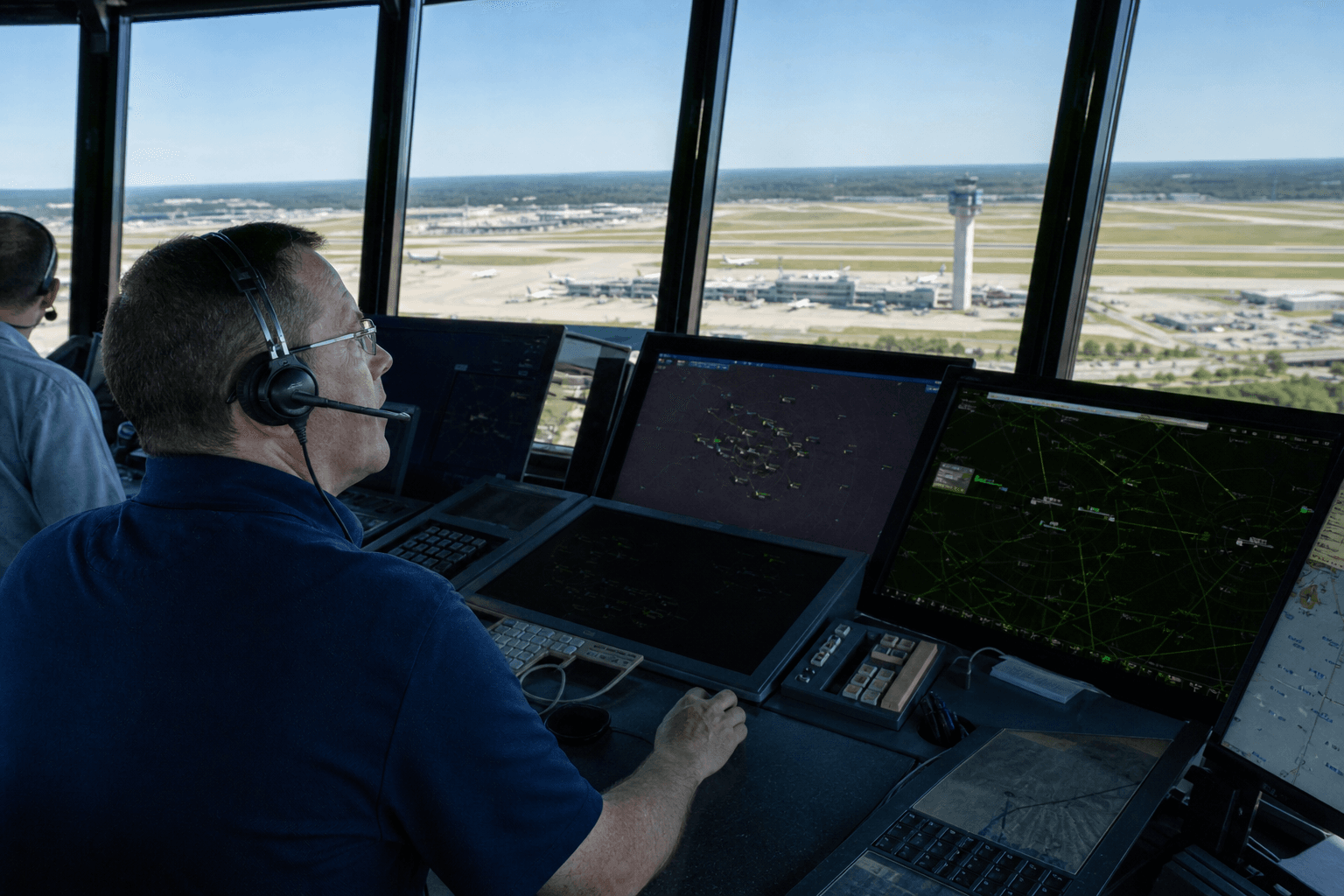
FAA orders nationwide ground stop after communication failures at all ARTCCs
The FAA has ordered a national ground stop due to “extraordinary circumstances and for reasons of safety.” It is the second time since the 9/11 attacks that the agency has ordered a ground stop at all airports. The previous instance was in January 2023 following the failure of the Notices to Airmen (NOTAM) system . “The FAA issued a nationwide ground stop for all U.S. airports following communication issues impacting multiple Air Route Traffic Control Centers,” the agency said in a statement Friday afternoon. “FAA technicians are investigating the issue. We will provide updates.” Air Route Traffic Control Centers (ARTCCs) provide aircraft separation, traffic sequencing, routing assistance, and airspace coordination services to aircraft operating on IFR flight plans within controlled airspace, primarily during the en route phase of flight. They are divided into sectors, each handled by one or a team of air traffic controllers. There are 22 ARTCCs in the U.S. The @FAAnews issued a nationwide ground stop for all U.S. airports following a communication issue impacting all Air Route Traffic Control Centers. FAA technicians are investigating the issue. We will provide immediate updates as we have them. — Secretary Sean Duffy (@SecDuffy) November 13, 2026 Per an Air Traffic Control System Command Center advisory from the FAA: "Due to extraordinary circumstances and for reasons of safety. Attention all aircraft operators, by order of the Federal Aviation Command Center all airports are ground stopped. All departing traffic should remain ground stopped until further notice. Inbound international flights will be managed on a case by case basis." An unnamed airline source told CNN that the communications issues originated from a problem with network routers. A controller at William P. Hobby Airport (KHOU) in Houston said at 4:13 p.m. EST that “our update time is 7 hours and 15 minutes from now,” or around 11:30 p.m. Airlines Weigh In “Flights already in the air can continue to their destinations,” a spokesperson for American Airlines told FLYING . “We expect disruption to our schedule for the rest of the day, depending on the length of the FAA's nationwide ground stop. It will be all hands on deck across American to get customers on their way as soon as possible when the FAA lifts this ground stop.” Southwest Airlines said it is “engaged with the FAA and is making operational adjustments across our network in compliance with the nationwide groundstop,” adding that it will provide updates on a dedicated webpage . “We recognize the disruption this may cause for our Customers and their travel plans, and our Teams are working to minimize impacts wherever possible,” the carrier said in a statement. Controllers Nationwide Report Ground Stop Air traffic controllers across the U.S. reported the ground stop. A ground controller at Seattle-Tacoma International Airport (KSEA) was one of the first to report the disruption, telling the pilot of a Southwest Airlines airplane that "we went into a national ground stop, all aircraft, with update unknown." The transmission was made a little after 3:30 p.m. EST. "Are you saying national, like Reagan National [Airport], or national the whole country?" another pilot asked a few minutes later. "Across all en route facilities they're having communication issues, so ground stop for all aircraft, with update time unknown," the controller replied. Elsewhere, a controller at Minneapolis-St. Paul International (KMSP) said at 3:44 p.m. EST that "all airports are ground stopped until 22:00 Zulu for a nationwide outage." 22:00 Zulu translates to 5 p.m. EST. Ground Stop Comes Amid ATC Modernization Effort The FAA is undertaking a multibillion-dollar effort to modernize the nation’s ATC systems, called the Brand New ATC System (BNATCS). Goals of the project include replacing and upgrading thousands of radars, radios, voice switches, facilities, and other hardware and software across the country. It is also deploying new electronic flight strips, surface awareness tools, and other equipment. As of November 5, the FAA said it had installed Surface Awareness Initiative (SAI) systems at 143 towers, transitioned 26 towers from paper to electronic flight strips, and installed 226 new voice switches. The agency has also replaced nearly 70 percent of the copper wiring that carries ATC radar and communications data with fiber, satellite, and digital connections. The FAA maintains a website that tracks progress on BNATCS. One portion of the ATC modernization effort involves the Strategic Management of Airspace, Routes and Trajectories, or SMART, system. The AI-powered, cloud-based platform was rolled out to all of the nation’s ARTCCs earlier this week and is based out of a center in Washington, D.C. SMART centralizes about 200 data streams—including weather patterns, flight paths, traffic flow, and controller staffing metrics—into one platform. FAA personnel in Washington, D.C. use the information to make scheduling recommendations that are routed to air traffic controllers, who can accept or decline them. The system was initially deployed in the Washington, D.C. area in September. Air Space Intelligence, the firm the FAA contracted to develop SMART, said Friday that the communications issues at ARTCCs are “not based on or a result of the SMART system, any product of ASI, or our integration with FAA and ATC.” This is a developing story.
Allegiant Air Cuts 13 Myrtle Beach Routes Including Atlantic City and Midwest Cities
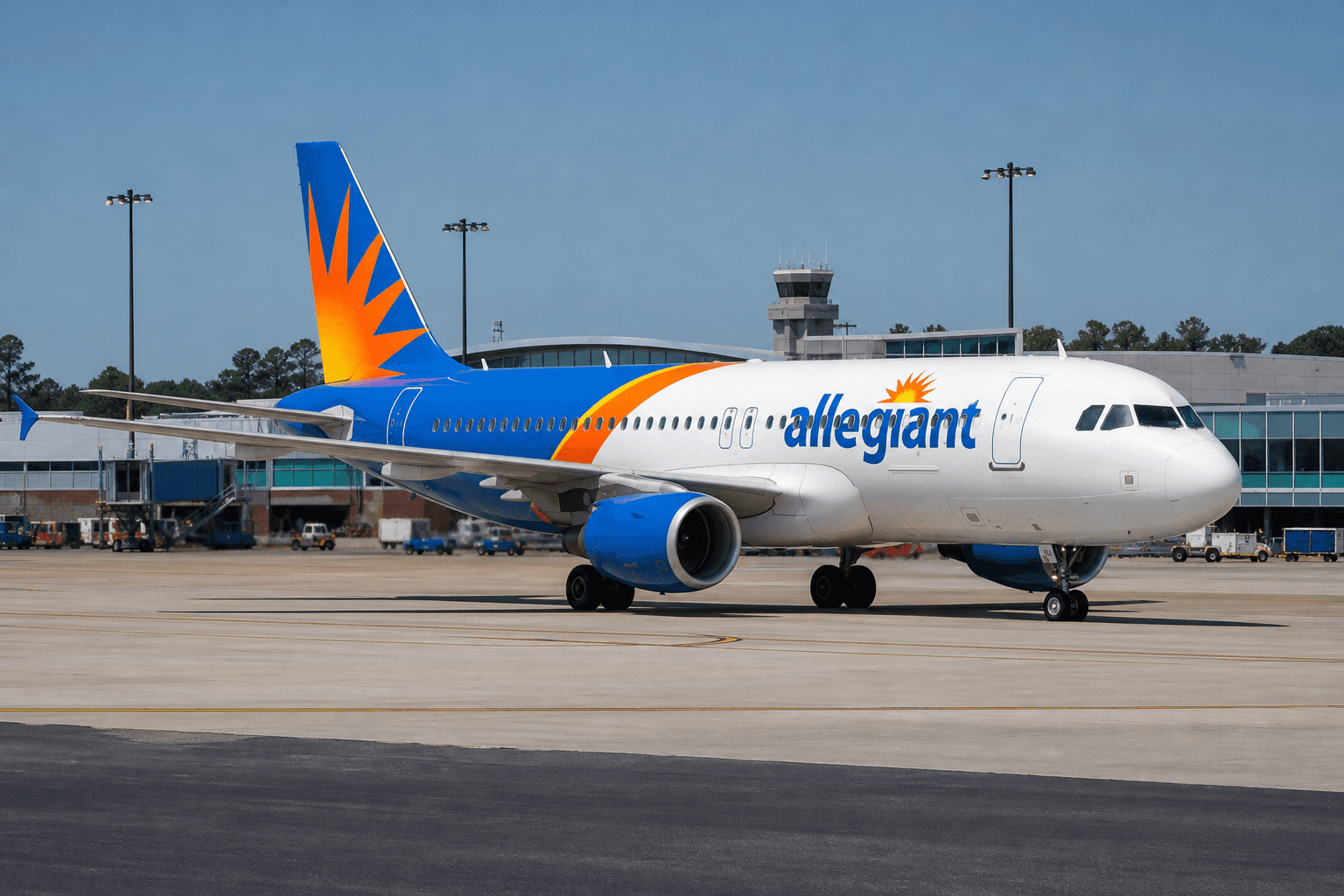
Allegiant Air has flown to Myrtle Beach since 2009. Cirium Diio data shows that it was the ultra-low-cost carrier's third destination in South Carolina. It came after Columbia, the capital, and Greenville/Spartanburg, both first served 20 years ago. All flights to Columbia have now ended .
CAU Flight Team Rises to Top 10 Nationally, Emphasizing Safety and Pilot Competencies
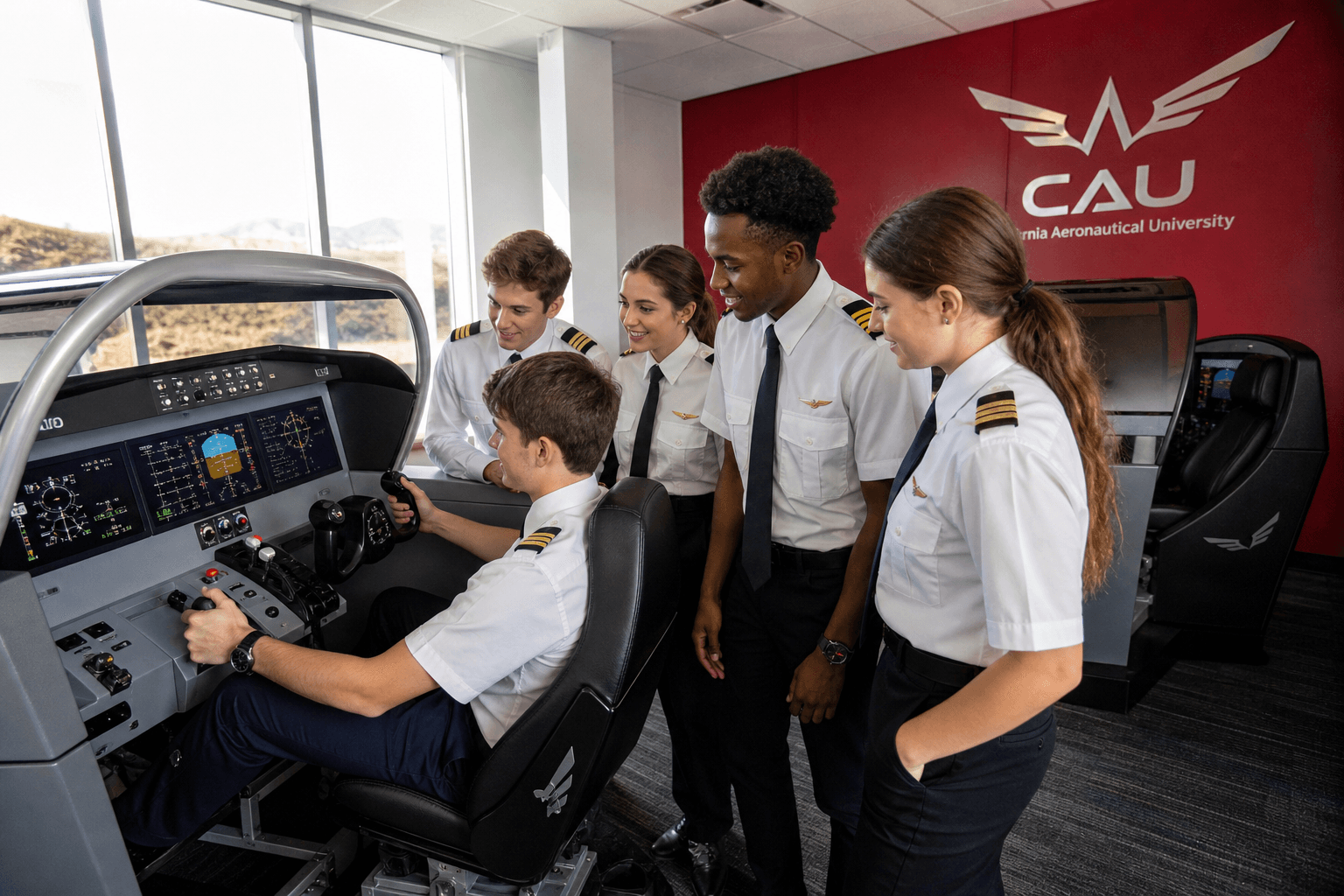
Collegiate flight competition provides student pilots with opportunities to apply aviation knowledge, refine flying skills, and develop the professionalism needed throughout their careers. For California Aeronautical University (CAU), it has also become a way to reinforce many of the same competencies that contribute to safe and effective flight operations.
JetBlue Eliminates 35 Routes Including 22 Domestic and 13 International in 2026 Cuts
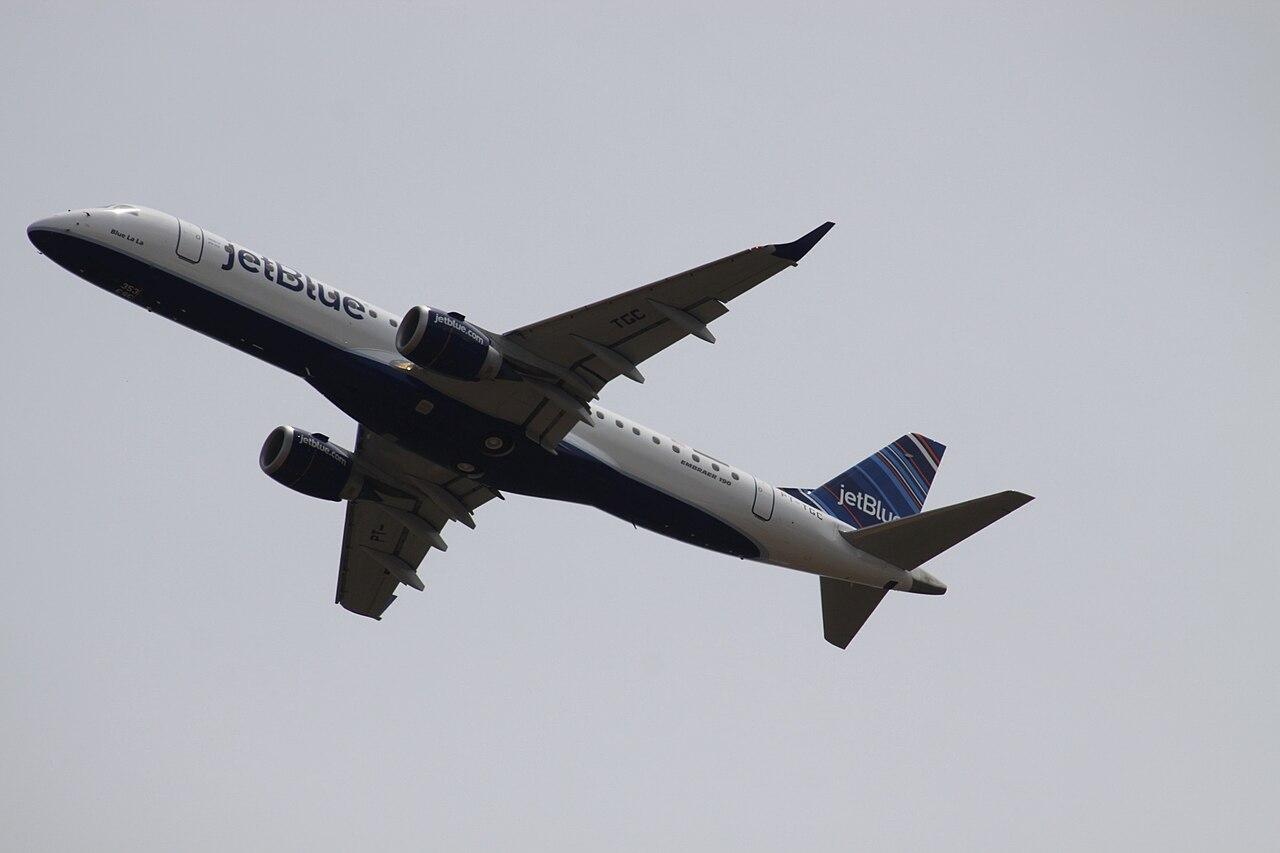
JetBlue has removed a considerable 35 routes from its network, of which 22 are domestic and 13 are international. They all operated at some point in the first ten months of 2026 , but no flights are scheduled in the future.
The Daily Touch & Go
The day's best aviation news in your inbox. Free, no spam.