


Illustration: The Touch & Go
FAA Issues Nationwide Ground Stop Due to Air Traffic Control Communications Failure
A nationwide ground stop was implemented Friday as FAA systems encountered widespread communications disruptions affecting all U.S. air traffic control centers.
The gist
FAA halted all U.S. flight departures amid a nationwide air traffic control communication outage impacting all 22 ARTCCs.
Continuing coverage
All Faa →The Federal Aviation Administration (FAA) instituted a nationwide ground stop on Friday afternoon following the discovery of a widespread communications failure impacting air traffic control (ATC) facilities across the United States. Effective 3:54 p.m. EST on November 13, all aircraft operators were directed to suspend departures at every U.S. airport. Aircraft already in the air were allowed to continue their flights and complete landings as scheduled. This decisive action was taken to maintain safety amid unprecedented ATC communications problems.
The FAA communicated the directive via its Air Traffic Control System Command Center, the entity responsible for managing nationwide traffic flow and coordination. Transportation Secretary Sean Duffy confirmed the disruption was affecting all 22 Air Route Traffic Control Centers (ARTCCs), which serve as the core hubs directing en route traffic across the country. FAA technical teams immediately began troubleshooting the issue to restore reliable communications.
Prior to the nationwide stop, the FAA had imposed a targeted ground stop affecting the Chicago airspace. The nationwide order expanded the suspension to include all departing aircraft and included special provisions for international flights already inbound to the United States. These international arrivals were to be managed individually on a case-by-case basis to minimize disruption while maintaining safety.
The last instance of a nationwide ground stop in the U.S. airspace occurred on January 11, 2023, when a failure in the FAA's Notice to Air Missions (NOTAM) system compelled a halt on departures across the country. That outage lasted under two hours but caused thousands of flight delays and cancellations. Notably, the only other time a ground stop of this magnitude had been issued nationwide was following the terrorist attacks on September 11, 2001.
This latest incident comes against a backdrop of extensive efforts to modernize the FAA's aging air traffic control infrastructure. In 2025, Congress allocated $12.5 billion specifically for upgrades to outdated communications systems within the national airspace. Furthermore, on the same day as the outage, the FAA and the White House jointly submitted a request for an additional $30.1 billion aimed at broader technology modernization needs.
As the communication failure was unfolding, FAA officials had not publicly identified the root cause nor provided a projected timeline for the restoration of full operational communications. The agency's priority remained ensuring the safety of passengers and crews while minimizing the impact on flight schedules throughout the country. Airlines and airports complied with the order, grounding departing flights until the FAA issued a release allowing resumption.
Frequently asked questions
- What triggered the FAA to issue the nationwide ground stop on November 13, 2026?
- Widespread communications problems impacting all 22 Air Route Traffic Control Centers caused the FAA to suspend departures at all U.S. airports for safety.
- Were flights already airborne allowed to continue during the ground stop?
- Yes, aircraft that were already in flight were permitted to continue their journeys and land as planned.
- When was the previous nationwide ground stop before this incident?
- The last nationwide ground stop was on January 11, 2023, due to a failure in the FAA's NOTAM system, and before that, the nationwide suspension was after September 11, 2001.
Read more
All Aviation Safety →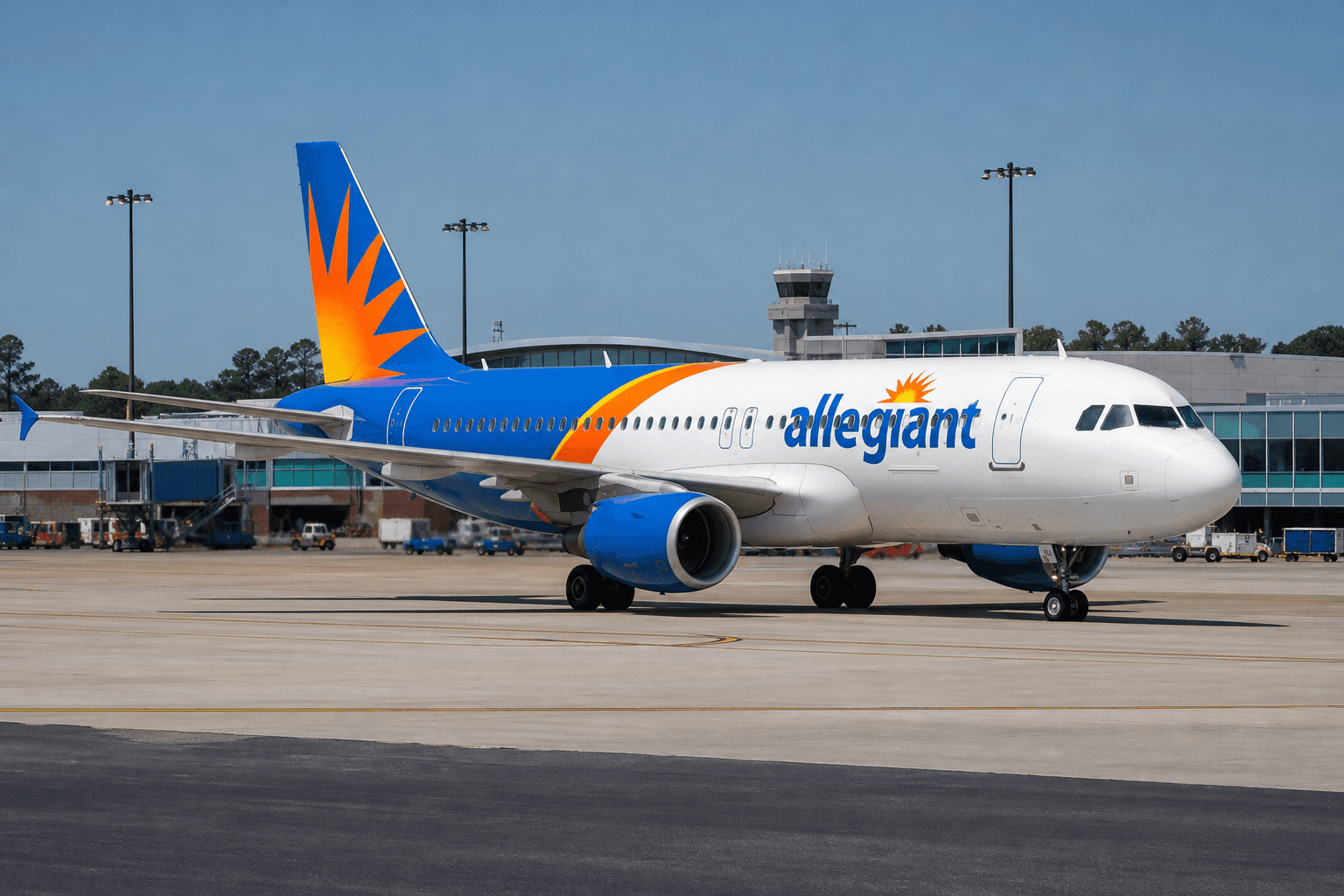
Allegiant Air Cuts 13 Myrtle Beach Routes Including Atlantic City and Midwest Cities
Allegiant Air has flown to Myrtle Beach since 2009. Cirium Diio data shows that it was the ultra-low-cost carrier's third destination in South Carolina. It came after Columbia, the capital, and Greenville/Spartanburg, both first served 20 years ago. All flights to Columbia have now ended .

CAU Flight Team Rises to Top 10 Nationally, Emphasizing Safety and Pilot Competencies
Collegiate flight competition provides student pilots with opportunities to apply aviation knowledge, refine flying skills, and develop the professionalism needed throughout their careers. For California Aeronautical University (CAU), it has also become a way to reinforce many of the same competencies that contribute to safe and effective flight operations.
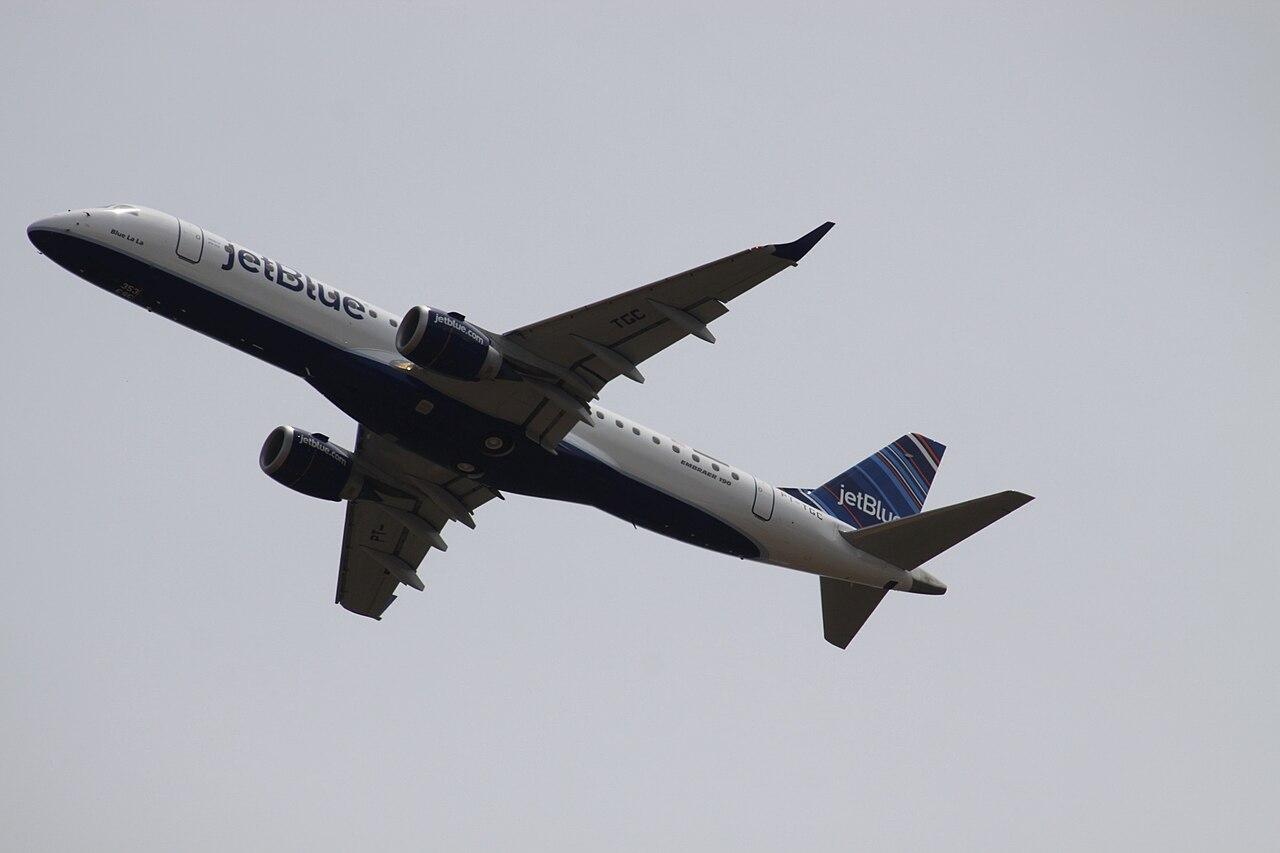
JetBlue Eliminates 35 Routes Including 22 Domestic and 13 International in 2026 Cuts
JetBlue has removed a considerable 35 routes from its network, of which 22 are domestic and 13 are international. They all operated at some point in the first ten months of 2026 , but no flights are scheduled in the future.
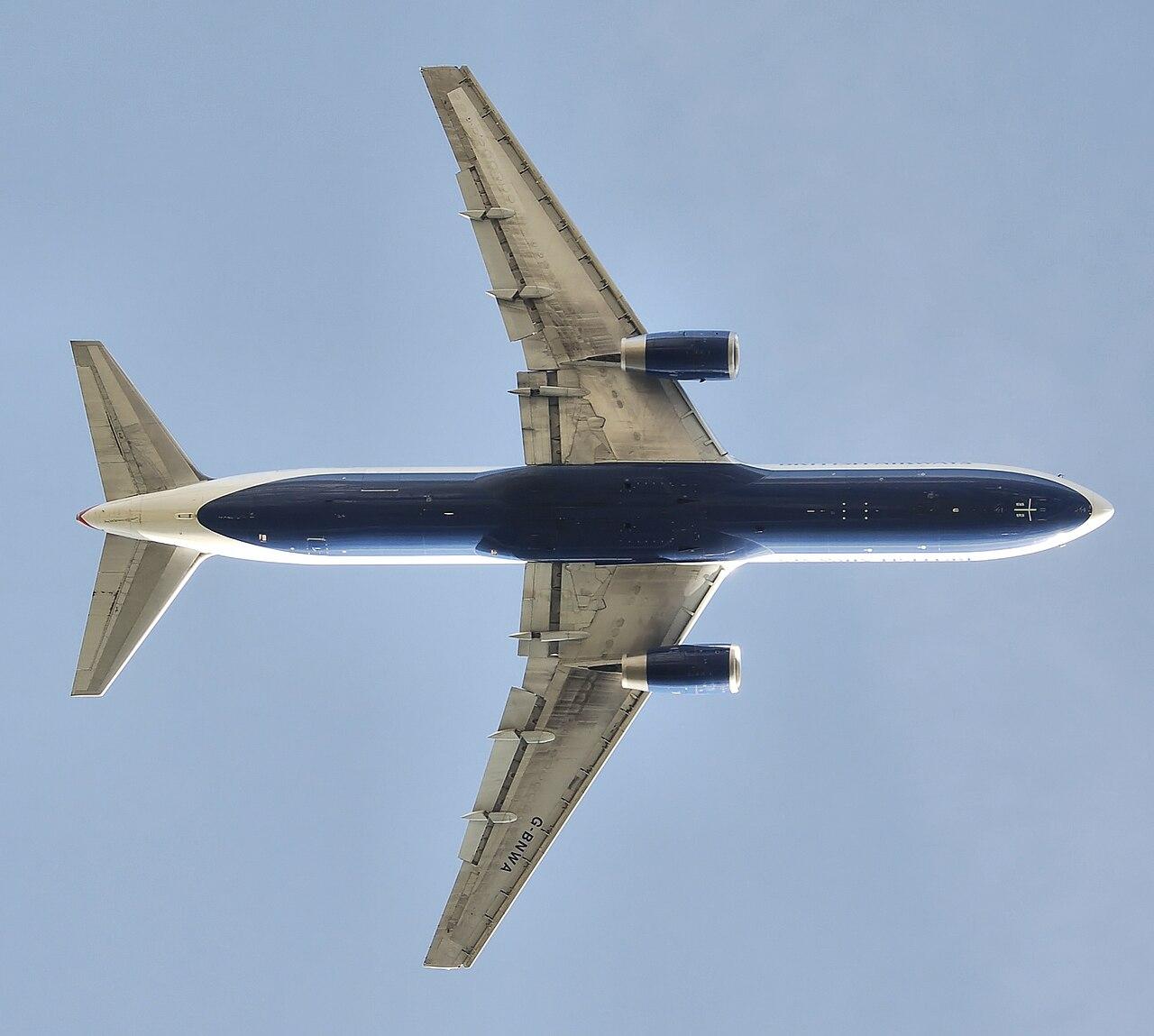
UPS and FedEx phase out MD-11 freighters, turn to Boeing 767 and 777F aircraft
The McDonnell Douglas MD-11 has been a workhorse of the global air cargo industry since it entered service in 1990. While passenger airlines had largely abandoned the three-engine widebody, UPS and FedEx continued to rely on it to move millions of packages across their networks. That era is now coming to an end, but replacing the MD-11 is proving more complicated than simply ordering another freighter.
The Daily Touch & Go
The day's best aviation news in your inbox. Free, no spam.