

Illustration: The Touch & Go
CAU Flight Team Rises to Top 10 Nationally, Emphasizing Safety and Pilot Competencies
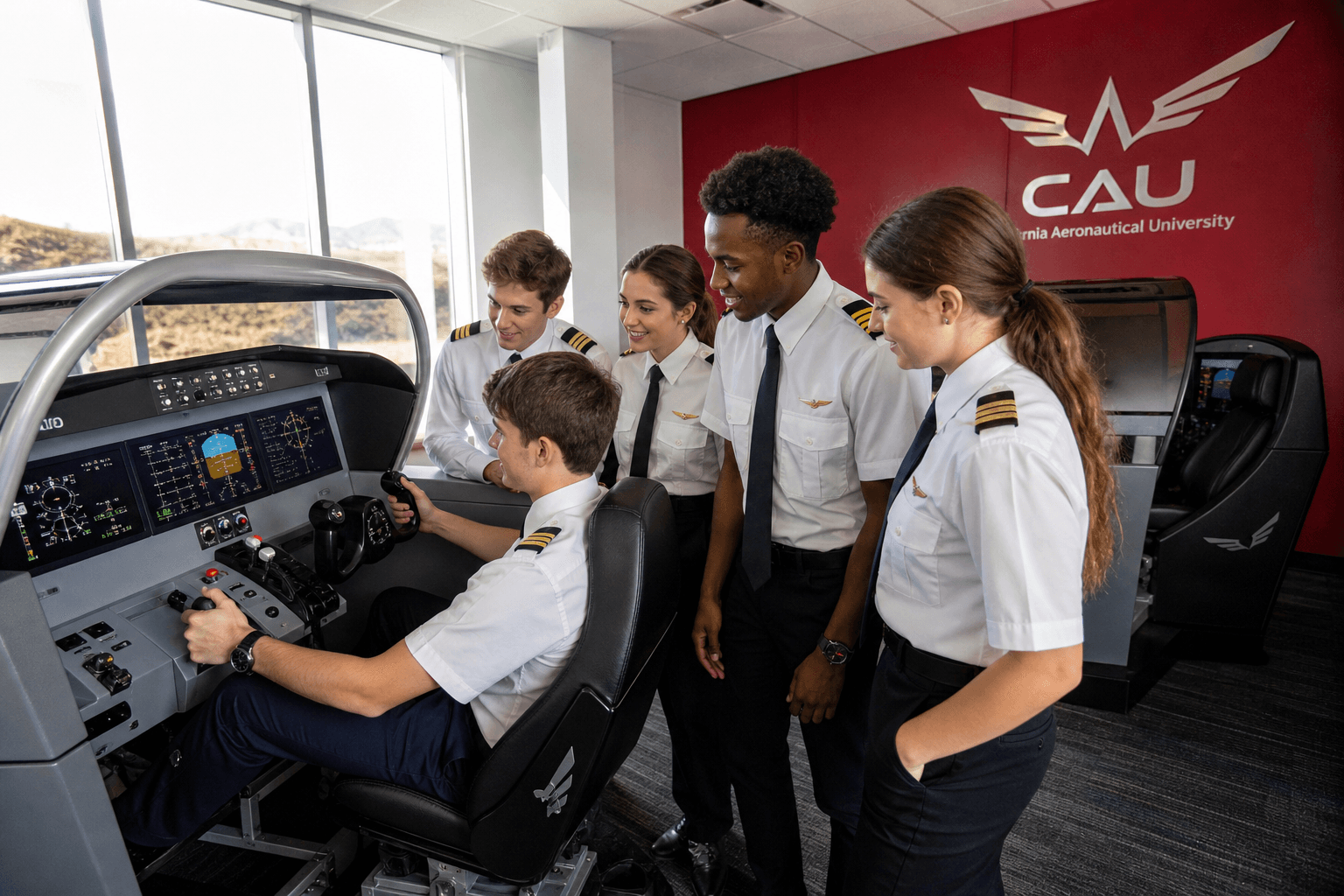
The CAU Flight Team reached a top 10 national finish at NIFA Safecon and integrates Boeing's CBTA training to develop well-rounded commercial pilots.
The gist
CAU's Flight Team earned a top 10 national finish and leads in pilot training with Boeing's CBTA Learning Library and a strong safety culture.
In 2026, the CAU Flight Team secured a top 10 position at the National Intercollegiate Flying Association (NIFA) Safecon competition, marking a significant milestone for the program. This achievement builds upon their initial invitation in 2022 and consecutive progress against some of the nation's most established collegiate aviation programs. The team's ascent reflects dedicated preparation, skill development, and effective mentorship among members.
Shaun Okuda, a member of the team, highlights the value of experience in reaching this level of success. He emphasized that previous seasons lacked an understanding of what top-tier performance felt like; now, their accomplishments serve as a tangible example for new pilots. This hands-on mentorship helps new members grasp the rigorous standards required to win, reinforcing a culture of excellence and continuous improvement.
NIFA Safecon challenges competitors across a spectrum of aviation events, testing both knowledge and practical skills. Participants engage in diverse activities such as aircraft preflight inspections, navigation tasks, crew resource management (CRM), power-off landings, and precision flight challenges. These events collectively assess critical competencies including communication, situational awareness, workload management, and precise execution under pressure.
CAU’s Flight Team stands out not only for competitive placements but also for its strong commitment to operational safety and professionalism. The team has earned multiple Competition Safety Awards, acknowledging their adherence to safe procedures during contests. Additionally, they have received Team Sportsmanship Awards, which are peer-determined recognitions reflecting the respect and collaborative spirit the team fosters within collegiate aviation circles.
Flight Team Coach Vanessa Collazo underscores that safety at CAU is foundational, deeply embedded in both training and team culture. This ethos ensures that students prioritize safe operation as a non-negotiable practice rather than an afterthought. Such a focus prepares pilot candidates for the real-world demands of commercial aviation where safety is paramount.
In the broader context of pilot training evolution, industry employers increasingly value competencies beyond technical flying skills. Airlines seek pilots adept in leadership, teamwork, adaptability, and sound judgment. CAU aligns its training approach with these expectations, integrating modern educational tools and methodologies that emphasize these professional skills alongside flying proficiency.
A recent milestone exemplifying this approach is CAU's selection as the first U.S. flight school to adopt Boeing’s Competency-Based Training and Assessment (CBTA) Learning Library. This deployment grants students access to learning modules developed by Boeing that focus on real-world operation knowledge, skills, and behaviors. The resources complement traditional classroom and simulator instruction, creating a cohesive learning experience.
These combined experiences ensure CAU students gain both extensive flight hours and comprehensive competencies vital for success in commercial aviation careers. The balance between technical expertise, safety mindset, and behavioral skills addresses the evolving requirements of modern airline operations. CAU’s investment in competition engagement and advanced training resources signals a forward-thinking pilot education program designed to meet industry demands.
Frequently asked questions
- What achievements has the CAU Flight Team made in national competitions?
- Since its first invitation in 2022, CAU's Flight Team advanced to finish among the top 10 teams nationally at NIFA Safecon, earning multiple Safety and Sportsmanship Awards.
- What skills and areas does the NIFA Safecon competition test?
- NIFA Safecon evaluates aviation knowledge and skills across several events including preflight inspections, navigation, crew resource management, power-off landings, and precision flying, emphasizing communication, situational awareness, and decision-making.
- How is CAU integrating modern pilot training methods?
- CAU became the first U.S. flight school to deploy Boeing's Competency-Based Training and Assessment Learning Library, enhancing student access to realistic knowledge and behavior training for commercial aviation operations.
Read more
All Airlines →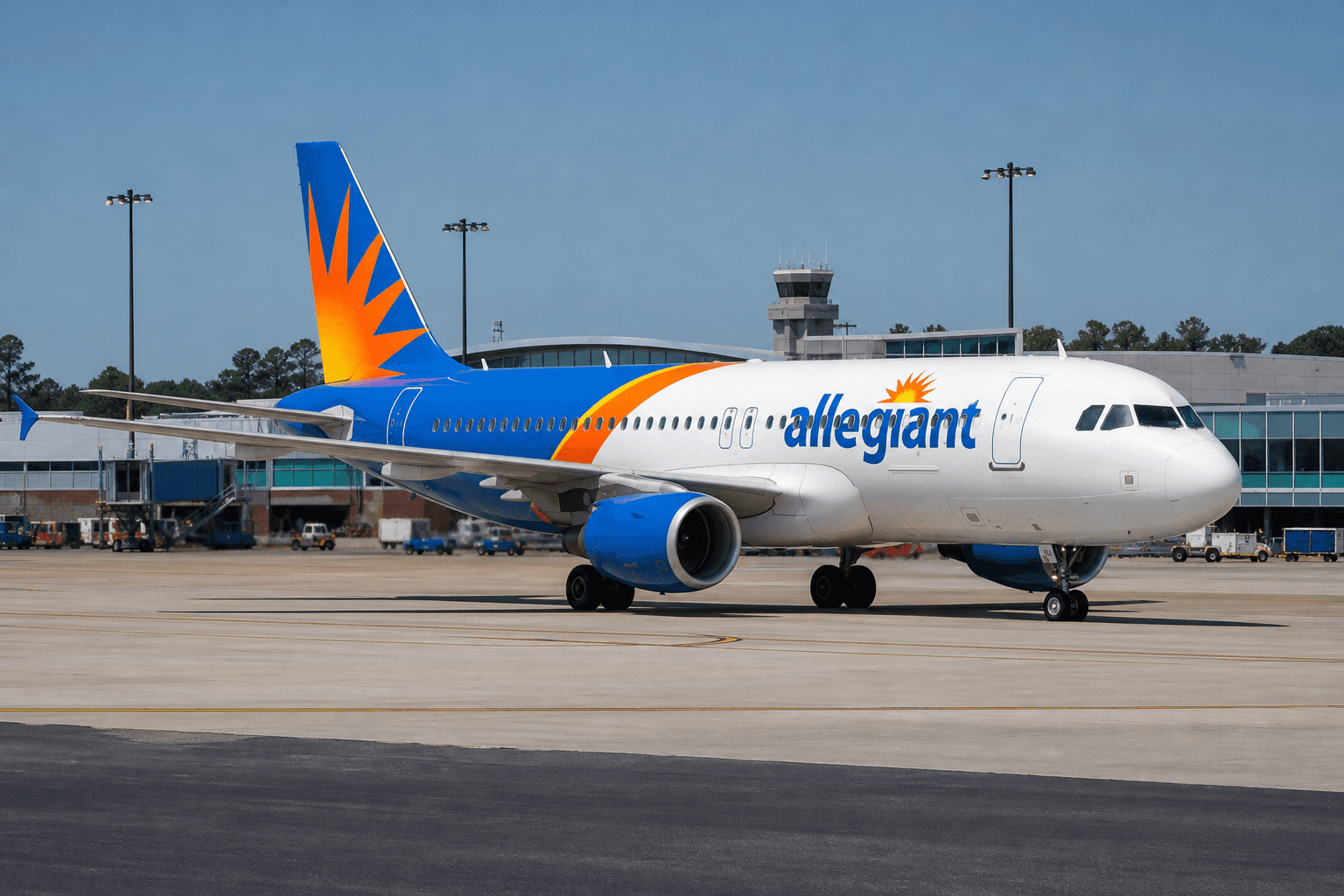
Allegiant Air Cuts 13 Myrtle Beach Routes Including Atlantic City and Midwest Cities
Allegiant Air has flown to Myrtle Beach since 2009. Cirium Diio data shows that it was the ultra-low-cost carrier's third destination in South Carolina. It came after Columbia, the capital, and Greenville/Spartanburg, both first served 20 years ago. All flights to Columbia have now ended .
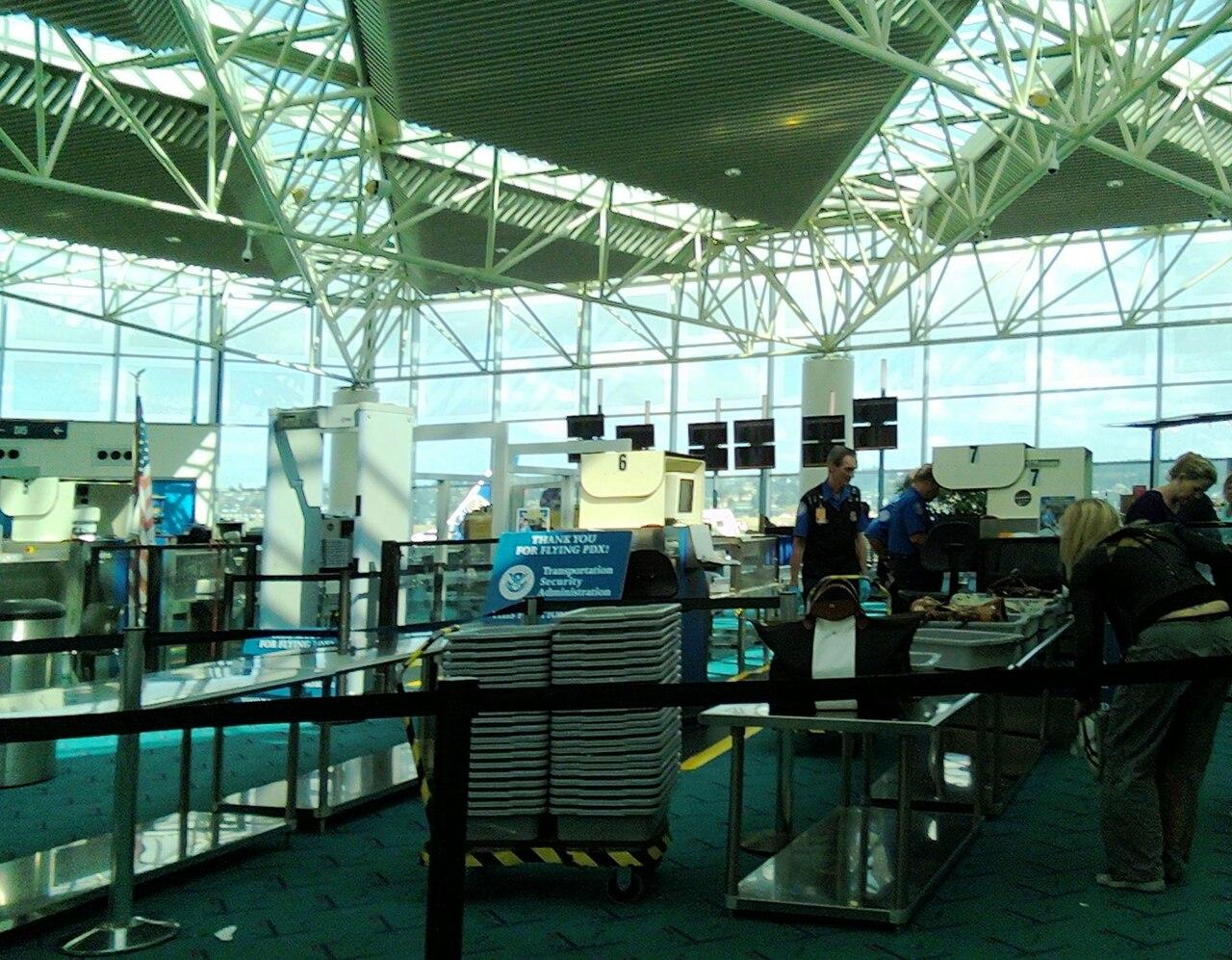
Southwest Airlines denies liability after damaging passenger's stroller on Portland flight
A recent Southwest Airlines passenger has taken to social media and gone viral after claiming that, after his flight to Portland (PDX), the airline damaged his children's stroller so badly that it could no longer be used. Jason Piquette has a set of twins, and after flying from North Carolina to Oregon, the double stroller was damaged, and his experience when dealing with the airline about the damage turned sour.
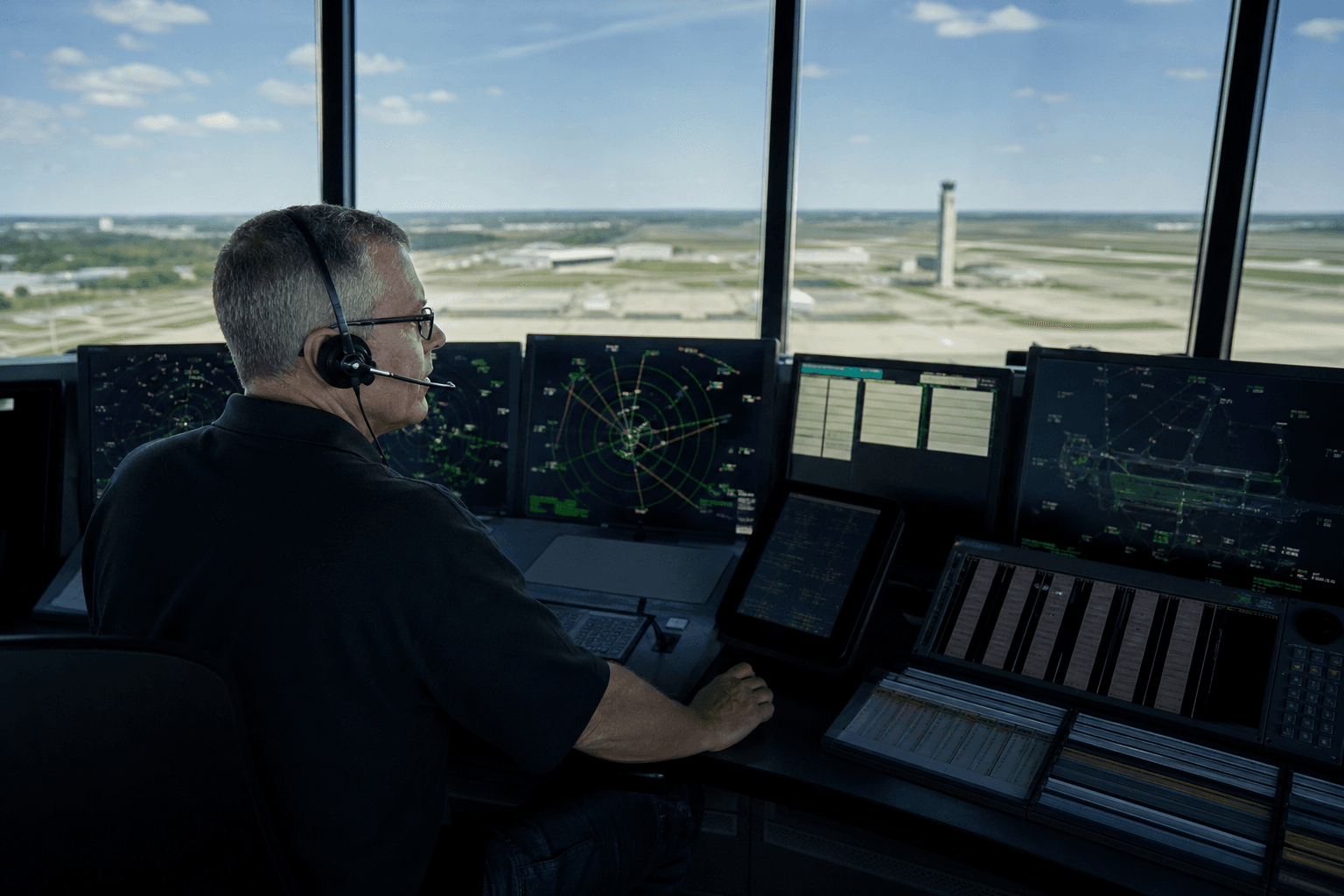
FAA Issues Nationwide Ground Stop Due to Air Traffic Control Communications Failure
The FAA issued a nationwide ground stop Friday afternoon following reports of communications problems affecting air traffic control facilities across the country. The order took effect around 3:54 p.m. EST on Nov. 13 and directed aircraft operators to suspend departures at all U.S. airports. Aircraft already airborne were permitted to continue their flights and land. FAA Investigating Communications Issues "Due to extraordinary circumstances and for reasons of safety," the FAA said in its nationwide advisory. The agency issued the directive through its Air Traffic Control System Command Center, which coordinates traffic management initiatives across the National Airspace System. Transportation Secretary Sean Duffy said a communications problem was affecting all 22 Air Route Traffic Control Centers. FAA technicians were investigating the issue, according to the Associated Press . The agency had issued a ground stop affecting Chicago-area operations shortly before announcing the nationwide restriction. The nationwide order also included provisions for international aircraft already inbound to the United States. "All departing traffic should remain ground stopped until further notice," the FAA said in its advisory. "Inbound international flights will be managed on a case by case basis." Previous Nationwide Ground Stop The last nationwide ground stop occurred Jan. 11, 2023, when a failure of the FAA’s Notice to Air Missions (NOTAM) system halted departures across the country. The restriction lasted less than two hours, although the disruption caused thousands of flight delays and cancellations. Before that, the last nationwide suspension followed the Sept. 11, 2001, terrorist attacks. Friday’s disruption comes amid ongoing efforts to modernize the FAA’s air traffic control infrastructure. Congress approved $12.5 billion in 2025 for upgrades to the agency’s aging communications systems. The FAA and White House requested an additional $30.1 billion Friday for other modernization needs. Officials had not identified the specific cause of the communications problems or announced an expected restoration time when the ground stop was issued.
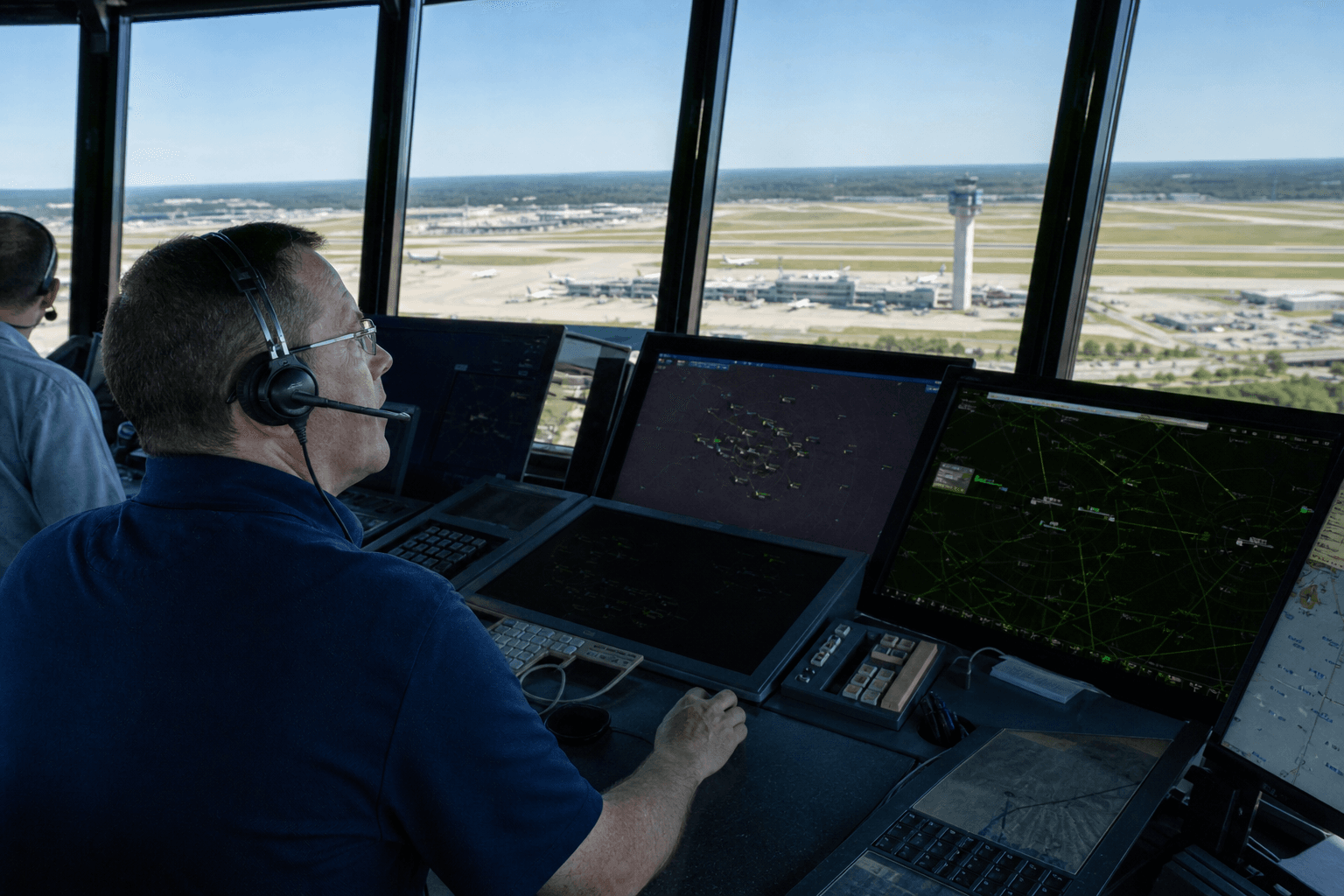
FAA orders nationwide ground stop after communication failures at all ARTCCs
The FAA has ordered a national ground stop due to “extraordinary circumstances and for reasons of safety.” It is the second time since the 9/11 attacks that the agency has ordered a ground stop at all airports. The previous instance was in January 2023 following the failure of the Notices to Airmen (NOTAM) system . “The FAA issued a nationwide ground stop for all U.S. airports following communication issues impacting multiple Air Route Traffic Control Centers,” the agency said in a statement Friday afternoon. “FAA technicians are investigating the issue. We will provide updates.” Air Route Traffic Control Centers (ARTCCs) provide aircraft separation, traffic sequencing, routing assistance, and airspace coordination services to aircraft operating on IFR flight plans within controlled airspace, primarily during the en route phase of flight. They are divided into sectors, each handled by one or a team of air traffic controllers. There are 22 ARTCCs in the U.S. The @FAAnews issued a nationwide ground stop for all U.S. airports following a communication issue impacting all Air Route Traffic Control Centers. FAA technicians are investigating the issue. We will provide immediate updates as we have them. — Secretary Sean Duffy (@SecDuffy) November 13, 2026 Per an Air Traffic Control System Command Center advisory from the FAA: "Due to extraordinary circumstances and for reasons of safety. Attention all aircraft operators, by order of the Federal Aviation Command Center all airports are ground stopped. All departing traffic should remain ground stopped until further notice. Inbound international flights will be managed on a case by case basis." An unnamed airline source told CNN that the communications issues originated from a problem with network routers. A controller at William P. Hobby Airport (KHOU) in Houston said at 4:13 p.m. EST that “our update time is 7 hours and 15 minutes from now,” or around 11:30 p.m. Airlines Weigh In “Flights already in the air can continue to their destinations,” a spokesperson for American Airlines told FLYING . “We expect disruption to our schedule for the rest of the day, depending on the length of the FAA's nationwide ground stop. It will be all hands on deck across American to get customers on their way as soon as possible when the FAA lifts this ground stop.” Southwest Airlines said it is “engaged with the FAA and is making operational adjustments across our network in compliance with the nationwide groundstop,” adding that it will provide updates on a dedicated webpage . “We recognize the disruption this may cause for our Customers and their travel plans, and our Teams are working to minimize impacts wherever possible,” the carrier said in a statement. Controllers Nationwide Report Ground Stop Air traffic controllers across the U.S. reported the ground stop. A ground controller at Seattle-Tacoma International Airport (KSEA) was one of the first to report the disruption, telling the pilot of a Southwest Airlines airplane that "we went into a national ground stop, all aircraft, with update unknown." The transmission was made a little after 3:30 p.m. EST. "Are you saying national, like Reagan National [Airport], or national the whole country?" another pilot asked a few minutes later. "Across all en route facilities they're having communication issues, so ground stop for all aircraft, with update time unknown," the controller replied. Elsewhere, a controller at Minneapolis-St. Paul International (KMSP) said at 3:44 p.m. EST that "all airports are ground stopped until 22:00 Zulu for a nationwide outage." 22:00 Zulu translates to 5 p.m. EST. Ground Stop Comes Amid ATC Modernization Effort The FAA is undertaking a multibillion-dollar effort to modernize the nation’s ATC systems, called the Brand New ATC System (BNATCS). Goals of the project include replacing and upgrading thousands of radars, radios, voice switches, facilities, and other hardware and software across the country. It is also deploying new electronic flight strips, surface awareness tools, and other equipment. As of November 5, the FAA said it had installed Surface Awareness Initiative (SAI) systems at 143 towers, transitioned 26 towers from paper to electronic flight strips, and installed 226 new voice switches. The agency has also replaced nearly 70 percent of the copper wiring that carries ATC radar and communications data with fiber, satellite, and digital connections. The FAA maintains a website that tracks progress on BNATCS. One portion of the ATC modernization effort involves the Strategic Management of Airspace, Routes and Trajectories, or SMART, system. The AI-powered, cloud-based platform was rolled out to all of the nation’s ARTCCs earlier this week and is based out of a center in Washington, D.C. SMART centralizes about 200 data streams—including weather patterns, flight paths, traffic flow, and controller staffing metrics—into one platform. FAA personnel in Washington, D.C. use the information to make scheduling recommendations that are routed to air traffic controllers, who can accept or decline them. The system was initially deployed in the Washington, D.C. area in September. Air Space Intelligence, the firm the FAA contracted to develop SMART, said Friday that the communications issues at ARTCCs are “not based on or a result of the SMART system, any product of ASI, or our integration with FAA and ATC.” This is a developing story.
The Daily Touch & Go
The day's best aviation news in your inbox. Free, no spam.