

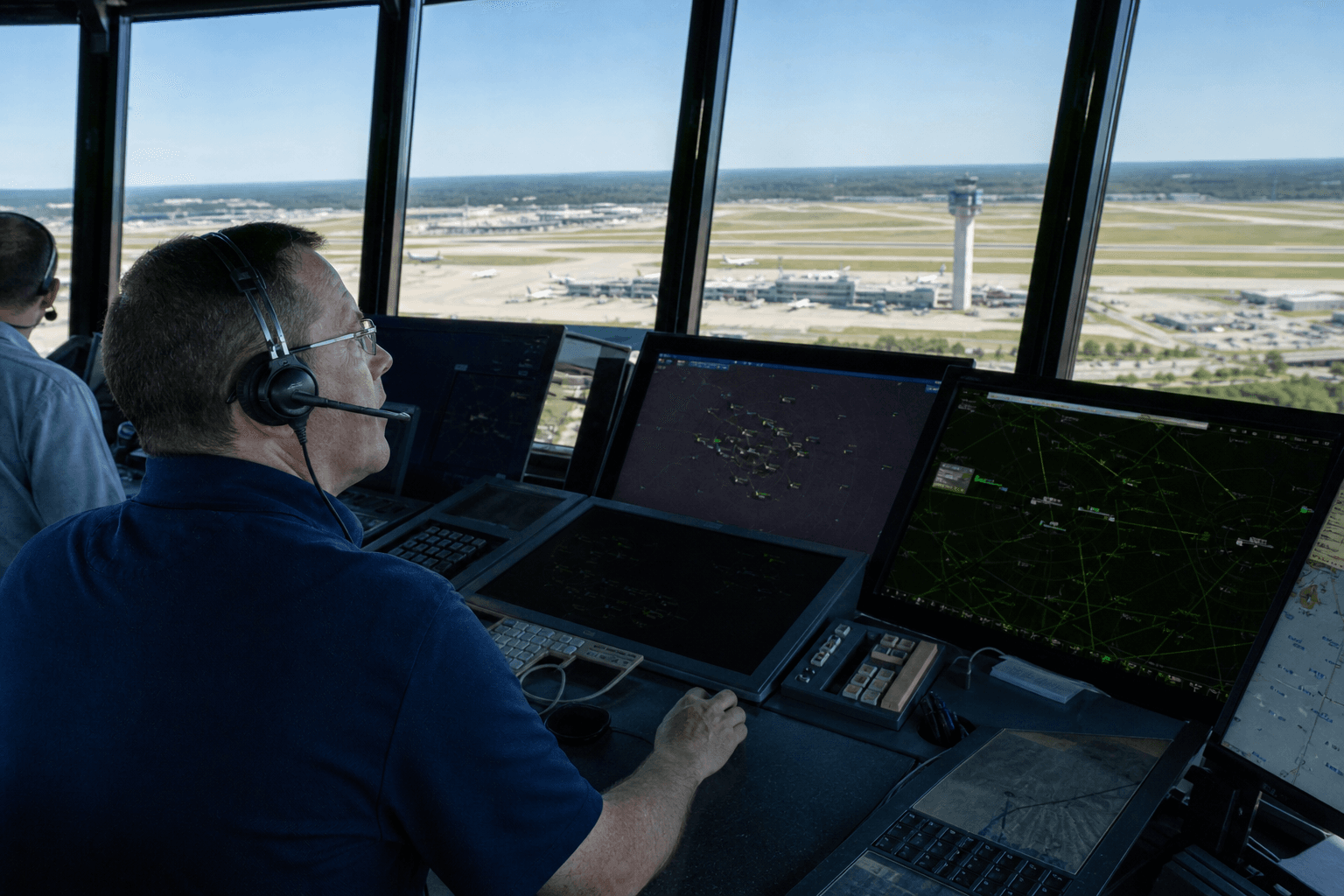
Illustration: The Touch & Go
FAA orders nationwide ground stop after communication failures at all ARTCCs
The FAA has grounded all departing flights across US airports due to communication problems disrupting Air Route Traffic Control Centers, affecting en route flight management nationwide.
The gist
The FAA issued a national ground stop impacting all US airports following a major communication failure at Air Route Traffic Control Centers.
Continuing coverage
All Faa →The Federal Aviation Administration has implemented a nationwide ground stop at all U.S. airports following a serious communication issue affecting Air Route Traffic Control Centers (ARTCCs). This unprecedented move, the second since 9/11, came after multiple ARTCCs experienced disruptions that could jeopardize flight safety, prompting the FAA to suspend all departures immediately. Incoming international flights will be handled individually based on the evolving situation.
On November 13, 2026, the FAA announced that technicians are actively investigating the issue, which has interrupted communication across all 22 ARTCCs scattered across the United States. These centers play a crucial role by managing aircraft separation, sequencing, routing assistance, and airspace coordination primarily during the en route phase for flights operating on instrument flight rules (IFR). Controllers within each ARTCC sector rely heavily on effective communications to maintain safe and orderly air traffic operations.
An internal source from an unnamed airline indicated to media that the root cause of the disruption involved problems with network routers. Controllers from multiple airports relayed the situation in real-time; for instance, personnel at William P. Hobby Airport in Houston reported significant uncertainty regarding when normal operations would resume, estimating delays possibly extending over seven hours. Similarly, Seattle-Tacoma International Airport controllers warned pilots about a nationwide ground stop affecting all ground departures, with no clear timeline for updates.
Airlines responded promptly to the FAA's directive to halt departures. American Airlines confirmed that flights already airborne will continue as planned but acknowledged that considerable schedule disruptions are expected for the remainder of the day, depending on the duration of the ground stop. Similarly, Southwest Airlines expressed active engagement with the FAA and operational adjustments across its network, providing customers with status updates via a dedicated website to minimize travel impacts during this disruption.
The FAA's decision occurs amidst an ongoing extensive modernization program of America’s air traffic control infrastructure, dubbed the Brand New ATC System (BNATCS). This multibillion-dollar initiative aims to overhaul hardware and software including radars, radios, voice switches, electronic flight strips, and surface awareness tools. Progress reported includes over 140 towers equipped with Surface Awareness Initiative systems and majority replacement of legacy copper wiring with fiber, satellite, and digital alternatives.
Of note is the recent rollout of the Strategic Management of Airspace, Routes and Trajectories (SMART) system, an AI-powered, cloud-based platform designed to centralize approximately 200 data streams for improved airspace management. While the disruption affected all ARTCCs, the FAA’s contractor, Air Space Intelligence, clarified that the communication failures are unrelated to the SMART system or any of its components. This distinction is important to isolate the cause within existing infrastructure rather than newly deployed platforms.
The ARTCCs are staffed by teams of air traffic controllers responsible for maintaining safe traffic flow in expansive and complex en route airspace sectors. Communication disruptions among these facilities directly impact controllers' ability to coordinate and sequence flights safely. The FAA’s ground stop aims to mitigate collision risks inherent in these communication outages by pausing all departures until system integrity is restored.
Historically, a nationwide ground stop is exceedingly rare. Following the post-9/11 environment, only once before has the FAA taken such measure in January 2023 amid a failure of the Notices to Airmen (NOTAM) system. Such decisions are reserved for extreme circumstances when safety cannot be assured through normal operations, underscoring the critical nature of the current communications failure across ARTCCs.
The FAA has committed to providing timely updates as its technical teams work to restore full functionality. Airlines and passengers alike are awaiting clarification on when normal scheduling and departures will resume. This incident highlights the critical dependency of the national airspace system on robust communication networks and the challenges faced during the ongoing ATC modernization efforts.
Frequently asked questions
- What caused the FAA to issue a nationwide ground stop?
- The FAA issued the ground stop due to communication issues affecting all Air Route Traffic Control Centers, disrupting critical en route flight control operations.
- How many Air Route Traffic Control Centers were impacted by the communication failure?
- All 22 ARTCCs across the United States experienced communication disruptions, leading to the nationwide ground stop.
- Are flights already airborne allowed to continue during the FAA ground stop?
- Yes, flights already in the air are permitted to continue to their destinations; however, all departures from airports are halted until further notice.
Read more
All Aviation Safety →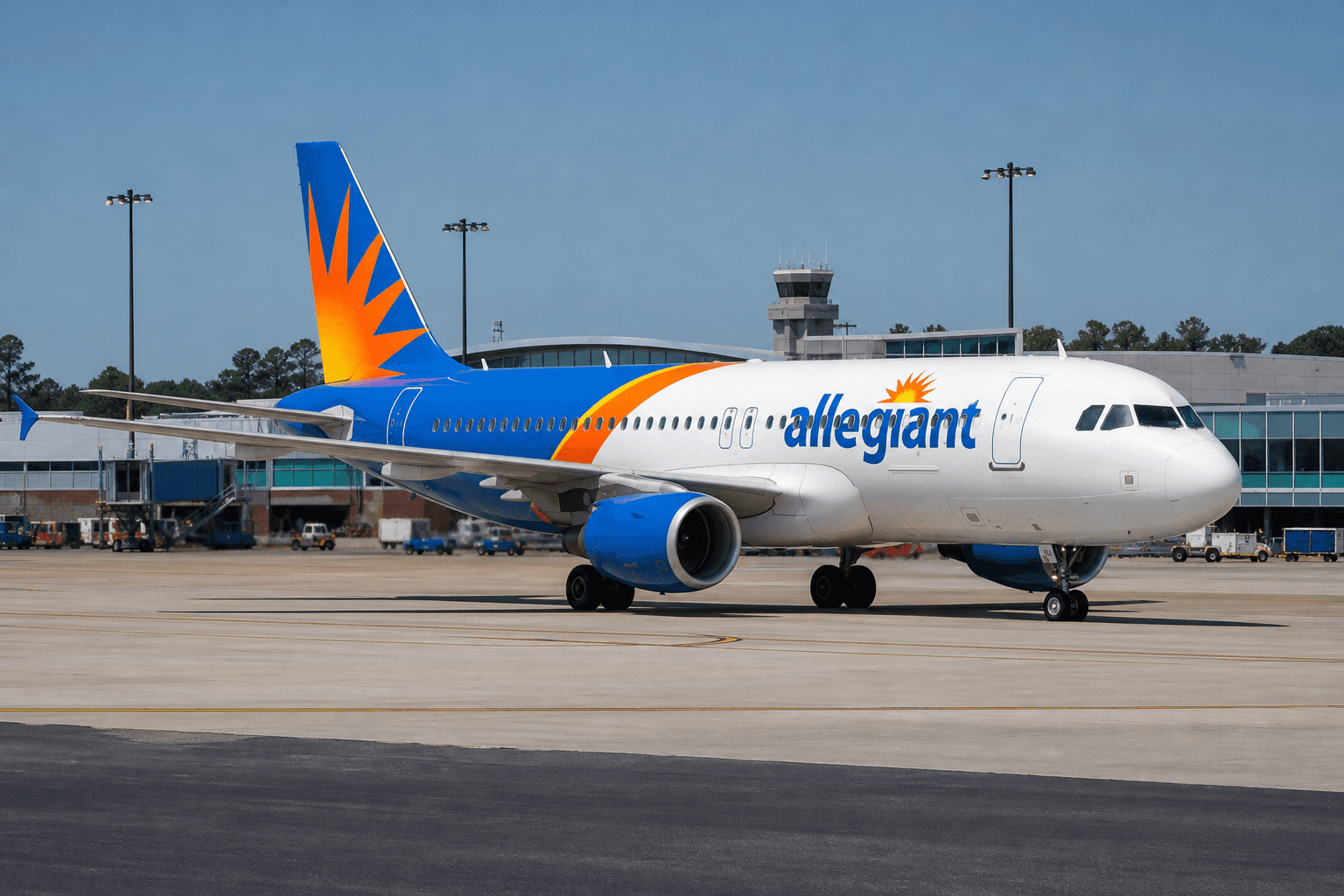
Allegiant Air Cuts 13 Myrtle Beach Routes Including Atlantic City and Midwest Cities
Allegiant Air has flown to Myrtle Beach since 2009. Cirium Diio data shows that it was the ultra-low-cost carrier's third destination in South Carolina. It came after Columbia, the capital, and Greenville/Spartanburg, both first served 20 years ago. All flights to Columbia have now ended .

CAU Flight Team Rises to Top 10 Nationally, Emphasizing Safety and Pilot Competencies
Collegiate flight competition provides student pilots with opportunities to apply aviation knowledge, refine flying skills, and develop the professionalism needed throughout their careers. For California Aeronautical University (CAU), it has also become a way to reinforce many of the same competencies that contribute to safe and effective flight operations.
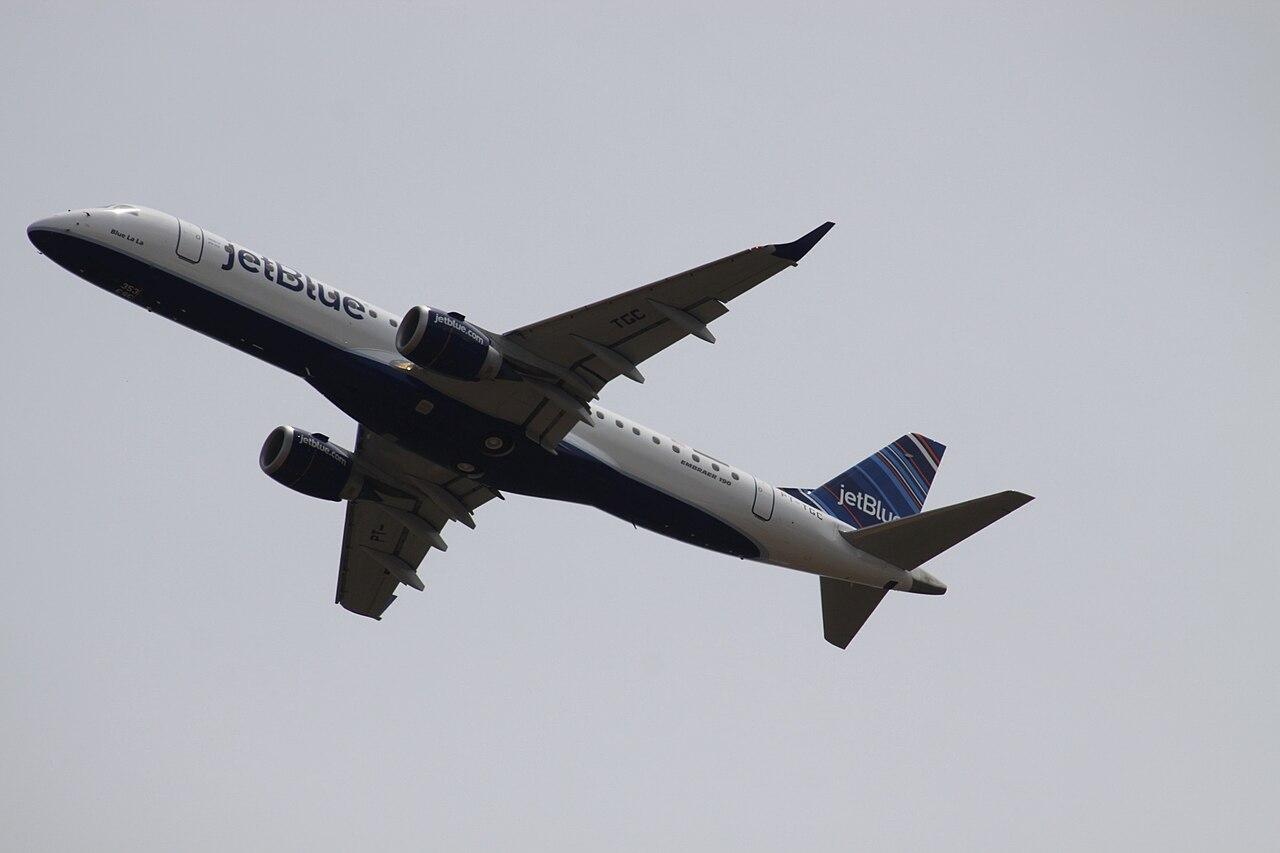
JetBlue Eliminates 35 Routes Including 22 Domestic and 13 International in 2026 Cuts
JetBlue has removed a considerable 35 routes from its network, of which 22 are domestic and 13 are international. They all operated at some point in the first ten months of 2026 , but no flights are scheduled in the future.
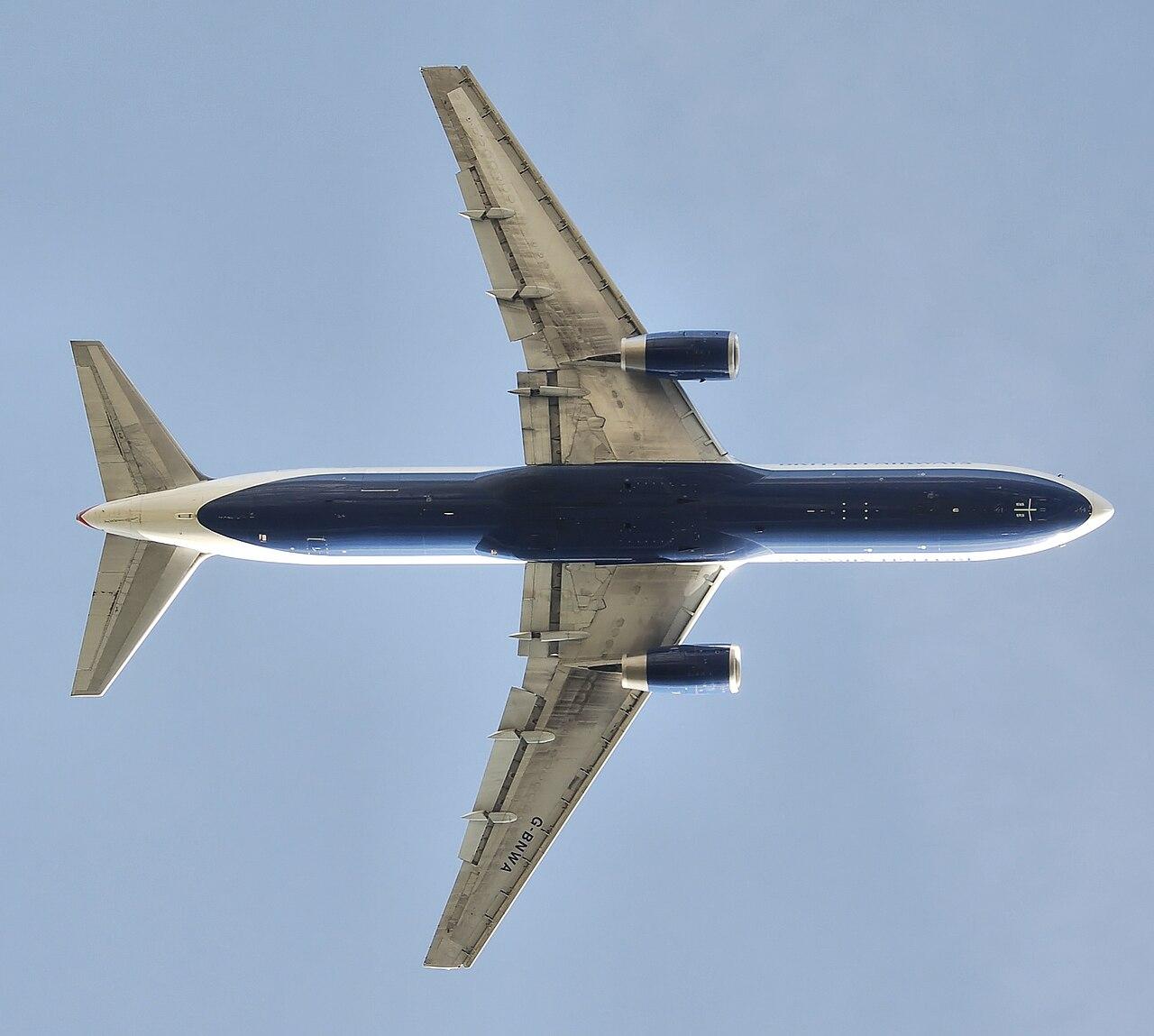
UPS and FedEx phase out MD-11 freighters, turn to Boeing 767 and 777F aircraft
The McDonnell Douglas MD-11 has been a workhorse of the global air cargo industry since it entered service in 1990. While passenger airlines had largely abandoned the three-engine widebody, UPS and FedEx continued to rely on it to move millions of packages across their networks. That era is now coming to an end, but replacing the MD-11 is proving more complicated than simply ordering another freighter.
The Daily Touch & Go
The day's best aviation news in your inbox. Free, no spam.