

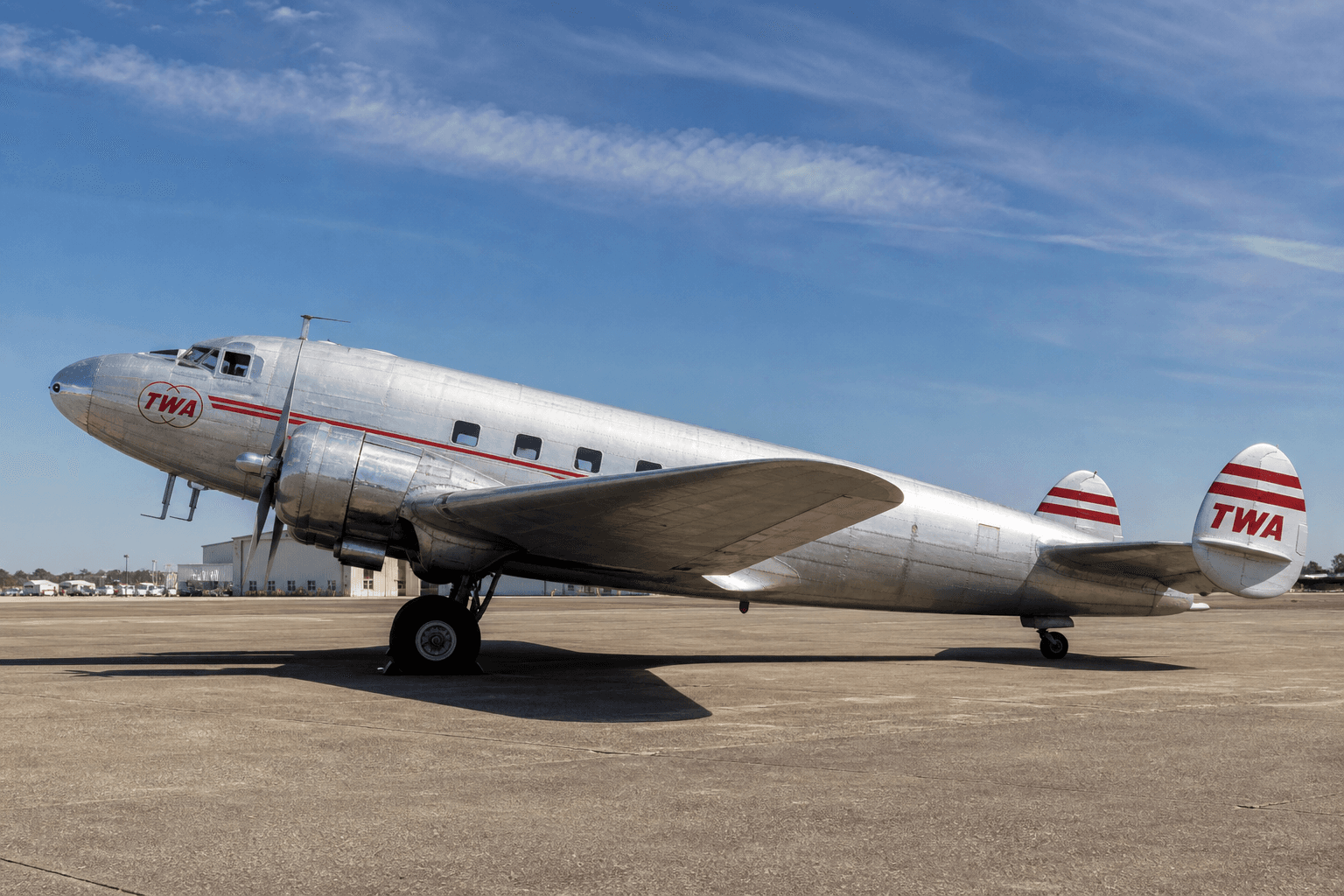
Illustration: The Touch & Go
Douglas DC-2: The Overlooked Airliner That Paved the Way for Modern Aviation
Although overshadowed by its successor, the DC-2 was pivotal in advancing commercial air travel and airline operations in the 1930s.
The gist
Before the famed DC-3, the DC-2 revolutionized airline service and established standards still influencing aviation today.
The Douglas DC-2, often overshadowed by the legendary DC-3, was in fact a groundbreaking aircraft that significantly shaped commercial aviation during the 1930s. Its development marked a critical evolution from earlier designs, introducing faster speeds, improved passenger comfort, and greater reliability that helped airlines meet expanding demand for air travel. The DC-2 demonstrated that twin-engine airliners could be safe and efficient for scheduled service, a concept then still emerging in the industry.
This aircraft featured advancements such as all-metal construction, streamlined aerodynamics, and more powerful radial engines compared to its predecessors, allowing it to fly longer distances at higher speeds. Airlines using the DC-2 were able to reduce travel times and operate more frequent flights, which attracted a growing customer base eager for modern, reliable air transportation. Notably, the aircraft’s design influenced airline operations by emphasizing punctuality and passenger experience, laying groundwork for future fleet standards.
The DC-2’s impact extended beyond U.S. carriers; it found operators worldwide, including influential airlines in Europe and Asia. Its success proved critical in establishing commercial aviation as a dependable mode of transport rather than a luxury novelty. The DC-2 also set the stage for the mass production and widespread adoption of its successor, the DC-3, which capitalized on the foundation this model had built.
While the DC-3 is often credited with transforming the airline industry, the DC-2 deserves recognition as the innovative precursor that proved the feasibility of modern commercial airliners. It not only showcased technological accomplishments but also encouraged airlines to develop more comprehensive route networks and improve schedules. This heritage highlights how incremental innovation often underpins major breakthroughs in aviation history.
Today, the DC-2 stands as a testament to the rapid evolution of airliner design and commercial aviation strategy before World War II. Aviation historians and enthusiasts recognize its role in shaping airline practices that persist today. Understanding the DC-2's contributions offers valuable insight into how early airliner design influenced the global transformation of air transport in the early 20th century.
Read more
All General Aviation →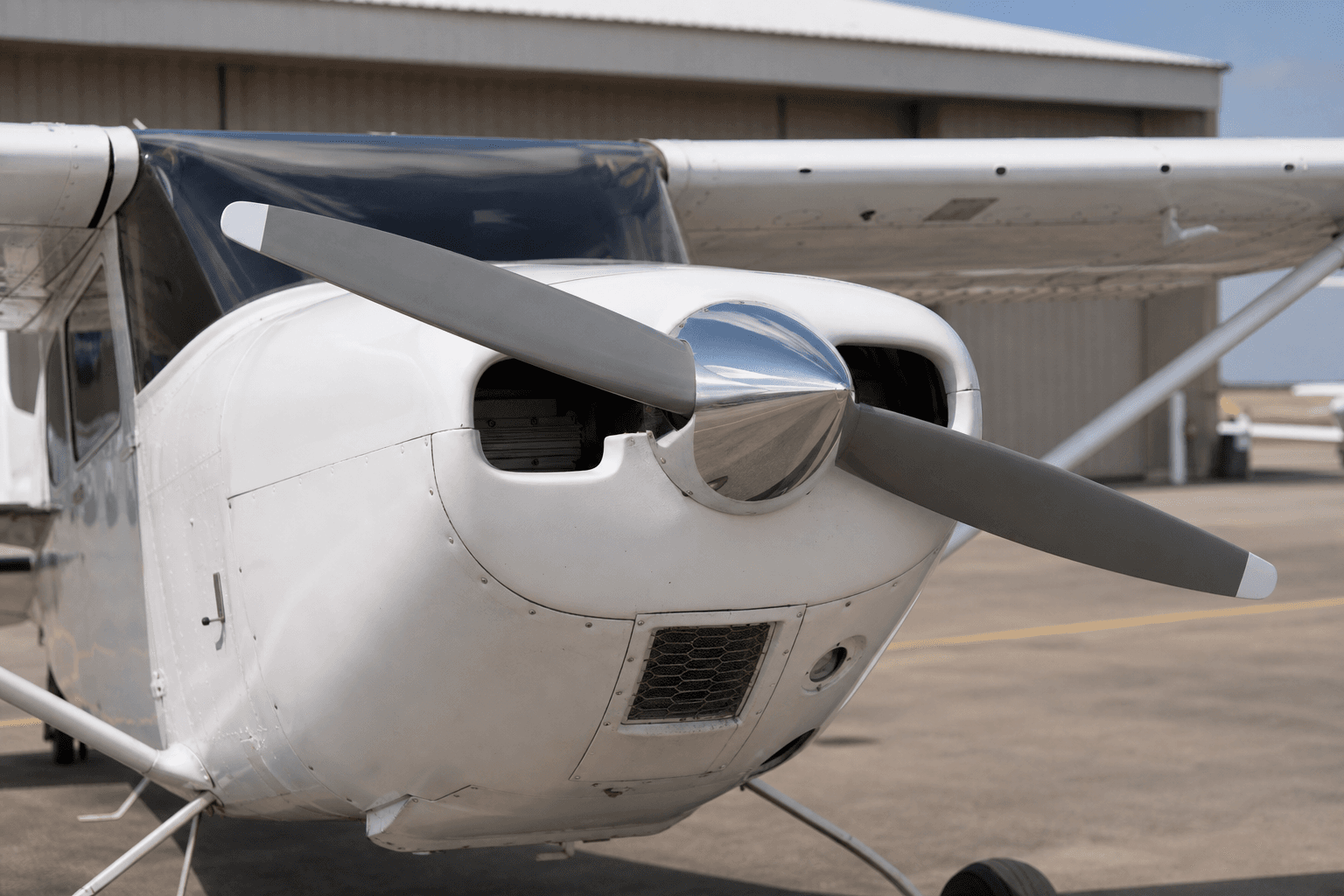
Hartzell Gets STC Approval for Frontier Prop on Cessna 180 Models
The two-blade aluminum propeller is approved for Cessna 180 A-J models powered by Continental O-470 engines.
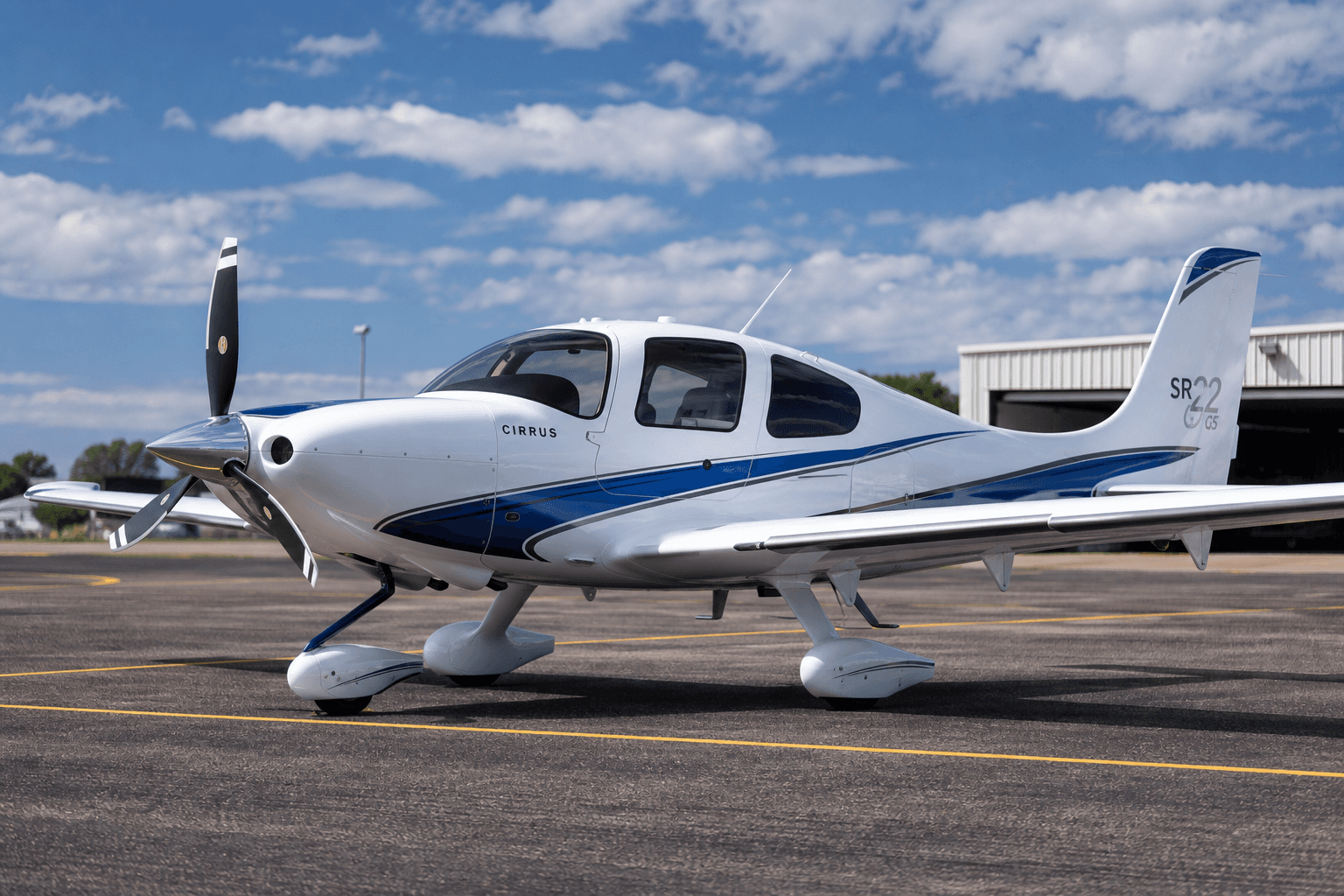
2015 Cirrus SR22T G5 Offers Turbocharged Performance and Low Time for Cross-Country Enthusiasts
Turbocharged power, low total time, and a freshly completed annual anchor this ultimate five-seat cross-country machine.

Ohio Pilot Draws USA 250th Anniversary Map in Sky with Six-Hour Cessna Flight
One daring pilot etched a piece of history in the sky above Ohio, tracing the contiguous United States in a six-hour flight.

Builders Complete Replica Rose Parrakeet After 17 Years of Work
By Scot Cox, EAA 1020156 This piece originally ran in the May 2026 issue of EAA Sport Aviation magazine. The construction of Rose Parrakeet N444RP began in October 2009 using the Hannaford Aircraft Co. plans as a guideline. This plansbuilt replica was a joint effort between Mike Shade, EAA 144231, and me in the Belle […]
The Daily Touch & Go
The day's best aviation news in your inbox. Free, no spam.