

Illustration: The Touch & Go
USMC F-35Bs Demonstrate Unique Finnish Highway Landing Amid NATO Exercise
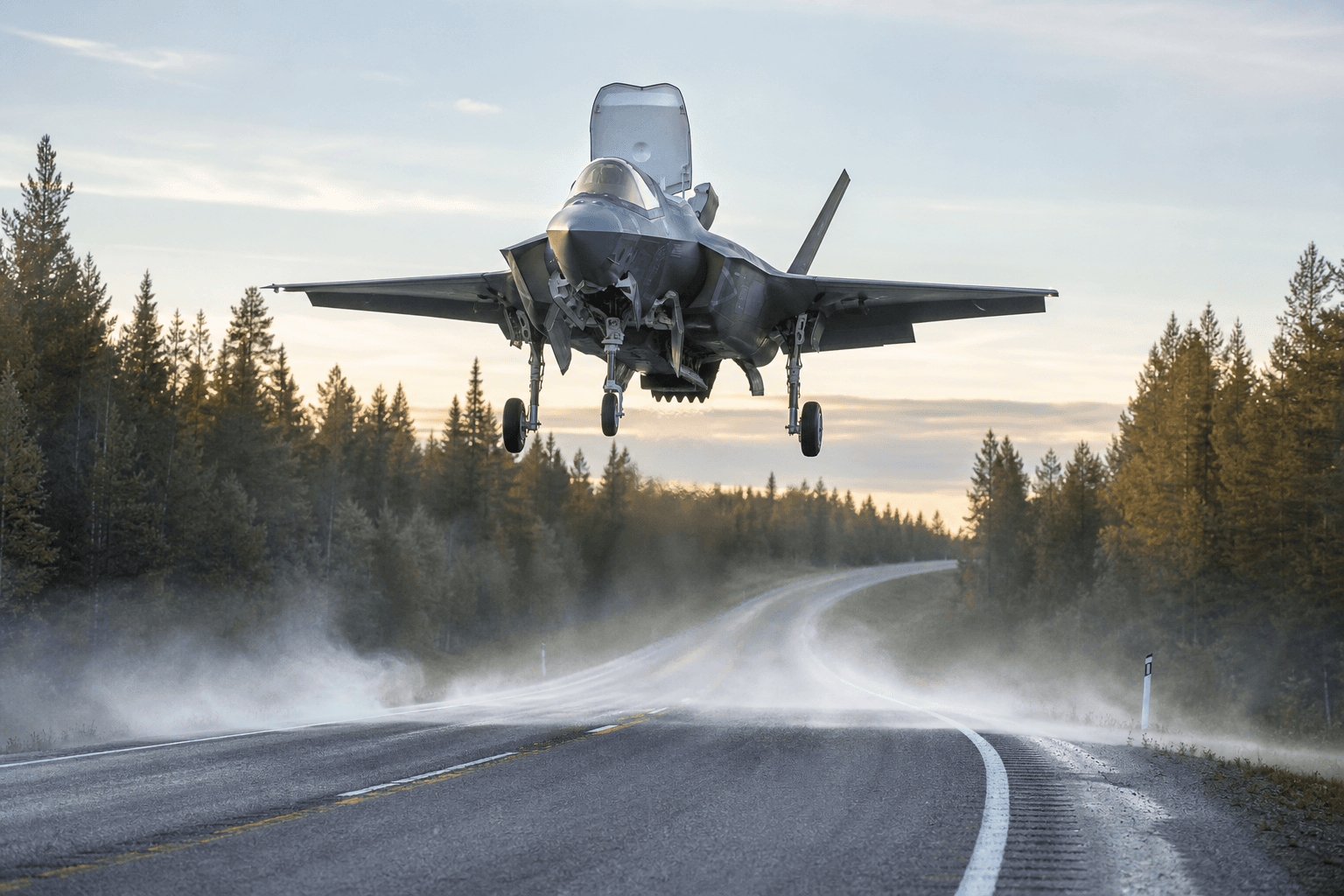
From June 8-12, 2026, US Marine Corps F-35B jets conducted takeoffs and landings on a Finnish highway near Russia's border during NATO's Ramstein Flag exercise, leveraging their exclusive vertical landing capability.
The gist
Only the F-35B stealth fighter can land, refuel, and take off from Finnish highway strips, a crucial edge shown during June 2026 NATO drills near Russia.
Continuing coverage
All F-35b →Between June 8 and 12, 2026, the United States Marine Corps deployed its F-35B Lightning II stealth fighters to conduct repeated landings and takeoffs on a temporarily closed section of Highway 5 in Tervo, Finland. This location lies roughly 322 kilometers (200 miles) from the Russian border, underscoring the operation’s strategic significance amid NATO’s Ramstein Flag 2026, a large multinational military exercise spanning from northern Norway to southern Spain. The USMC F-35B squadron known as VMFA-224 led the operation, marking their first deployment to Finland and demonstrating operational flexibility in contested environments.
This highway operation also featured participation from Spanish and Polish military aircraft, marking their inaugural use of Finnish road strips. Support logistics were provided by Marine Wing Support Squadron 272, enabling swift forward arming and refueling of aircraft positioned directly on a public road — a notable feat of expeditionary aviation support.
Tervo’s strategic position distinguishes it from Finland’s fixed airbases such as Rovaniemi, Rissala, and Tampere Pirkkala. Unlike established bases, the highway strip can be activated or deactivated rapidly, complicating potential targeting by adversaries. Allied Air Command Commander Jason Hinds emphasized how this maneuver exemplified NATO airpower’s comprehensive defense strategy across all territories under the alliance’s protection.
Fundamental to this operation’s success is the F-35B’s unique Short Takeoff and Vertical Landing (STOVL) capability. Unlike the F-35A and F-35C variants operated by other US services, which require extended runways for safe landings and takeoffs, the F-35B can hover, land vertically, and take off from short or unconventional surfaces without the need for arrestor gear or lengthy paved strips. This capability derives from its shaft-driven lift fan, a Rolls-Royce LiftFan integrated behind the cockpit and mechanically linked to the jet engine.
This lift fan, combined with a swiveling rear exhaust nozzle, produces approximately 40,000 pounds of vertical thrust, sufficient to suspend the fighter’s 32,000-plus pound empty weight in a stable hover. Furthermore, roll control jets embedded in the wings provide the lateral stability necessary during the transition between conventional and vertical flight modes. This intricate engineering feat allows landings and takeoffs from stretches of highway too short or unsuitable for conventional jets.
The engineering challenges inherent in this system nearly derailed the entire F-35 program in the early 2000s. Weight growth from the lift fan and complex STOVL mechanisms prompted a 'STOVL weight crisis' around 2003-2004, necessitating a near-complete airframe redesign across all F-35 variants. These modifications increased costs and development delays, contributing to the F-35’s reputation for expense and complexity over the following decade.
The Finnish highway exercise in Tervo contrasts with previous operations involving the F-35A, such as the Royal Norwegian Air Force’s 2023 Baana 23 exercise and the USAF 495th Fighter Squadron’s 2024 road landings. Both required several thousand feet of closed highway to mimic conventional runway landings. The F-35B’s STOVL ability enabled far shorter landing zones and the flexibility to perform emergency landings without forward roll-out, as demonstrated in Tervo.
While the highway exercise garnered media attention for its dramatic visuals, defense analysts regard the F-35B’s lift fan system as the pivotal element shaping NATO’s tactical air mobility and resilience near Russia’s borders. The operation exemplifies how innovation in aircraft design extends beyond stealth and sensors to versatile basing options, enhancing deterrence and rapid response capabilities in contested theaters.
Read more
All Military/Defense →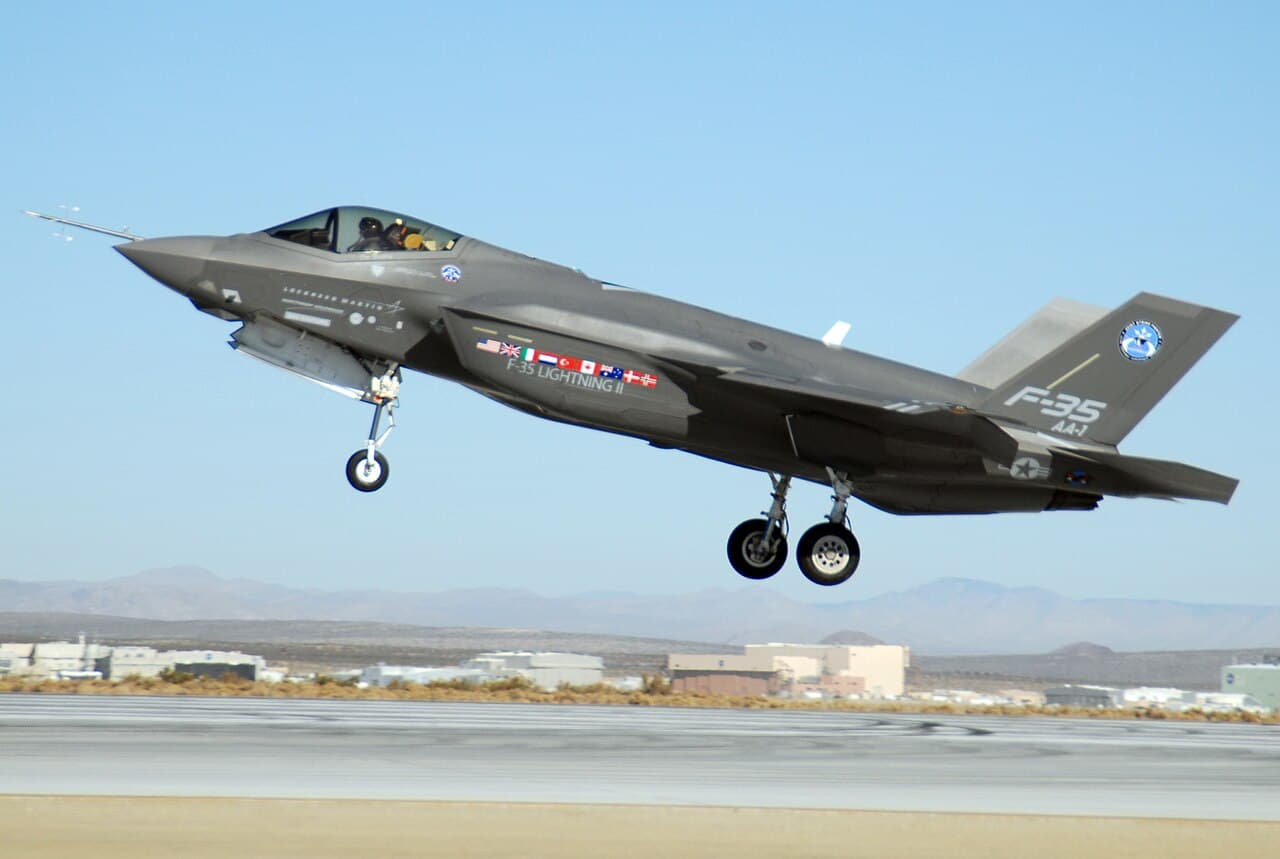
World's Stealth Fighter Landscape in 2026 Divided Between F-35 Allies and Sino-Russian Blocks
According to TheWorldData's 2026 F-35 statistics roundup , the global Lockheed Martin F-35 fleet has already passed 1,300 aircraft delivered across 17 or more nations, dwarfing every other stealth fighter program combined. Everyone else on Earth flying stealth fighter jets in 2026, such as China, Russia, and their allies, is flying something else entirely, built by a different country, sold under different rules, and answering to a different set of allies.
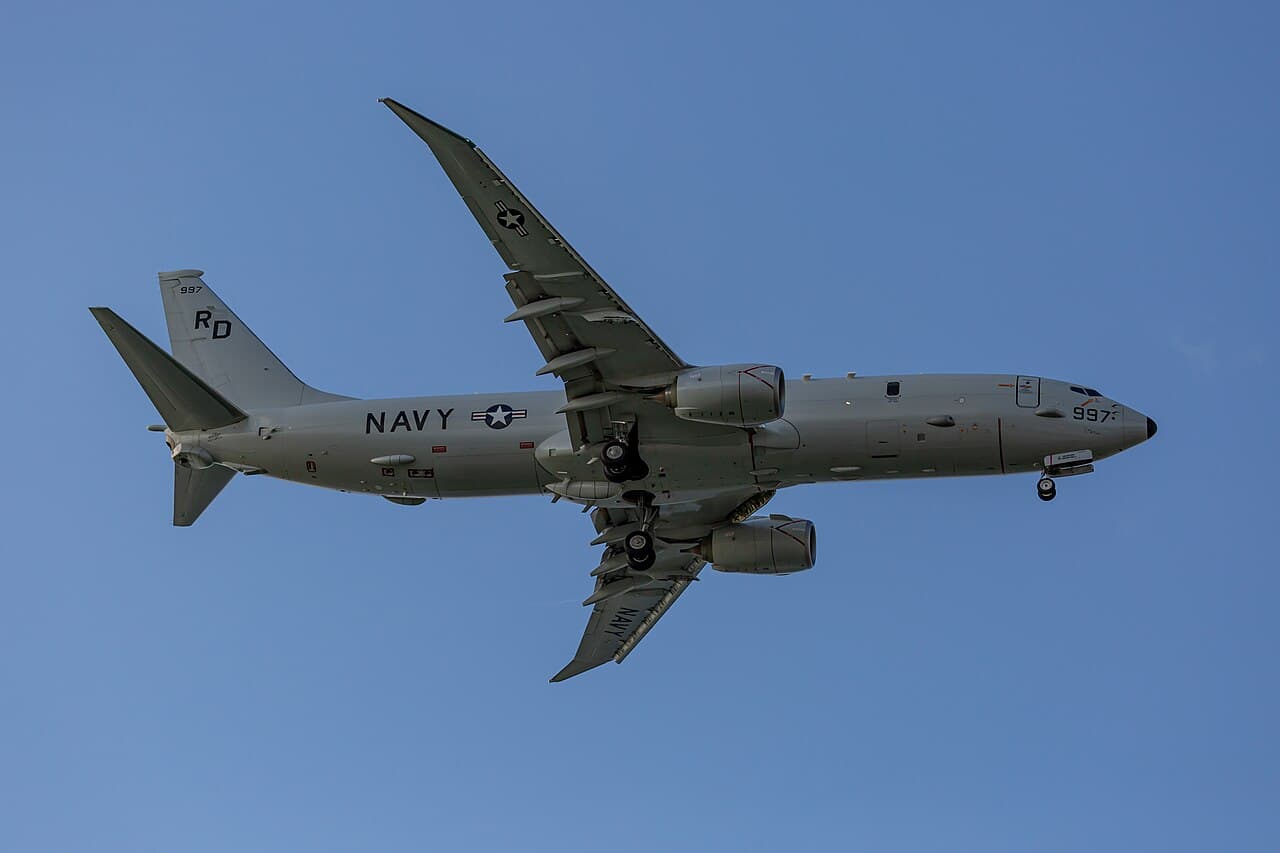
NATO Expands Use of Boeing P-8A Poseidon to Bolster Maritime Surveillance
The Royal Air Force in the United Kingdom took delivery of the first Boeing P-8A Poseidon Maritime Patrol aircraft in 2019. It was the first in the North Atlantic Treaty Organization to induct the new Boeing MPA after the United States. In the year that followed, the roster of nations to adopt the Poseidon is now up to five.
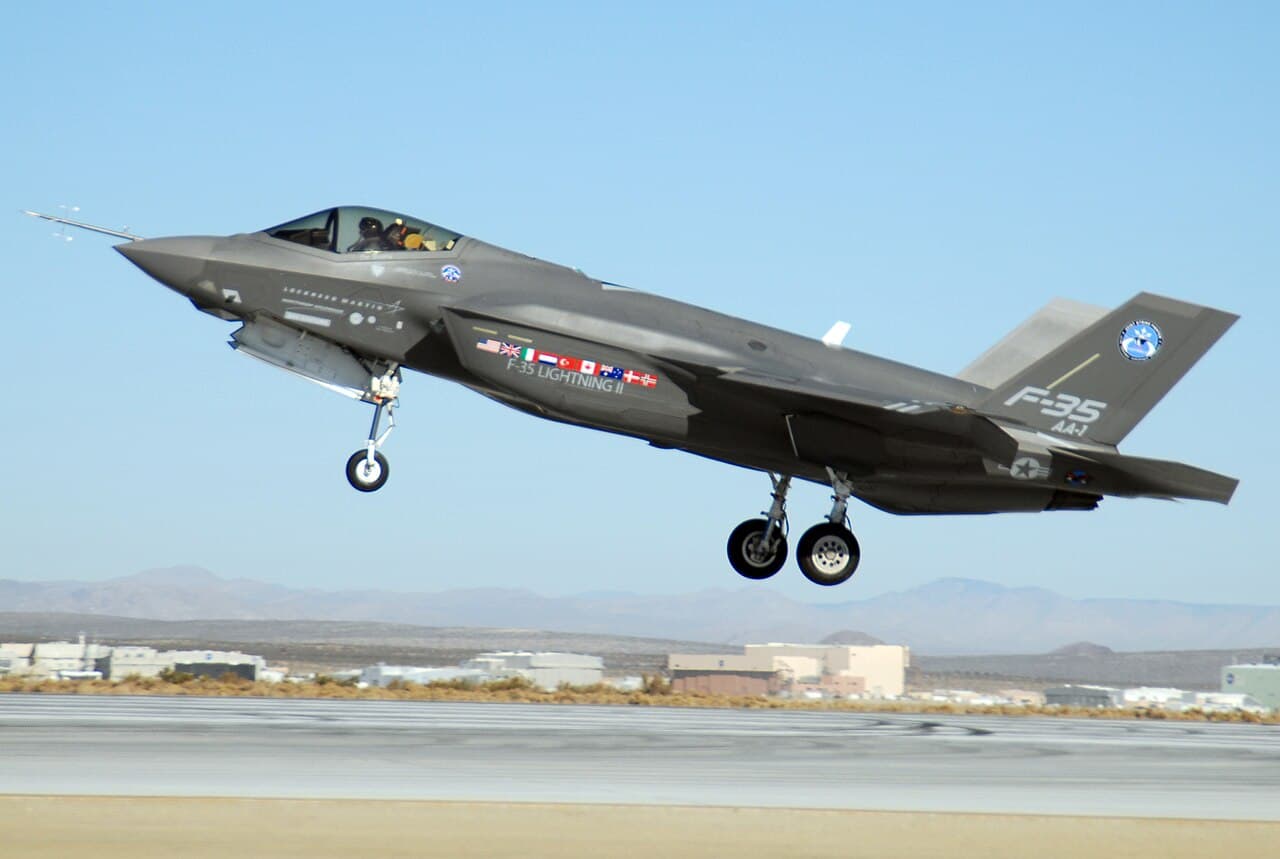
UK delays delivery of expanded F-35 fleet until early 2030s amid strategic and logistical challenges
Due to severe worldwide backlog pressures within the F-35 Joint Program Office and a strategic procurement delay by the Ministry of Defense, the United Kingdom will not receive any new Lockheed Martin F-35 Lightning II jets from its enlarged fleet order until the early 2030s. The upcoming batch introduces the F-35A variant to the UK fleet for the first time, intended to fulfill NATO nuclear-sharing missions.
United Airlines expands Denver training center adding 40 new CAE flight simulators
United Airlines has completed the first phase of an expansion at its Denver Flight Training Center after adding 40 new CAE flight simulators. The additions include a combination of full-motion flight simulators and fixed training devices. United now operates 52 full-motion simulators and 34 fixed devices at the training center, which the airline describes as the largest pilot training facility in the world. The 22-acre campus in Denver's Central Park neighborhood includes eight buildings and nearly 700,000 square feet of training space. United said it can train as many as 860 pilots per day and conduct more than 32,000 training events annually. The center operates around the clock for 362 days each year. It is United's only pilot training facility, serving nearly 18,000 active pilots as well as newly hired flight crews. United pilots complete simulator sessions during initial qualification and return to Denver for recurrent training every nine months. "This expansion reflects the strength of a partnership built over more than four decades," CAE President and CEO Matthew Bromberg said. "We're proud to support United with the training technology, expertise and reliability needed to prepare pilots at scale." United opened a new 150,000-square-foot building at the campus in 2024 as part of the expansion. The airline invested more than $145 million in the facility, which was designed to accommodate additional full-motion simulators, fixed training devices, classrooms and support areas. The project, which kicked off in 2022, has created more than 300 additional jobs at the training center. United said approximately 1,600 of its more than 11,400 Denver-based employees now work at the training center in positions including flight instruction, evaluation, scheduling, pilot hiring and flight standards. United has invested $370 million in the campus since 2016. The training center was originally constructed between 1966 and 1968 as part of the former Stapleton Airport complex and has served as the airline's main pilot training facility since then. The airline is already preparing for another expansion near Denver International Airport (DEN). Denver City Council approved a rezoning request in July 2026 for two parcels of undeveloped land that United purchased in 2023. United expects to begin construction on the next phase in 2027 and place the additional training facility into operation by 2030. It will operate alongside the existing Central Park campus. The airline has hired more than 9,500 pilots since announcing its United Next growth strategy in 2021. It added approximately 700 pilots during the first part of 2026 and plans to hire hundreds more before the end of the year. United also operates its Aviate pilot career program, the United Aviate Academy in Goodyear, Arizona, and a pathway for active-duty US military pilots. The airline said nearly 600 military pilots have joined United through that program since 2024, with another 500 expected to make the transition by the end of 2027.
The Daily Touch & Go
The day's best aviation news in your inbox. Free, no spam.