Illustration: The Touch & Go
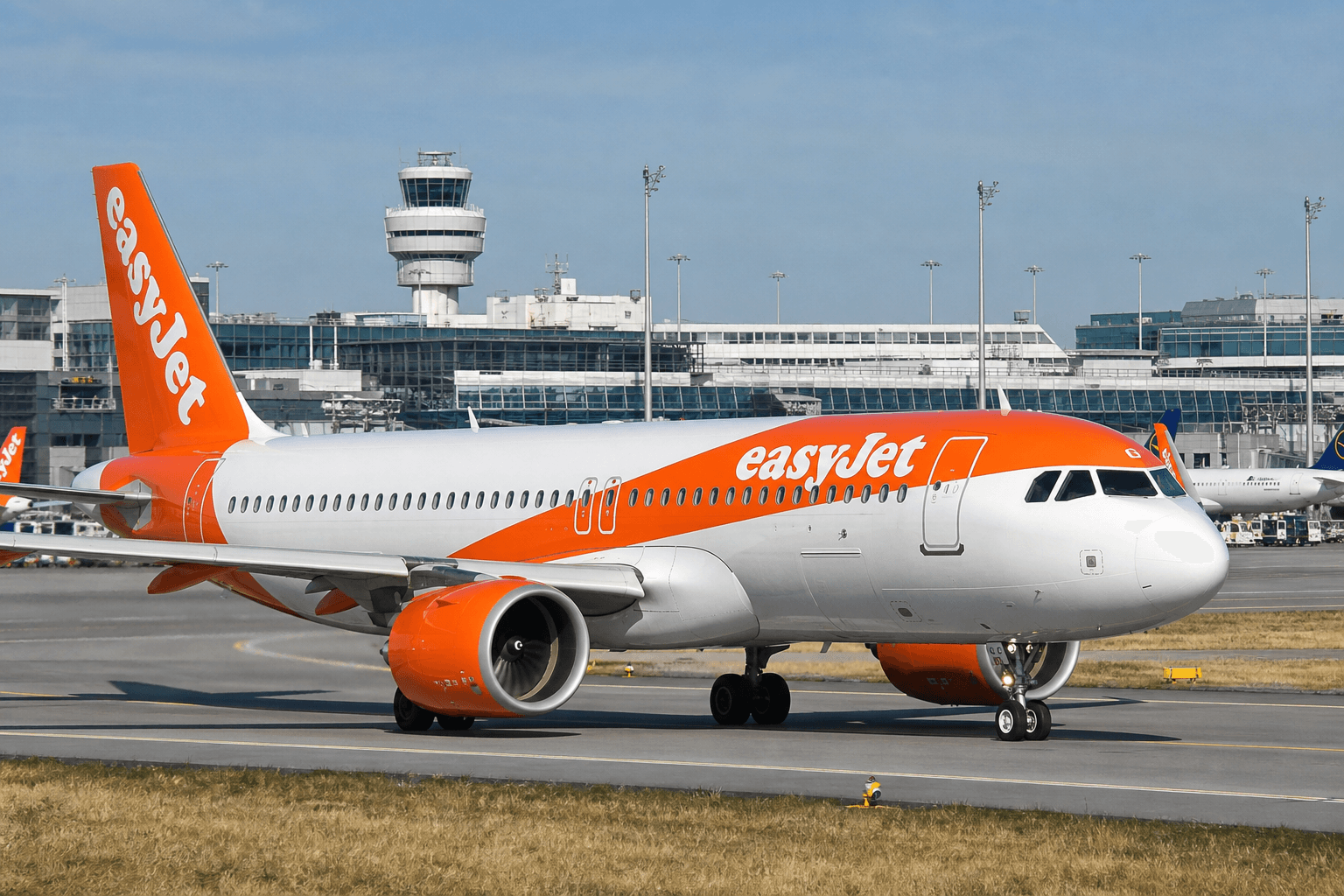
easyJet board agrees in principle to Castlelake's £5.2 billion acquisition bid
Investment firm Castlelake's £5.2 billion offer for easyJet has been accepted in principle by the airline's board after multiple bid increases.
The gist
easyJet's board accepts Castlelake's £5.2 billion takeover offer after a bidding spree that lifted share prices over 70%.
Continuing coverage
All Castlelake →- Apollo Agrees £5.7bn Bid to Acquire EasyJet After Castlelake Withdraws
- Apollo and Castlelake Duel to Take easyJet Private in Multi-Billion Pound Bids
- Apollo Global Management Tops Castlelake with $7.26B EasyJet Takeover Bid
- EasyJet Accepts $7.3 Billion Takeover Bid from Castlelake
- US Firm Castlelake Plans £5.5B Takeover of easyJet, Raising Fleet and Route Questions
easyJet's board has agreed in principle to a £5.2 billion acquisition offer from investment firm Castlelake, marking a significant development in the British low-cost carrier's ownership landscape. This acceptance follows a series of escalating bids from Castlelake, which first expressed interest in mid-June 2026. Over less than a month, Castlelake raised its bid repeatedly, forcing easyJet's board to reconsider initial rejections and ultimately concur with the latest offer representing a 24% premium over recent share prices.
The acquisition offer, equating to approximately US$6.9 billion, was set at £6.90 per share, substantially higher than Castlelake's initial £5.60 per share bid that was initially dismissed by easyJet's board as undervaluing the airline. The final figure accepted approaches the £7.00 per share valuation that some easyJet shareholders reportedly regarded as the minimum acceptable price. Prior to Castlelake's approach becoming public on May 29, 2026, easyJet’s shares traded significantly lower, making the acquisition offer particularly lucrative to shareholders.
easyJet’s financial performance in the recent fiscal year demonstrated robust growth, which has likely influenced the valuation and the increased bidding competition. In 2025, the airline posted an EBIT of £703 million (approximately US$937 million) on revenues of £10.1 billion (US$13.4 billion). Since 2019, the airline's revenue and profit have increased by nearly 60%, even though profit margins have remained largely steady. The improving financial picture adds weight to the acquisition valuation reached by Castlelake.
The airline’s financial goals include pushing profit before tax beyond the £1 billion threshold in the near term, a target that underscores easyJet’s progressing earnings capacity. A major contributor to recent profit growth has been easyJet Holidays, a leisure package business launched in 2019. This subsidiary has become a vital profit center for the airline, accounting for over one-third of easyJet’s profits and diversifying revenue beyond straightforward ticket sales.
Castlelake’s acquisition pursuit stems from its strategic interest in the aviation sector, and easyJet presents a significant asset given its scale and brand recognition in Europe’s low-cost market. The firm’s persistence through multiple bids within weeks signals a strong commitment to completing the transaction. The acceptance by easyJet's board suggests alignment on value at this stage, although the formal offer process will continue, requiring Castlelake to submit its definitive proposal by August 3, 2026.
This takeover bid follows a period of heightened activity in the European airline sector, where investors are increasingly drawn to stable cash flows and the growth potential of leisure travel markets. easyJet, with its established route network and ancillary services, fits well within those investment themes. The fruition of this deal could reshape easyJet’s operational autonomy and strategic direction under new private ownership.
As the bid moves forward to the formal offer stage, close monitoring of shareholder and regulatory responses will be critical. Shareholders will assess the merits of the offer compared to potential standalone gains, while regulators will evaluate the impact on competition within the European airline market. The agreed valuation already reflects a significant premium, emphasizing the attractiveness of easyJet's business health and prospects.
At this point, Castlelake’s ability to complete the acquisition successfully by the August deadline will depend on satisfactory due diligence outcomes and securing requisite approvals. The proposed transaction stands as one of the larger takeovers in the European airline industry this year. Its conclusion will be a key event in 2026 corporate aviation news, potentially influencing market valuations and ownership trends in the sector.
Read more
All Airlines →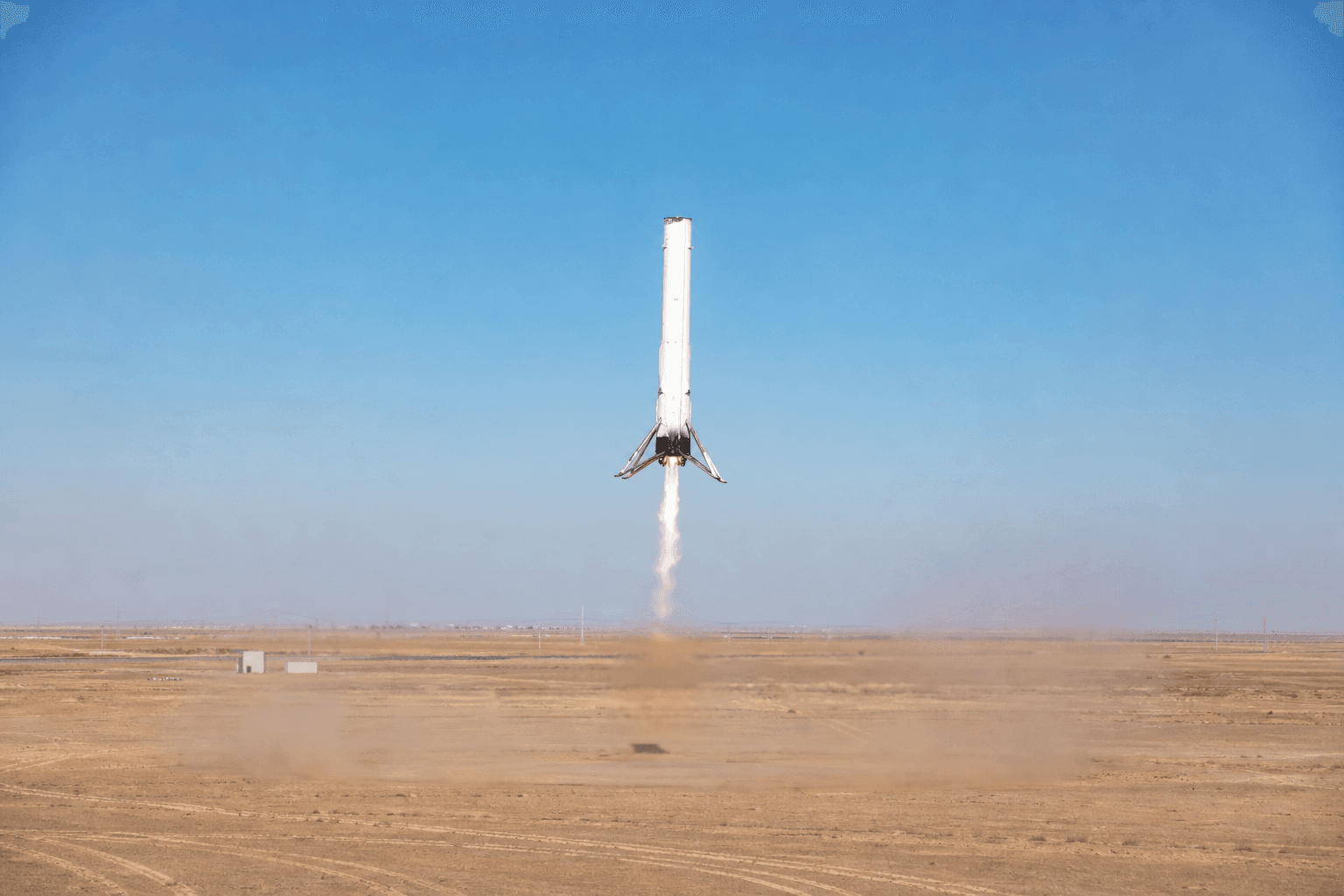
China's LandSpace achieves milestone with Zhuque-3 reusable rocket booster landing
SpaceX could face formidable new competition in the space launch market after China's LandSpace successfully landed the first stage of its Zhuque-3 rocket, becoming the first private Chinese company to recover an orbital-class booster using the same method as SpaceX's reusable Falcon 9 rocket. The Zhuque-3 lifted off from the Dongfeng Commercial Space Innovation Pilot Zone in northwestern China at 07:35 local time on August 19, 2026. After separating from its second stage, the booster reoriented itself, completed a reentry burn and descended toward a landing site in Minqin County in Gansu province, approximately 240 miles from the launch pad. The booster deployed its landing legs and touched down vertically nearly eight minutes after liftoff. "This mission marks China's first-ever successful recovery attempt of the first stage of an orbital-class launch vehicle using landing legs, and China's first successful booster recovery on land," LandSpace said in a statement. Video released by the company shows a gentle touchdown reminiscent of the technique SpaceX pioneered a over a decade earlier with the first successful Falcon 9 landings. The launch was the second flight of Zhuque-3 and LandSpace's second attempt to recover its first stage. The rocket reached orbit on its inaugural flight in December 2025, but an abnormal combustion event prevented the booster from completing its landing. LandSpace said it made several changes before the second flight, including revisions to the landing propulsion system, thermal protection and return-control software. The company also added a predicted-impact-point function to the rocket's autonomous flight termination system. Zhuque-3 uses nine methane-fueled engines on its first stage. Its stainless-steel construction and liquid methane and liquid oxygen propulsion system are intended to support repeated flights while reducing manufacturing and refurbishment costs. LandSpace says an expendable Zhuque-3 can carry as much as 14.2 metric tons to low Earth orbit. The company wants to fly each first stage as many as 20 times and plans to attempt the first reuse of a recovered booster within six months. The successful landing places LandSpace alongside both SpaceX and Blue Origin as the only private companies to have propulsively landed the booster of an orbital-class rocket. SpaceX first landed a Falcon 9 booster in December 2015 and has since made booster recovery and reuse a routine part of its launch operations. Blue Origin landed the first stage of its New Glenn orbital rocket for the first time in November 2025. SpaceX founder Elon Musk had not publicly commented on the successful landing as of August 20. In an October 2025 post on X, however, Musk said the Zhuque-3's combination of stainless-steel construction, methane propulsion and a Falcon 9-style architecture could enable it to eventually outperform Falcon 9. China completed its first recovery of an orbital-class booster in July 2026 during the inaugural flight of the state-developed Long March 10B. Instead of landing on legs, that stage was captured by cables stretched across an offshore platform. LandSpace, founded in 2015, had already claimed another first in commercial spaceflight, with its smaller Zhuque-2, which became the first methane-fueled rocket to reach orbit in July 2023. The company is seeking to raise 7.5 billion yuan, or approximately $1.1 billion, through an initial public offering in Shanghai. It plans to use the funding to expand development and production of reusable launch vehicles in its quest to compete in the commercial space launch market.
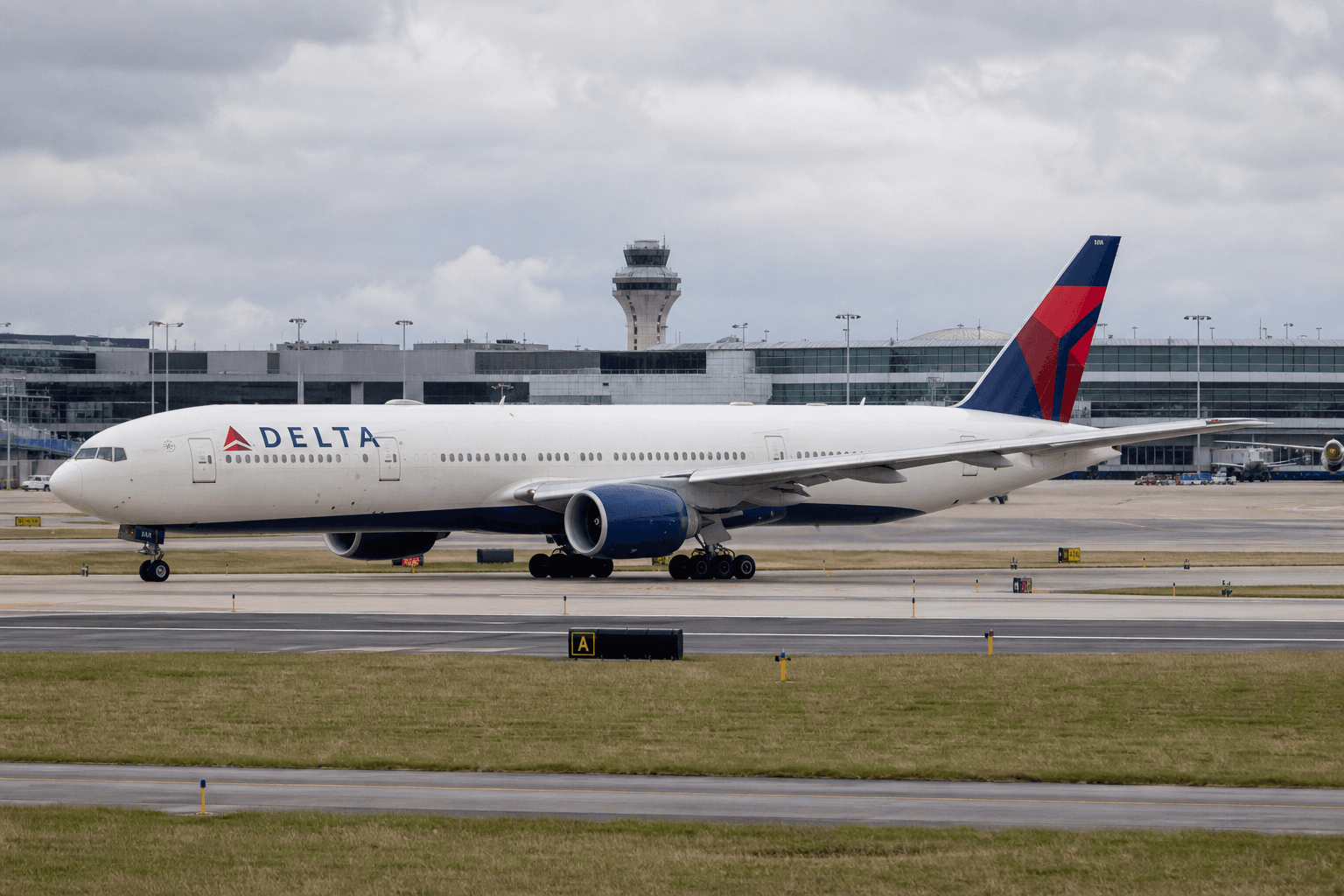
Delta CEO Aims for Elite Global Status, But Operational Issues Undermine Claims
Ed Bastian wants Delta mentioned with Singapore Airlines and the best Asian and Middle Eastern carriers. Delta has a brand, but product consistency and service still fall short and once-vaunted reliabiltiy has faltered.
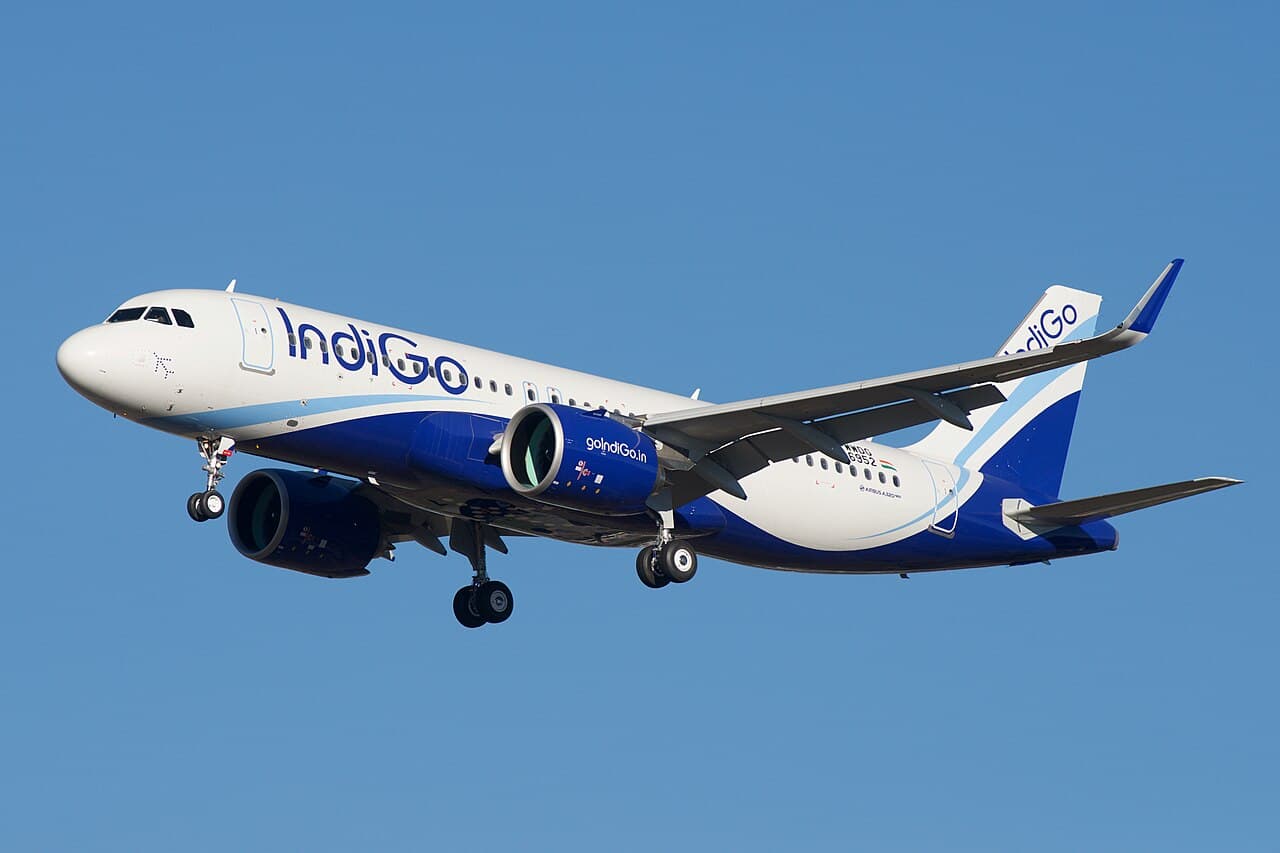
Lufthansa debuts Starlink internet on Airbus A320neo flight from Frankfurt to Rome
A mainline Lufthansa A320neo equipped with the satellite internet technology flew from Frankfurt to Rome.
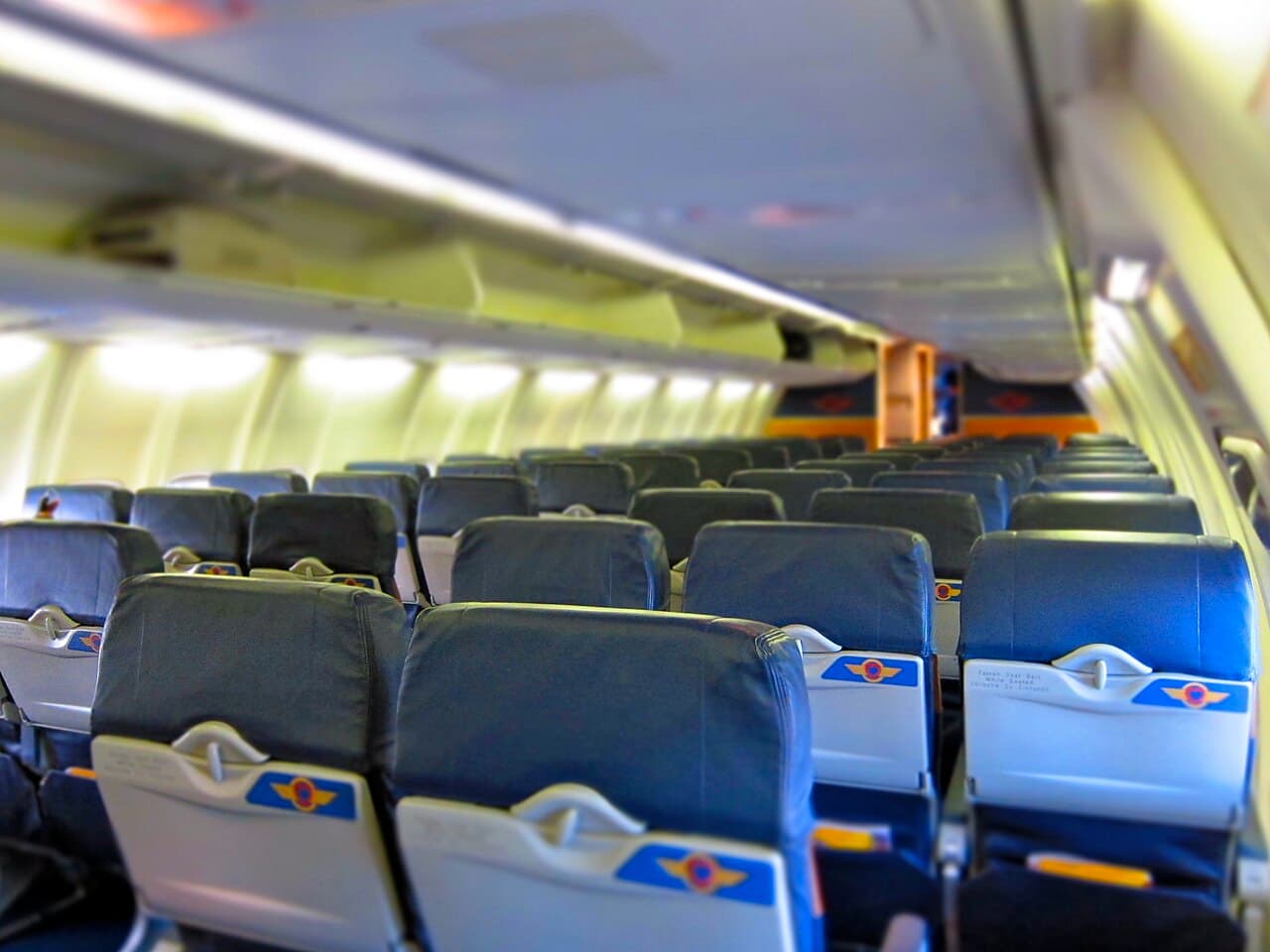
Southwest Must Correctly Inform Flight Attendants on Religious Discrimination Rights
Southwest Airlines reinstated flight attendant Charlene Carter and helped pay a $946,102.87 judgment after a jury found it liable for religious discrimination case - it fired her at the behest of the union as a result of her speaking out with anti-abortion and anti-union messages. But the airline triggered a contempt fight by refusing to send flight attendants the message about their rights that the judge demanded.
The Daily Touch & Go
The day's best aviation news in your inbox. Free, no spam.