

Image: PJSC "UAC" · CC BY-SA 4.0 · via Wikimedia Commons
United Airlines Enforces Presence Rule for Reserve Flight Attendants Amid Union Dispute
United Airlines has begun dismissing reserve flight attendants who fail to be physically present at their bases, sparking a contract dispute with the flight attendants' union over enforcement policies.
The gist
United Airlines is firing reserve flight attendants not at their bases, challenging contract terms and provoking union backlash.
United Airlines has intensified its enforcement of attendance policies for flight attendants on reserve duty, terminating those who fail to report to their designated base locations as required. This crackdown targets attendants who, rather than positioning themselves at or near their assigned bases, choose not to be physically present, complicating scheduling and staffing of flights. The airline’s stance mandates that reserve flight attendants must either be at their home base airport or within a three-hour travel radius at the start of their reserve period to remain eligible for assignments.
Reserve flight is a status where flight attendants are on call and must be ready to work on short notice. Traditionally, attendants on reserve remain at or near their base to accept trip assignments as they arise. However, some attendants have taken a calculated risk by not traveling to the assigned base city, anticipating that they may not receive an assignment. Should an assignment be given, these attendants reportedly call out sick at the last minute, disrupting scheduling and straining operational readiness.
The Association of Flight Attendants (AFA-CWA), representing United’s cabin crew, disputes the airline’s new interpretation of the contract. The union argues that as long as a flight attendant accepts the trip assignment and reports to the base at the required time, the location of the attendant prior to that should not matter. This position implies that the timing of arrival for duty outweighs the physical presence requirement outside of active assignments, reflecting a difference in interpreting contractual obligations and operational expectations.
This enforcement action follows complaints from United Airlines management regarding unpredictability in staffing caused by reserve flight attendants not being available at their bases, which has reportedly resulted in last-minute callouts and flight delays. The airline insists that the physical presence requirement is vital for timely crew deployment, especially under short-notice conditions. By imposing terminations on those who fail to comply, United aims to improve scheduling reliability and ensure compliance with Federal Aviation Administration (FAA) regulations.
The controversy highlights a larger challenge facing airlines, where economic and personal factors influence whether flight attendants can or will live near their assigned bases. Many attendants are based in cities where housing costs are prohibitive, causing them to commute or live farther away. This contributes to operational risks when a flight attendant cannot report to a base promptly if called to duty, especially under so-called hot reserve conditions that require immediate availability.
Other major carriers, such as Delta Air Lines, have approached the issue with different policies or options, reflecting the diversity of responses to this common industry challenge of staff availability and commuting. United’s aggressive enforcement signals a stricter operational posture that clashes with union interpretations of contractual terms and labor rights surrounding working conditions.
At its core, the dispute underscores the tension between operational efficiency needs of airlines and the rights and realities faced by labor in the industry. United’s insistence on physical presence at base seeks to tighten control over unpredictable staffing, while the union pushes back on what it views as a unilateral contract change. How this conflict resolves will likely influence labor-management relations and operational policies across the industry where reserve crew staffing challenges are widespread.
Ultimately, the firings and union challenges reveal stress points in post-pandemic recovery aviation operations, where demand is rising but workforce structures remain fragile. Airlines must balance flexibility for workers with rigorous compliance needed to meet safety and scheduling mandates. United’s current firm stance may prompt negotiations on reserve duty conditions or foster legal disputes, as both sides assert interpretations of the contract and operational necessity.
Frequently asked questions
- Why is United Airlines firing some reserve flight attendants?
- United is terminating flight attendants on reserve who do not physically report to their assigned base or remain within a three-hour travel radius from the start of their reserve period.
- What is the union's position on the new United Airlines policy?
- The Association of Flight Attendants challenges United's policy, saying attendants should not be penalized if they accept their assignment and arrive at base on time, regardless of where they were before.
- How does this dispute reflect on staffing challenges in the airline industry?
- It highlights operational difficulties managing reserve flight attendants who live far from their base, with airlines seeking stricter presence rules to ensure timely staffing while labor pushes back on contract changes.
Read more
All Airlines →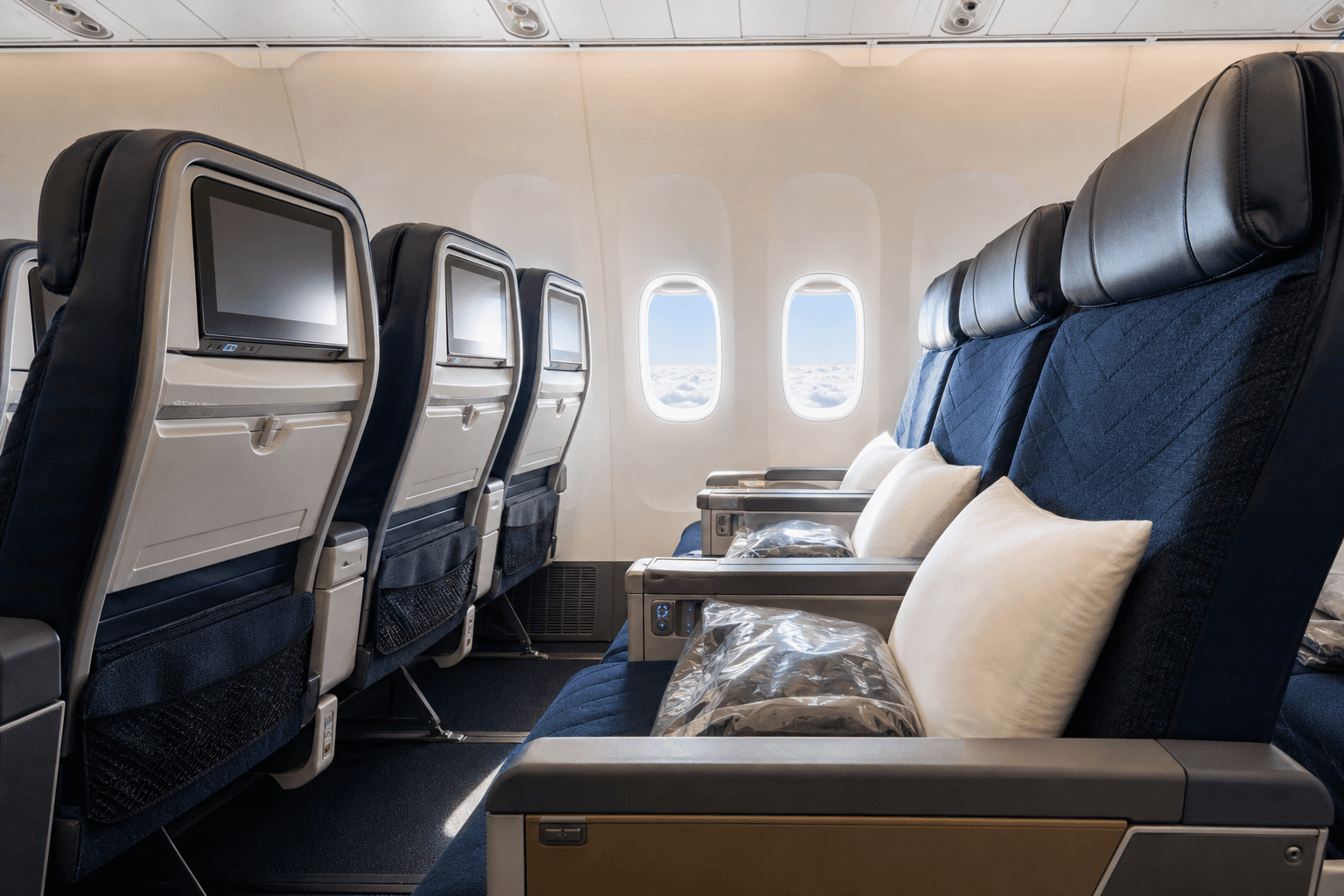
Airlines Worldwide Expand Premium Economy with New Seats and Routes in 2026
Around the world, premium economy is growing and more airlines are expected to increase their capacity in this class, although it can take years for an airline to fully transition to a new cabin type. Broadly speaking, premium economy is confined to widebody aircraft assigned to longer-haul routes, although there are exceptions like American Airlines' transcontinental A321XLRs and Emirates' widebodies that are used for short-haul routes.
United Airlines' Fuel Costs Surge $2.3 Billion in Q2 Amid Middle East Conflict
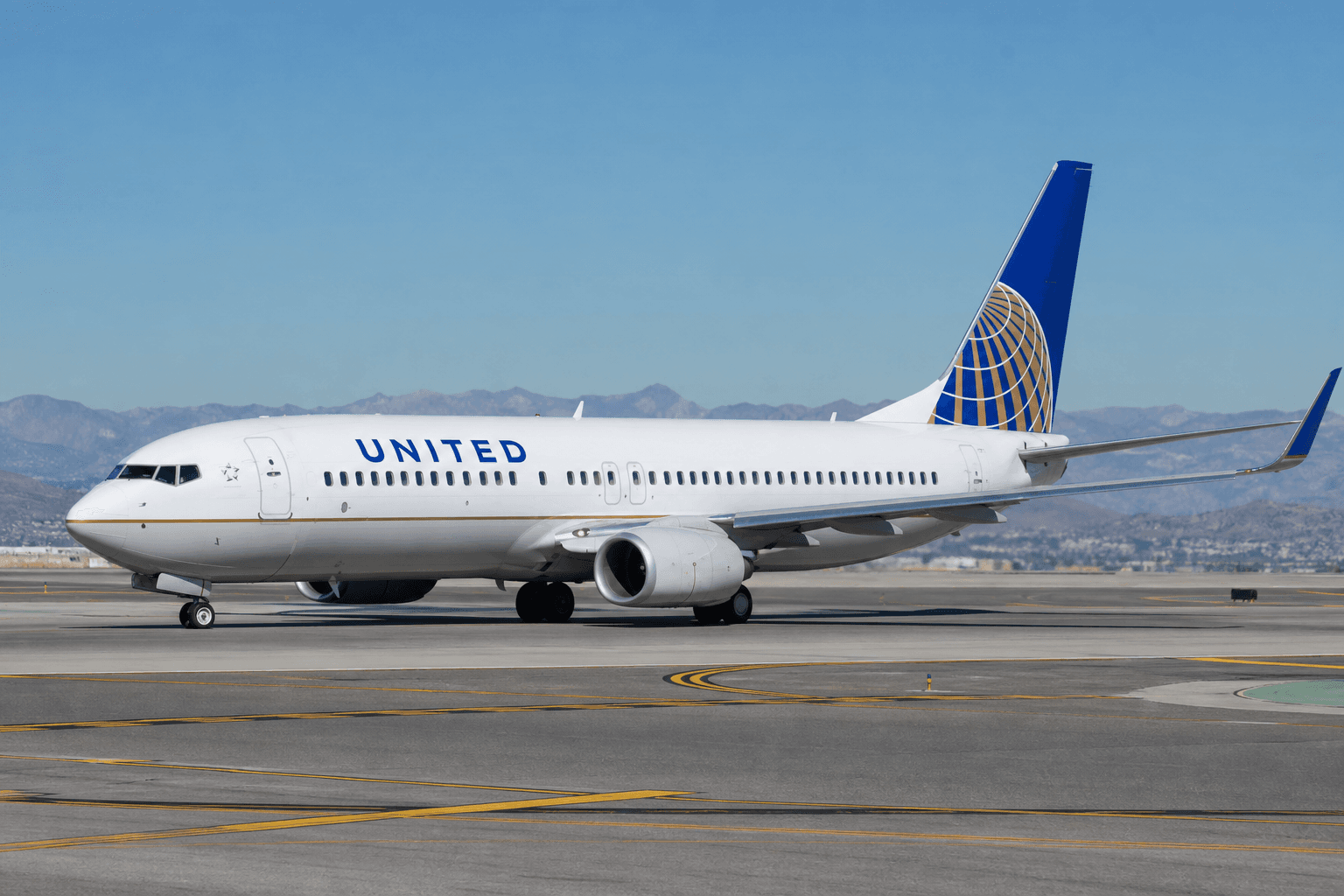
The surging price of oil has been a major unexpected economic shock to the global aviation industry. The impact has had varying severity on different carriers around the world. Now, United Airlines has revealed that it expects to spend an additional $6 billion this year , according to CBS News.
Aer Lingus cuts three US routes and trims fleet amid rising transatlantic rivalry
Ireland-based carrier was the only IAG airline not to improve its financial result in the first quarter. Aer Lingus will cut capacity by 6% later this year, discontinuing three US routes and reducing the use of two Airbus A330s and four A320s, as it faces increased transatlantic competition and a "challenging" macroeconomic environment. The Dublin-based IAG carrier says it has reduced senior management roles by a quarter and is planning 500 more job cuts across the company, as it seeks to save costs and achieve a 12-15% operating margin. Flights from Dublin to Denver, Minneapolis and Las Vegas will be discontinued in September, October and December, respectively. Aer Lingus points to "significantly increased transatlantic competitor capacity", which it says was up 45% in the winter 2025/26 season. It also cites "increasing seasonality" and elevated fuel costs, which it sees continuing into 2027. Aer Lingus was the only reporting airline within IAG that did not improve its financial result in the first three months of this year. The carrier's operating loss almost doubled in the first quarter to €103 million ($118 million). Alongside axing the three US routes, the airline will make its Seattle route a summer-only service. Flights to Frankfurt, Hamburg and Malta will also become seasonal, while its Dublin-Split service will end in September. Aer Lingus says there will be "a reduction in the use" of two A330s and four A320s for the peak summer 2027 season, following the network changes. It will consult with employees and unions about the proposed job cuts. "Our accelerated transformation aims to set Aer Lingus up for the future, to ensure the airline is a strong investment case and able to weather the turbulence in our industry," says Aer Lingus chief executive Lynne Embleton. "An efficient cost base, coupled with investment in our customer experience will enable Aer Lingus to fulfil its ambition to be the airline of choice connecting Europe with North America, support future growth and continue to provide connectivity and significant economic contribution to Ireland." As part of its plan to improve the passenger experience, Aer Lingus will retrofit 10 A330 cabins and introduce premium economy cabins in 2027. The carrier is also in the process of equipping its long-haul fleet with SpaceX's Starlink in-flight Wi-Fi service.
Delta Plans Daily Los Angeles-Manila Flights Starting March 2027 With Airbus A350
Delta hasn't announced that they'll be flying Los Angeles to Manila yet. But that's the plan, and the flight's schedule has even leaked now.
The Daily Touch & Go
The day's best aviation news in your inbox. Free, no spam.