
FAA Administrator Bryan Bedford Drives Rapid Modernization with Trump-Era Urgency
Since assuming leadership in mid-2025, FAA Administrator Bryan Bedford has pushed for accelerated progress on air traffic control modernization, drone policy, and innovation aligning with presidential priorities.
The gist
FAA Administrator Bryan Bedford champions swift, Trump-driven reforms to modernize air traffic control and foster aviation innovation.
Continuing coverage
All Donald Trump →Bryan Bedford became the Federal Aviation Administration's leader in July 2025, bringing a rare blend of practical aviation experience and executive insight from the commercial airline sector. With a career spanning senior roles at Republic Airways and Frontier Airlines, Bedford is also an instrument-rated pilot and aircraft owner, enabling him to approach FAA management with a unique, hands-on perspective. This operational background sets him apart from most agency heads and aligns with his management philosophy emphasizing proximity to frontline operations.
Bedford's leadership comes at a time when the White House, under President Donald Trump, has conveyed an unusually clear and ambitious agenda for the FAA. The president expects accelerated delivery on priorities such as overhauling the nation's air traffic control system, advancing drone regulation, unlocking commercial supersonic flight, and embracing broader technological innovation. Bedford has characterized the FAA's progress pace as moving at the speed of Trump, signaling a decisive shift towards urgency and tangible outcomes.
A key focus has been Flight Plan 2026, an FAA initiative designed to unify the agency's priorities from top executives to frontline staff. Unlike the traditional FAA approach of multi-year, sometimes decade-long roadmaps, Flight Plan 2026 emphasizes short-term goals and measurable achievements. Bedford has overseen a restructuring to flatten FAA's organizational layers, increasing accountability and responsiveness. This strategic shift fosters daily operational awareness and dynamic problem-solving, reflecting Bedford's desire to engage with issues beneath the surface rather than manage from afar.
From Bedford's private-sector vantage point, adjusting to governmental politics presented a learning curve. He acknowledges the FAA does not operate like a conventional business, functioning instead within a complex political apparatus. Nonetheless, Trump's directness on desired outcomes has provided the FAA with clear directives and federal resources aligned to priorities like electric vertical takeoff and landing (eVTOL) aircraft integration, supersonic flight certification, and space ventures. This clarity enables the agency to translate executive orders swiftly into rulemaking and operational change.
Among the administration's marquee initiatives is the complete modernization of the air traffic control (ATC) system. Bedford highlights dramatic improvements already realized, including the drastic reduction from nearly 5,000 overdue medical certificates to under 150 within six months. However, the FAA aims far beyond such milestones, targeting the deployment of a fully new ATC architecture by the end of 2028—a hard deadline set by the president. This timeline compresses what has traditionally been a multi-decade technology evolution into a three-year deployment window with concrete milestones.
Bedford clarifies that the initial modernization phase will focus on replacing physical infrastructure like radars and communication systems with advanced digital equivalents. Yet, to truly manage 21st-century air traffic complexity, the FAA is undertaking a second phase that involves developing cloud-native data architectures capable of supporting advanced automation, artificial intelligence (AI), and machine learning. This digital transformation promises real-time four-dimensional trajectory planning and strategic conflict resolution before aircraft even depart, aiming to improve safety and efficiency significantly.
To develop these cutting-edge capabilities, Bedford reveals that the FAA is fostering internal competition among three innovation labs charged with pioneering transformative AI applications. The envisioned systems would generate strategically deconflicted flight trajectories integrating time and space dimensions, a major leap from today's largely manual flight plan acceptance. This approach anticipates the tremendous scaling challenges foreseen with next-generation airspace usage, particularly as unmanned aircraft systems and urban air mobility grow more prevalent.
Bedford's administration also views modernization through a lens of practical stakeholder benefit, particularly for general aviation (GA), which comprises a significant user base. Streamlining medical certifications, addressing landing fee disputes, and moving toward regulatory frameworks like MOSAIC reflect efforts to widen access and reduce barriers. As these policies take shape, the FAA under Bedford remains focused on delivering concrete results within compressed timelines, consistent with a broader governmental push to accelerate aviation sector innovation and safety.
The FAA’s trajectory under Administrator Bedford thus marks a clear departure from previous eras of protracted regulatory and technological change. By emphasizing rapid execution on presidential mandates and operational clarity, the agency aims to field a new air traffic control system and related technological advances within a compressed timeframe. The consequences of this overhaul will define American aviation infrastructure and safety in the decades to come, with Bedford’s background and approach underscoring an unprecedented fusion of aviation expertise and governmental agility.
Frequently asked questions
- What experience does Bryan Bedford bring to his role as FAA Administrator?
- Bryan Bedford has a long commercial aviation career including senior roles at Republic Airways and Frontier Airlines, is an instrument-rated pilot, and owns an aircraft, giving him direct cockpit and airline executive experience.
- What is the FAA's Flight Plan 2026 initiative?
- Flight Plan 2026 is the FAA's focused strategy to align the agency's leadership and frontline employees around short-term, measurable priorities, contrasting prior long-term planning approaches.
- What are the key goals for the FAA's air traffic control modernization?
- The FAA aims to deploy a brand-new air traffic control system by 2028 featuring upgraded digital infrastructure and advanced cloud-native automation using AI and machine learning for improved flight trajectory management.
Read more
All Aviation Safety →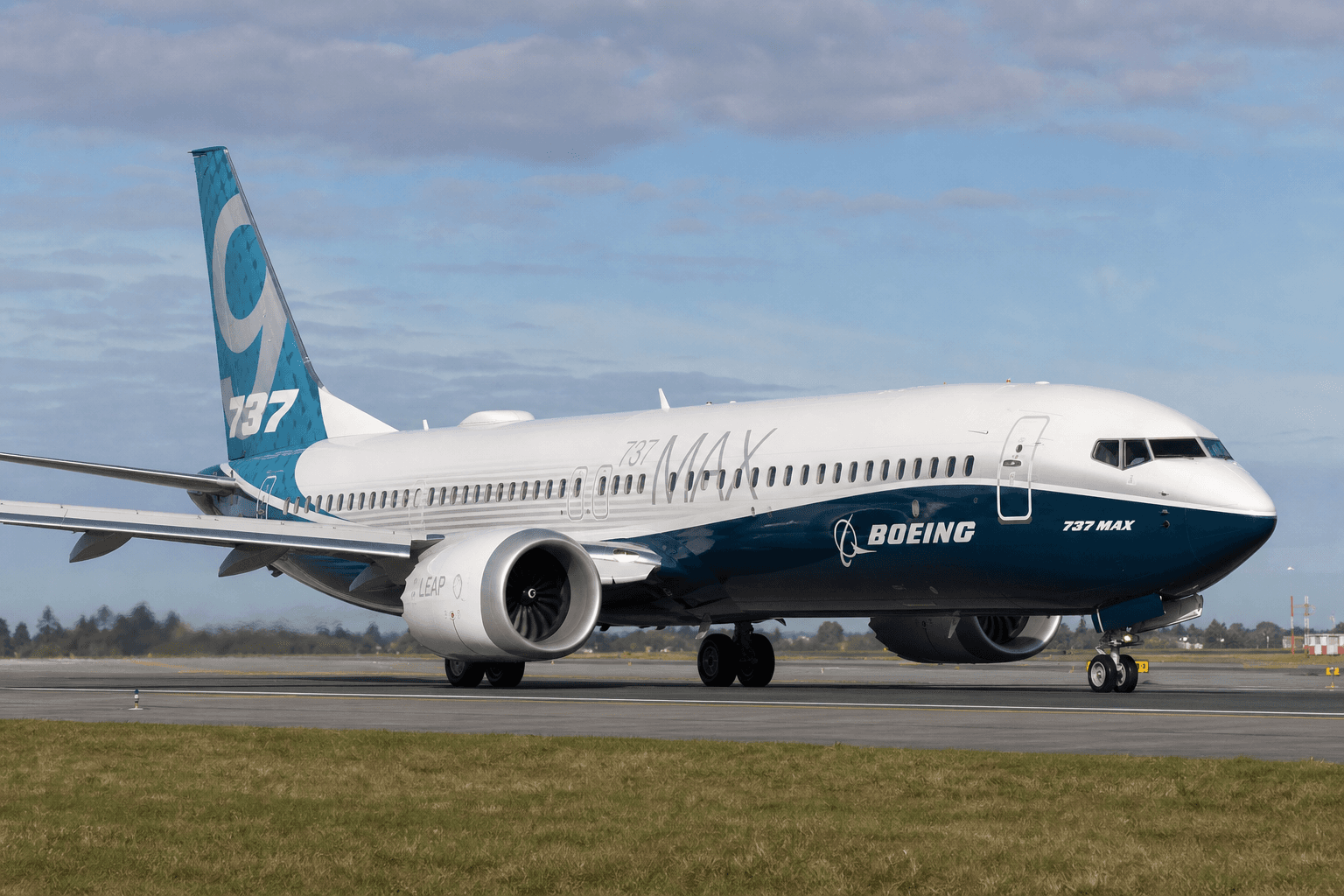
FAA Restores Boeing's Authority to Self-Certify 737 MAX and 787 Aircraft
The Federal Aviation Administration (FAA) is once again letting Boeing consistently issue airworthiness certificates for new 737 MAXs and 787s, years after that was yanked due to production quality issues. This is good news from an efficiency standpoint, but can Boeing be trusted? FAA allows Boeing to issue airworthiness certificates again Effective immediately, the FAA is once again allowing Boeing to issue its own airworthiness certificates for new 737 MAX and 787 aircraft. This is a major development for Boeing, as the aerospace giant had these privileges yanked in 2019 for the 737 MAX, and in 2022 for the 787. For some background, Boeing has of course been under incredible regulatory scrutiny in recent years, and for good reason. First there were the two fatal 737 MAX crashes in 2018 and 2019 (Lion Air and Ethiopian Airlines), and then we've seen all kinds of additional quality control issues with both the 737 MAX and 787. As part of the increased oversight, Boeing's ability to self-certify the airworthiness of new aircraft was taken away. In other words, Boeing couldn't just say that its planes were safe, but it had to actually prove it to regulators, before they'd sign off on that. The concept of self-certifying planes is possible through the FAA's Organization Designation Authorization (ODA) program, which allows authorized organizations to perform certification functions on behalf of the FAA, such as issuing airworthiness and production certifications for aircraft. So the FAA is now once again delegating this to Boeing, so Boeing can decide if an aircraft is safe to operate. Getting to this point has been a process. As of late September 2025, the FAA started to allow Boeing to issue its own airworthiness certificates, but only on alternating weeks. The idea was then to see if there was any difference in production quality for the planes certified directly by Boeing, rather than by the FAA. The FAA claimed that there was no difference in quality. Boeing can again issue its own airworthiness certificates The FAA claims that it's confident in Boeing's quality The FAA claims that safety drives everything that the organization does, and the FAA is only allowing this step because it's confident that it can be done safely. This decision follows a thorough review of Boeing's ongoing production quality, and will reportedly allow FAA inspectors to focus additional surveillance on the production process. For example, there will be more FAA inspectors observing critical assembly stages, examining trends, ensuring Boeing mechanics are performing work to approved type design and engineering requirements, and assessing all activities for Boeing's continuous improvement of its Safety Management System (SMS). Inspectors will also observe Boeing's safety culture, ensuring that Boeing employees can report safety issues without fear of retribution. Here's what FAA Administrator Bryan Bedford had to say about this development: "Safety drives everything we do, and this step forward is only possible because we are confident it can be done safely. Our inspectors will continue rigorous oversight of Boeing's production while focusing more of their time where it has the greatest impact—identifying and addressing potential risks earlier in the manufacturing process." I'm sure people will have conflicting takes on this, with many thinking it reflects the current administration's anti-regulation attitude. I don't have a terribly strong take on this, though this is definitely positive news in terms of Boeing being able to deliver planes more efficiently, which has been a massive issue for the company in recent years. Can Boeing be trusted to self-certify planes in this way, given its track record? I mean, I don't think any for-profit, publicly traded company can be "trusted." However, I do believe that the top executives at Boeing now finally have the mandate to focus on quality and long term sustainability over short term profits, so in that sense, I do think progress has been made. Hopefully this represents Boeing turning a corner in a positive way, though only time will tell. Let's hope this all works out well for air travelers Bottom line Boeing has regained the ability to consistently issue airworthiness certificates for new planes. These are privileges that were taken away in 2019 for the 737 MAX, and in 2022 for the 787. As of late 2025, we saw Boeing regain the ability to issue airworthiness certificates on alternating weeks, and now it can do so consistently. The FAA claims that it's confident in Boeing's quality improvements, and that resources would better be put into oversight of Boeing in other areas. We'll see how this plays out, but it should be good news in terms of the pace at which planes are delivered. What do you make of Boeing regaining the ability to self-certify its aircraft?
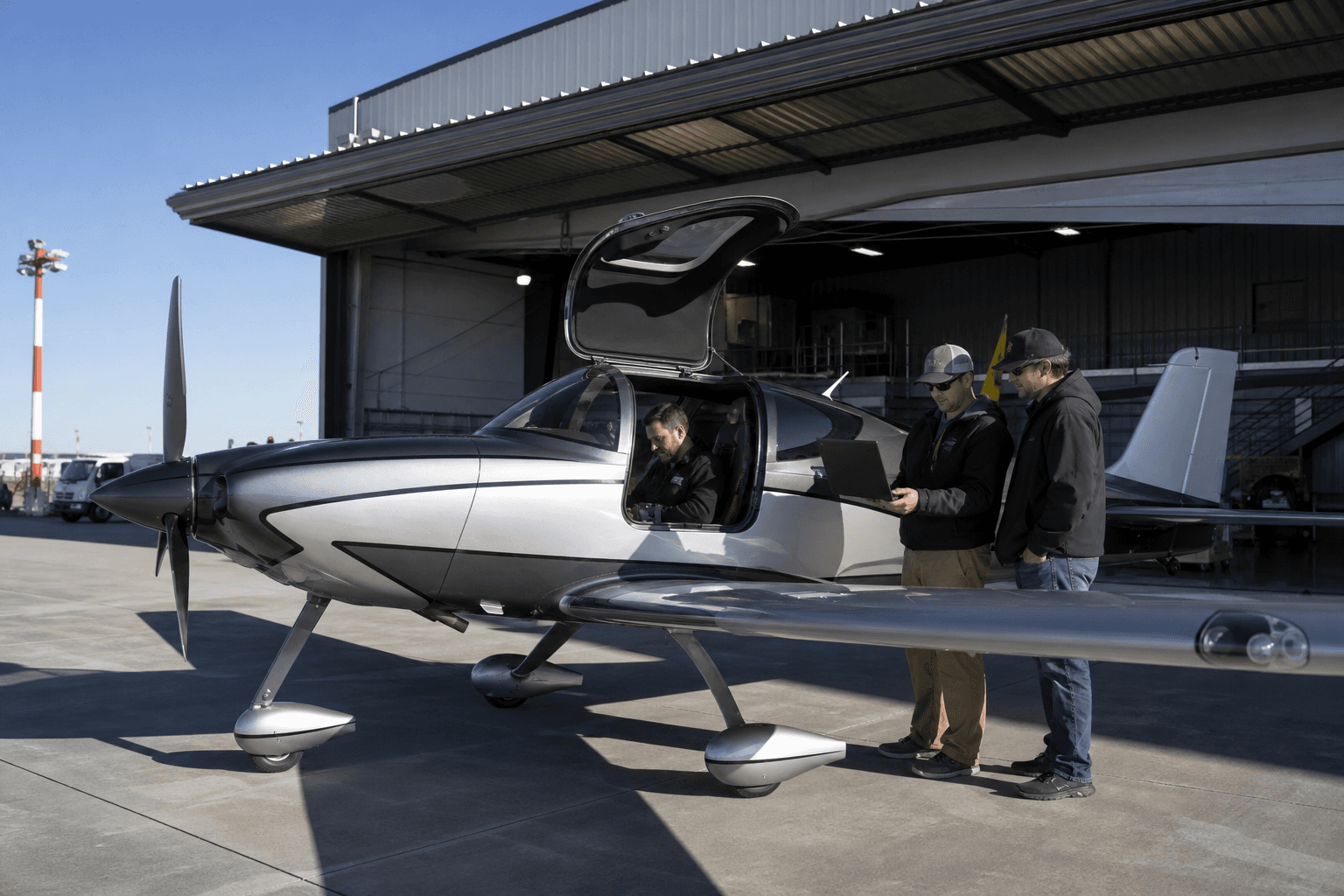
FAA Approves Certification Standards for Next-Gen Light-Sport Aircraft Under MOSAIC
The Federal Aviation Administration (FAA) has accepted a new set of industry standards that will allow manufacturers to begin certifying larger and more capable light-sport aircraft under the agency's MOSAIC rules. The decision gives aircraft makers an FAA-approved way to show that new airplanes, gliders, powered-lift aircraft and gyroplanes meet the design and production requirements that take effect on July 24, 2026. Without those standards, manufacturers had the new regulations but lacked the detailed compliance framework needed to certify aircraft under them. The FAA accepted four ASTM International integration standards as a means of compliance with the new Part 22 airworthiness rules, which took effect on July 16. ASTM's F37 committee organized each integration standard around a package of more detailed requirements covering areas such as aircraft structures, flight characteristics, landing gear, engines, propellers, fuel and electrical systems, installed equipment and occupant protection. The packages also include requirements for production testing, quality assurance, maintenance programs and continued operational safety. Some aircraft may need to meet additional standards for night flight, instrument operations, water operations or certain aerial-work missions. The move removes one of the final obstacles to the aircraft-certification portion of MOSAIC, short for Modernization of Special Airworthiness Certification. The FAA finalized the rule in July 2025. Changes affecting sport pilots and light-sport repairmen took effect in October 2025. MOSAIC replaces several rigid limits from the original light-sport rules with performance-based requirements. The rule opens the category to aircraft with as many as four seats and allows designs with retractable landing gear, constant-speed propellers and a wider range of propulsion systems. The FAA also removed the 1,320-pound maximum takeoff weight for landplanes. Aircraft must instead meet limits based largely on stall speed, maximum level-flight speed and other performance characteristics. The change gives manufacturers room to develop light-sport aircraft with greater payload, range and utility than most aircraft built under the original rules. The FAA's acceptance does not approve any individual aircraft. Each manufacturer must still design and test its aircraft, follow the applicable standards, maintain a production-quality system and submit a statement of compliance before the FAA issues an airworthiness certificate. The agency also accepted only the specific versions of the standards listed in its notice. ASTM revisions will require separate FAA acceptance before manufacturers can use them as an approved means of compliance. The notice does not cover every aircraft category that MOSAIC could eventually accommodate. The FAA, for instance, has not yet accepted an integration standard for light-sport helicopters. ASTM continues to develop that standard through its F37 committee. ASTM F3840-26 includes provisions for multicopters, but the FAA accepted it only for powered-lift aircraft. The agency also said it has not accepted a standard that would allow manufacturers to classify aircraft in the four covered categories as having simplified flight controls. The new standards will apply to light-sport category aircraft certificated on or after July 24 and to eligible experimental light-sport kits whose manufacturers sign their compliance statements after that date. Previously accepted standards will continue to govern repairs and alterations to aircraft certificated under the old light-sport system. They will also continue to apply to certain kit-built aircraft supported by compliance statements signed before the July 24 date. The change does not automatically increase the approved weight or operating limits of aircraft already in service. Existing aircraft will continue to operate under the certification basis and limitations that manufacturers used when they produced them.
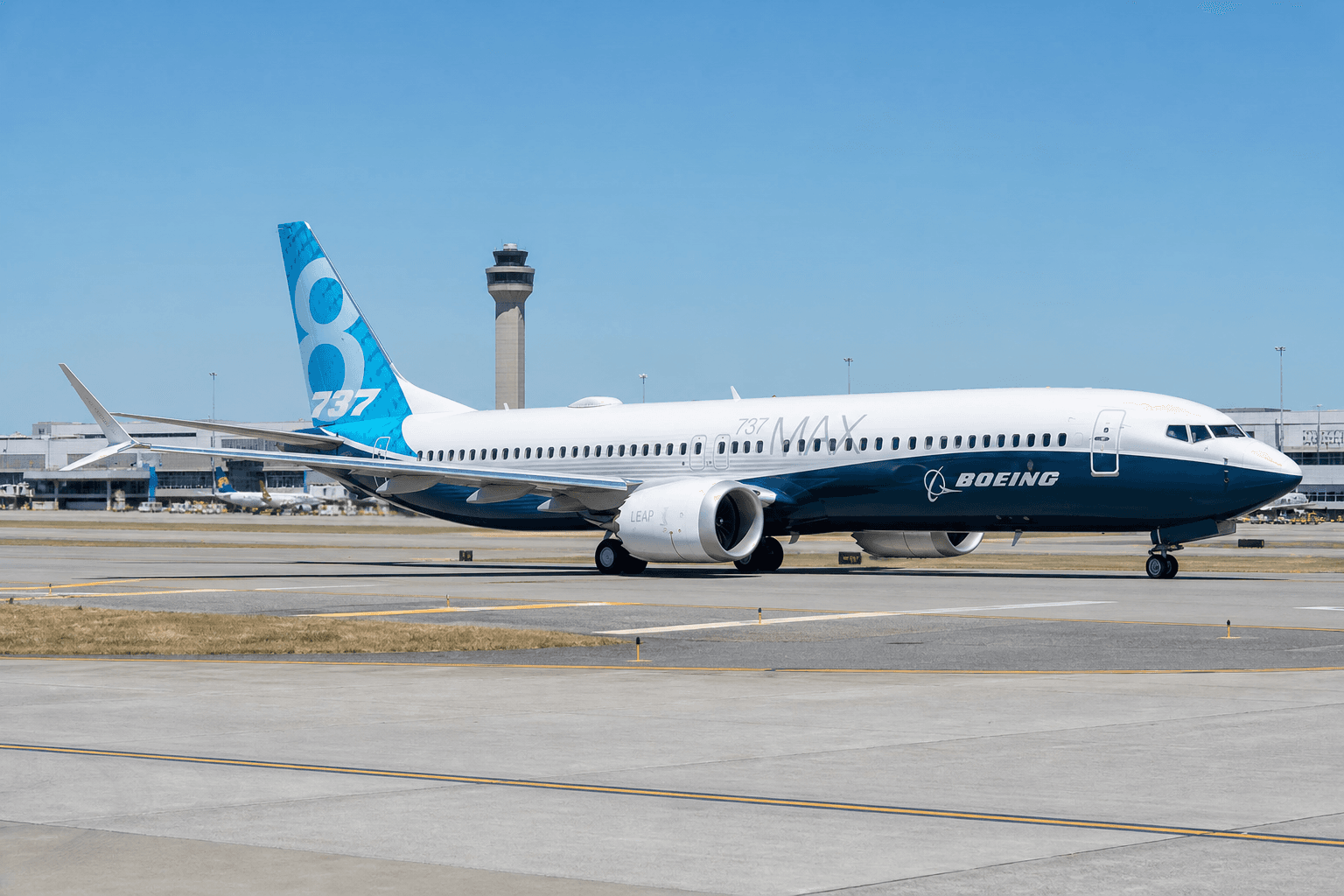
FAA Restores Boeing's Authority to Self-Issue Airworthiness Certificates for 737MAX and 787
The Federal Aviation Administration (FAA) will once again let Boeing mark its own homework after it told the Chicago-headquartered aircraft manufacturer that it is free to issue its own airworthiness certificates for all newly manufactured 737MAX jets and 787 Dreamliners. Boeing has been banned from issuing airworthiness certificates for newly built planes following two fatal crashes of Boeing 737MAX jets. The first belonging to Lion Air, which crashed in October 2018, killing all 189 passengers and crew on board, and the second belonging to Ethiopian Airlines, which crashed in February 2019, with the loss of all 157 passengers and crew. In the aftermath of these crashes, the FAA initially grounded all Boeing 737MAX jets around the world, but even after the planes were allowed to return to the skies some 20 months later, the FAA didn’t reinstate Boeing’s authorization to issue airworthiness certificates for newly built 737MAX jets. Then, in 2022, the FAA also pulled Boeing’s authorization to issue certificates for 787 Dreamliners after serious production quality control issues were made public by insider whistleblowers. But after months of “thorough data and safety review” by FAA inspectors, the agency has decided to reinstate Boeing’s authority to issue its own airworthiness certificates for all new aircraft. The decision comes around 10 months after Boeing was given permission to issue its own airworthiness certificates for specific 737MAX and 787 Dreamliner models. Boeing will be allowed to issue airworthiness certificates under the FAA’s Organization Designation Authorization program, which essentially delegates responsibility for issuing these certificates from federal inspectors to trusted companies. Until now, Boeing wasn’t considered worthy of having ODA authority. "Safety drives everything we do, and this step forward is only possible because we are confident it can be done safely," commented FAA Administrator Bryan Bedford on Friday. "Our inspectors will continue rigorous oversight of Boeing's production while focusing more of their time where it has the greatest impact—identifying and addressing potential risks earlier in the manufacturing process."
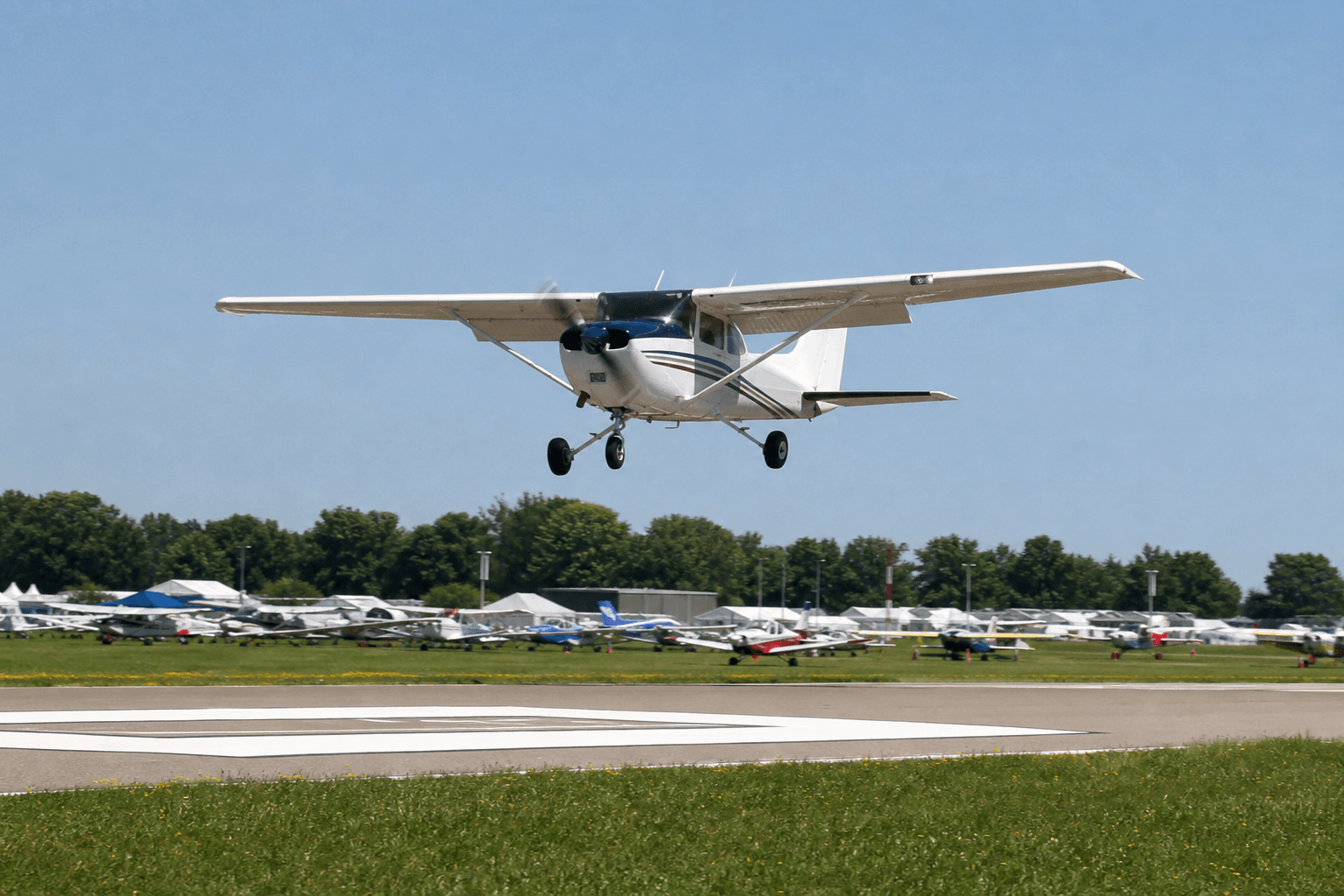
FAA Activates 2026 Oshkosh Flight Procedures for EAA AirVenture Operations
The FAA's special flight procedures for EAA AirVenture Oshkosh 2026 are now in effect. The 32-page notice applies through noon CDT July 27 and covers operations at Wittman Regional Airport and several surrounding airports. Take a look, below. 2026 OSH NOTICE FINAL2_Reviewed Download A few points below serve only as a quick, high level refresher and are by no means comprehensive, nor are they an official guide. It should go without saying that anyone flying the Oshkosh flight procedures should read and rely on the complete FAA notice , carry it in the aircraft and check current NOTAMs, TFRs and ATIS information. Arrival Basics Most VFR traffic will use the Fisk arrival, beginning at a transition point assigned by ATC. Traffic will then proceed toward Ripon and follow the railroad tracks to Fisk. Pilots should obtain the Arrival ATIS on 125.9 no later than 60 miles from Oshkosh. They should then monitor Fisk Approach on 120.7. The standard arrival profile is 90 knots at 1,800 feet MSL, while faster aircraft may use 135 knots at 2,300 feet when needed for safety. Aircraft should remain at least one-half mile behind similar traffic and avoid overtaking, side-by-side flight or S-turns. At Fisk, controllers assign the runway, route to the airport and tower frequency. Pilots may be asked to fly a short approach or land on a designated runway dot, and the notice repeatedly reminds crews to maintain a safe airspeed and go around when an approach does not look right. Closures And Planning Wittman Regional is closed to arrivals each night from 8 p.m. until 7 a.m. and to departures from 8 p.m. until 6 a.m. The airport also closes during airshows, TFRs and certain special activities. Nonscheduled IFR arrivals and some IFR departures require reservations during designated periods, while separate procedures apply to turbine and warbird aircraft, seaplanes, helicopters, ultralights, rotorcraft and approved no-radio vintage aircraft. Fond du Lac, Appleton and Green Bay are among the recommended alternates when Oshkosh closes, parking fills or the arrival becomes unavailable. Pilots should arrive with enough fuel for holding, a possible go-around and a diversion. The full FAA Oshkosh flight procedures notice remains the controlling reference for the applicable routes, frequencies, altitudes and contingencies. Have fun, and fly safe!
The Daily Touch & Go
The day's best aviation news in your inbox. Free, no spam.