

Illustration: The Touch & Go
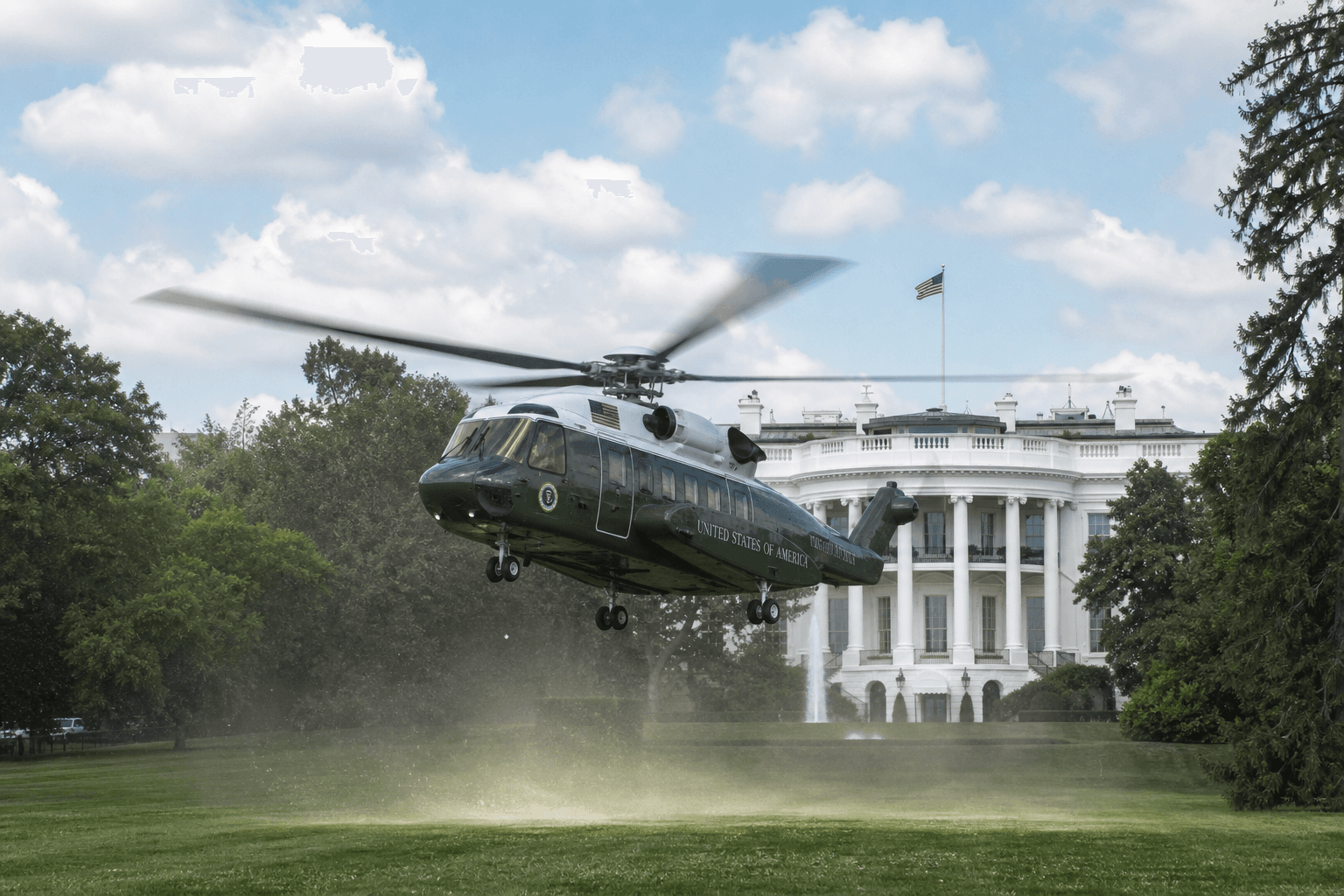
White House to Add Helipad to Protect South Lawn from VH-92A Heat Damage
The White House plans to build a dedicated helipad to reduce the Sikorsky VH-92A helicopter's heat damage on the South Lawn during arrivals and departures.
The gist
The White House will add a helipad to prevent VH-92A helicopters from scorching the South Lawn during operations.
The White House is undertaking a new construction project to build a dedicated helipad on its grounds, aiming to prevent the heat damage caused by the Sikorsky VH-92A helicopter currently used for presidential transport. This initiative addresses the issue of the powerful helicopter exhaust charring the grass and landscape of the South Lawn after every arrival and departure of the President’s aircraft.
The VH-92A, the latest variant in the presidential helicopter fleet, has a higher engine output that generates significant downwash and heat beneath the aircraft when it hovers or takes off, leading to visible burn marks on the lawn. The helipad construction will include durable materials and materials capable of withstanding the extreme heat and rotorwash, ensuring the White House grounds are protected during helicopter operations.
This project reflects a broader effort to maintain the aesthetic and functional integrity of the White House grounds amid increasing operational demands. The South Lawn has long served as the landing zone for presidential helicopters, but evolving aircraft specifications require infrastructure upgrades to accommodate them safely and sustainably.
By investing in this dedicated helipad, the executive branch aims to reduce ongoing landscape damage and improve operational safety for the VH-92A. The enhancements should also provide a more reliable and secure landing area for the helicopter, streamlining the President’s transportation logistics on-site.
The new helipad is expected to be completed in the coming months, marking a significant infrastructure update that aligns with the modernization of the Presidential Airlift Group’s fleet. Observers anticipate that this will set a precedent for other government facilities using large rotary-wing aircraft, balancing historic preservation with modern aviation needs.
Going forward, this project may influence future design considerations for presidential and governmental aviation facilities nationwide. Ensuring that aircraft operations do not degrade historic properties while meeting security and logistical demands is an ongoing challenge this helipad aims to address.
Read more
All Airlines →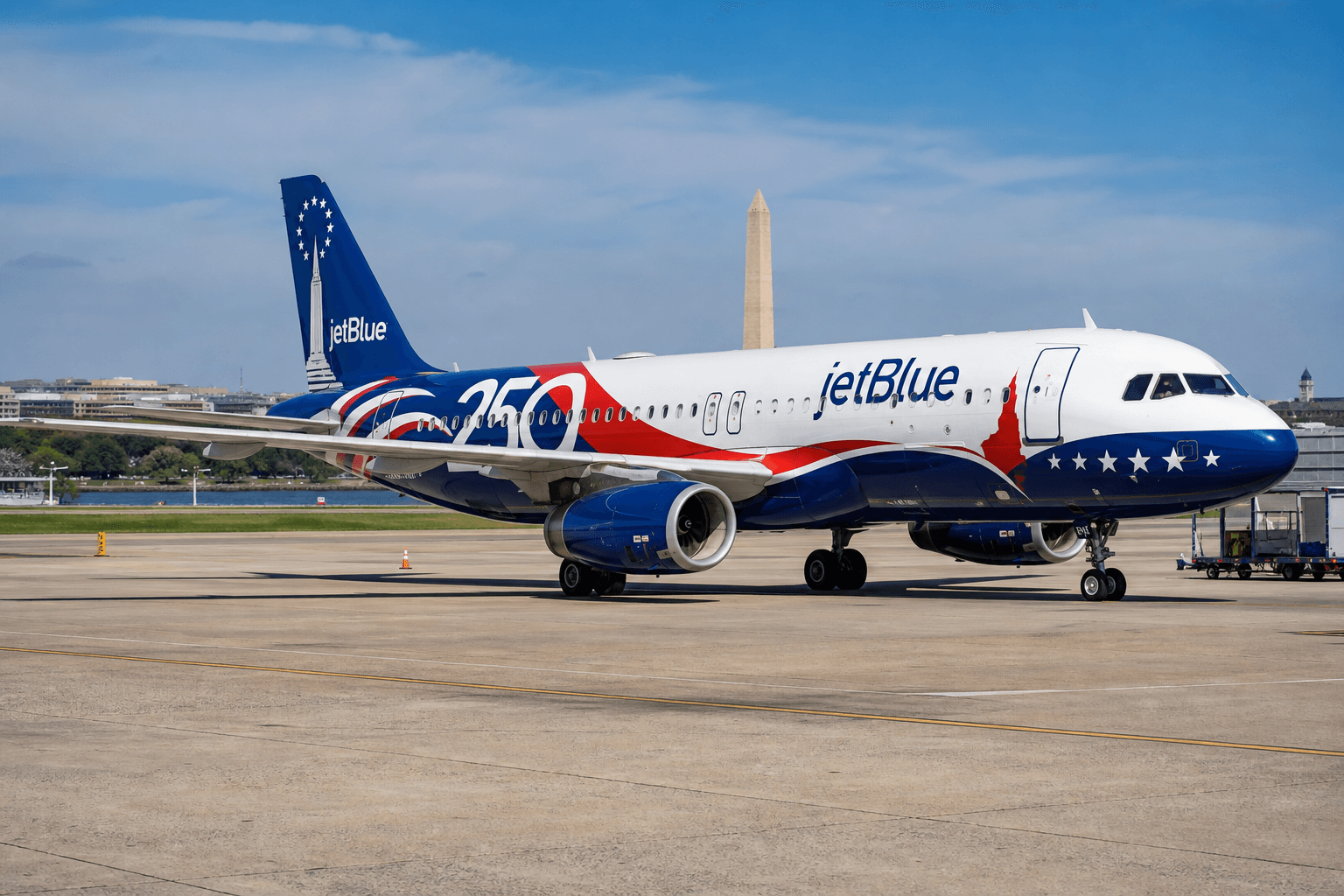
JetBlue Unveils Special 250th Anniversary Livery on Airbus A320 at DCA
JetBlue Airways on July 1, 2026 announced that its “Vets in Blue” Airbus A320-232 N775JB now features a commemorative “250” design honoring the 250th anniversary of the United States of America. The aircraft was showcased on Tuesday at Ronald Reagan Washington National Airport (DCA), where U.S. Transportation Secretary Sean Duffy joined JetBlue CEO Joanna Geraghty […]
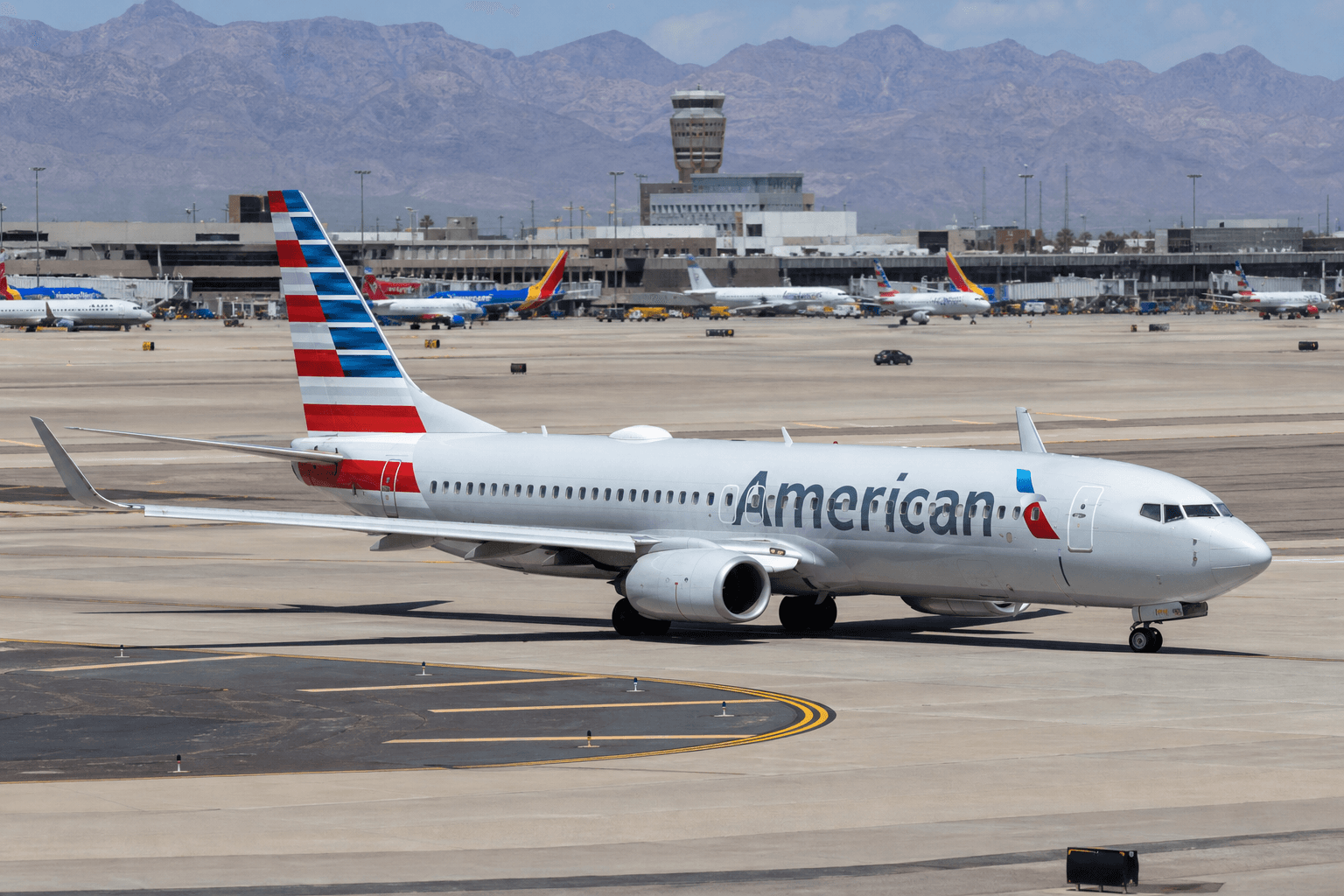
American Airlines Faces Criticism from Lawmaker After Flight Delays Disrupt Congressional Voting
After a lawmaker called American Airlines "incompetent," a closer look reveals the pressures behind one of aviation's biggest networks this summer.
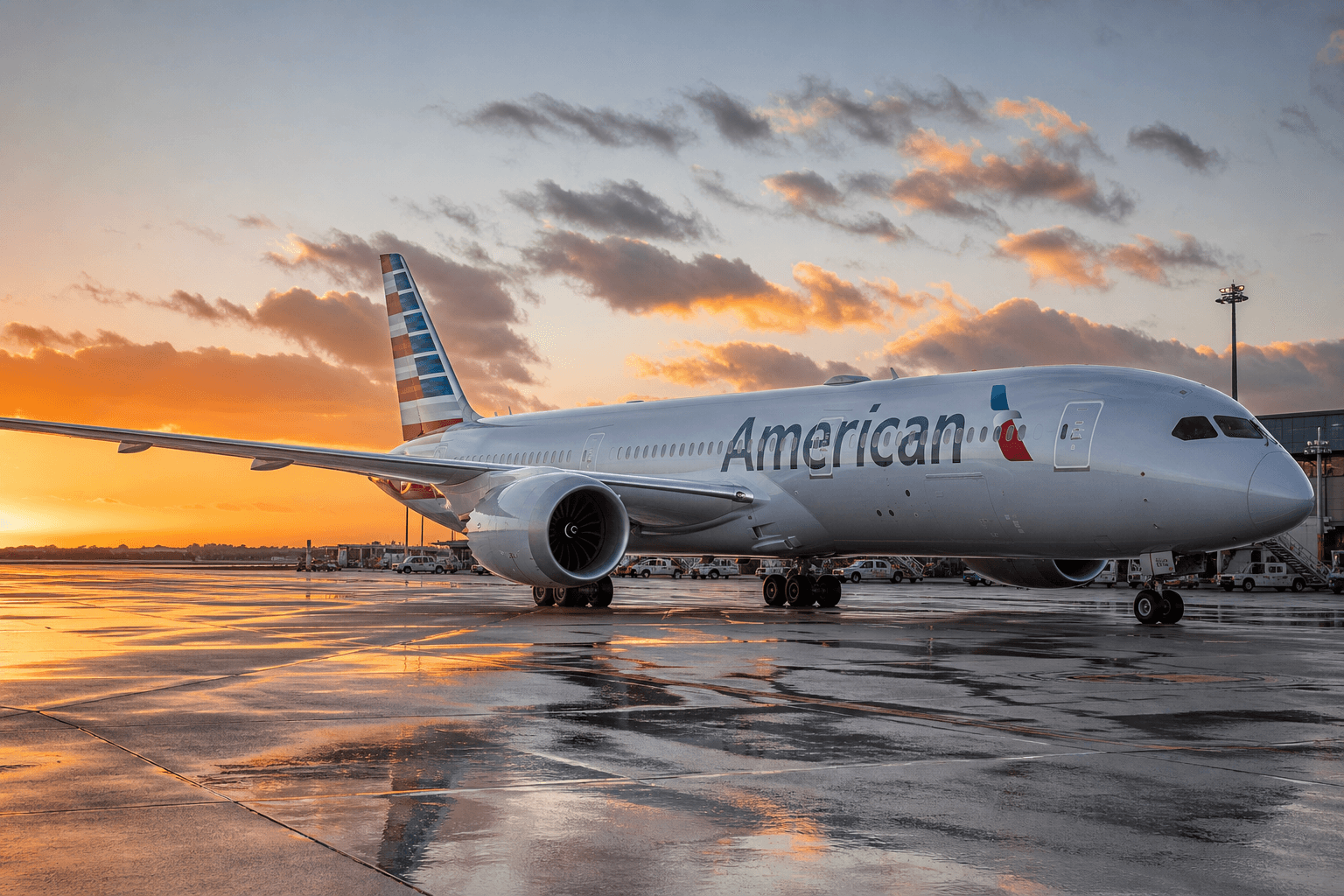
American Airlines launches 51-suite Boeing 787-9P for ultra-long-haul premium service
Can profitability really come from slashing economy seats? American Airlines' 787-9P shows exactly how pushing premium can make excellent revenue.
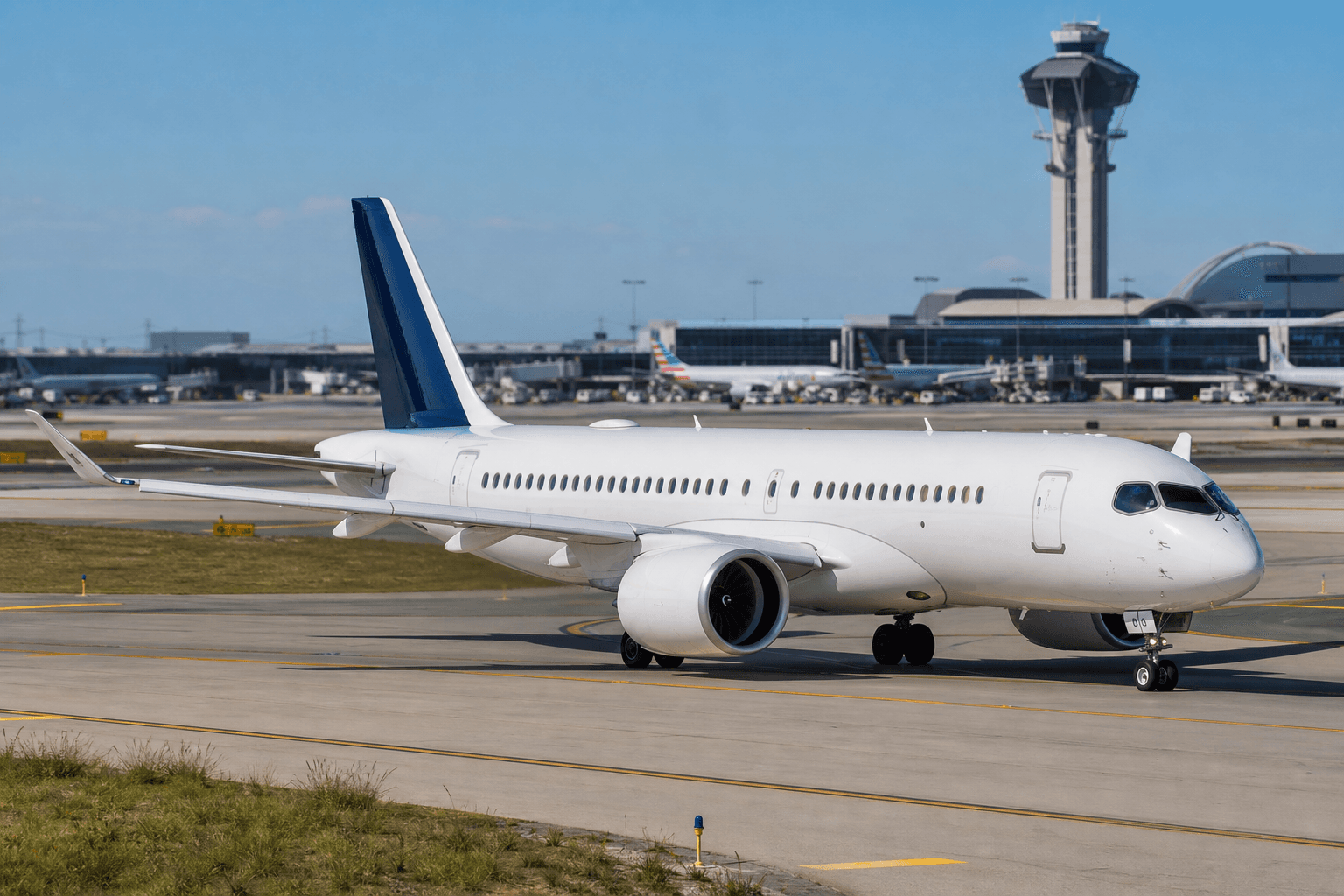
Airbus phases out A319neo from single-aisle lineup as A220 gain grows
Smallest member of re-engined A320 family has proved significantly less popular than its larger siblings. Airbus has quietly ceased offering the A319neo to airline customers following continued underwhelming sales of the smallest remaining member of its original narrowbody family. Although Airbus tells FlightGlobal it will still build the A319neo if asked – and it remains…
The Daily Touch & Go
The day's best aviation news in your inbox. Free, no spam.