

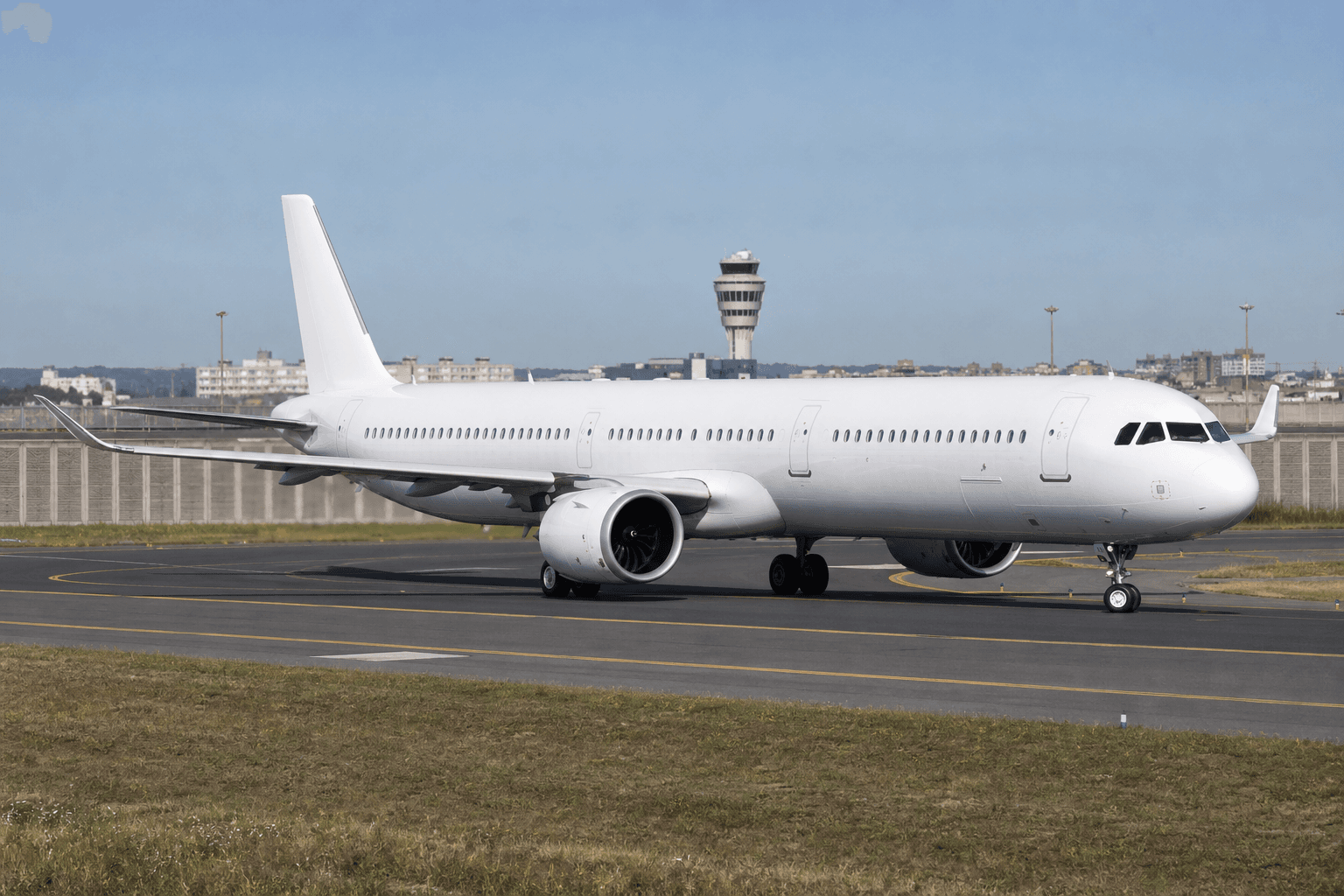
Illustration: The Touch & Go
BOC Aviation to Lease Eight Airbus A321neos to STARLUX Airlines Starting 2028
BOC Aviation has finalized a lease deal with Taiwan's STARLUX Airlines for eight A321neo jets, set for delivery beginning in 2028 to aid the carrier's regional expansion.
The gist
BOC Aviation will supply STARLUX Airlines with eight fuel-efficient A321neos from 2028 to boost its regional fleet.
Continuing coverage
All Airbus A321neo →- Fire Breaks Out in British Airways Luggage Container at Milan Malpensa, Lithium Battery Suspected
- Delta Introduces First Airbus A321neo VIP Jet for NBA Charter, Replacing Boeing 757s
- Qantas to Sell Entire Stake in Jetstar Japan by Mid-2027 for $52 Million
- JetBlue's Mint Studio Emerges As Premier Transcon Business Class Amidst Competitive Pricing
- ITA Airways pioneers virtual-reality and robotic arm training for A220 and A321neo doors
BOC Aviation announced a landmark lease agreement with STARLUX Airlines to provide eight Airbus A321neo aircraft, with deliveries commencing in 2028. These jets are equipped with the advanced CFM LEAP-1A engines, known for their fuel efficiency and performance improvements. The deal highlights the lessor’s commitment to supporting STARLUX as it expands its footprint in the regional market. Each A321neo aircraft involved holds an estimated market value of roughly $81.25 million, underscoring the significant investment into the airline’s growth.
STARLUX Airlines, which has quickly established itself as Taiwan’s newest international airline, currently operates a modern, all-Airbus fleet. This fleet consists of 13 A321neos, six A330neos, nine A350-900s, and one A350-1000. Additionally, six more A321neos are awaiting delivery, and the airline has placed an order for 17 additional A350-1000 aircraft. The inclusion of these eight leased A321neos from BOC Aviation will further enhance their narrowbody operations, especially within Asia’s competitive regional routes.
Paul Kent, Chief Commercial Officer of BOC Aviation, emphasized the significance of this transaction, praising the A321neo’s technological advancement and efficiency. He noted that the aircraft are among the most fuel-efficient models currently in production and emphasized their versatility for STARLUX’s regional network. This selection aligns with the airline’s strategic direction of fleet modernization and sustainable growth, enabling improved economics and passenger experience on medium-haul routes.
STARLUX’s fleet development also includes a striking visual identity with two upcoming A350-1000s that feature a liquid metal livery designed by renowned Japanese artist Hajime Sorayama. One jet will display a gold-themed finish and the other silver, adding a distinctive artistic statement to the airline’s widebody presence. These aircraft are expected to join the fleet in the third quarter of 2026, reinforcing STARLUX’s image as a premium carrier infused with cultural aesthetics.
The airline's founder and chairman, Chang Kuo-Wei, has been personally involved in fleet expansion milestones. He piloted the delivery flight of STARLUX’s first A350-1000 from Toulouse Blagnac Airport to Taiwan on January 6, 2026, marking a landmark event after a lengthy 13-hour journey. This hands-on approach reflects the airline’s dedication to tightly managing its rapid fleet growth and emphasizing high standards for operations and customer service.
This lease agreement with BOC Aviation follows earlier cooperation between the two companies, including BOC Aviation’s recent sale and leaseback transactions involving three A350-1000 aircraft with Qatar Airways. Those widebodies, equipped with Rolls-Royce Trent XWB-97 engines, had already been delivered, showcasing BOC Aviation’s role in supplying long-term, versatile leases of next-generation aircraft to major airlines worldwide.
STARLUX’s decision to lease rather than purchase the eight A321neos affords the airline operational flexibility, preserves capital expenditure, and allows for faster fleet adjustments in response to market demand. The use of newer, fuel-efficient technology also supports global environmental trends in aviation, helping reduce carbon emissions per available seat kilometer—a priority for many carriers, including STARLUX.
From a strategic perspective, the addition of eight leased A321neos will significantly expand STARLUX’s ability to serve regional destinations with a right-sized aircraft tailored for point-to-point connectivity. Given Taiwan’s position as a key hub in East Asia, these jets will serve burgeoning intra-Asia traffic markets, further positioning STARLUX as a competitive player within the region’s dynamic aviation landscape.
This substantial commitment by STARLUX to enlarge its fleet with BOC Aviation’s support not only exemplifies a growing partnership but also indicates the airline’s confidence in Airbus’s product lineup. The ongoing modernization and expansion give STARLUX the capability to compete aggressively with regional rivals while meeting the evolving expectations of passengers for comfort and sustainability.
Read more
All Airlines →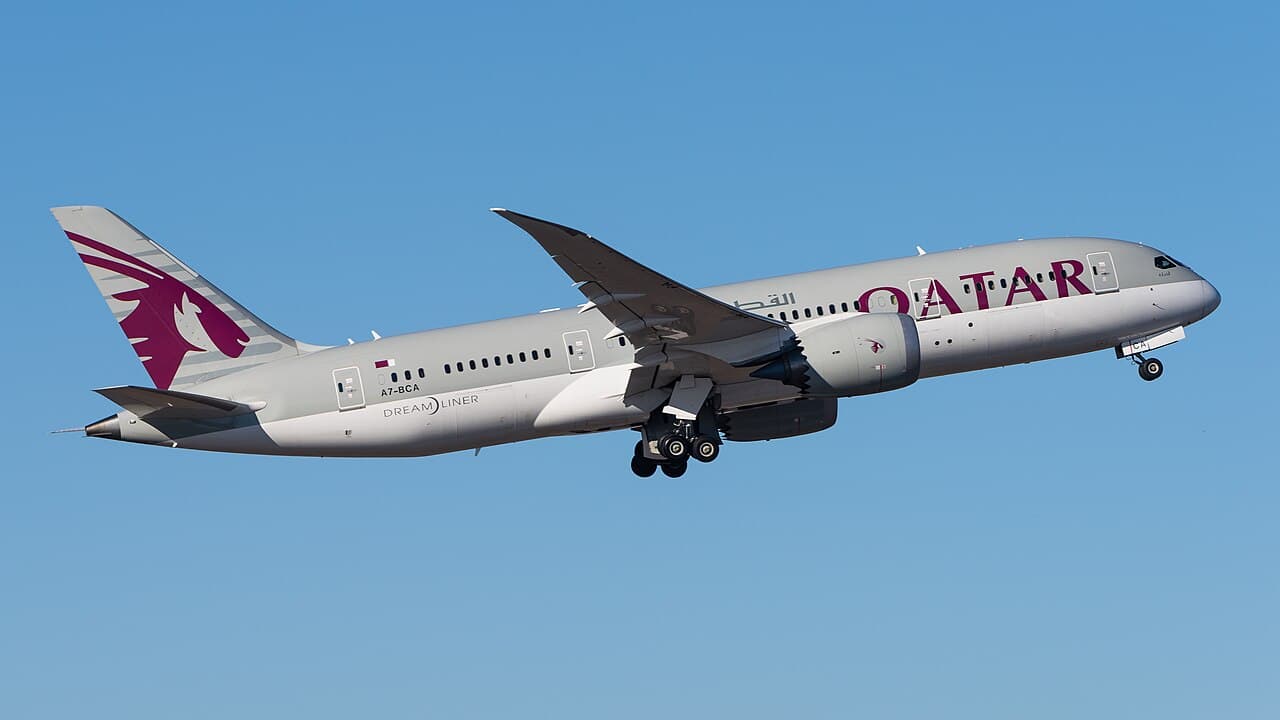
American Airlines Launches Six New Transatlantic Routes from US Hubs to Europe
American Airlines has added six new or returning nonstop transatlantic routes to its network in 2026, linking three major US hubs with European destinations. The routes connect some major US hubs with Scotland, Italy, Greece, Hungary and the Czech Republic. Launched between March and May, the services form part of American's largest summer schedule yet and strengthen its position across the Atlantic.
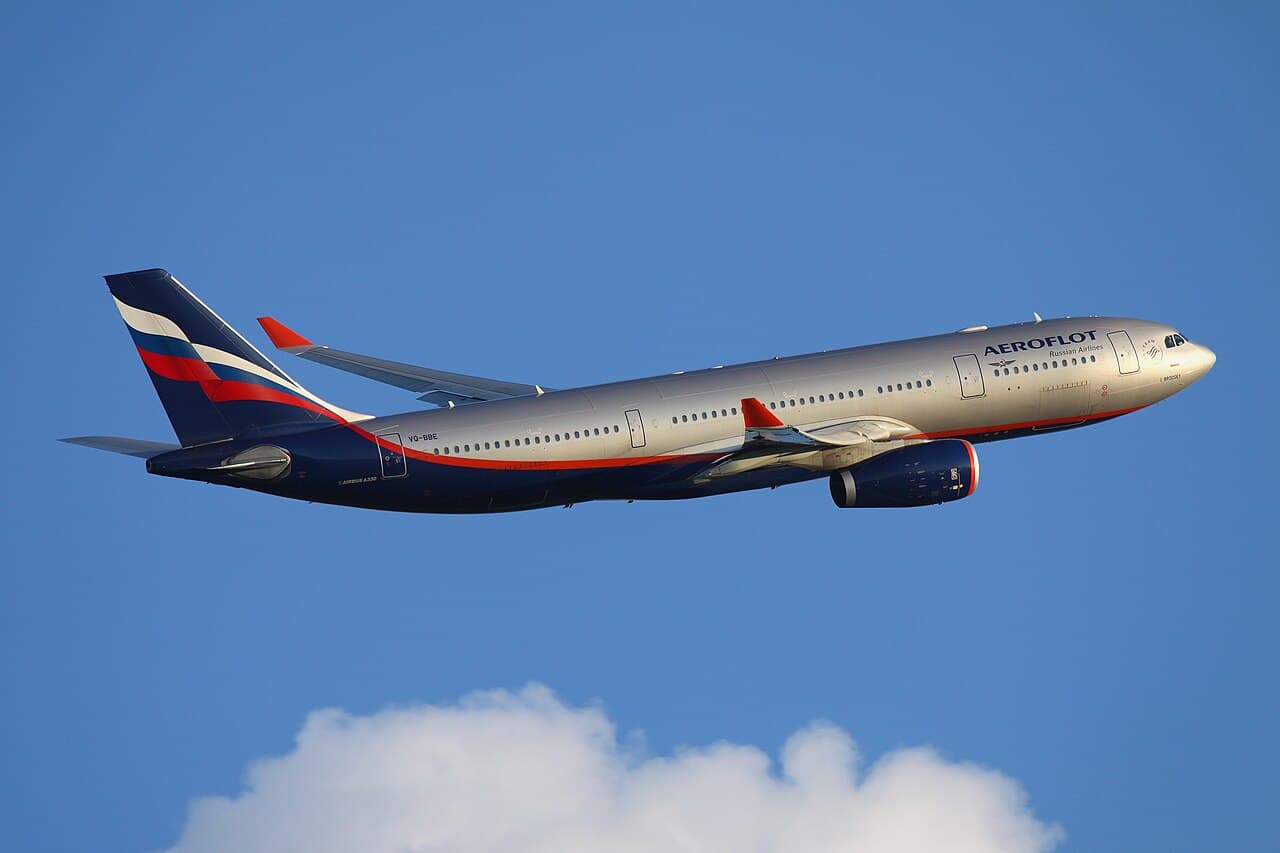
Delta Orders 16 High-Cabin Airbus A330-900neos With 56 Delta One Suites Each
Delta Air Lines' newest batch of Airbus A330-900neos will be fitted with 56 Delta One Suites, almost double the number fitted to the aircraft the carrier flies today. 16 examples of the 'high J' configuration were ordered in January and will complement Delta's existing fleet of 39 A330neos and more than 40 previous-generation A330s.
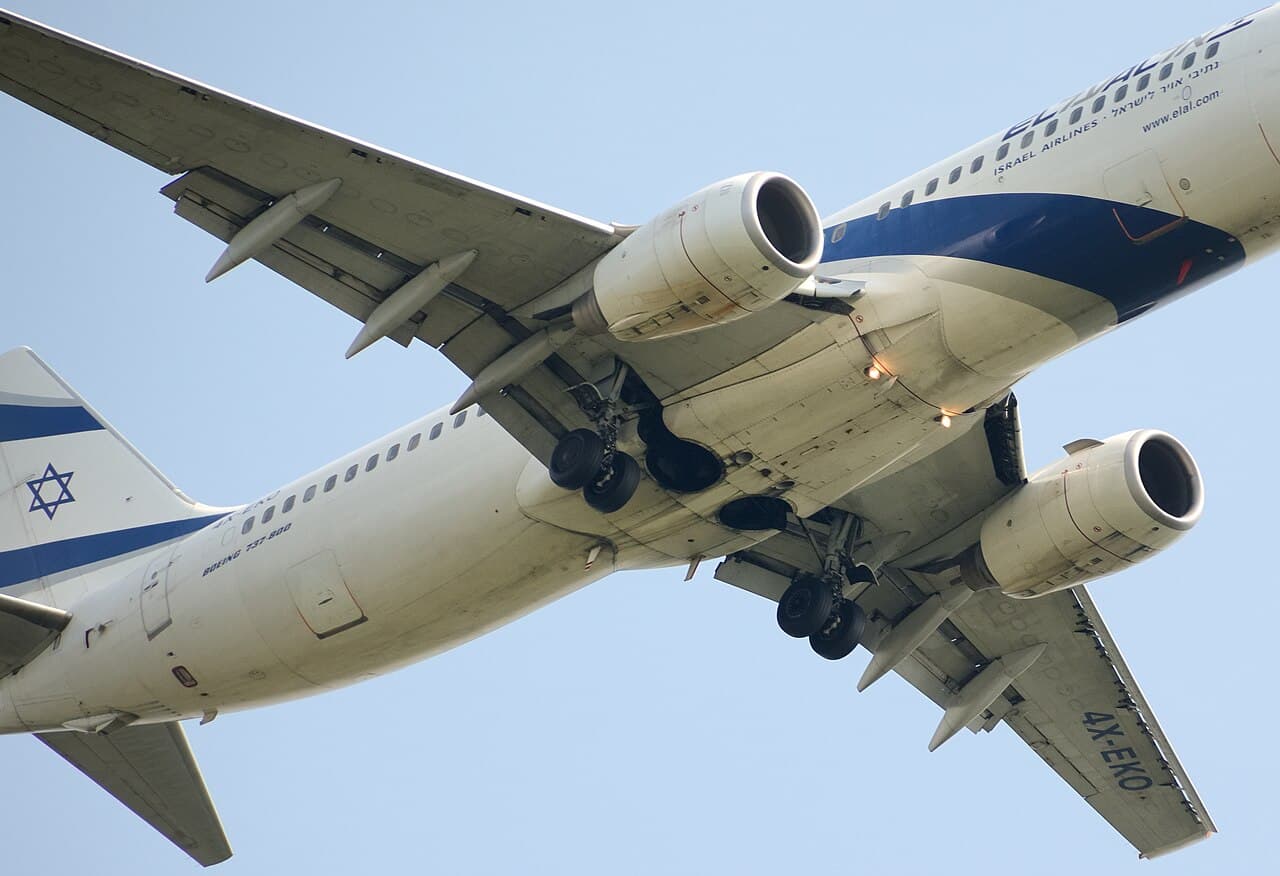
United Airlines Expands Ski Destination Network with New Boston-Jackson Hole Route
United's ski-country network and Chicago growth show that Scott Kirby's decade-old strategy worked: add useful flights, use bigger planes, rebuild schedule relevance, and loyalty follows. But the data cuts against a simpler brand-love story — passengers may be choosing United less because they love the airline and more because United built the flights, seats, and schedules they actually need.
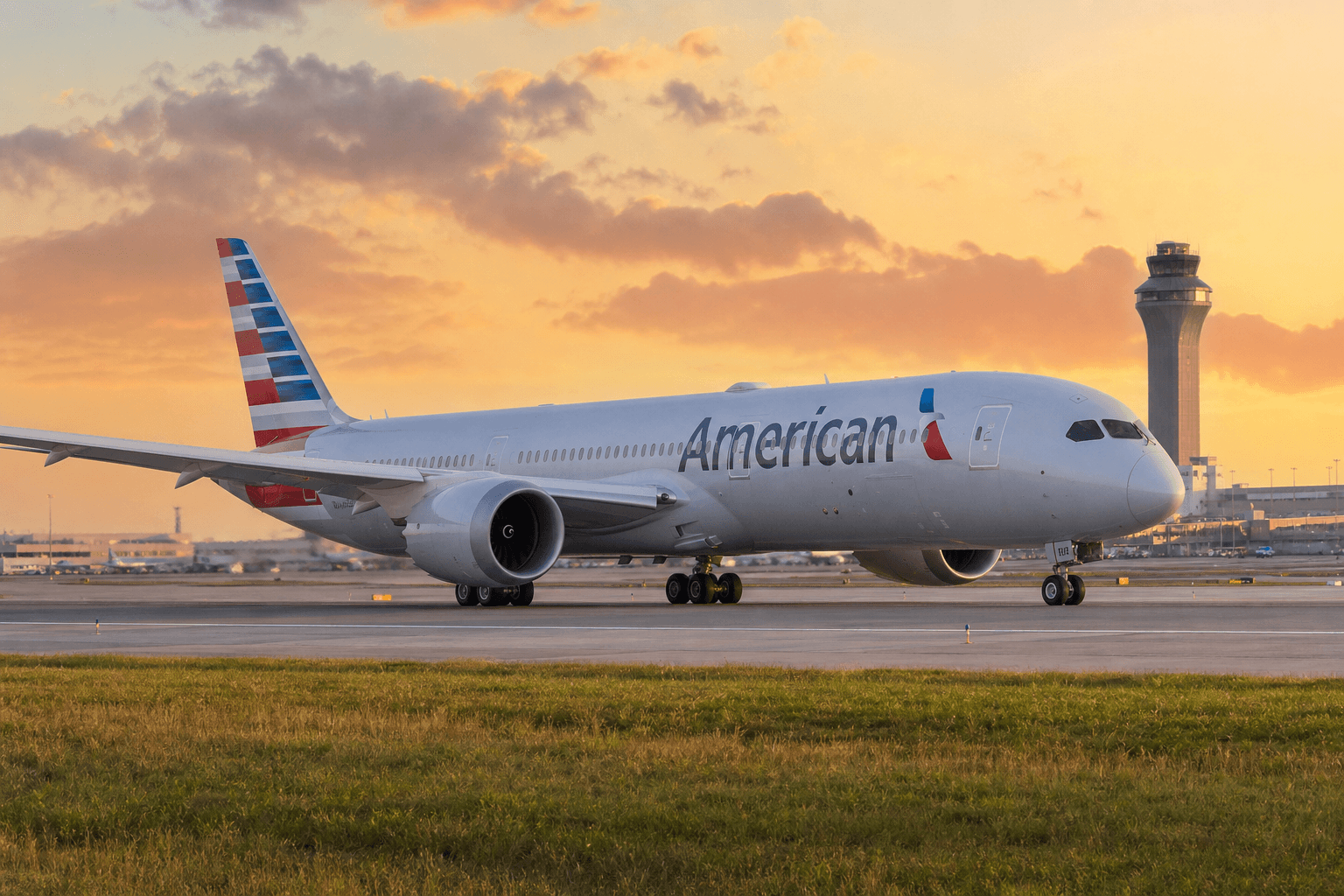
American Airlines Struggles to Match Delta and United in Profitability Despite Market Size
American Airlines was founded in 1930 through a merger of 80 airlines. It wouldn't be until 2013 that American as we know it today was born through a merger with US Airways. With over 223 million passengers carried in 2025, the oneworld carrier remains one of the world's largest airlines alongside its largest competitors, Delta Air Lines and United Airlines . Despite this, American is lagging behind on one key metric: profitability. A gap the Dallas-based airline is desperately looking to close over the coming years.
The Daily Touch & Go
The day's best aviation news in your inbox. Free, no spam.