

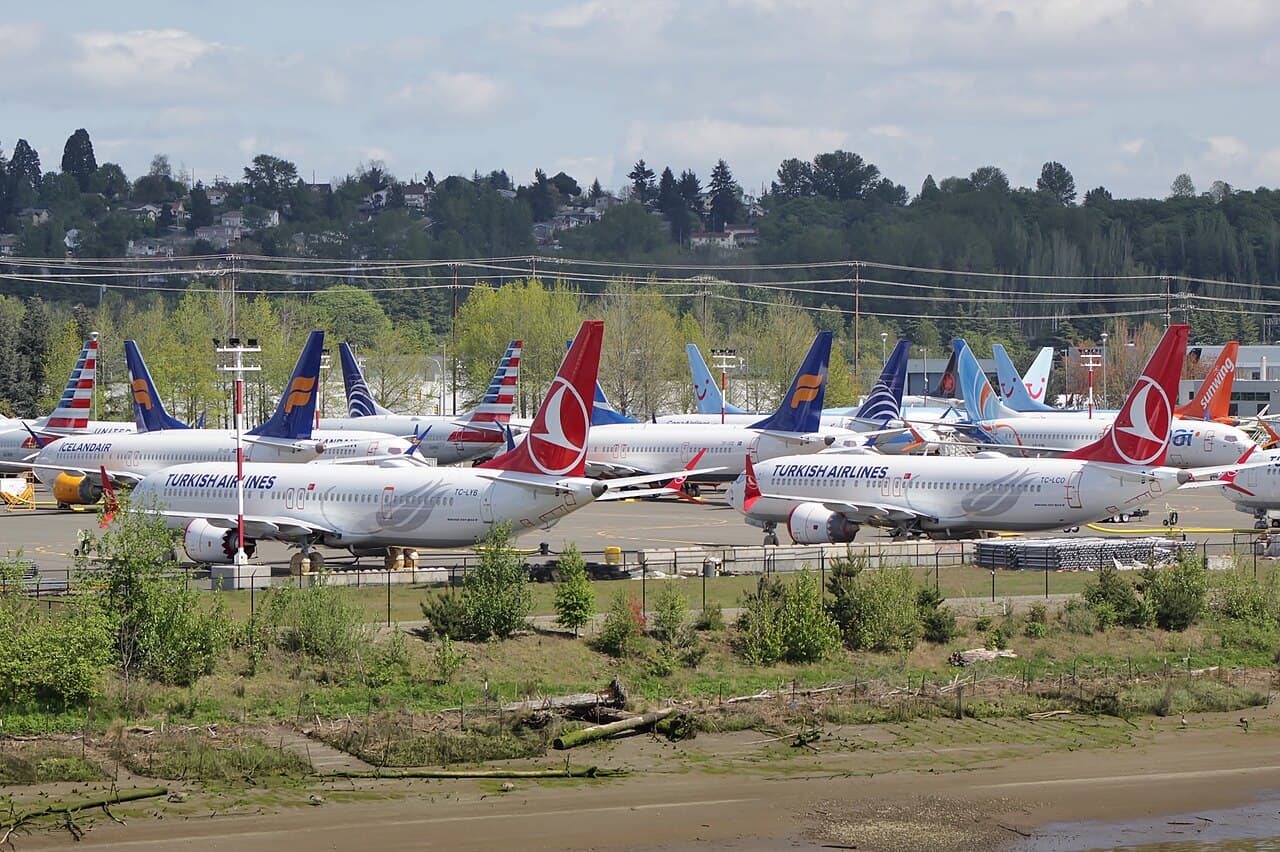
Image: SounderBruce · CC BY-SA 4.0 · via Wikimedia Commons
VietJet Plans New Low-Cost Australian Airline with Boeing 737 MAX Fleet
Vietnamese budget carrier VietJet has applied for Australian regulatory approval, aiming to launch domestic flights with a 10-aircraft 737 MAX fleet by next year.
The gist
VietJet seeks to start a low-cost Australian domestic airline, challenging the Qantas-Virgin duopoly with 10 737 MAX jets and seven daily Sydney slots.
Continuing coverage
All Domestic Routes →- American Airlines Deploys Airbus A321XLR on Nine Routes with 155 Seats Each
- Air Canada Deploys Airbus A220 on Multiple Nearly Seven-Hour Flights Across North America
- Ethiopian Airlines Introduces DHC-6 Twin Otters to Enhance Rural Connectivity
- Ethiopian Airlines integrates De Havilland DHC-6 300-G to enhance domestic connectivity
- Turkish Airlines Operates Unique 492-Seat Boeing 777 on Short Domestic Routes
Vietnamese airline VietJet is preparing to enter the Australian domestic aviation market, applying for a local air operator's certificate (AOC) from Australia's Civil Aviation Safety Authority (CASA). The move marks a significant bid to challenge the longstanding duopoly of Qantas and Virgin Australia. VietJet aims to establish a locally incorporated subsidiary operating a fleet of ten Boeing 737 MAX aircraft.
The airline has reportedly secured slots at Sydney Airport, Australia's busiest air hub, with rights for seven daily return flights. This strategic allocation would enable operational focus on Australia's 'Golden Triangle' routes connecting Sydney, Melbourne, and Brisbane—some of the busiest domestic air corridors worldwide. VietJet's management signals a launch timeline potentially as soon as mid-2027 following regulatory approval.
What sets VietJet's Australian entry apart from previous attempts by new carriers such as Bonza and Rex is its backing as a large international low-cost carrier with extensive financial resources and aircraft order books. These factors could provide VietJet with the resilience and scalability needed to sustain competitive fare offerings and operational stability in Australia's mature aviation market.
The airline's plan includes deploying Boeing 737 MAX aircraft, a modern, fuel-efficient single-aisle jet suitable for short- to medium-haul routes. Starting with ten such planes offers VietJet significant daily capacity for domestic flights. Given VietJet's existing subsidiaries in Thailand and Kazakhstan, the airline brings regional low-cost operational experience potentially adaptable to the Australian context.
Analysis of Australia's top domestic routes from 2025 passenger data reveals ample opportunity for VietJet's expansion. Flights between Sydney and Melbourne saw over 3.2 million annual passengers, followed by strong demand on Melbourne to Gold Coast, Sydney to Gold Coast, Sydney to Brisbane, and Melbourne to Brisbane routes. VietJet has signaled serving the Brisbane-Sydney-Melbourne triangle, but further expansion could target these other high-traffic corridors.
The forthcoming opening of Western Sydney Airport (WSI) presents potential additional operational opportunities, as the new airport offers less congestion, unrestricted curfew hours, and available slots. Although VietJet has not announced plans to use WSI yet, this facility could become part of future growth as the airline seeks to penetrate Australia's domestic network.
Beyond domestic services, VietJet's Australian subsidiary could leverage Brisbane, Melbourne, Perth, and Sydney international gateways where it already operates flights overseas. This would enable seamless connectivity for Australian domestic passengers wishing to continue on VietJet's international routes, offered on single tickets under a unified network.
Other promising domestic routes that VietJet might explore include Melbourne to Hobart, Melbourne to Adelaide, and Brisbane to Cairns, which each carry substantial passenger volumes in excess of 800,000 annually. These markets could provide additional revenue streams and network breadth as VietJet seeks to establish a foothold in Australia's competitive aviation sector.
With regulatory processing likely to take up to a year, VietJet's successful launch would represent the most significant shake-up in Australian domestic aviation in over a decade, potentially bringing lower fares and more choice to consumers long served by Qantas and Virgin. Industry observers anticipate VietJet's next regulatory steps and possible announcement timelines with keen interest.
Read more
All Airlines →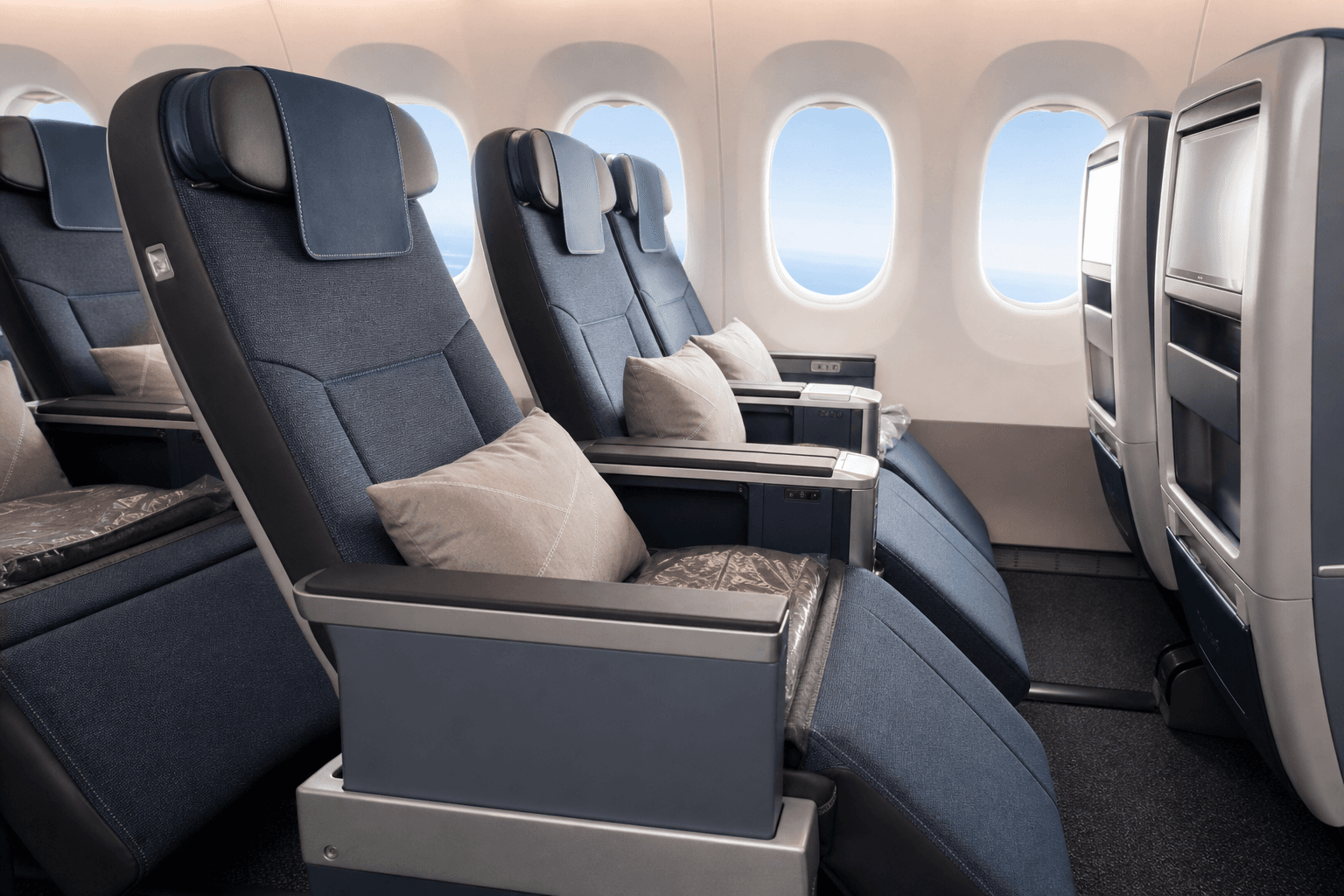
Premium Economy Seats Provide Up to Eight Extra Inches of Legroom Over Economy
For millions of travelers each year, long-haul flying means choosing between comfort and cost. The rise of premium economy has helped bridge the gap, giving passengers a cabin that feels noticeably more relaxed than standard economy but far more affordable than business class. However, just how much more space and comfort do you actually get, and how significant is the difference on a real flight?
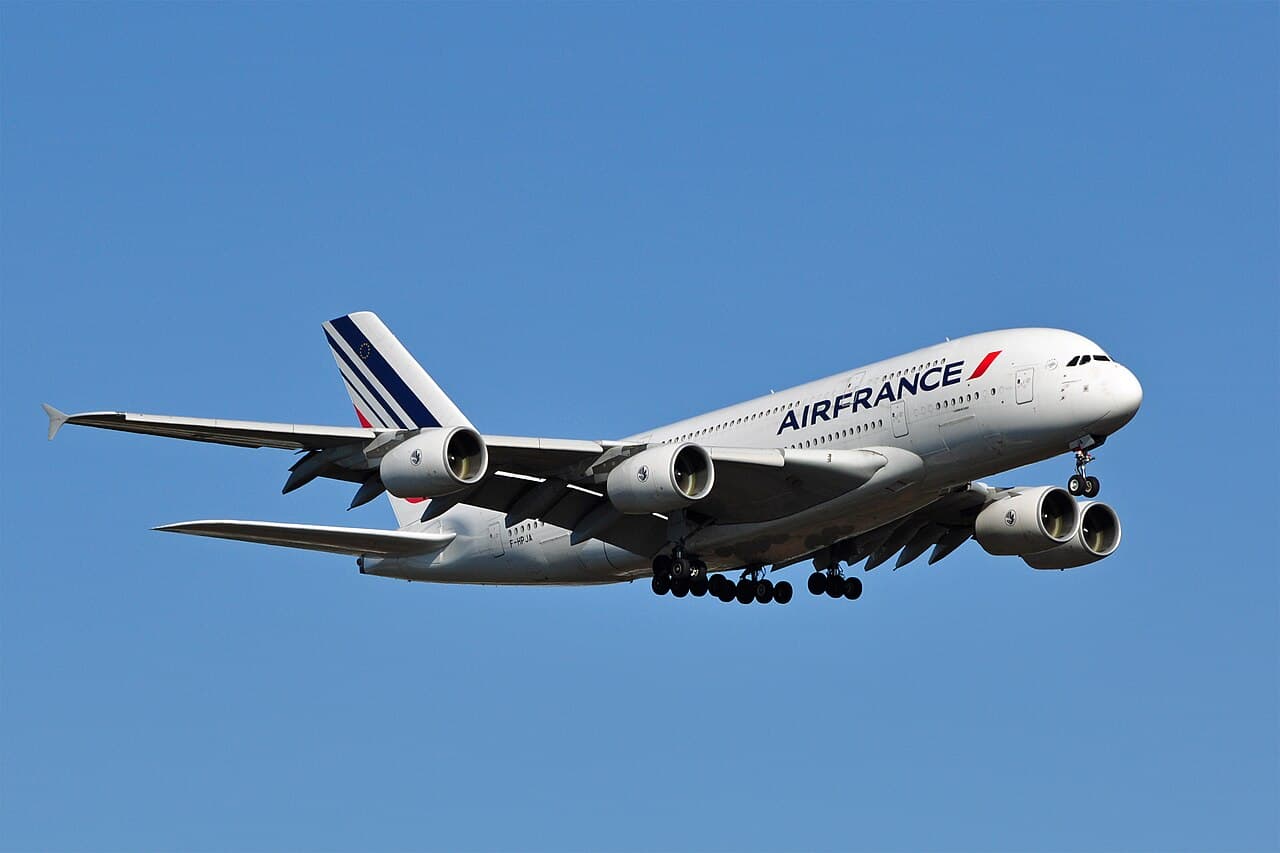
Airbus A380 First Class Cabins Set to Evolve With Unique Luxuries by 2026
The Airbus A380 is one of the most iconic and striking aircraft of the 21st century, with its double-deck design and quadjet configuration making it one of the world's most visually distinctive airliners. Meanwhile, passengers love its spacious cabin, low noise levels, and smooth ride, while carriers introduced innovative new premium cabins when they took delivery of these planes. Although few are in service, the A380 is one of the few commercial aircraft types to transcend the aviation industry and become a cultural icon.
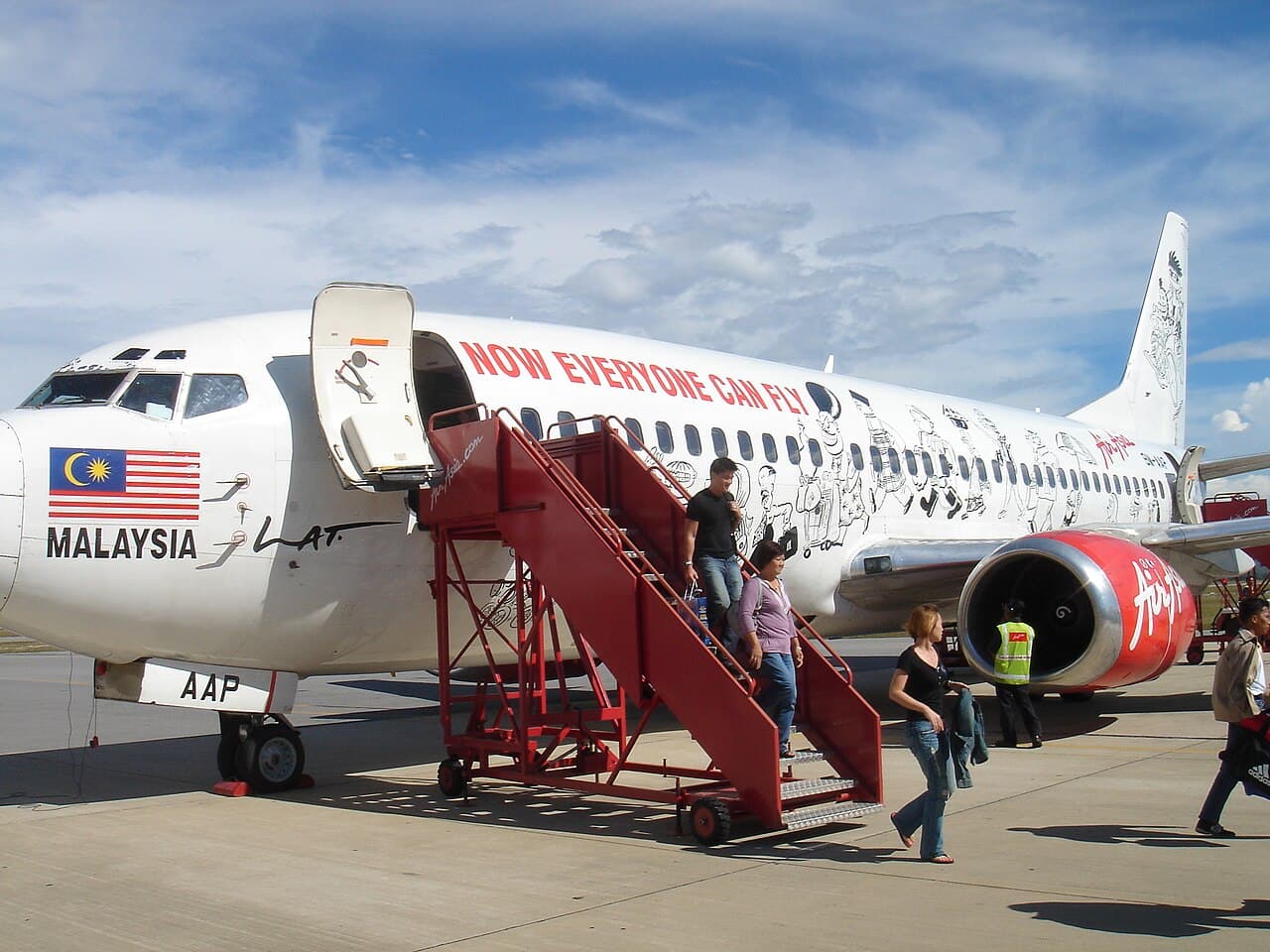
AirAsia Group Cuts Q3 Flight Capacity by 20-25% Amid Rising Fuel Costs
AirAsia Group is scaling back its third-quarter 2026 flight capacity. The low-cost carrier plans a 20% to 25% year-on-year reduction. This move follows a sharp rise in jet fuel expenses during the second quarter. ezstandalone.cmd.push(function () { ezstandalone.showAds(119); }); High Fuel Prices Drive Losses In the quarter ended 30 June 2026, average jet fuel prices hit US$183 per barrel. Fuel costs jumped 58% compared with the same period a year earlier. Geopolitical tensions in the Middle East pushed energy markets higher and created volatility. These higher costs contributed to a significant net loss for the group. AirAsia Group reported a loss of roughly RM527 million attributable to owners. ezstandalone.cmd.push(function () { ezstandalone.showAds(127); }); Broader group figures, including foreign exchange impacts, reached about RM830 million. Revenue stayed near RM5.1 billion. This held steady even though the airline cut capacity by about 11% in the second quarter. Management used dynamic pricing and fuel surcharges to recover around 70% of the extra fuel burden. Average fares rose more than 20% in May and June. Non-fuel unit costs also fell 7%. Still, the quarter marked a clear low point. ezstandalone.cmd.push(function () { ezstandalone.showAds(128); }); Group CEO Bo Lingam called it the “floor quarter.” Photo Credit: Gatwick Airport Why Capacity Is Being Reduced Now The third quarter is traditionally the softest period for regional travel in Southeast Asia. AirAsia Group is taking a cautious approach. It will trim capacity by 20% to 25% year-on-year. The goal is to protect margins and ensure every flight meets strict profitability targets. ezstandalone.cmd.push(function () { ezstandalone.showAds(129); }); The airline expects to restore capacity toward pre-war levels in the fourth quarter. Year-end holiday demand should support higher yields across its ASEAN network. Forward bookings already track in line with the previous year. Supporting Measures and Outlook AirAsia is also returning 25 older, less fuel-efficient aircraft this year. This reduces lease costs and improves overall fleet efficiency. Newer aircraft, including future A220 and A321XLR deliveries, will support longer-term growth from 2028 onward. The group is advancing talks for up to US$1 billion in funding and additional local facilities. These steps aim to strengthen liquidity after the difficult second quarter. ezstandalone.cmd.push(function () { ezstandalone.showAds(130); }); Bo Lingam noted that jet fuel prices are unlikely to stay at the extreme US$183 average seen in the second quarter. As fuel costs ease and higher fare levels remain in place, unit economics should improve. Short-haul operations in Malaysia and Cambodia stayed profitable. Thailand is expected to narrow losses in the third quarter and return to profit in the fourth. Photo Credit: Kentaro Iemoto from Tokyo, Japan, CC BY-SA 2.0, via Wikimedia Commons Implications for Travellers and the Industry Passengers may see fewer flights on some routes during the third quarter. Fares could stay elevated in the near term as the airline continues to manage costs. However, the planned capacity recovery in the fourth quarter should expand options again for peak season travel. ezstandalone.cmd.push(function () { ezstandalone.showAds(131); }); The situation highlights the vulnerability of unhedged airlines to sudden fuel spikes. AirAsia’s response prioritises yield over volume. It focuses on network discipline, cost control and selective capacity management. Analysts generally view the second quarter as the trough. Many expect a clearer recovery path in the second half of 2026 if fuel prices continue to moderate. The group’s ability to pass through a large share of cost increases while maintaining solid load factors of around 80% shows underlying demand remains resilient across its core markets. ezstandalone.cmd.push(function () { ezstandalone.showAds(132); }); AirAsia Group’s latest actions reflect a pragmatic response to elevated fuel costs. By cutting capacity temporarily and optimising its fleet, the airline aims to stabilise performance and position itself for stronger results later in the year.
Breeze Airways Passengers Removed in Bangor After Police Threaten No-Fly List
Police boarded a Breeze Airways Airbus A220 in Bangor, Maine and ordered a group of passengers including a parent with a toddler off the aircraft. One officer offered them a choice: leave voluntarily or get arrested and placed on the no-fly list.
The Daily Touch & Go
The day's best aviation news in your inbox. Free, no spam.