

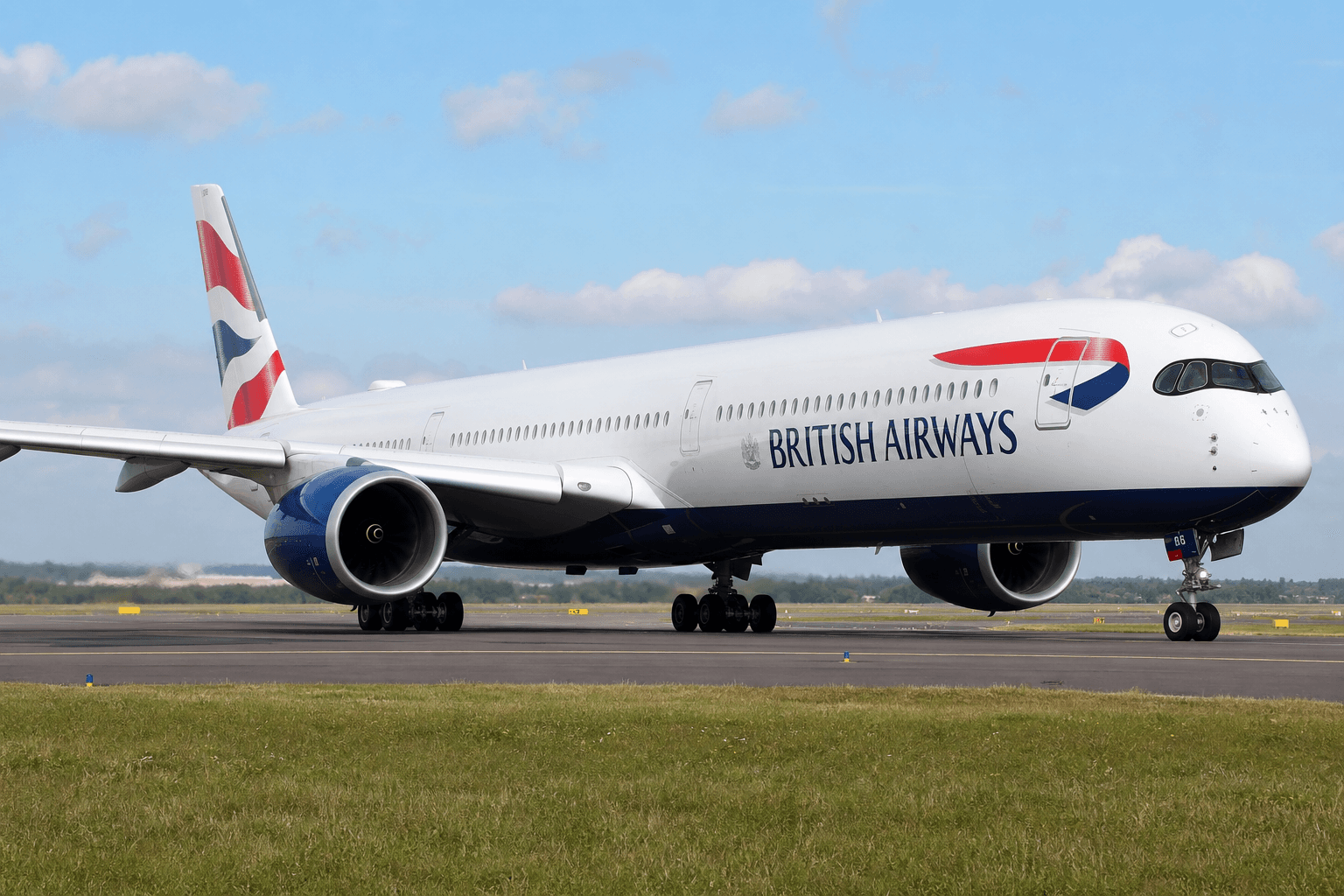
Illustration: The Touch & Go
British Airways Reduces Business Class Seats by 30 with A350-1000 Replacement
The switch from Boeing 747-400 to Airbus A350-1000 led British Airways to trim its business class seating by 30 seats due to the new aircraft's lower overall capacity.
The gist
British Airways cut 30 business class seats when it replaced the 747 with the A350-1000, balancing capacity and cabin comfort.
British Airways recently completed the replacement of its iconic Boeing 747-400 fleet with the more modern Airbus A350-1000. This transition has brought a notable change in the airline’s business class offering as it reduced the total number of seats in this cabin by 30 compared to the previous aircraft. This reduction is linked directly to the smaller overall passenger capacity of the A350-1000 relative to the older 747.
The Boeing 747-400, known for its large size and four-engine configuration, has long been a staple for British Airways on its long-haul routes. It typically offered a higher total seating count, including a larger business class section. In comparison, the twin-engine A350-1000, while more fuel-efficient and advanced technologically, has a lower maximum passenger capacity, which necessitated trimming some business class seats.
This adjustment of business class seating aligns with British Airways’ efforts to maintain cabin comfort and service quality despite capacity constraints. Reducing seats in the premium cabin helps preserve space and amenities for passengers, potentially enhancing the travel experience. Additionally, the A350-1000 introduces improvements such as better cabin pressurization and humidity levels, contributing to passenger well-being during long flights.
The switch to the A350-1000 also fits into broader fleet modernization programs at British Airways aimed at reducing environmental impact and fuel consumption. The newer aircraft's more efficient engines and lighter frame make it a more sustainable option than the 747-400. Although this means fewer business class seats are available per flight, British Airways appears to be focusing on balancing profitability with passenger comfort and sustainability.
Looking ahead, this modification in seating configuration could influence British Airways’ route planning and capacity management strategies. While the A350-1000’s reduced seating can be a limitation on some high-demand routes, its operational efficiencies and passenger comfort advantages may deliver a net benefit for the airline. Monitoring how these seat reductions impact load factors and customer satisfaction will be important as the airline fully integrates the A350-1000 into its long-haul network.
British Airways' decision to reduce business class capacity by 30 seats when replacing the 747-400 underlines the trade-offs involved in fleet renewal. As airlines transition to newer, more efficient aircraft, balancing capacity, passenger experience, and environmental goals remains a complex but critical challenge.
Read more
All Airlines →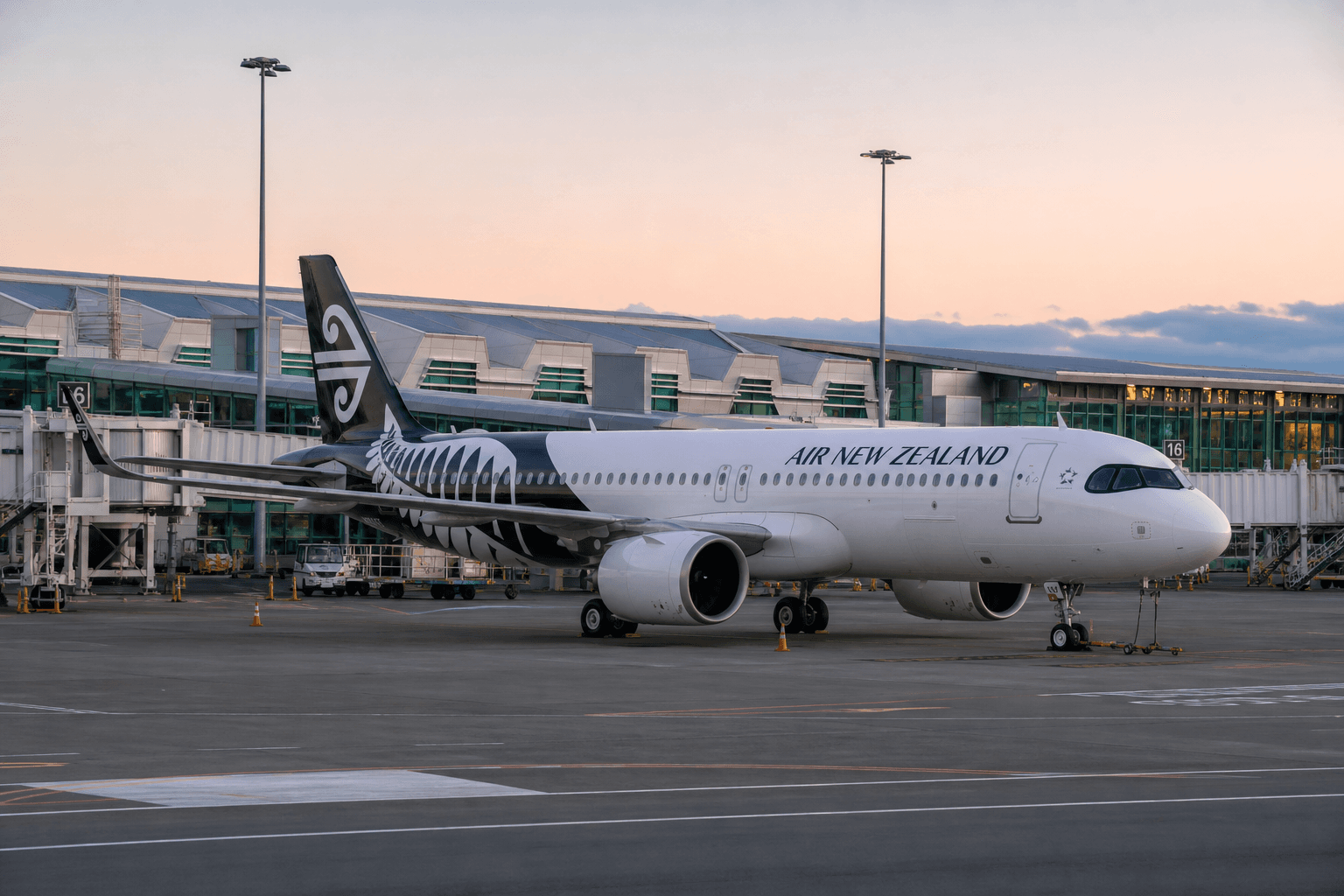
Air New Zealand Launches 'The Works' Premium Airbus A320neo Service Between Christchurch and Sydney
A family of three, including a child, embarked on an early morning flight from Christchurch to Sydney in 'The Works' class.
![British Airways Drops Airbus A380 Flights On 7 Major Routes [Fully Updated]](/_next/image?url=https%3A%2F%2Favoibnodqwjxlpbhunuu.supabase.co%2Fstorage%2Fv1%2Fobject%2Fpublic%2Fstory-images%2Fai%2Fbritish-airways-drops-airbus-a380-flights-on-7-major-routes-fully-updated-338c8bb4.png&w=3840&q=75)
British Airways Ends Airbus A380 Service on Seven Key Routes
They include a raft of short-haul and long-haul routes, including some that only operated very briefly. Find out more here!
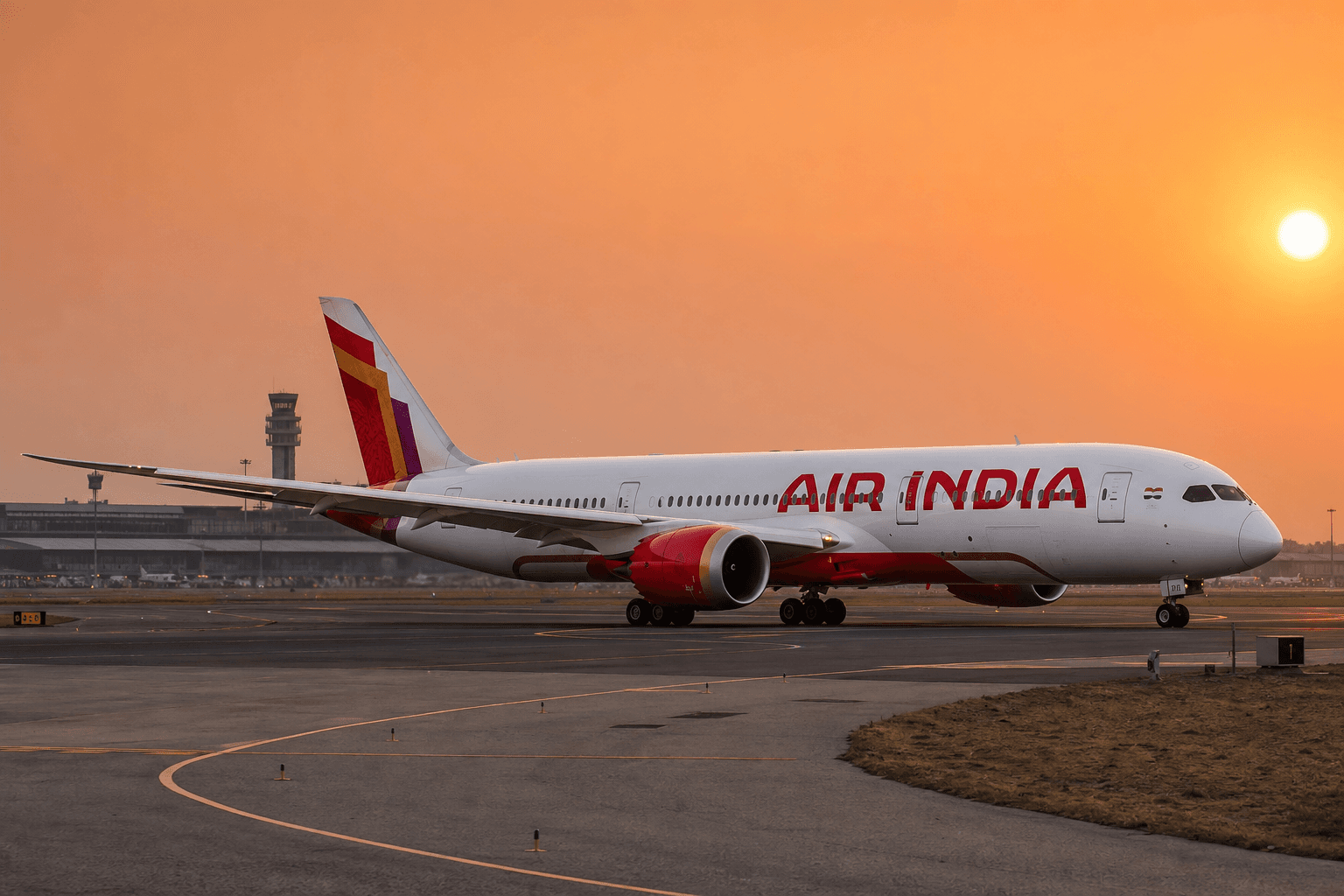
Air India eyes restoration of international flights after Middle East tensions ease
Air India is considering reversing some international schedule reductions after calmer conditions in the Middle East made more…
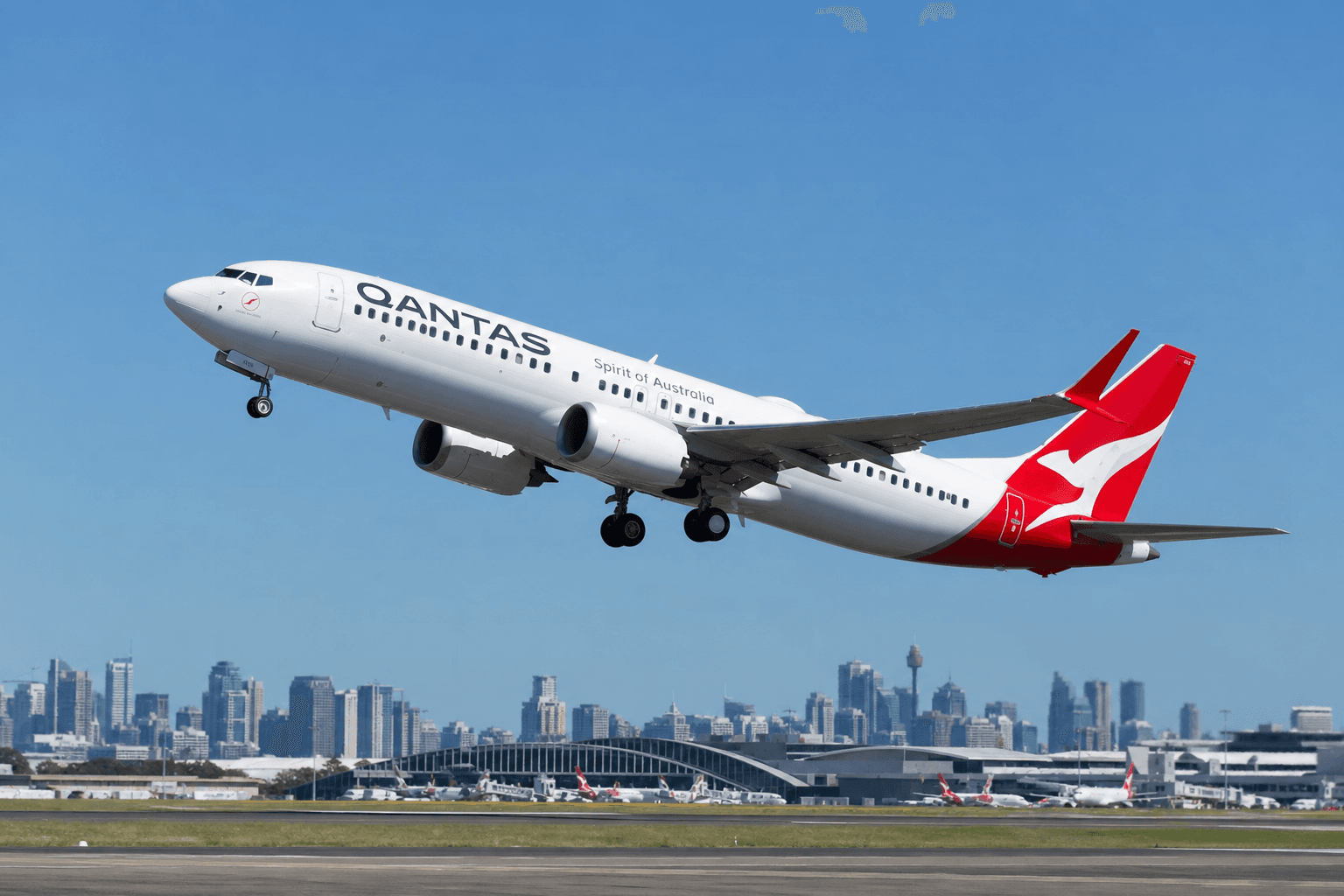
Australia Plans 10 New Boeing 737 MAX 8 Routes by 2026 Including Longest Cairns-Singapore Sector
Australia has more international routes operated with the MAX 8 than you might think. Cairns to Singapore is the longest at six hours and 45 minutes.
The Daily Touch & Go
The day's best aviation news in your inbox. Free, no spam.