

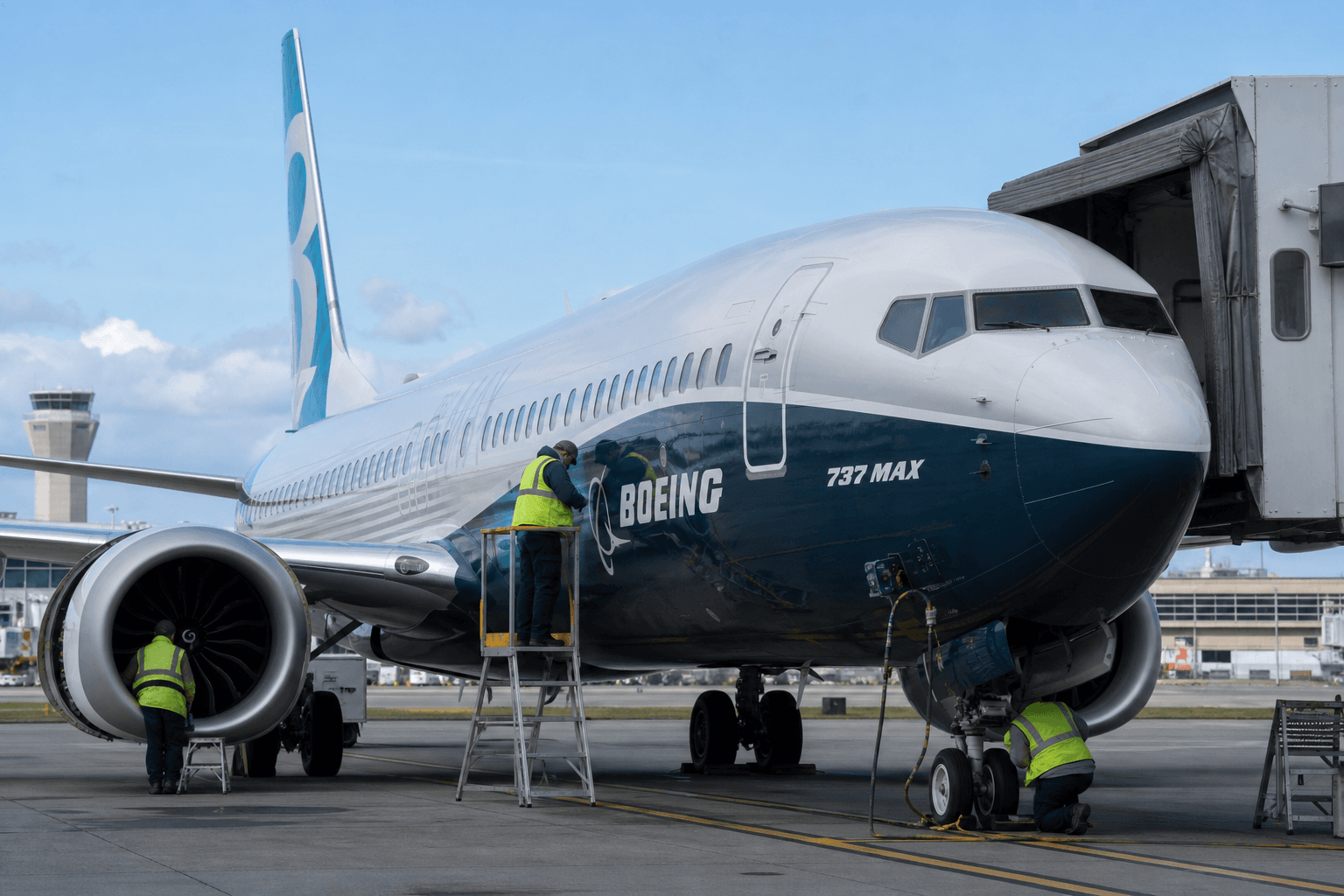
Illustration: The Touch & Go
FAA mandates 737 Max fix for circuit breaker issue causing overheating cabins
The FAA issued a new airworthiness directive to address circuit breakers that can disrupt air conditioning systems on 737 Max jets, risking dangerously hot cabin and cockpit temperatures.
The gist
FAA orders 737 Max fix after circuit breakers cause air conditioning failures and overheating risks onboard.
The Federal Aviation Administration (FAA) has issued a fresh airworthiness directive targeting the Boeing 737 Max to resolve a circuit breaker issue linked to overheating in aircraft cabins and cockpits. The agency’s directive highlights that tripped circuit breakers can disable the air conditioning system, allowing hot air to accumulate inside the aircraft, posing safety concerns during flight.
This latest FAA action stems from reports of circuit breakers incorrectly tripping and interrupting the air conditioning units vital for cooling the cabin environment. Without adequate cooling, internal temperatures can rise to unsafe levels, affecting both crew and passengers on board the widely used narrowbody fleet. The directive applies explicitly to the 737 Max series, which has previously undergone intense scrutiny and updates.
Circuit breakers in modern aircraft play a critical role in preventing electrical faults from causing hazards; however, in this case, their unintended activation stops the cooling system from functioning. The FAA’s response includes mandated inspections, possible component replacements, and additional monitoring to mitigate the overheating risk, ensuring the 737 Max meets stringent safety standards.
Boeing and operators of the 737 Max will need to comply with the FAA’s directive within defined timelines to prevent potential in-flight cabin temperature issues. This move is one of several proactive efforts by regulators and manufacturers following the Max’s return to global operations after grounding periods due to earlier safety concerns.
The FAA’s focus on seemingly minor electrical system faults underscores the aviation industry’s commitment to continuous safety improvements, even in systems not initially implicated in prior incidents. Airlines operating the 737 Max are advised to review maintenance records and carry out the prescribed actions promptly to maintain operational integrity.
Looking ahead, regulatory authorities worldwide may evaluate similar systems on other aircraft types to prevent analogous overheating risks. This FAA directive not only improves 737 Max safety but also reinforces the importance of addressing electrical system vulnerabilities in commercial aviation.
Read more
All MRO/Maintenance →
Honeywell Aerospace spins off into independent publicly traded company
Executives say the split will allow Honeywell Aerospace to focus more intently on its core markets. Honeywell International has completed its planned spin off of Honeywell Aerospace into a publicly traded independent firm, a move the aerospace company says leaves it better positioned to expand, invest and generate long-term profits. Charlotte-based Honeywell divested the former…

Composite Materials Extend Boeing 787 and Airbus A350 Tail Strike Repairs Compared to 777
Here is why the composite materials used in the Boeing 787 and Airbus A350 make repairs more complex following impact incidents.
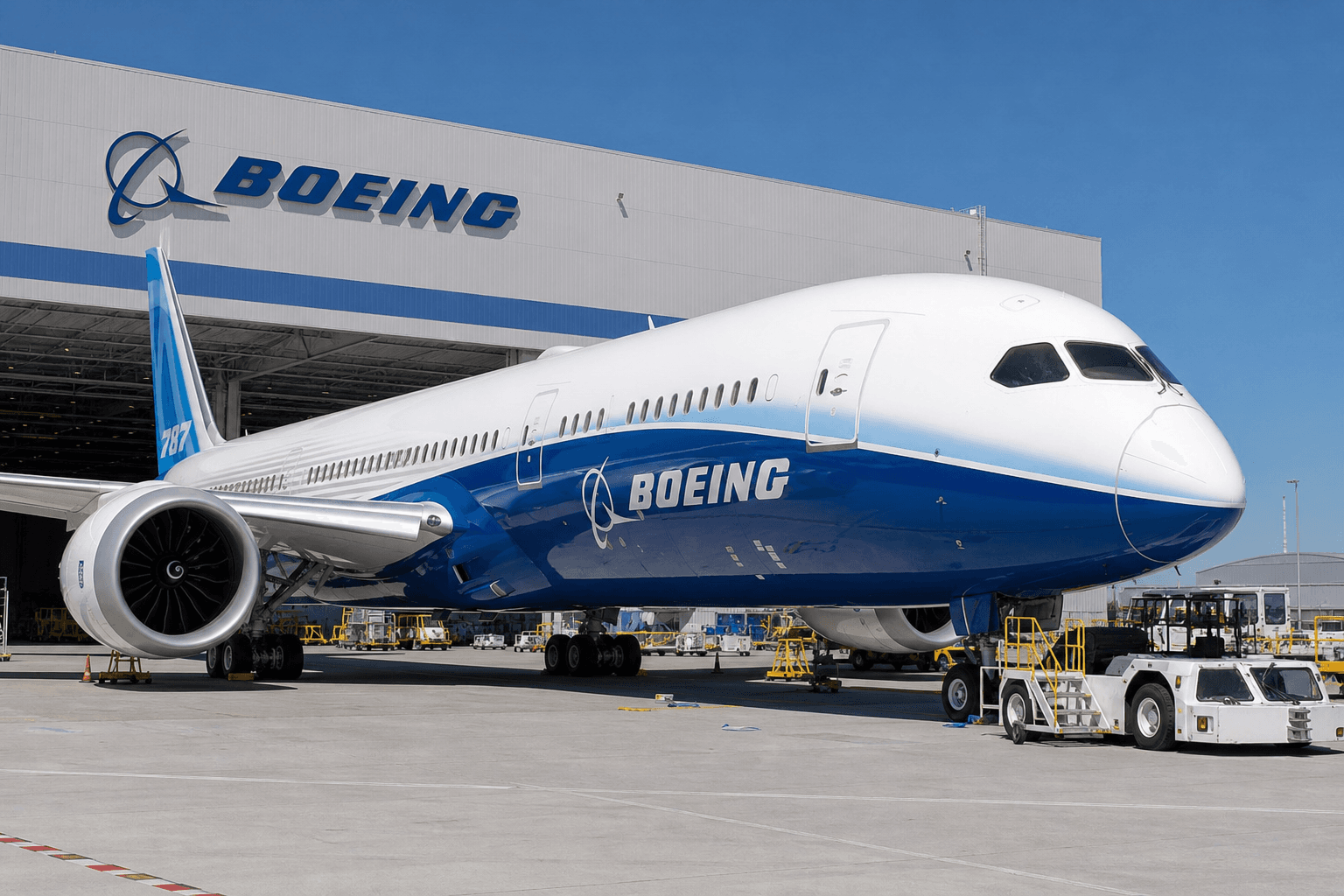
United Returns Flagship 787-9 To Boeing For Extended Maintenance At Moses Lake
It remains unclear how long the flagship 787-9 will remain out of service and has been ferried to Moses Lake, a Boeing maintenance facility.
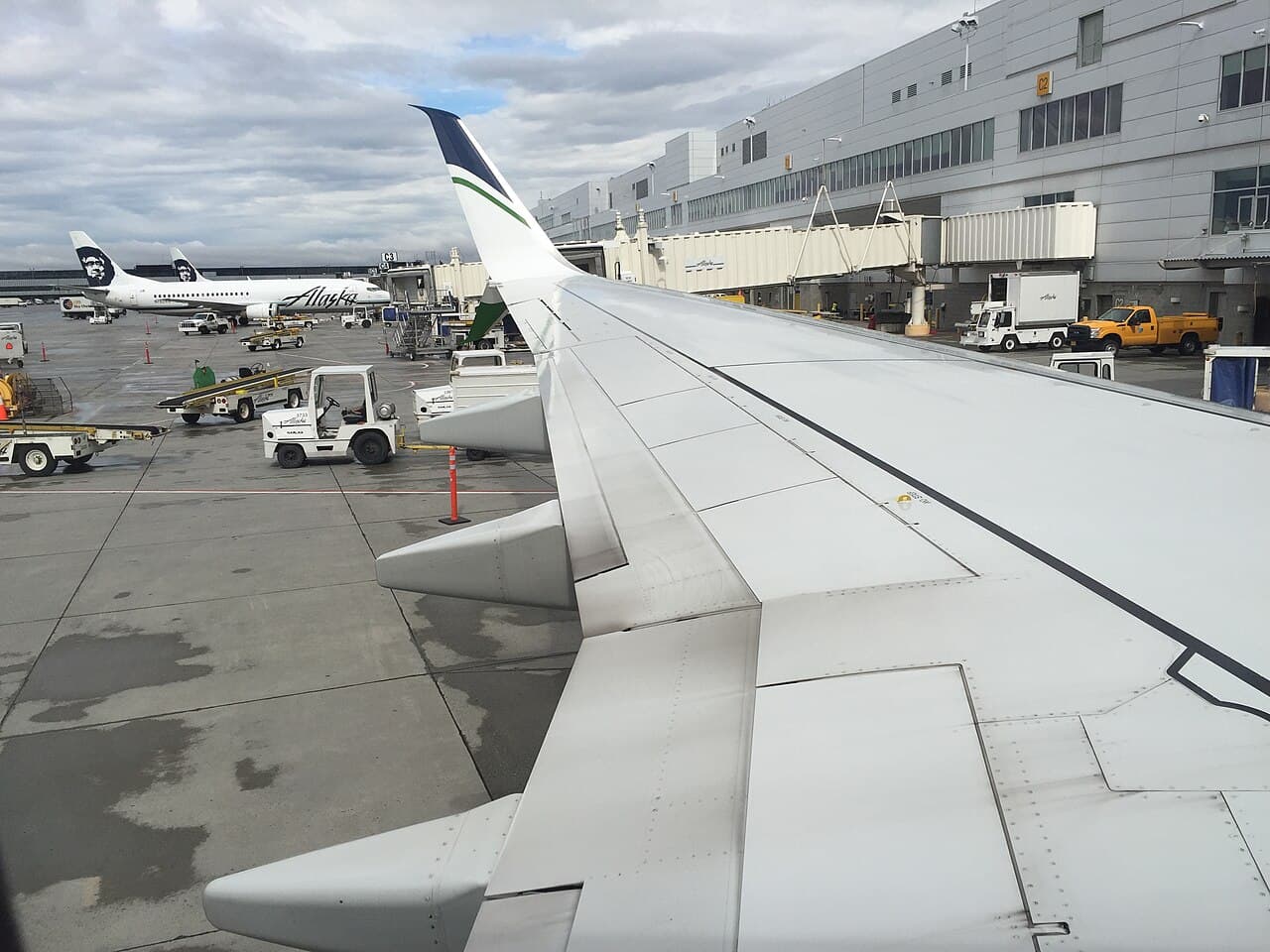
Alaska Airlines Starts Construction on $135M Widebody Hangar in Portland
Alaska's $135 million Portland hangar signals growing ambitions beyond traditional domestic operations.
The Daily Touch & Go
The day's best aviation news in your inbox. Free, no spam.