

Illustration: The Touch & Go
Wright Brothers Dayton Sites Added to Irreplaceable America List for Aviation Heritage Preservation
World Monuments Fund recognizes key Dayton landmarks tied to Wilbur and Orville Wright's pioneering powered flight development, emphasizing historic preservation of US aviation roots.
The gist
Wright brothers' Dayton landmarks earn Irreplaceable America status, spotlighting birthplace of powered flight and preservation efforts.
The World Monuments Fund has honored several historic sites in Dayton, Ohio, intimately linked to the Wright brothers, by placing them on its Irreplaceable America list. This designation recognizes the critical role these locations played in the invention and development of powered flight technology. The Wright brothers, Wilbur and Orville, conducted extensive experimentation and flight testing in Dayton following their initial 1903 flights at Kitty Hawk, North Carolina, making the city a cornerstone of aviation heritage.
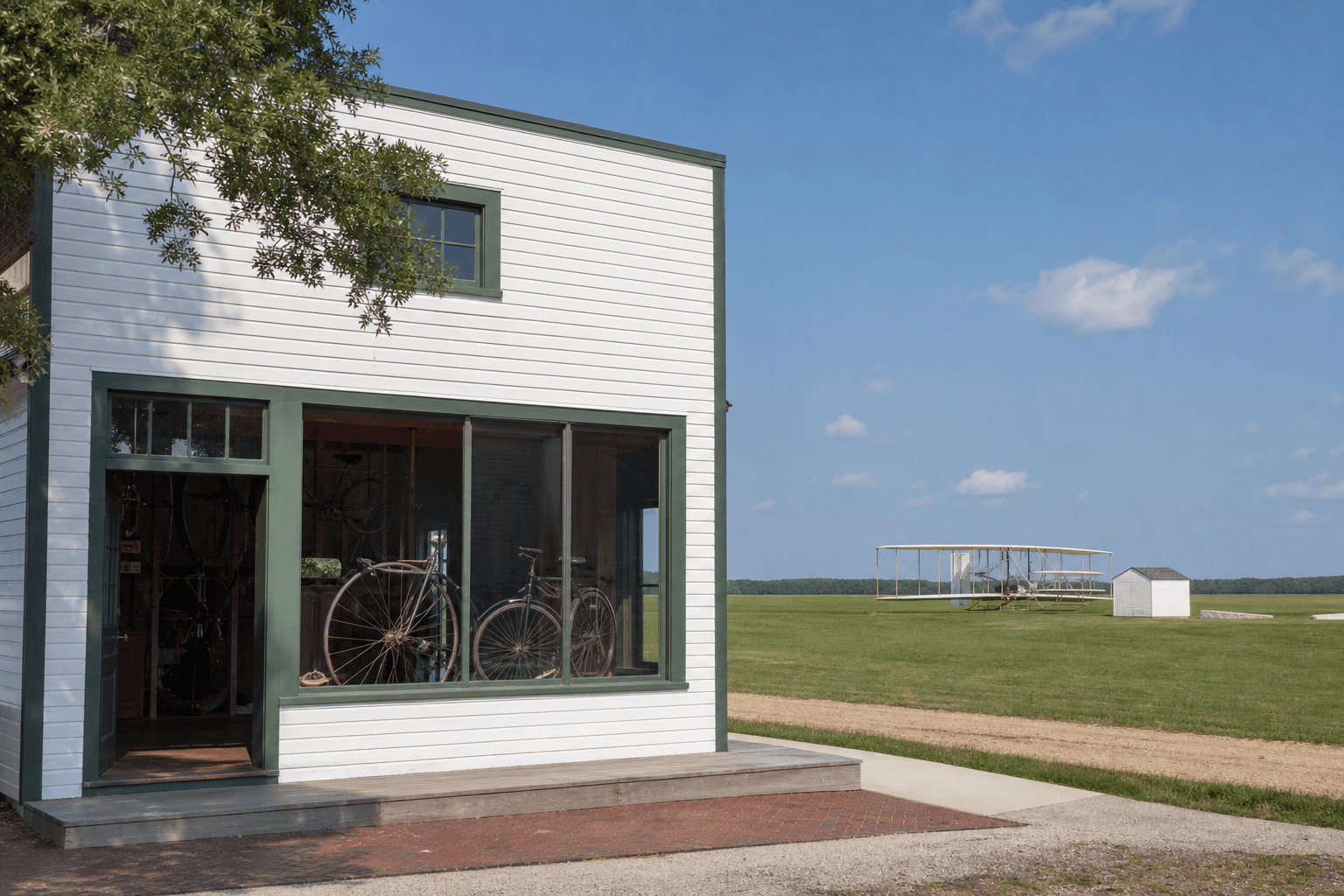
The collection of landmarks spans multiple properties connected to the brothers’ early work and personal history. Included are Huffman Prairie Flying Field, the site where the brothers rigorously refined their aircraft following their first powered flights. Additionally, the Wright Cycle Company building marks the origins of their inventive journey that transitioned from bicycle mechanics to aeronautical engineering. The Wright & Wright Printing Company stands as a testament to their entrepreneurial ventures, and Hawthorn Hill, the family home, reflects their personal legacy in Dayton.
Huffman Prairie Flying Field played an essential role during the years after 1903 as the Wright brothers tested, adjusted, and enhanced their aircraft designs. The site was crucial for moving beyond the first powered flight to achieving practical, controlled flight. It represents a place where theoretical concepts were transformed into viable technology that would revolutionize transportation worldwide.
The Wright Cycle Company building offers insight into the inventive environment that nurtured Wilbur and Orville's creativity. Starting as bicycle mechanics provided them with mechanical skills and problem-solving capabilities that directly influenced their aviation breakthroughs. This location symbolizes the transition from simple craftwork to pioneering innovation in powered flight.
Their Dayton experimentation laid the groundwork for the Wright brothers to develop and patent technologies that remain foundational in aviation. Their relentless testing at Huffman Prairie following the Kitty Hawk flights allowed for control mechanisms and engine improvements instrumental in advancing aircraft performance. This period was critical in proving that powered flight was not a singular event but a repeatable and scalable achievement.
Hawthorn Hill, their family home designed later in their lives, serves as a historical monument to their lasting influence on aviation and their personal story. The home reflects the prominence and respect the brothers earned not only in Dayton but internationally. It helps illustrate how their early modest workshops and fields evolved into globally recognized landmarks in the history of flight.
The World Monuments Fund established the Irreplaceable America initiative to highlight and preserve significant sites nationwide. By including the Wright brothers’ Dayton landmarks, the program aims to raise public awareness and support preservation of these aviation heritage sites through partnerships and funding. This initiative ensures that important pieces of American innovation remain protected for future generations to study and admire.
Recognizing these sites underscores the broader importance of preserving places where technological history was made. Preservation efforts help maintain the physical contexts in which the Wright brothers developed powered flight—the pivotal advancement that catalyzed the modern aviation industry. These landmarks in Dayton bring to life the environment, challenges, and achievements that shaped early flight experimentation.
The recognition also encourages educational and cultural engagement. Visitors and historians gain a tangible connection to the Wright brothers' work beyond the famous 1903 Kitty Hawk event. The Dayton locations demonstrate the process of invention as a sustained effort rather than a singular breakthrough, illustrating the engineering, perseverance, and local support that drove aviation into the modern era.
Read more
All Airlines →![7-Hour Flights: JetBlue's Longest Nonstop Airbus A220 Routes Revealed [Map]](/_next/image?url=https%3A%2F%2Favoibnodqwjxlpbhunuu.supabase.co%2Fstorage%2Fv1%2Fobject%2Fpublic%2Fstory-images%2Fai%2F7-hour-flights-jetblue-s-longest-nonstop-airbus-a220-routes-revealed-map-802f2393.png&w=3840&q=75)
JetBlue Flies Longest Airbus A220 Routes Up to 6.5 Hours, Deploying Smaller Jets Strategically
The latest data shows that JetBlue's longest flight with the Airbus A220 is close to seven hours. Historically, airlines were forced to operate larger aircraft on routes with lower demand, purely because of the range capabilities of the aircraft. However, technological advancements have allowed for narrowbody aircraft to be able to fly for longer durations, covering more distance than ever before.

10 Legacy Airliners Approaching Retirement Worth Spotting Now
Aviation is constantly changing. Every year, airlines retire older aircraft and replace them with newer,…
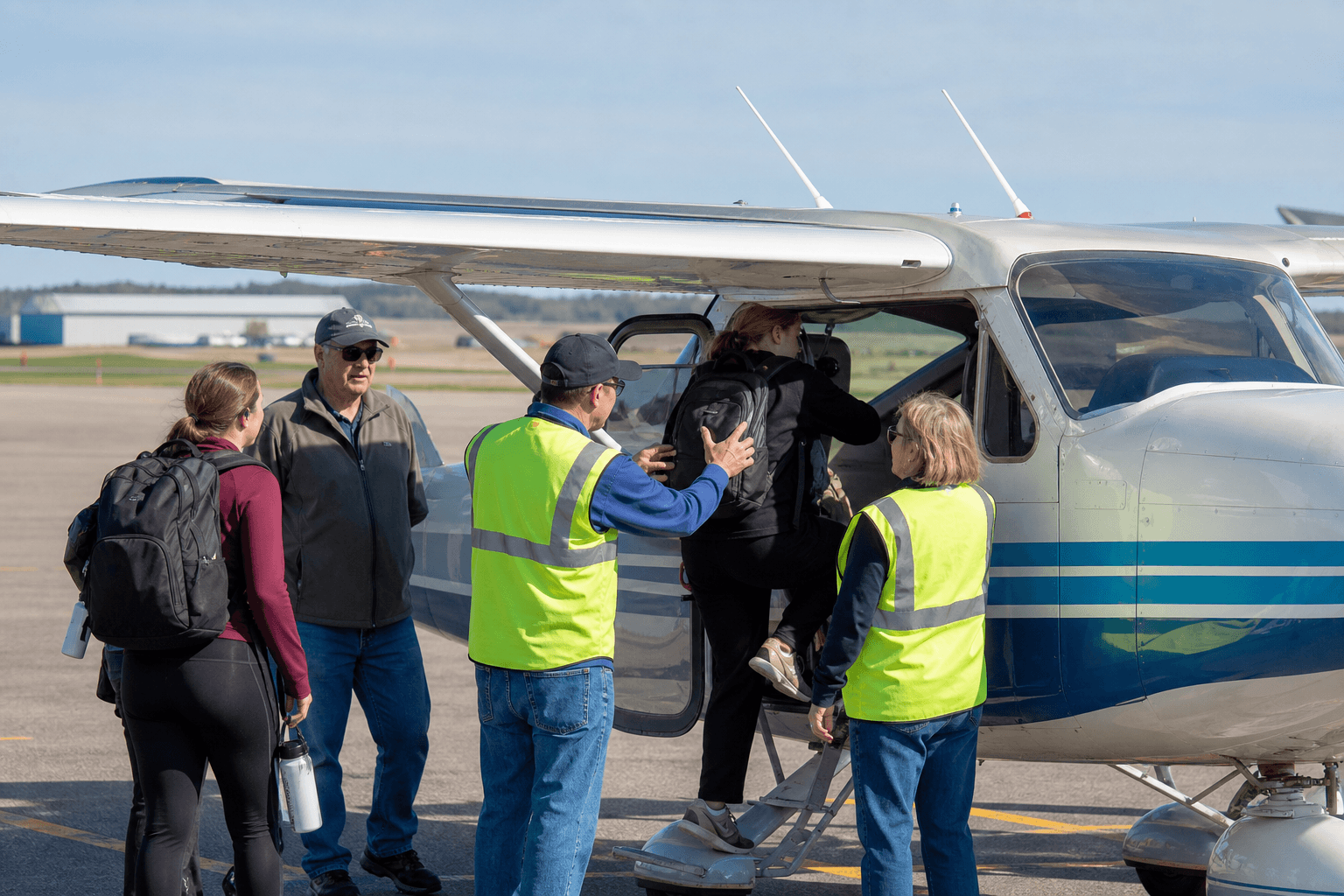
Textron Aviation Helps Fly Over 800 Athletes to 2026 Special Olympics USA Games in Minnesota
Volunteers make it possible for athletes to get to and from the games in St. Paul, Minnesota.
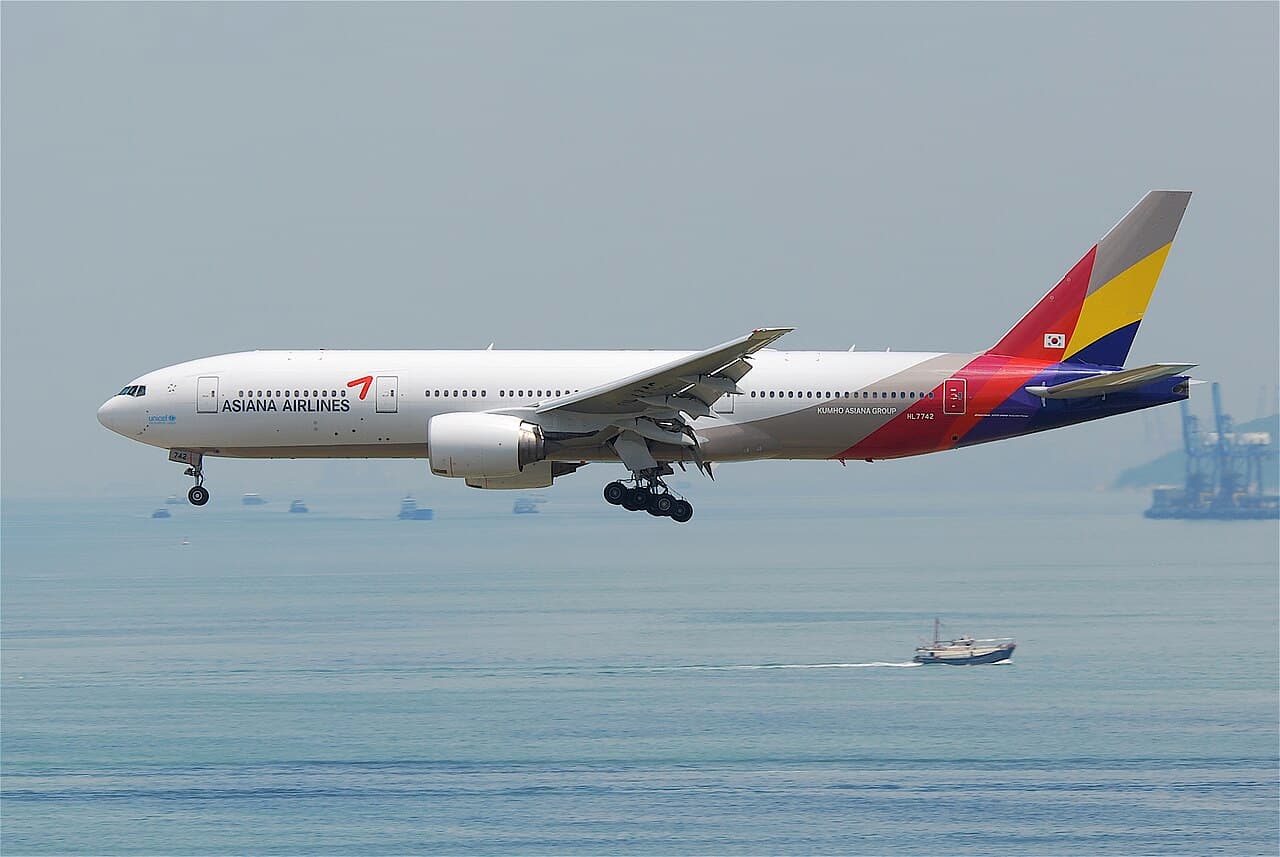
American Airlines Plans for Next Widebody Fleet as 777-200ERs Near Retirement
For more than two decades, the Boeing 777-200ER has been one of the cornerstones of…
The Daily Touch & Go
The day's best aviation news in your inbox. Free, no spam.