

Illustration: The Touch & Go
UK Defence Investment Plan boosts Global Combat Air Programme and unmanned systems, trims older fleets
The UK Ministry of Defence unveils an £8.6 billion commitment to next-gen combat aircraft and expands drone projects while retiring legacy helicopters and ISR platforms.
The gist
UK Defence Investment Plan injects £8.6bn into future combat air projects, boosts unmanned systems, and phases out older helicopters and ISR aircraft.
The UK Ministry of Defence (MoD) has released its long-awaited Defence Investment Plan (DIP) on June 30, 2026, outlining a mixture of enhanced funding commitments to next-generation combat aircraft initiatives alongside the retirement of legacy platforms. This publication follows months of delay owing to funding debates, and presents an updated strategic pathway for British military aviation through to 2035 and beyond.
Central to the announcement is an £8.6 billion allocation over four years dedicated to the Global Combat Air Programme (GCAP). This multinational initiative, partnering the UK with Italy and Japan, aims to deliver a sixth-generation fighter aircraft for operational service by the mid-2030s. The DIP confirms that a forthcoming international contract will sustain investment in research, design, and technology development to realize this advanced capability.
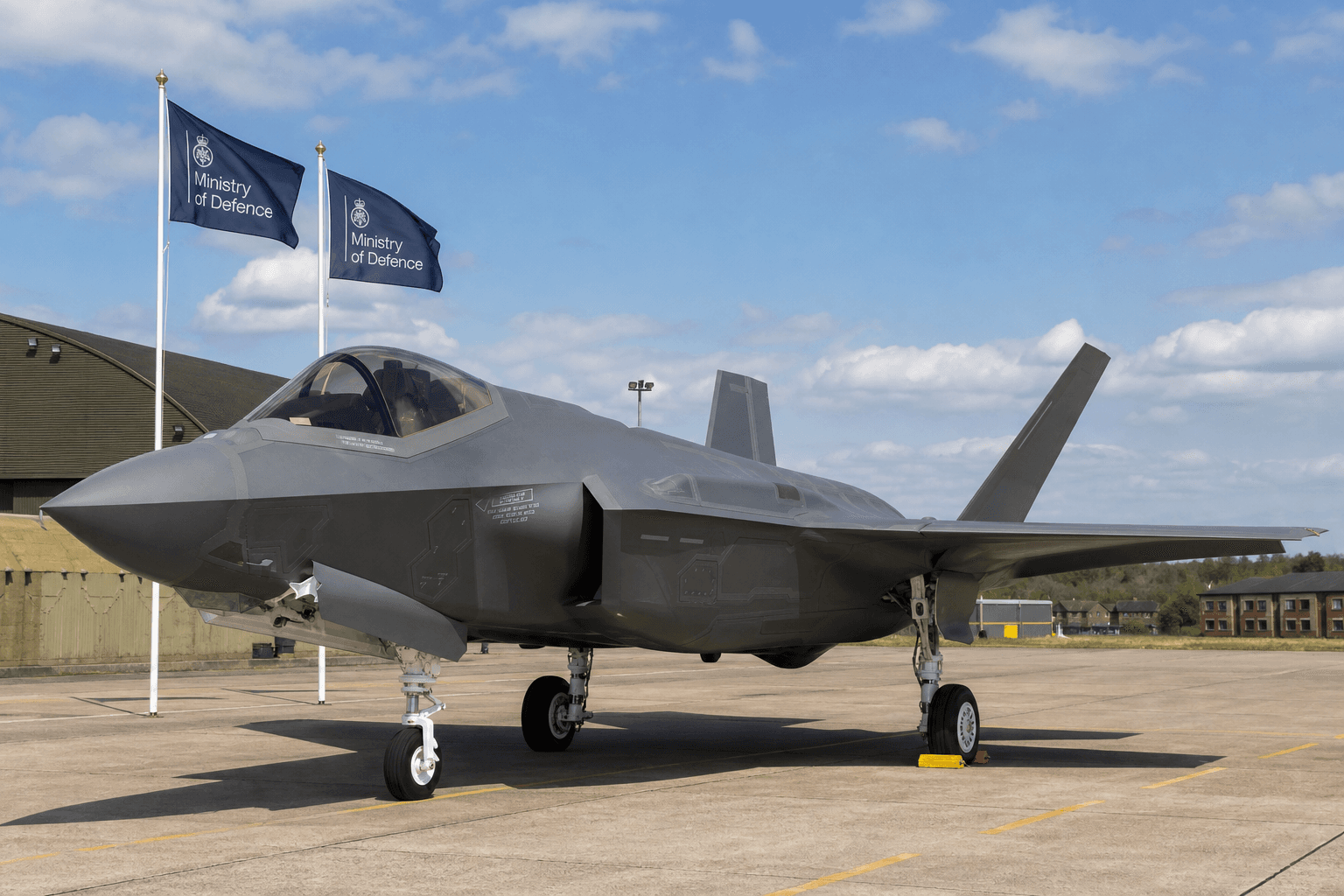
Alongside GCAP, the UK plans to acquire a new tranche of Lockheed Martin F-35 fighter jets. The order is split between 15 F-35B variants, which support short takeoff and vertical landing operations currently operated by the RAF and Royal Navy, and 12 F-35A conventional takeoff and landing variants slated to enter early 2030s service. The F-35A fleet will restore the UK's ability to carry nuclear armaments as part of NATO's dual-capable aircraft mission, reasserting a strategic nuclear commitment.
The plan also allocates £1.1 billion to sustain and upgrade the RAF's Eurofighter Typhoon fleet, securing the type's operational availability into the 2040s. This supports the UK’s air and missile defence capabilities and bolsters the aerospace industry, including export and employment benefits. The DIP specifies involvement in the Typhoon's Long Term Evolution programme vital for NATO's control of airspace.
A notable emphasis is placed on uncrewed and autonomous combat aircraft development, with £300 million earmarked for demonstrating a UK Collaborative Combat Aircraft (CCA) capability before 2030. These autonomous platforms are envisioned to enhance sensor reach, carry additional missiles, and operate ahead of manned fighters to improve survivability and lethality. They will leverage a sovereign propulsion system and are expected to integrate into future integrated air and missile defence (IAMD) roles.
Investment also includes £240 million toward hybrid carrier air wing concepts, exploring the integration of jet-powered drones alongside the existing F-35B fleet under projects named Pantheon and Vanquish. Furthermore, £360 million is designated for overhauling the jet training system to support both domestic and international pilot development, maintaining a significant UK industrial role.
Despite these modernization efforts, the DIP details several platform retirements. Early phased retirement of Leonardo Wildcat battlefield reconnaissance helicopters will commence in 2027 to facilitate procurement of new Boeing CH-47F Chinooks and Leonardo AW149 helicopters. The oldest Chinooks will also be retired as they reach maintenance milestones. Additionally, the RAF's Raytheon UK Shadow R1 intelligence, surveillance, and reconnaissance aircraft are slated for retirement following cancellation of a King Air 350CER upgrade program.
The DIP totals military spending commitment to £298 billion by the end of the decade, reflecting a recent £15 billion uplift. Annual expenditure is set to grow from £74 billion in 2027 to £80 billion by 2029, approaching 2.7% of the UK’s GDP—a rise from current levels, with plans to reach 3% during the next parliamentary term. This increased fiscal envelope underpins the UK's strategic intent to modernize and maintain competitive defense capabilities.
Read more
All Military/Defense →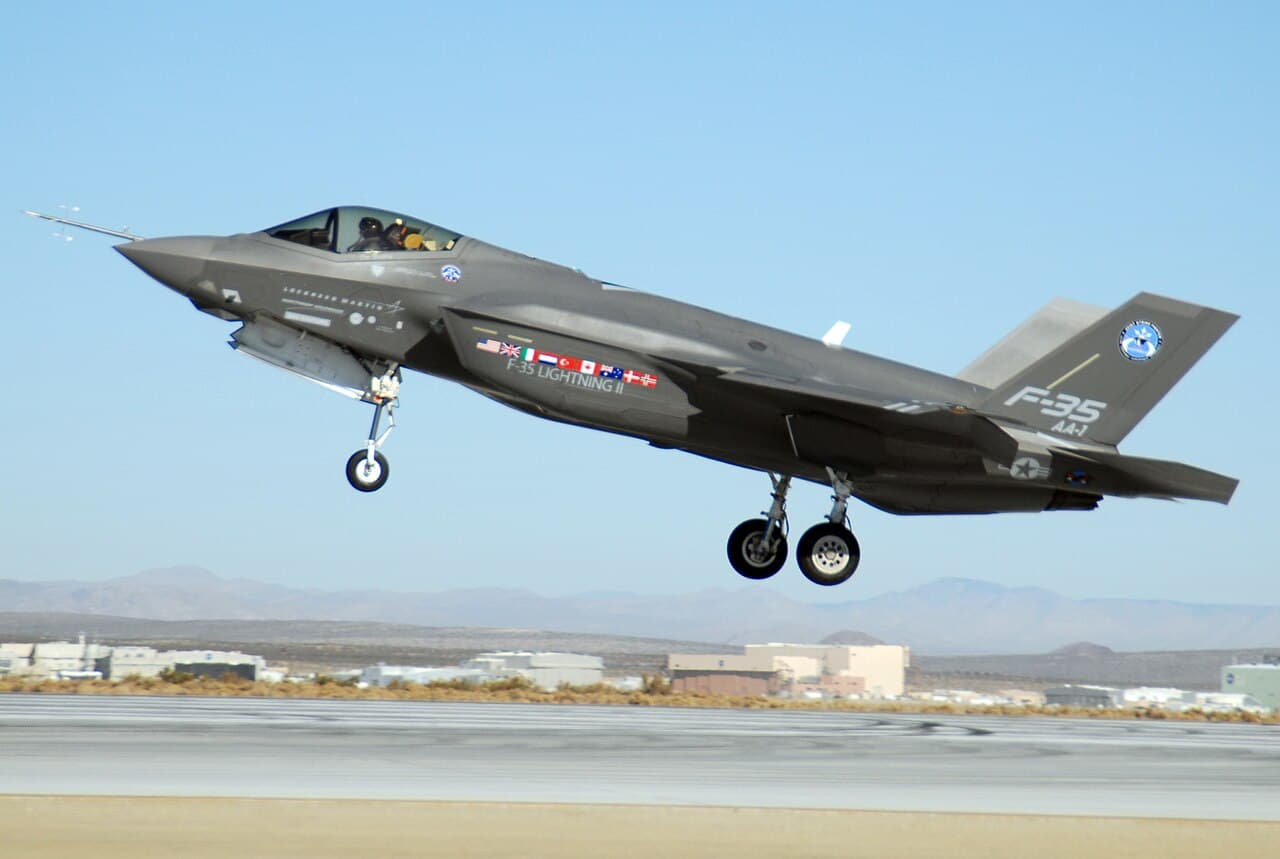
World's Stealth Fighter Landscape in 2026 Divided Between F-35 Allies and Sino-Russian Blocks
According to TheWorldData's 2026 F-35 statistics roundup , the global Lockheed Martin F-35 fleet has already passed 1,300 aircraft delivered across 17 or more nations, dwarfing every other stealth fighter program combined. Everyone else on Earth flying stealth fighter jets in 2026, such as China, Russia, and their allies, is flying something else entirely, built by a different country, sold under different rules, and answering to a different set of allies.
Multiple Drones Breach Restricted Airspace Over Australia's RAAF Base Williamtown
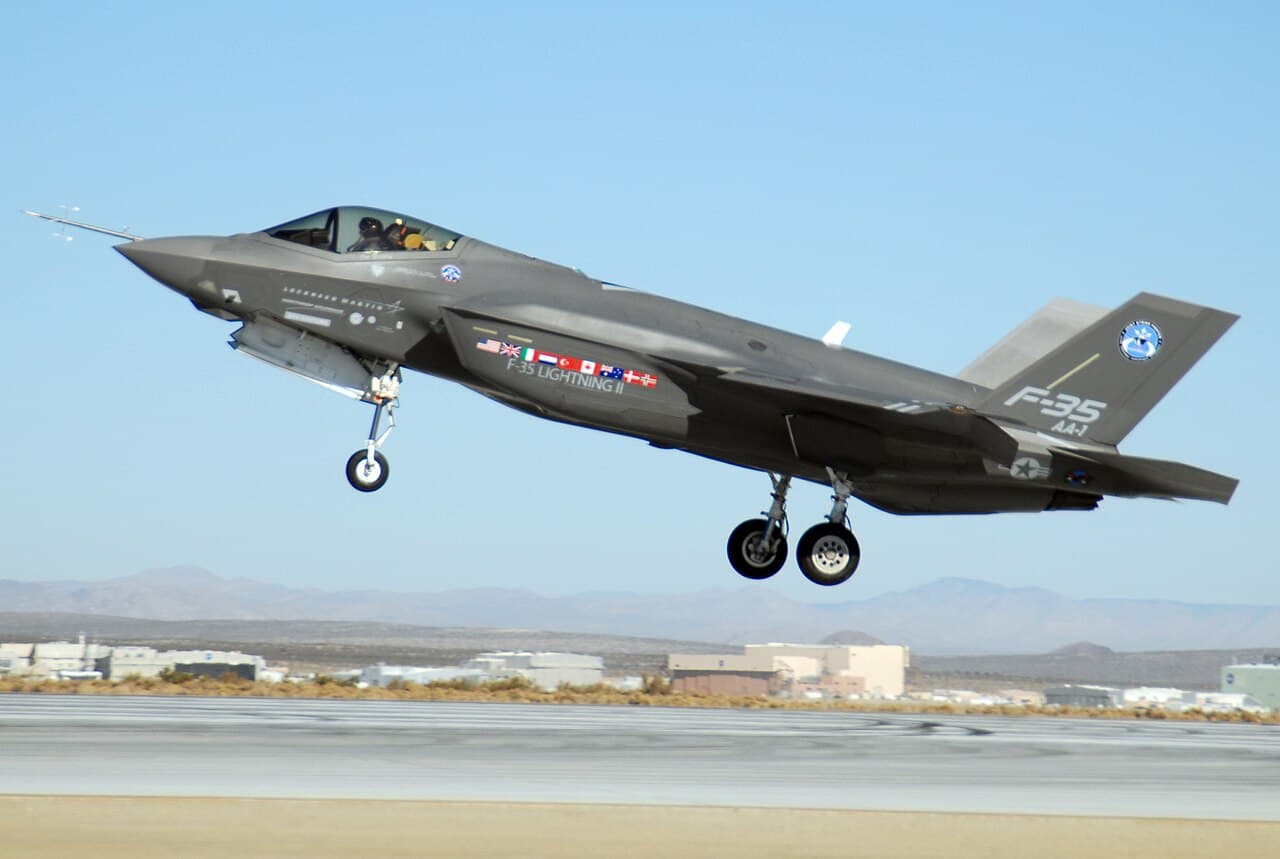
Multiple unidentified drones repeatedly entered restricted airspace around one of Australia's most sensitive military air bases recently, raising questions about how well the country can protect its F-35 fighters and other high-value aircraft from small unmanned aircraft. The drones were reported over RAAF Base Williamtown and neighboring Newcastle Airport in New South Wales between July 11 and 13, 2026, according to Australian media reports. Australia's Department of Defence has acknowledged the incidents, while Defence Industry Minister Pat Conroy said the broad reporting about the number of drones and the days they appeared was accurate. Authorities have not identified the operators or indicated why the drones were there. Williamtown, about 20 miles north of Newcastle, is Australia's main fighter training base and houses most of the Royal Australian Air Force's Lockheed Martin F-35A Lightning II fleet. The base also operates Boeing E-7A Wedgetail airborne early warning and control aircraft, Hawk 127 trainers and Pilatus PC-21 trainers. Newcastle Airport operates from the same airfield under an agreement with the Australian Department of Defence. The Daily Telegraph, which first reported the incursions, said multiple drones were confirmed in restricted airspace during the three-day period. Personnel at Williamtown were reportedly instructed to close window blinds to prevent sensitive information from being viewed or photographed. None of the drones was reported recovered or publicly identified. The incidents were referred to the New South Wales Police Counter-UAS Unit. Conroy said on August 10 that the police investigation has since been completed, but he did not disclose its findings. He also declined to say whether the drone activity disrupted military or civilian flight operations or what, if any, counter-drone measures were used. "We have robust layered security measures to protect our personnel, our bases and our capabilities," Conroy told ABC Newcastle. Australia changed its Defence Regulations last year to give military personnel authority to seize, disable or destroy drones. Conroy said the government is also investing heavily in technology intended to detect and defeat unmanned aircraft. The unexplained flights have prompted concern from Australian defense experts because small commercial drones can be used for surveillance as well as attacks against aircraft and infrastructure. There is no public evidence linking the incursions to a foreign government or establishing that the drones were conducting surveillance.
UK delays delivery of expanded F-35 fleet until early 2030s amid strategic and logistical challenges
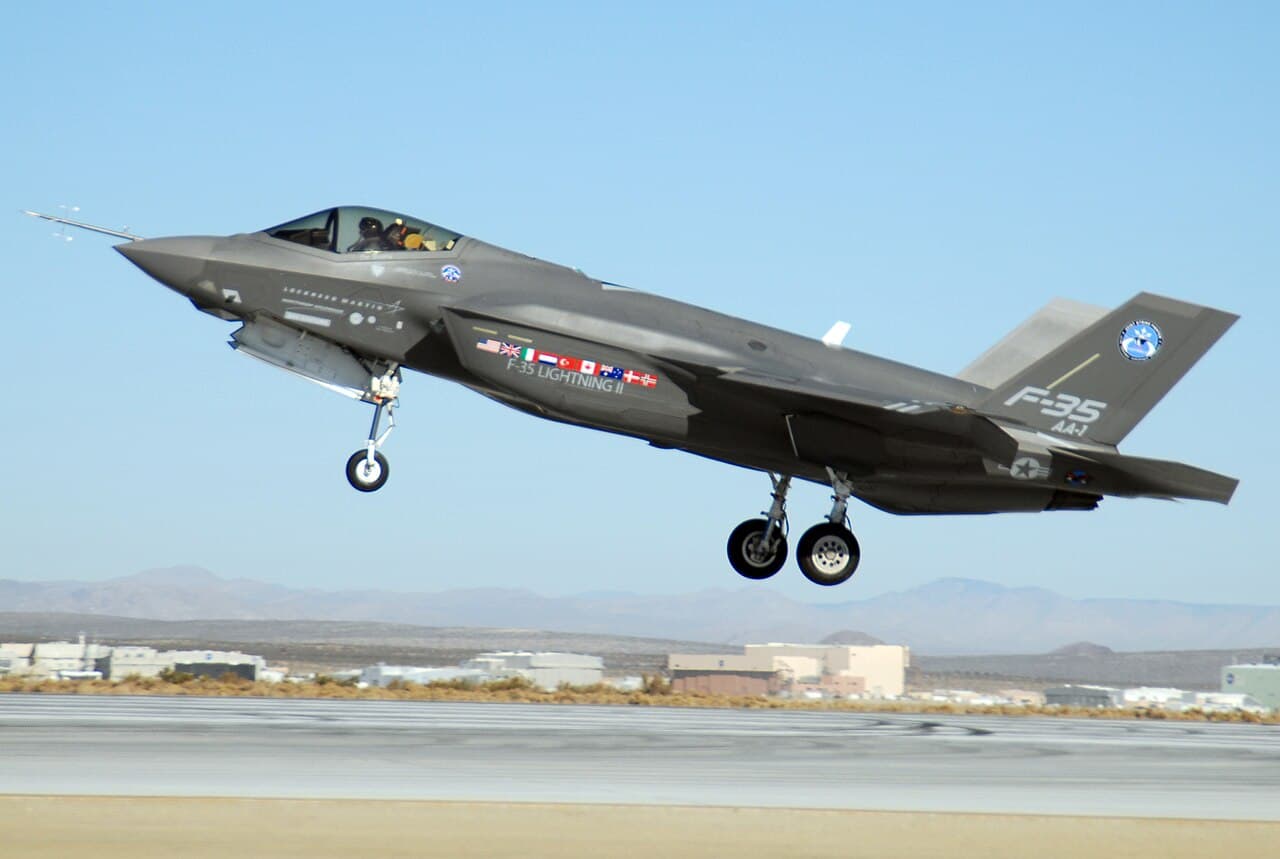
Due to severe worldwide backlog pressures within the F-35 Joint Program Office and a strategic procurement delay by the Ministry of Defense, the United Kingdom will not receive any new Lockheed Martin F-35 Lightning II jets from its enlarged fleet order until the early 2030s. The upcoming batch introduces the F-35A variant to the UK fleet for the first time, intended to fulfill NATO nuclear-sharing missions.
US Controls All F-35 Mission Data Updates, Grounding Allied Squadron Autonomy
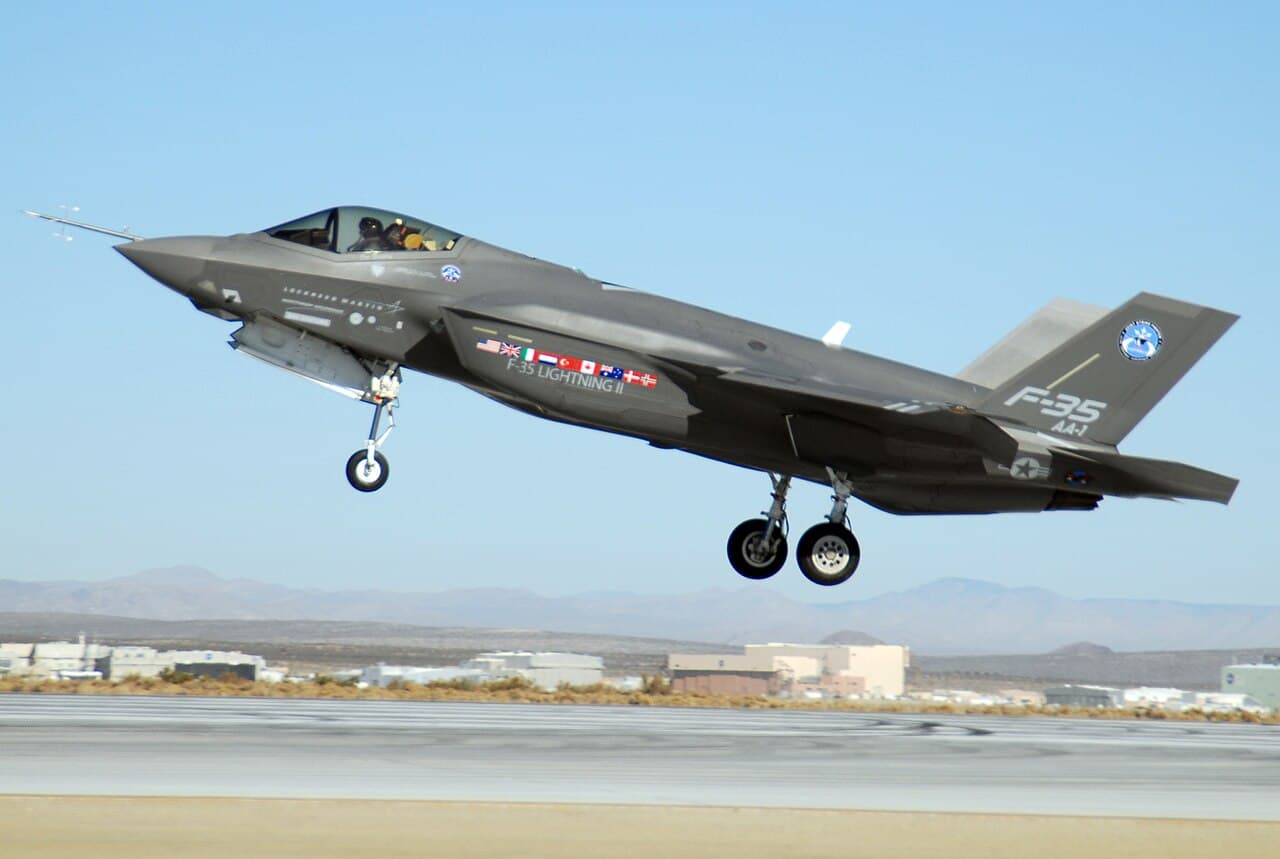
The Lockheed Martin F-35 Lightning II is one of the most important weapon systems developed in the 21st century. It represents a major paradigm shift for air power not only in the US Air Force, but the Navy and Marines as well as 19 other US Allied partner nations around the world that are part of the global fleet. In addition to being the most expensive defense industrial project in history, it is also one of the most closely guarded classified projects to ever become a multinational defense program.
The Daily Touch & Go
The day's best aviation news in your inbox. Free, no spam.