


SAS CEO Anko van der Werff to lead Air Canada starting early 2027
Anko van der Werff will step down as SAS CEO in early 2027 to become Air Canada's new chief executive, succeeding Michael Rousseau upon his retirement.
The gist
Anko van der Werff is set to move from SAS CEO to lead Air Canada in 2027, marking a major leadership shift for both airlines.
Continuing coverage
All Air Canada →- Air Canada Expands US Widebody Flights by 35% This Summer on Key Routes
- Air Canada operates 440-seat Boeing 777-300ER on eight key routes from Montréal hub
- Air Canada to launch Airbus A321XLR on key US routes from Montreal and Toronto
- Former Air Canada Pilot Charged After Allegedly Flying 17 Years Without Valid License
- Air Canada's A321XLR Features 14 Business Seats Without Premium Economy to Boost Route Flexibility
Anko van der Werff, the Dutch CEO of Scandinavian Airlines (SAS), has notified the SAS board that he will leave his role in early 2027 to take over as CEO of Air Canada. Van der Werff's departure comes as Air Canada's current CEO, Michael Rousseau, prepares to retire at the end of August 2026 after nearly 20 years with the airline. During the transition period, Air Canada's executive committee will oversee operations until van der Werff officially begins his tenure.
Van der Werff joined SAS in 2021 amid significant financial and strategic challenges for the Nordic carrier. Since then, he has spearheaded transformative changes including a major financial restructuring. Notably, the airline's shareholder base shifted with Air France-KLM and investment firm Castlelake becoming key investors. In a strategic move under his leadership, SAS left the founding Star Alliance group to join SkyTeam, enhancing its global partnerships and market reach.
On the product front, van der Werff reintroduced business class on European routes, seeking to enhance customer experience and cater to premium travelers. He also laid strategic groundwork for SAS’s fleet modernization, emphasizing the need to renew the airline’s aircraft to improve efficiency and competitiveness in the market.
Under van der Werff's direction, SAS recently announced the largest aircraft order in its history at a high-profile media event held in Copenhagen. The order includes up to 40 widebody Airbus A330 family jets aimed at boosting SAS's long-haul capabilities and capacity. This substantial investment aligns with the airline's growth and modernization strategy moving forward.
Prior to the A330 order, in July 2025, van der Werff committed to acquiring up to 55 Embraer E195-E2 regional jets to enhance SAS’s short-to-medium haul fleet. These acquisitions represent a comprehensive approach to fleet renewal encompassing both regional and long-haul aircraft.
At Air Canada, van der Werff will replace Michael Rousseau, who steps down after an extensive career with the carrier. Rousseau will assist with the leadership transition and remain available as a resource to van der Werff. Rousseau faced controversy in March 2026 concerning his response to a Jazz flight crash, which sparked discussion about adherence to Canada’s bilingualism policies.
The leadership change at Air Canada comes as the carrier looks to build on its recovery and growth amid challenges in the North American market. Van der Werff’s multi-airline executive experience, including roles at Avianca, Aeroméxico, Qatar Airways, and KLM, positions him to navigate the competitive environment and optimize Air Canada’s network and operations.
Van der Werff’s move marks a significant change for SAS as the airline prepares to transition leadership after a period of deep strategic realignment. His successor at SAS will likely inherit an airline with a renewed capital structure, an evolving alliance footprint, and an ambitious fleet development plan shaped under his guidance.
Read more
All Airlines →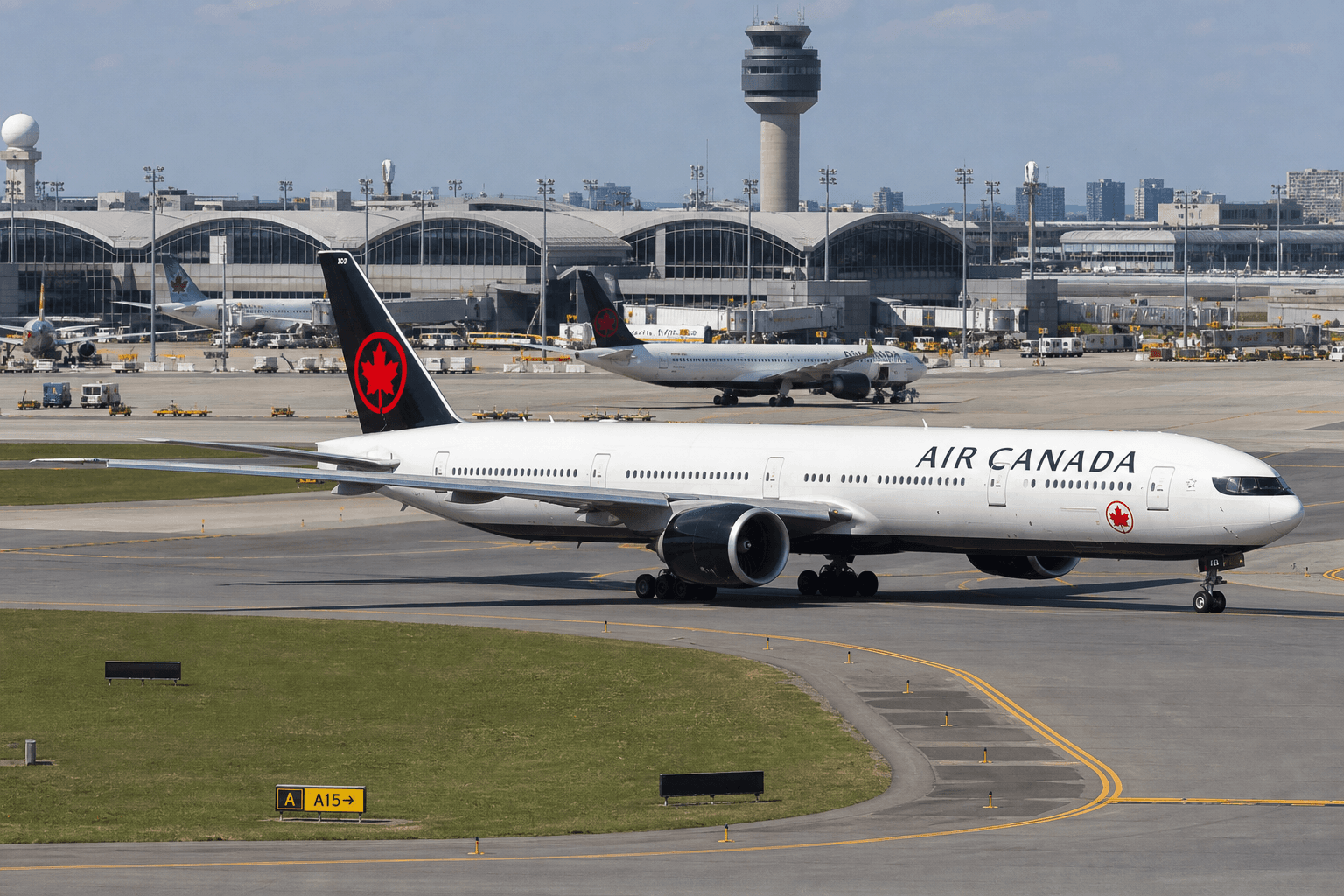
Air Canada Expands US Widebody Flights by 35% This Summer on Key Routes
Air Canada's bold move to increase widebody flights to the US by 35% this summer signals a surge in trans-border travel.
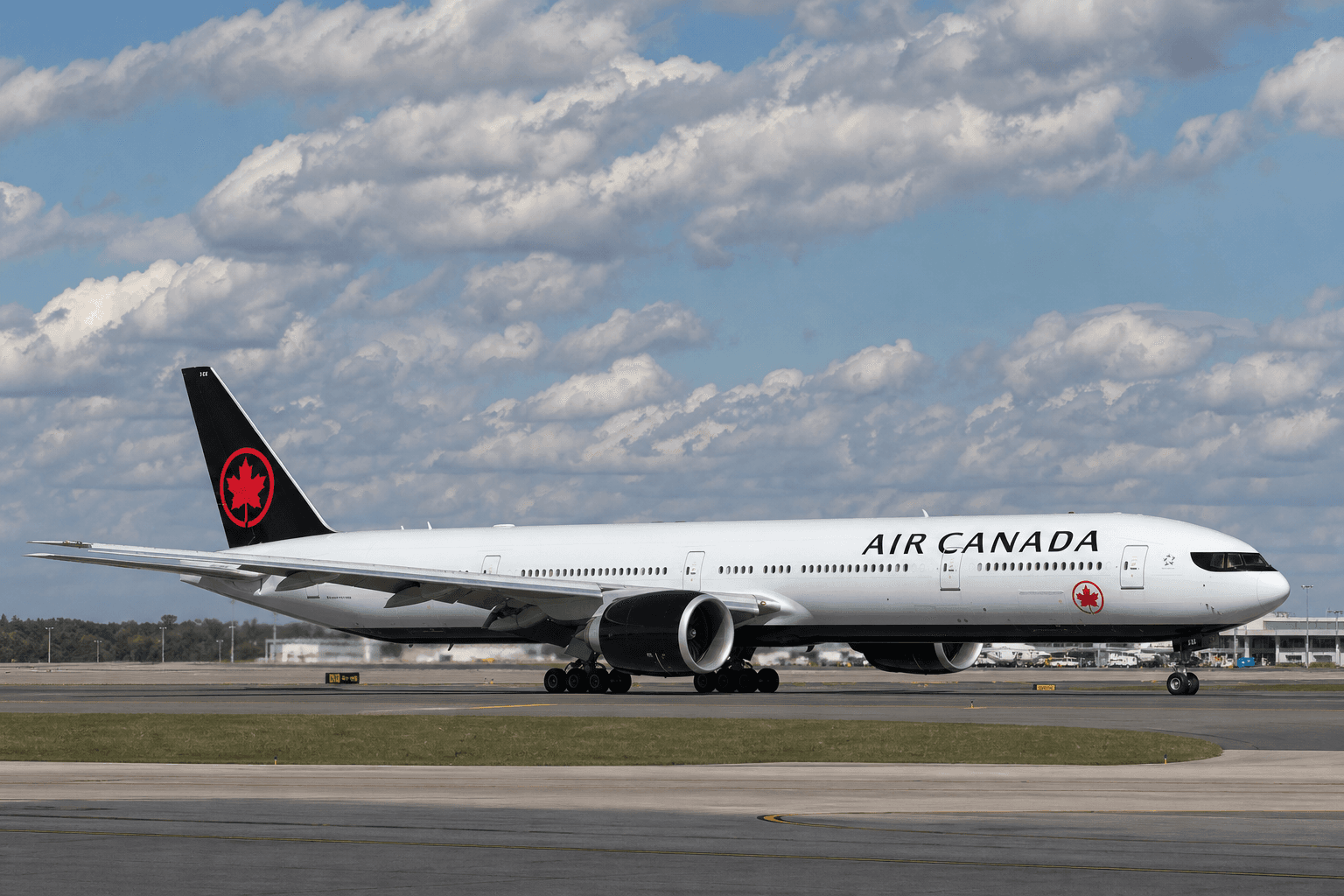
Air Canada operates 440-seat Boeing 777-300ER on eight key routes from Montréal hub
Recently reduced from 450 seats, the new configuration operates domestically and internationally. Find out more here!
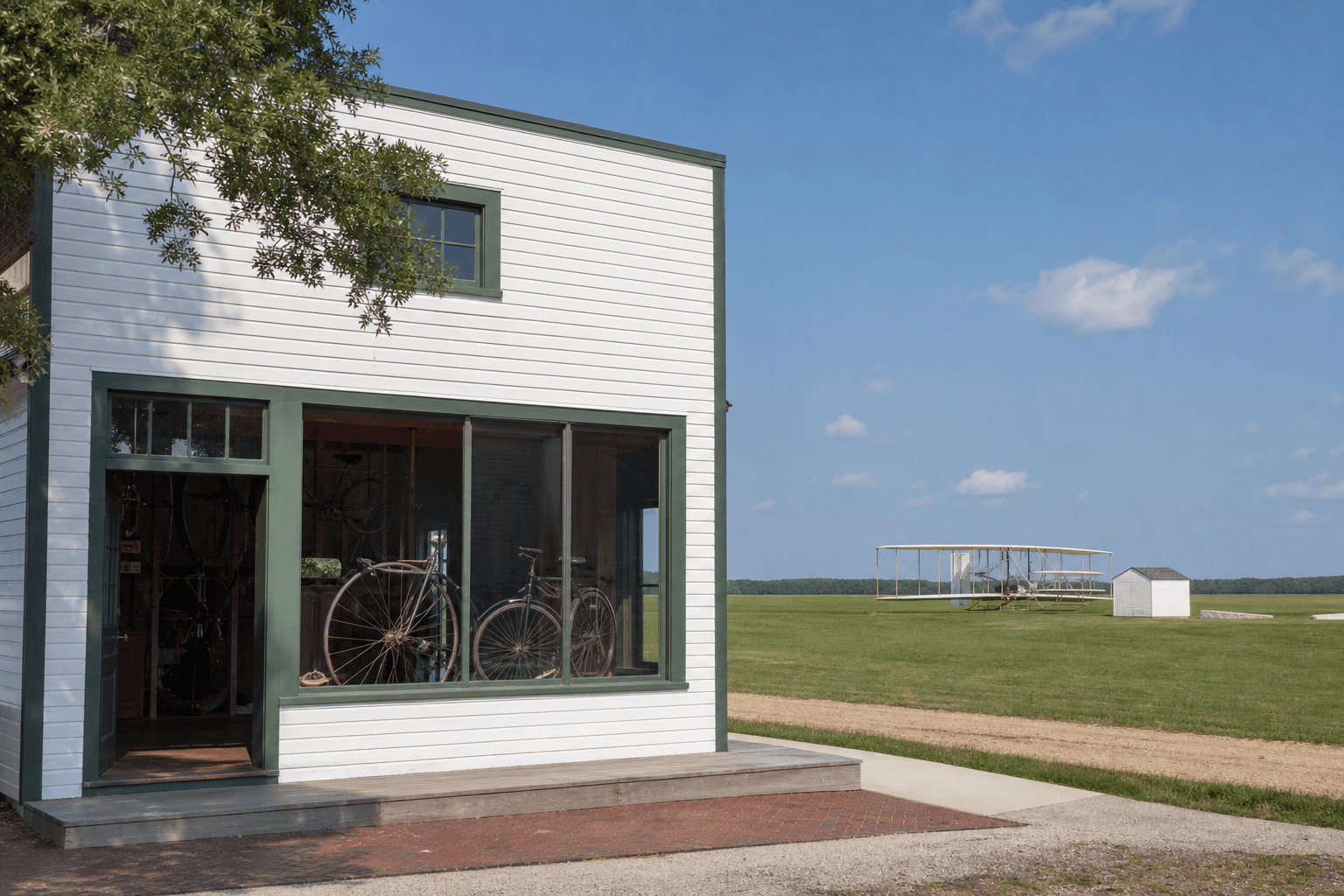
Wright Brothers Dayton Sites Added to Irreplaceable America List for Aviation Heritage Preservation
The Wright brothers' Dayton, Ohio, landmarks have been named to the World Monuments Fund's "Irreplaceable America" list, recognizing the sites where aviation history was made. The designation highlights the locations where Wilbur and Orville Wright developed the technology that made powered flight possible while emphasizing the importance of preserving America's aviation heritage. It covers a collection of sites connected to Wilbur and Orville Wright's work, including Huffman Prairie Flying Field, where the brothers conducted flight testing and advanced their aircraft designs; the Wright Cycle Company building; the Wright & Wright Printing Company; and the Wright family home, Hawthorn Hill. The Dayton locations showcase how the brothers moved from experimentation in their bicycle shop to creating a practical flying machine that changed transportation worldwide. Their work culminated in the first successful powered flights at Kitty Hawk, North Carolina, in 1903, followed by years of testing and refinement in Dayton. The World Monuments Fund's "Irreplaceable America" initiative is designed to bring awareness to historically significant places and encourage preservation efforts through partnerships, funding and public engagement.
![7-Hour Flights: JetBlue's Longest Nonstop Airbus A220 Routes Revealed [Map]](/_next/image?url=https%3A%2F%2Favoibnodqwjxlpbhunuu.supabase.co%2Fstorage%2Fv1%2Fobject%2Fpublic%2Fstory-images%2Fai%2F7-hour-flights-jetblue-s-longest-nonstop-airbus-a220-routes-revealed-map-802f2393.png&w=3840&q=75)
JetBlue Flies Longest Airbus A220 Routes Up to 6.5 Hours, Deploying Smaller Jets Strategically
The latest data shows that JetBlue's longest flight with the Airbus A220 is close to seven hours. Historically, airlines were forced to operate larger aircraft on routes with lower demand, purely because of the range capabilities of the aircraft. However, technological advancements have allowed for narrowbody aircraft to be able to fly for longer durations, covering more distance than ever before.
The Daily Touch & Go
The day's best aviation news in your inbox. Free, no spam.