
Researchers Reveal Rapid 60-Second Hardware Hack on Boeing 737 Avionics Systems
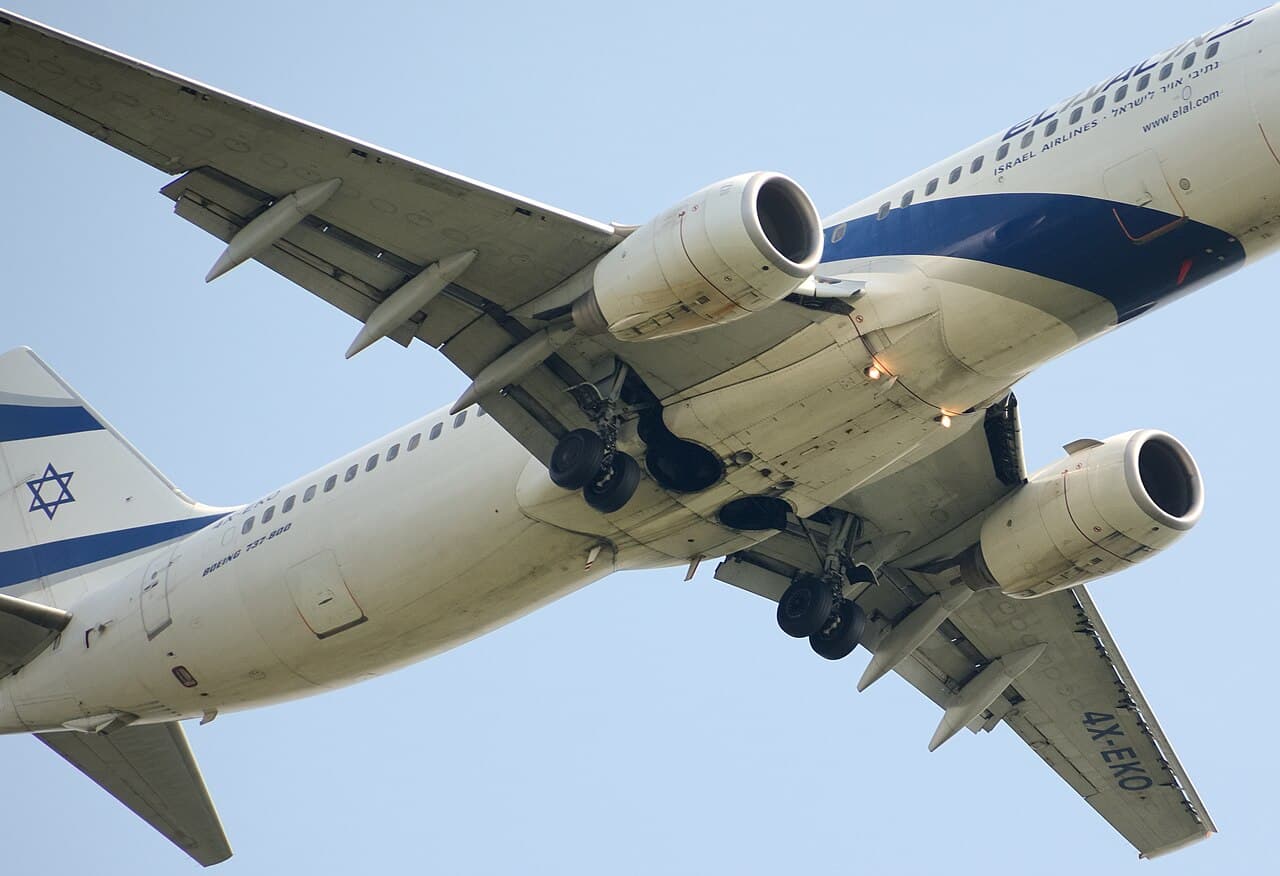
Researchers from UC San Diego and Oberlin College on Thursday presented a proof-of-concept hardware attack that could interfere with communications between critical avionics systems on Boeing 737 Next Generation and MAX aircraft. The device can be installed during roughly 60 seconds of physical access on the ground, according to the research presented at the USENIX Security Symposium. The team demonstrated the attack on a testbed built from authentic 737 components and software rather than an operating aircraft. Device Targets Maintenance Connection The researchers identified an unused maintenance connector inside the 737 Electronics and Equipment bay. The bay sits below the aircraft’s nose and can be accessed from the ground. Their paper estimates an attacker could open the access hatch in 15 seconds, install the device in about 30 seconds and close the hatch in another 15 seconds. The implant targets ARINC 429 data buses between the flight management computer and the multipurpose control display unit. Researchers demonstrated that the device could alter flight-plan information and values used for weight, balance and takeoff calculations while suppressing indications of some changes on the pilot’s display. "This is something the aviation industry will want to plan to defend against," UC San Diego professor Stefan Savage told WIRED. "I would not sleep on this one." The researchers said the attack would require advance planning, technical knowledge and physical access to the aircraft. Their paper says the findings apply to 737 NG and MAX models, which account for more than 95% of the active 737 fleet. Boeing Reviewed Findings The research team first disclosed the vulnerability to Boeing in 2020 and later demonstrated the attack in a Boeing laboratory. Boeing told WIRED that it reviewed the relevant component designs, installations and interfaces after receiving the researchers’ findings. The company said existing protections in the aircraft and its operating environment substantially reduce the feasibility and risk of a real-world attack. "Our technical experts are confident that the layers of protection in place on the airplane, including within the system design and the operating environment, provide sufficient mitigation to significantly limit the feasibility and risk of real-world attacks," Boeing told WIRED . Pilots could override changes to the autopilot by taking manual control, the researchers noted, and some correct information would remain available through other cockpit displays. The team proposed several possible defenses. Those include removing or permanently blocking the unused connector, adding software capable of detecting the attack, increasing electrical isolation between systems and eventually adding authentication to avionics data communications.