

Illustration: The Touch & Go
2021 Cirrus SF50 G2+ Vision Jet Offers Immediate Availability and Advanced Safety Features
A 2021 Cirrus SF50 G2+ Vision Jet combines pressurized comfort, intuitive avionics, and emergency safety systems, available now with just over 600 hours.
The gist
This 2021 Cirrus SF50 G2+ Vision Jet delivers jet comfort, intuitive controls, and lifesaving features with immediate availability for $2.9 million.
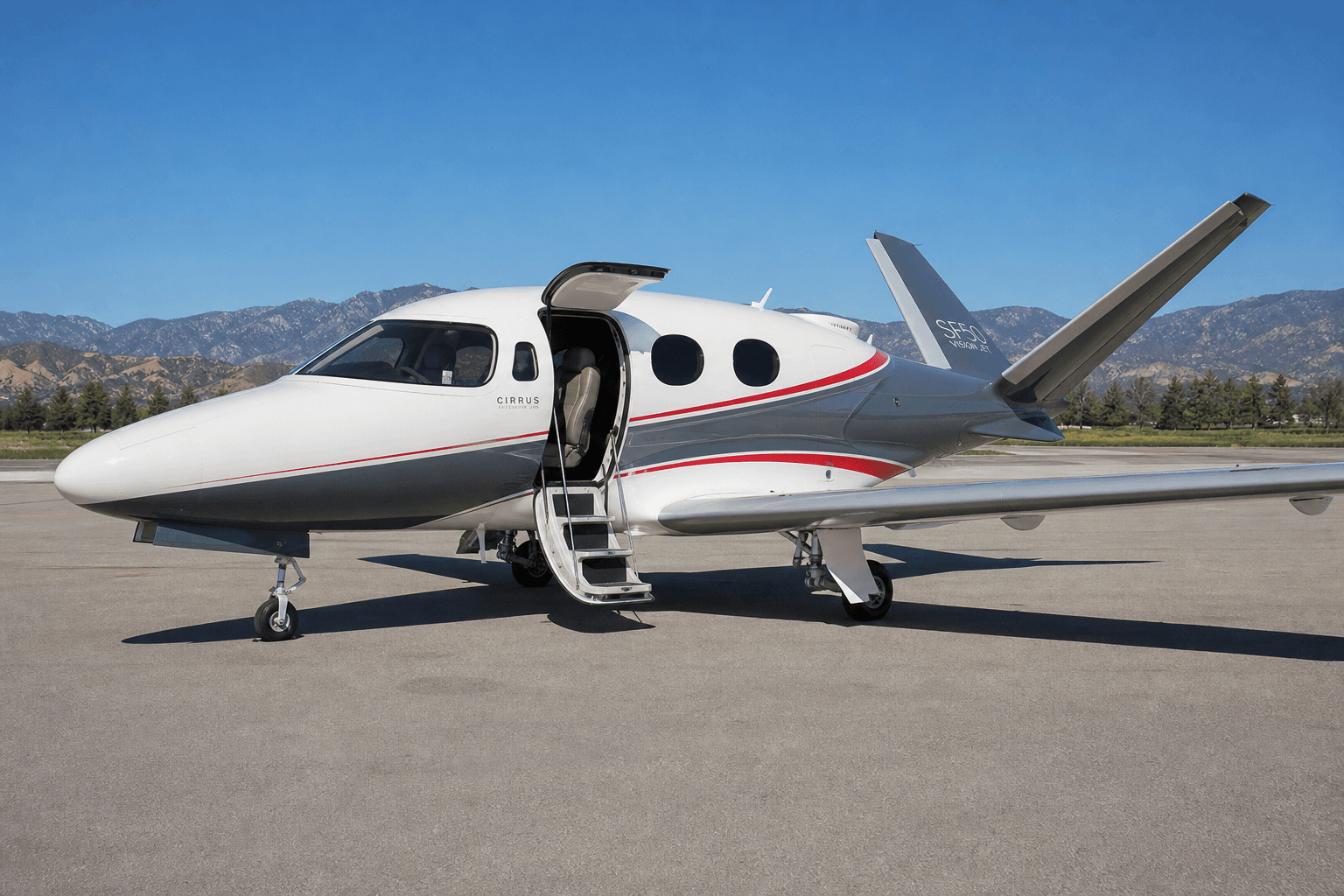
The Cirrus SF50 G2+ Vision Jet stands out as a compelling option for pilots seeking the convenience and performance of a light jet without prolonged delivery delays. This 2021 model, currently listed on AircraftForSale for $2.9 million, features 615 hours since new, providing a near-new experience with immediate availability, a rare advantage in an era when new Vision Jet orders can carry waiting times exceeding a year.
Designed with family travel in mind, the Vision Jet provides passengers with a smooth, airline-style experience rarely found in light jets. The aircraft's air stair entry enhances this impression, offering ease of access and a familiar boarding process that contributes to passenger comfort. The cabin is pressurized, supporting efficient high-altitude cruise at speeds up to 300 knots true airspeed, increasing cross-country travel speed while keeping passengers comfortable.
Safety is a cornerstone of the Vision Jet’s design. It incorporates Cirrus’s hallmark airframe parachute system, capable of safely bringing the entire aircraft down in the event of critical emergencies such as engine failure or loss of control. Complementing this, the jet is equipped with the Safe Return Emergency Autoland system. This innovative technology allows passengers to initiate a completely automated landing if the pilot becomes incapacitated, significantly enhancing survivability in extreme scenarios.
The avionics suite is equally impressive and pilot-friendly. The aircraft features Garmin’s Perspective Touch+ system with dual 14-inch high-resolution displays that serve as primary flight displays and multifunction displays. The configuration includes a digital audio panel, dual WAAS GPS/Nav/Com radios, enhanced data logging, ADS-B In and Out with traffic and weather services, terrain and obstacle awareness, dual attitude heading reference systems (AHRS), and a three-axis digital autopilot.
Operationally, the Vision Jet is ready for diverse conditions. This particular 2021 model is equipped for flight into known icing conditions, a critical capability for safety in inclement weather. Additional cockpit and cabin features include air conditioning for passenger comfort, a stick shaker and pusher system to prevent stalls, a custom Xi interior and exterior package, seating for seven occupants, and multiple USB ports for connectivity and device charging.
Cirrus’s unique V-tail configuration not only gives the SF50 a distinctive aerodynamic profile but also contributes to its efficient cruise performance. The aircraft’s combination of range, speed, and comfort positions it as an ideal step up for pilots transitioning from piston or turboprop aircraft who want the agility of a light jet without the complexity of larger models.
The aviation market facing year-long waits for new Vision Jets makes this 2021 example particularly attractive for buyers seeking immediate entry into the light jet category. With its blend of modern safety technologies, pilot-friendly systems, and proven operational capabilities, it provides a turnkey solution for owner-pilots and charter operators alike.
Potential buyers should also note the availability of financing options through platforms like FLYING Finance, which can assist with loan calculations and aviation-specific financial consultations, making aircraft acquisition more accessible. This distribution of tools and technology emphasizes Cirrus’s effort to democratize high-performance light jet ownership with safety and convenience at the forefront.
Read more
All Aviation Safety →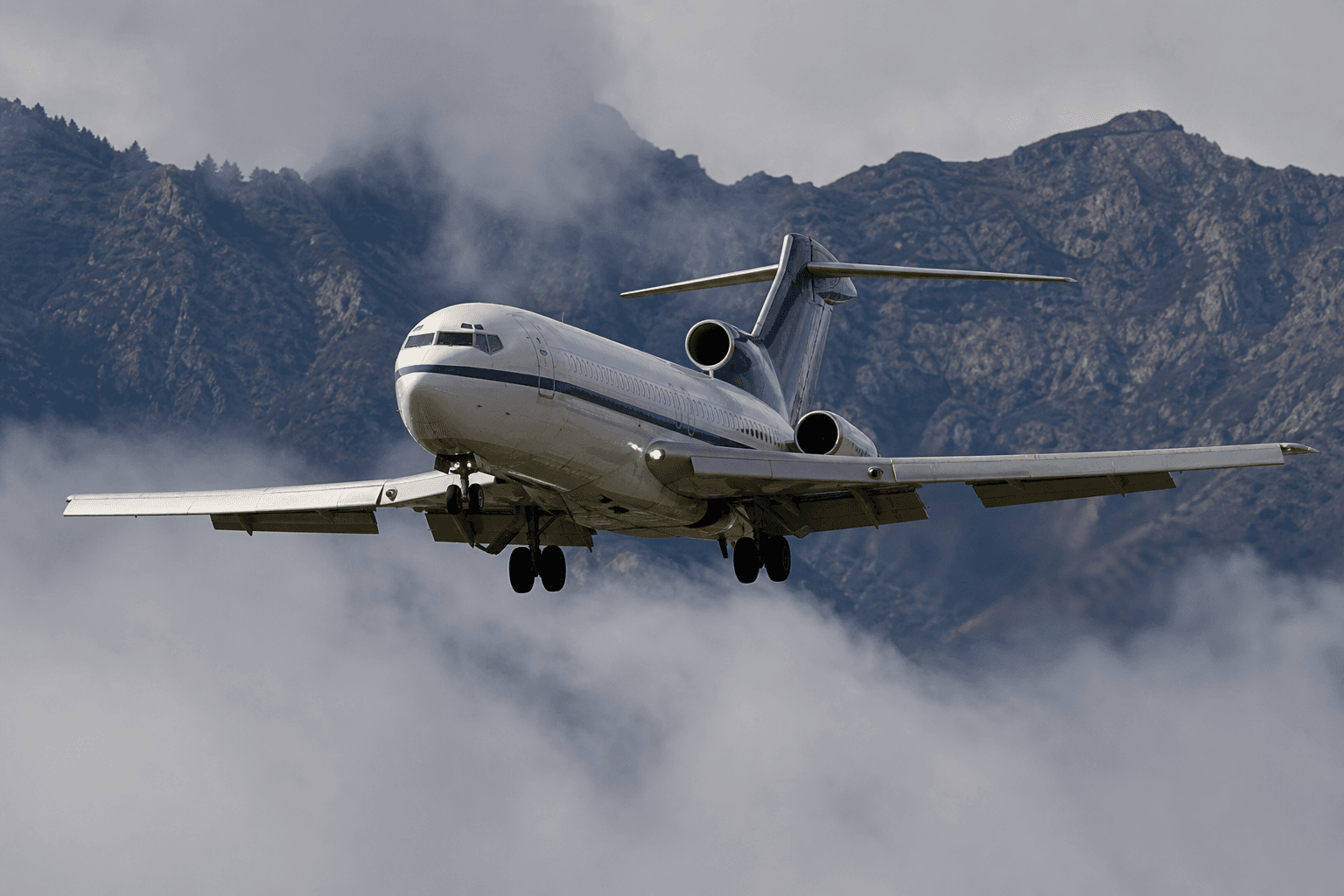
Dan-Air Flight 1008 Crashes Into Tenerife Mountain Killing All 146 Onboard
On 25 April 1980, tragedy struck one of Britain’s best-known independent airlines when a Dan-Air London Boeing 727 crashed into a mountainside while approaching Tenerife in the Canary Islands. The loss of Flight 1008 claimed the lives of all 146 passengers and crew on board, making it the deadliest accident in Dan-Air’s history and one of the worst aviation disasters involving a British airline at the time. A Holiday Flight to Tenerife The accident aircraft. Photo: Rob Hodgkins Dan-Air Flight 1008 was a charter service from Manchester to Tenerife North Airport (then known as Los Rodeos), carrying 138 holidaymakers and eight crew aboard a Boeing 727-46 registered G-BDAN. Built in 1966, the trijet had joined Dan-Air’s fleet in 1974 after earlier service in the United States. By 1980 it had accumulated more than 30,000 flying hours and was one of several Boeing 727s that had joined the airline. The flight across the Bay of Biscay and into the Canary Islands was routine. Weather around Tenerife, however, was less forgiving. Low cloud obscured the mountainous interior of the island, requiring aircraft to rely entirely on instrument procedures during their approach. Confusion During the Approach As Flight 1008 neared Tenerife North, it was sequenced behind a slower Iberia aircraft. Air traffic control instructed the Dan-Air crew to enter a holding pattern near the airport before commencing their approach. The problem was that this was not one of the published holding procedures available on the crew’s approach charts. Although the instructions were acknowledged, ambiguity over exactly how the hold should be flown soon led to a fatal navigational error. Instead of remaining clear of the island’s mountainous terrain, the Boeing 727 drifted towards high ground while descending. Unaware of the developing danger, the aircraft continued descending after being cleared to 5,000 feet—an altitude that was safe for the intended procedure, but not for the path the aircraft had actually taken. A Desperate Final Attempt Moments later, the Ground Proximity Warning System (GPWS) sounded, warning the crew that terrain lay directly ahead. The pilots immediately applied full power and attempted to climb away from danger. However, believing they were in a different position to where they actually were, the captain initiated a steep right turn. At 13:21 local time, the Boeing 727 struck the forested slopes of Mount La Esperanza while still in cloud. The aircraft broke apart on impact and was destroyed. There were no survivors. What Caused the Crash? The official Spanish investigation concluded that the accident was a classic example of Controlled Flight Into Terrain (CFIT), where an aircraft under full control is inadvertently flown into the ground. Investigators determined that the flight crew had incorrectly interpreted the unpublished holding procedure and descended into an area where the minimum safe altitude was far higher than the altitude they had been cleared to fly. However, the subsequent British conclusion to the investigation painted a more complex picture. It found that the instructions issued by air traffic control had been ambiguous and that the unpublished holding pattern itself was unsuitable for a Boeing 727 to fly accurately. The report also concluded that the aircraft should never have been cleared below 7,000 feet while operating in that area, noting that the assigned altitude of 5,000 feet left no safe terrain clearance. Rather than blaming a single error, the investigation highlighted how misunderstandings, unclear procedures and inadequate terrain protection combined to produce a catastrophe. Dan-Air’s Darkest Day The accident was a devastating blow for Dan-Air London. Founded in 1953, the airline had built an excellent reputation operating inclusive-tour charters, scheduled services and ad hoc flights across Europe. Its fleet of Comets, HS.748s, One-Elevens, 727s and later 737s became a familiar sight at British regional airports throughout the 1970s and 1980s. Although the airline continued to grow following the accident, Flight 1008 remained its worst-ever disaster involving fare-paying passengers. Dan-Air would eventually be acquired by British Airways in 1992, bringing one of Britain’s best-loved independent airlines to an end. Remembering Flight 1008 Dan Air 1008 Memorial in Manchester. Plucas58, CC BY-SA 4.0 <https://creativecommons.org/licenses/by-sa/4.0>, via Wikimedia Commons Today, more than four decades later, Flight 1008 is sometimes overshadowed by the far more widely known Tenerife Airport Disaster of 1977, which also occurred at Tenerife North Airport. Yet the accident remains a significant event in British aviation history. It reinforced the importance of clearly published instrument procedures, unambiguous air traffic control phraseology and maintaining safe terrain clearance at all times during instrument approaches. For those who remember seeing Dan-Air’s Boeing 727s arriving at airports around Britain, Flight 1008 also serves as a poignant reminder of an airline that played an important role in UK aviation—and of the 146 people whose holiday ended in tragedy on the slopes of Tenerife. Boeing 727 Special For more content on the classic Boeing 727 trijet airliner, Airport Spotting Premium members have access to the special edition July 2026 magazine packed full of articles and info. For this, and all the other content that comes with a Premium membership, you can sign up here . Title image: clipperarctic, CC BY-SA 2.0 <https://creativecommons.org/licenses/by-sa/2.0>, via Wikimedia Commons
Crew oversight led to Boeing 737 Max 8 slow, shallow take-off at Luton after intersection departure change
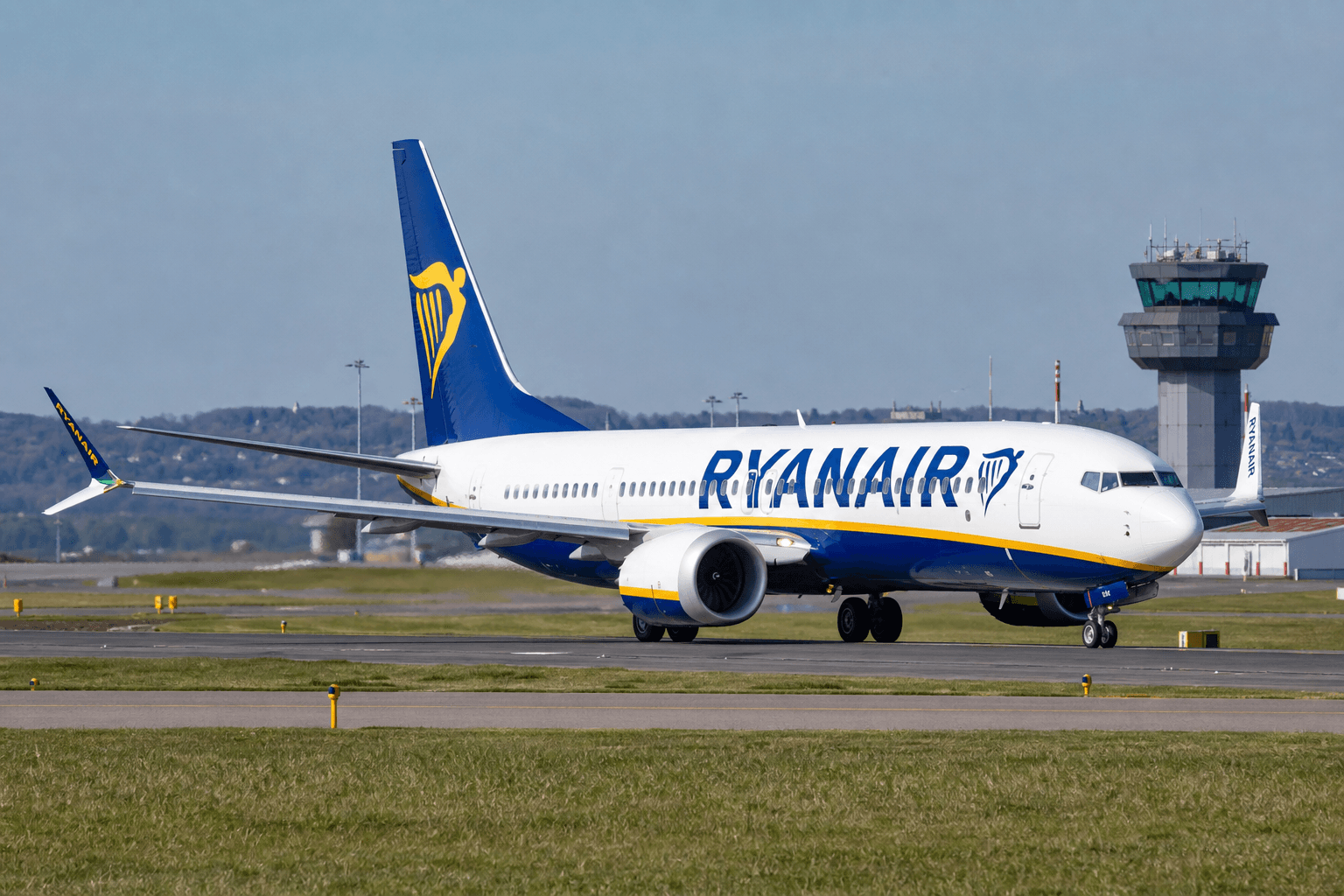
Pilots accepted intersection departure for Max 8 but did not update flight-management computer. UK investigators have determined that the crew of a Boeing 737 Max 8 did not update performance data after switching from a planned full-length runway take-off to an intersection departure. The crew of the Ascend Airways jet (G-CRUX) had informed London Luton air traffic control that they could accept a departure from intersection A of runway 25. But the pilots, who had originally intended a full-length take-off, failed to verify that the revised V-speed data had been correctly entered into flight-management computer. This resulted in a lower thrust setting than required. Flight-data analysis revealed that the maximum thrust during the take-off roll was 82.1% rather than the 85.2% needed. Available runway distance from intersection A was 1,771m — some 345m less than the full length. Owing to the low thrust, the take-off roll was "long", says the Air Accidents Investigation Branch, and the aircraft lifted off just 162m from the runway end — crossing it at a height of just 13ft. According to the inquiry the subsequent climb was "slow" and "very shallow". Air traffic control information stated that the aircraft appeared on radar to be climbing through 900ft about 0.8nm from the airport. "Under normal circumstances the aircraft would appear much closer to the airfield at that height," the inquiry says. It points out that an engine failure or loss of thrust during the take-off roll could potentially have resulted in an overrun. None of the 162 passengers and six crew members was injured during the occurrence on 22 April last year. Ascend Airways' UK division ceased operations in April this year.

Flight Attendant Numbers Determined by Safety Standards, Not Passenger Service
The number of flight attendants for each flight is carefully planned by the airline's operations department, and there are a number of deciding factors. Passengers would be hard-pressed to know exactly how many flight attendants would be needed for large aircraft types like the Boeing 777 or the Airbus A380. However, it's more obvious on smaller types like the Airbus A320 or Boeing 737, as all crew members are visible in the cabin.
NYC Fire and Police Use Drones to Assess Structural Damage at Midtown High-Rise
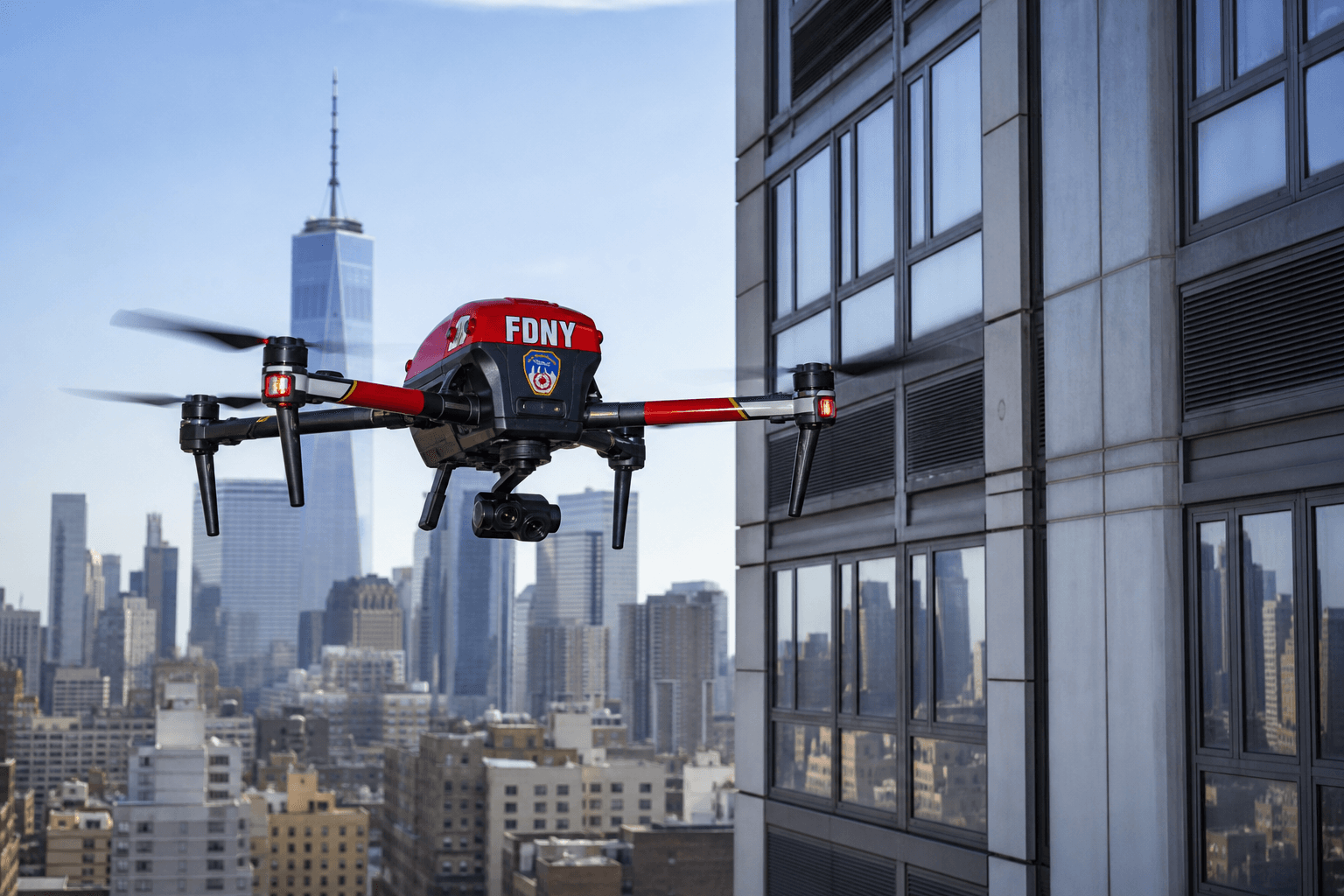
New York City Mayor Zohran Mamdani reported Wednesday morning that there have been no structural shifts to a Manhattan high-rise since damage to the building was uncovered Tuesday, leading city officials to fear a possible collapse. As part of the effort to assess the damage, the city's Fire Department (FDNY) deployed small drones before sending in people. Mamdani in a news conference on Tuesday said that "as we await the arrival of materials that will stabilize the building, [New York City Department of Buildings] engineers have been investigating with FDNY drones." Some New Yorkers captured the uncrewed aerial vehicles (UAV) on video. Mayor Zohran Mamdani said the Department of Buildings was investigating the scene of a structurally unstable building in Midtown using FDNY drones. A viewer spotted this drone flying in the vicinity of the building Tuesday afternoon. : @themarccuddy pic.twitter.com/Mt5PkFS5eN — Spectrum News NY1 (@NY1) July 7, 2026 Department of Buildings commissioner Ahmed Tigani said during the news conference that personnel were monitoring the building's "compromise point" and that the FDNY drones were "integral to watching and seeing how that movement happens." FDNY in a social media post said the aircraft "provided technical information and visuals for partner agencies as assessments are conducted." The drone the FDNY has been using to keep an eye on the building from above. pic.twitter.com/hGFmJiKDbA — Henry Rosoff (@HenryRosoff) July 7, 2026 The New York Times reported that overnight the New York City Police Department's (NYPD) Technical Assistance Response Unit flew another drone around the building. It captured two workers in hard hats inspecting the building's 20th and 21st floors, where support beams reportedly buckled. Since launching in 2018 , the NYPD's drone unit has grown immensely. Per the department's uncrewed aircraft systems (UAS) operations reports , it made just 23 deployments in the fourth quarter of 2019. In the first quarter of 2026, that figure was more than 2,500, which was actually a decline of nearly 300 operations versus the previous quarter. Per a 2024 news release , the NYPD uses drones to search collapsed structures and recreate interior floor plans with 360-degree views. Early that year, the department deployed UAVs to inspect bridges and buildings following a 4.8 magnitude earthquake. The agency cites several advantages of the program, including quicker deployment, improved situational awareness and safety for officers, and a lower cost of operation compared to helicopters. The drones' night vision, thermal imaging, and high-resolution image collection capabilities can assist search and rescue efforts and other investigations, it said. How New York City Uses Drones The New York Post this year reported that the FDNY's Robotics Unit, which comprises 12 pilots operating about 50 drones and quadruped robotic dogs, is now 11 years old. Per the report, officials find the UAVs useful for their thermal imaging capabilities—including for assessing structural weaknesses in buildings. "We still have a firefighter going up who's responsible for, you know, seeing what's going on on the roof," Captain Michael Leo, who heads the Robotics Unit, told the Post . "But now we're also 200 feet above the fire, viewing the entire roof, and we have a thermal imaging of what's happening at the roof skin." The NYPD's Technical Assistance Response Unit introduced DJI quadcopter drones in 2018 and is one of more than 1,000 police departments nationwide with a drone program. Its initial acquisition included 11 Mavic Pros, two M210 RTKs, and one Inspire 1. Early deployments focused on activities such as search and rescue, crime scene documentation, and traffic and pedestrian monitoring for large events. But their use is banned for routine patrols, traffic enforcement, or searches without a warrant. They also cannot be used as or equipped with a weapon. The department's fleet expanded in late 2024 with the launch of New York City's drone as first responder (DFR) program under former mayor Eric Adams. The city deployed two drones apiece to five precincts, bringing the NYPD's fleet to over 100 aircraft, and has continued the program under Mamdani. The DFR program was made possible after the department obtained FAA Part 107 authorization for beyond visual line of sight (BVLOS) operations without a visual observer. That approval opened up "shielded operations" up to 100 feet agl or within 50 feet of structures, paving the way for missions such as building inspections. Per the NYPD's first-quarter 2026 UAS operations report, more than 2,000 of its 2,595 deployments in the quarter were for DFR-related operations. Another 225 fell under "public safety, emergency, or other situation with the approval of the Chief of Department." New York is also one of the first U.S. cities to create a joint Drone Operations Committee , responsible for coordinating UAS efforts between the NYPD, FDNY, and other agencies. In 2024, the departments collaborated to monitor the city's beaches for sharks. Additionally, FAA-authorized NYPD officers use drones to respond to calls involving missing people, alerts from the city's ShotSpotter gunshot detection system, and other crimes in progress. Nationally, DFR and other law enforcement programs have exploded in recent years, which has raised scrutiny of their activities. Some residents of Washington, D.C., for instance, criticized the Metropolitan Police Department's (MPD) introduction of drones in 2025. Advocacy groups including the American Civil Liberties Union (ACLU) have chimed in on the issue, echoing the concerns of residents who fear undisclosed surveillance. The ACLU has called for greater oversight of "eye-in-the-sky" DFR programs, in particular.
The Daily Touch & Go
The day's best aviation news in your inbox. Free, no spam.