
Reliance and Rolls-Royce Collaborate to Develop Indigenous Engine for India's AMCA
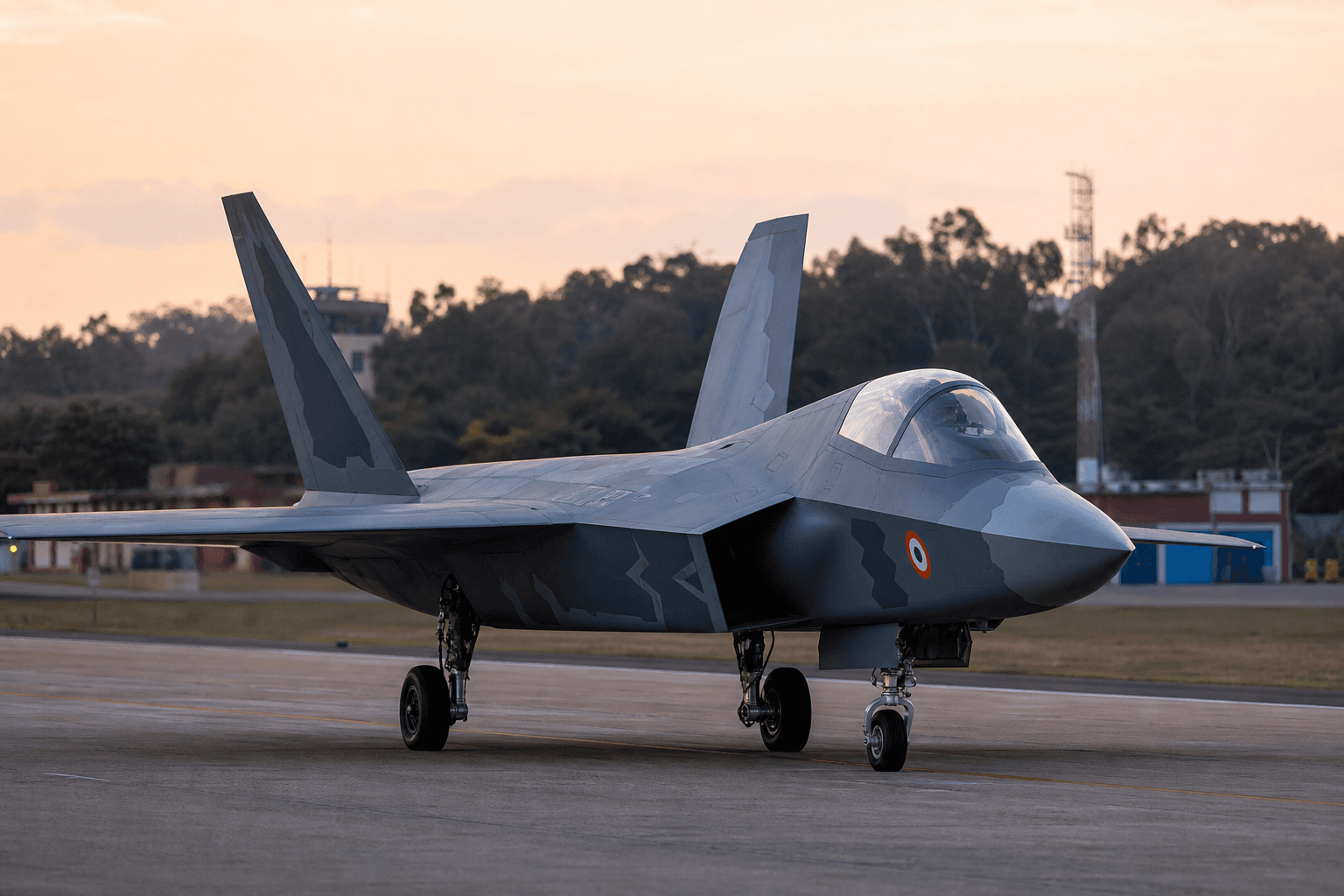
Partnership is a nod to India's desire to develop its local defence industry. Reliance and Rolls-Royce will explore the possibility of developing a fighter engine for India's planned Advanced Medium Combat Aircraft (AMCA). The two companies say they have a "strategic intent" related to designing, developing, manufacturing, and delivering an indigenous engine for the fighter. They will also explore a local production capability for the engine. "India's strategic autonomy requires sovereign capability in critical technologies," says Reliance Industries executive director Anant Ambani. "Our intent with Rolls-Royce is to combine their world-leading expertise in advanced propulsion with Reliance's technology, manufacturing, scale and execution capabilities to build an indigenous aero-engine ecosystem in India. Together, we aim to build an enduring national capability that can make India self-reliant and, over time, globally competitive in advanced propulsion technologies." AMCA has been on the drawing board for nearly two decades, with India's Aeronautical Development Agency (ADA) leading the programme. In May 2025, New Delhi cleared a plan that will allow private sector players to bid to work with ADA developing the jet: in the past, state-owned Hindustan Aeronautics (HAL) would have been tapped as the exclusive developer. Initially, AMCA will be powered by a pair of GE Aerospace F414 INS-6 engines, with later tranches of the aircraft to be powered by a locally developed engine. In June 2023, GE Aerospace and HAL entered a memorandum of understanding for the potential production of F414s in India. Indian media reports indicate that Safran has also shown interest in a future AMCA engine. The design phase for AMCA ran between 2019-2024, and the formal development effort is to run over 10 years, with five prototypes to be built. Plans call for the first production aircraft to be delivered in 2036. The aircraft marks India's first attempt to develop a low observable aircraft, with the air force hoping to obtain 120 examples.