

Illustration: The Touch & Go
Five Military Aircraft With The Longest Continuous Production Runs Remain Operational
Several military aircraft designed decades ago remain in active production, serving vital roles with modernized upgrades.
The gist
Legacy military aircraft like the F-16 and CH-47 Chinook remain in production with upgrades, reflecting mission-driven durability.
Among the world’s military forces, the United States operates the largest and most diverse air fleet, exceeding 13,000 aircraft across branches including the Air Force, Navy, Army, Marines, and Coast Guard. Within this varied assortment, several aircraft designs conceived in the mid-20th century continue to be produced and modernized for ongoing service. This persistence stems from the fact that military planes prioritize mission effectiveness over cost-efficiency, allowing proven older platforms to remain viable through upgrades rather than complete replacement.
Notably, fighter aircraft tend to have shorter development cycles and quicker obsolescence due to rapid advancements in avionics, stealth, and weapons technology. Conversely, utility helicopters and cargo aircraft often see extended production runs as upgrades to existing airframes provide enhanced capabilities without the expense and risk of entirely new designs. These factors explain why some legacy military aircraft maintain active production lines even after decades, serving alongside newer models.
The Lockheed Martin F-16 Fighting Falcon exemplifies this trend. First rolled out in 1973 and entering USAF service in 1980, the F-16 was initially developed by General Dynamics before the program transitioned to Lockheed Martin. After a production pause in 2017, the line resumed in 2019 with the improved F-16V Viper variant. This modernized version upgrades radar systems, avionics, cockpit displays, and electronic warfare suites, allowing the aircraft to retain capabilities comparable to fifth-generation fighters while maintaining a common platform.
Another enduring fighter is the Boeing F-15, first produced in 1972. Designed originally as an air superiority fighter to address shortcomings of earlier aircraft, the F-15 has never lost an air-to-air engagement. Over time, Boeing has evolved the design into multiple variants, including the F-15E Strike Eagle and most recently the F-15EX Advanced Eagle. This latest upgrade integrates new engines, radar, fly-by-wire controls, and strengthened airframe components, improving performance despite the aircraft’s increased weight and preserving its combat effectiveness.
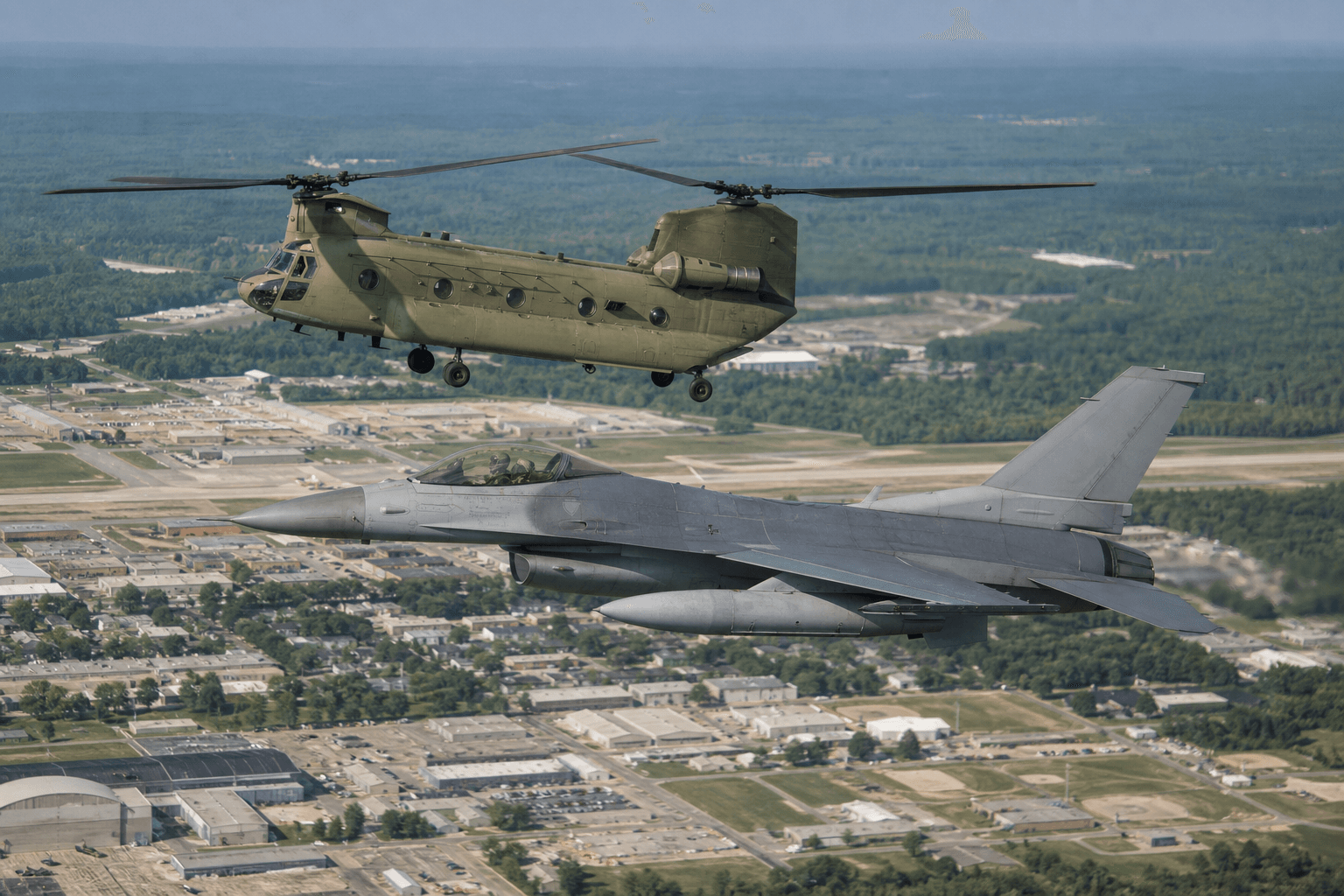
Heavy-lift rotorcraft like the Boeing CH-47 Chinook have also proven remarkably resilient in military service. Production began in 1962 under Boeing Vertol, and the Chinook remains a mainstay in the US Army’s helicopter fleet. Current production focuses on the CH-47F Block II and specialized MH-47G models, featuring updated avionics, more powerful engines, and enhanced payload capabilities. The Chinook’s ability to operate effectively in challenging environments ensures demand for these updated helicopters will continue well into the 2060s.
The Bell UH-1 Huey is another iconic rotorcraft sustaining production since its 1956 inception. Entering service in 1959, the Huey gained fame during the Vietnam War for its versatility and reliability in utility and medical evacuation missions. Bell continues to produce modernized variants like the UH-1Y Venom and the AH-1Z Viper attack helicopter. These share significant commonality in parts and systems, combining legacy durability with new technological advancements for tactical flexibility.
The continued production of these aircraft highlights strategic decisions within military aviation to invest in the longevity of proven designs. Instead of undertaking costly and risky clean-sheet programs, services and manufacturers prioritize incremental improvements. This approach balances modernization needs with operational readiness, ensuring that aircraft with decades-long production histories remain effective assets for both the US and allied armed forces.
Frequently asked questions
- Why are older military aircraft still produced today?
- Older aircraft remain in production because they continue to fulfill mission roles effectively and can be upgraded with modern technology, avoiding the high cost and risk of developing entirely new designs.
- What are some examples of military aircraft with long production runs?
- Examples include the Lockheed Martin F-16 Fighting Falcon (since 1973), Boeing F-15 (since 1972), Boeing CH-47 Chinook helicopter (since 1962), and Bell UH-1 Huey helicopter (since 1956).
- How do modern upgrades improve legacy aircraft?
- Upgrades typically involve new radars, avionics, electronic warfare systems, engines, cockpit displays, and structural reinforcements that enhance performance and extend operational capabilities.
Read more
All Military/Defense →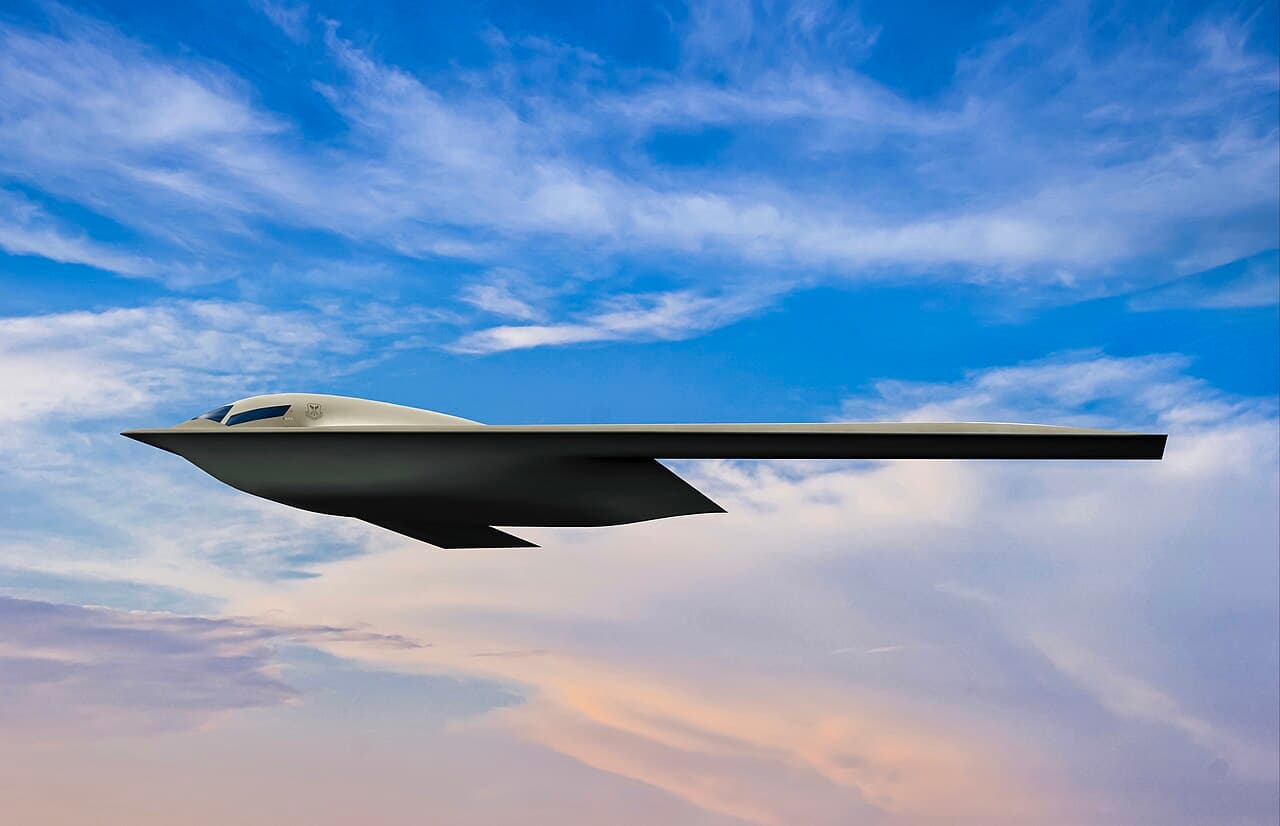
USAF to Convert B-21 Raider Test Jets Directly into Combat Bombers from 2027
The United States Air Force has a couple of test Northrop Grumman B-21 Raiders that are blurring the line between testing and fielding. The B-21 Raider is expected to enter service in 2027, making it the world's first all-new strategic bomber to enter service since the B-2 Spirit entered service in 1997. China is also working to develop its Xi'an H-20 stealthy strategic bomber, but it is unclear when it will enter service.
Beta launches autonomous hybrid-electric MV250 VTOL focused on military logistics
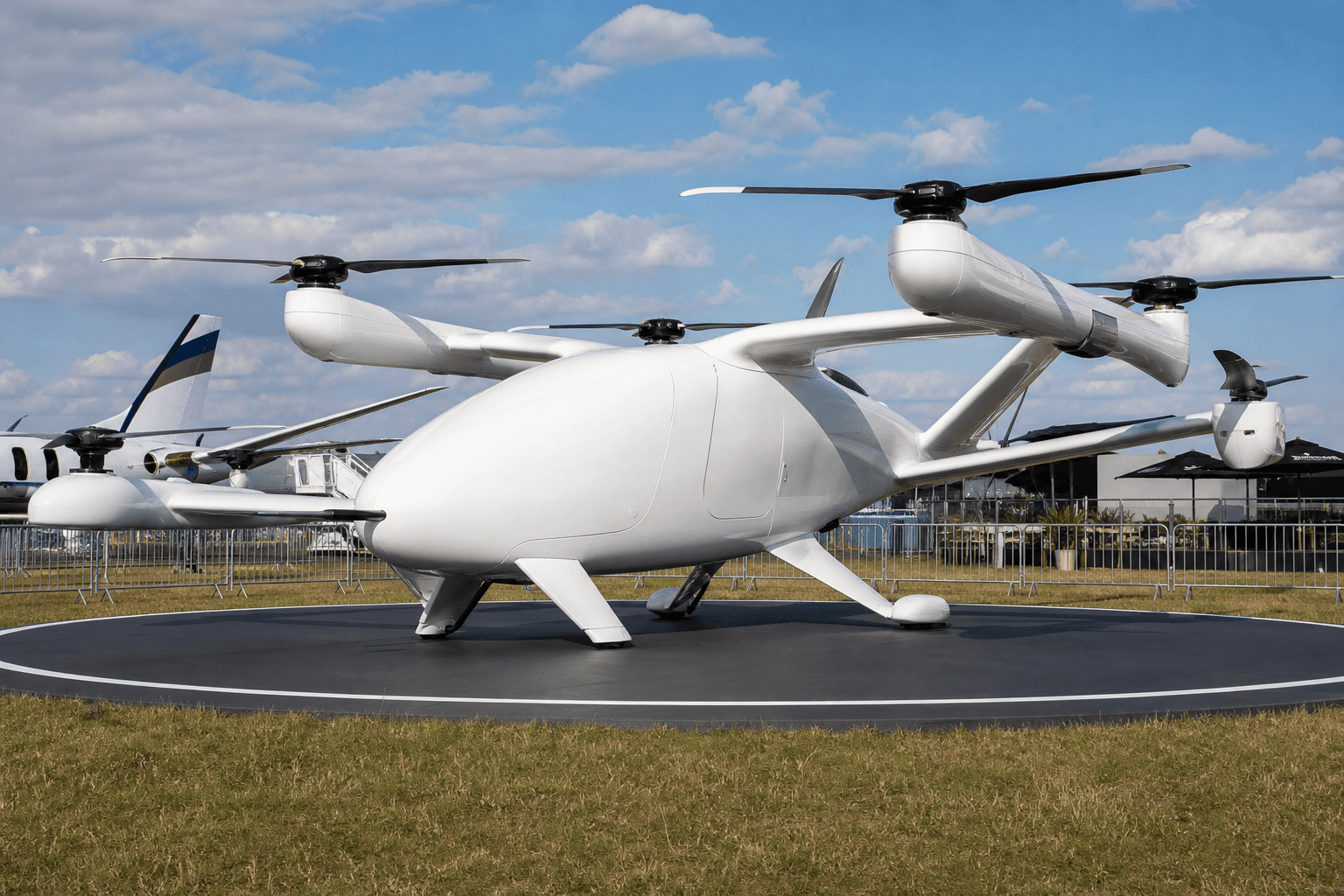
The logistics-focused rotorcraft is derived from Beta’s fully electric A250 vertical take-off and landing crewed aircraft. Electric aircraft manufacturer Beta Technologies has unveiled a new military-focused variant of the company’s A250 vertical take-off and landing aircraft. Revealed at the 2026 Farnborough air show, the MV250 features a number of significant changes to the fully electric A250 VTOL, including a new hybrid-electric propulsion system and autonomous flight capability. The MV250 features a similar outer mould shape to the crewed A250 but eliminates the two cockpit pilot stations and passenger compartment. Beta says the design will offer a repositioning range of 1,300nm (2,400km) with a tactical range of 250nm and a 907kg (2,000lb) payload. "The basic physics of the MV250 enable significantly longer range, higher speed and a lower cost of operations when compared to tiltrotor and legacy platforms," says Beta founder and chief executive Kyle Clark. Beta is flight testing the crewed A250, which FlightGlobal observed at the company’s Vermont headquarters in June. The conventional take-off and landing CX300 is further along in the certification process, having recently begun limited commercial operations under a new FAA pilot programme for eVTOL aircraft. The two aircraft share 80% commonality, including nearly identical cockpits and flight controls. Although its commercial designs are fully electric, Beta opted for a hybrid-electric drivetrain for the MV250, reflecting the specific tactical needs of miltiary operators. The company says a hybrid approach retains the high reliability and low maintenance attributes of an electric engine, while offering increased range and the ability to produce ground-based power. Beta partnered with propulsion specialist GE Aerospace to develop the turbogenerator engine for the MV250. The design is based on GE’s proven T700 turboshaft, which powers the Sikorsky UH-60 Black Hawk and Boeing AH-64 helicopters, among others. “We're bringing our expertise in electrical power and advanced propulsion systems to build the turbogenerator that ultimately unlocks greater range and mission flexibility,” says Amy Gowder, CEO of defence & systems for GE Aerospace. “This collaboration reflects the potential of hybrid systems to advance military logistics capability,” she adds. Beta envisions the MV250 as a utility platform that will move equipment, munitions, and medical supplies. The uncrewed flight capability will be delivered by Sikorsky’s Matrix system, which has already proved the ability to autonomously pilot rotorcraft, including the Black Hawk and the company’s developmental Noman rotor-blown-wing uncrewed aerial system. "We view the dual-use hybrid-electric MV250 as a unique and complementary capability to Sikorsky's UAS platforms,” says Rich Benton, Sikorsky’s general manager. Beta is actively assembling both CX300 and A250 aircraft at its Burlington, Vermont, factory. The CX300 will participate in this year’s Farnborough flying display after making its airshow debut in Paris last year. Just before Farnborough, one of the Beta CTOLs flew in NATO’s Aurora 26 military exercises in Sweden, logging 30 sorties in a logistics support role.

San Diego Pilot's Volunteer Flights Bring Burn Survivors to Champ Camp
San Diego pilot Andy Coy recently flew 16-year-old burn survivor Susy home from Champ Camp, piloting the most recent of 18 Angel Flight West flights she has received since 2019. The trip also added to Coy's record as a volunteer aviator. He has completed 38 flights as an Angel Flight West Command Pilot, transporting passengers and supplies for the nonprofit organization. A Pilot Raised Around Aviation Coy grew up in a family with connections to general aviation and medicine. His father was a general aviation pilot who founded a radiology practice, and his uncle served in the Air Force before becoming a pilot for Delta Air Lines. Coy, however, did not begin pursuing his own pilot certificate until 2020, after his son left home to attend college about seven hours away in San Luis Obispo. Coy has since logged more than 1,100 flight hours. His Angel Flight West assignments have included transporting patients and their families, carrying blood and flying campers and counselors to specialized programs across the western United States. Angel Flight West coordinates the flights at no cost to passengers through a network of volunteer pilots and commercial airline partners. "Camp flights are especially important to me," Coy said. "Those kids have been through tough experiences, and I love seeing the camaraderie between the campers and counselors — laughing together, supporting one another, and being part of the group." Eighteen Flights to Camp Susy attends the Alisa Ann Ruch Burn Foundation's Champ Camp, a weeklong residential program held at Wonder Valley in Sanger, California. She began traveling to the camp in 2019 and has since received 18 flights through Angel Flight West. Coy piloted her most recent trip home. "As a burn survivor, Susy has walked a path that requires courage every single day," her mother, Vivana, said. "The trips didn't just take her to camp; they lifted her confidence, her independence, and her sense of possibility. Because of Angel Flight West, she was able to experience unforgettable adventures, learn new skills, and feel empowered in ways that truly matter." Champ Camp is open to burn survivors ages 5 to 17 who were treated at California hospitals or currently live in the state. The 2026 session was held June 6-13 and included activities like fishing, horseback riding, canoeing, archery, crafts, water slides, campfires and team-building exercises. The program is staffed by medical personnel, counselors and volunteers, including adult burn survivors and firefighters. Three Decades of Camp Flights "It's one thing to have your physical needs cared for in the hospital, but it's another to care for your soul and mental health journey after something as life-changing as a burn injury," Alisa Ann Ruch Burn Foundation Camps and Recreation Manager Erika Mendoza said. "Because of AFW and the partnership we've had for many, many years, our camp kids don't just get to see their favorite people once a year — they get to see them multiple times." The distances involved can make transportation a deciding factor in whether a child can attend a specialized camp. Angel Flight West said some participants travel hundreds or thousands of miles, and volunteer aircraft can shorten that trip while connecting campers with programs such as Champ Camp. Know someone using GA to make a difference? Send the details to editor@avweb.com .
RAAF marks 45 years of Operation Gateway with P-8A Poseidon patrols from Malaysia
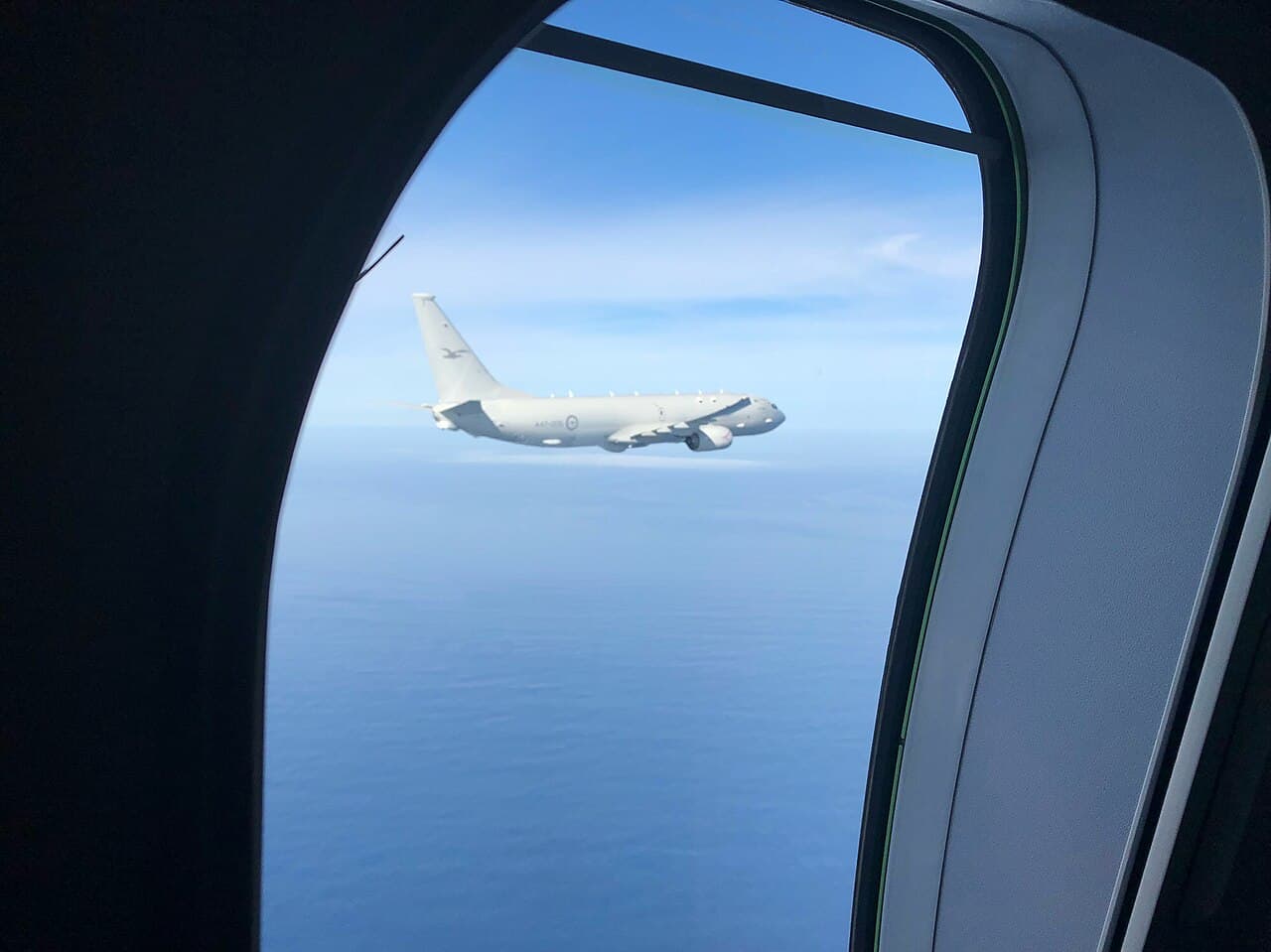
The Royal Australian Air Force (RAAF) has completed this year's first rotation of Operation Gateway, with three P-8A Poseidon aircraft conducting maritime patrols from Royal Malaysian Air Force Base Butterworth as the mission marks its 45th year. The detachment carried out maritime domain awareness patrols across the North Indian Ocean and South China Sea, monitoring activity along some of the world's busiest shipping corridors connecting Southeast Asia, South Asia, the Middle East, and Africa. Same mission, different era Operation Gateway is one of Australia's longest-running Defence operations. It has been bringing Australia and Malaysia together in support of regional security since 1980, with the first mission in 1981. In the most recent Operation Gateway… pic.twitter.com/sg82mC2o9r — Defence Australia (@DefenceAust) June 24, 2026 Australia's longest-running bilateral operation Operation Gateway is the longest continuous bilateral operation in Australian Defence Force history and remains a central element of the Australia-Malaysia defense relationship. Since the operation began in 1981, Gateway aircraft have accumulated more than 30,000 flying hours and completed more than 3,500 sorties. Squadron Leader Justin McCoy, the detachment commander, said the operation benefits both nations. "Being based at Butterworth gives us proximity to our patrol areas," McCoy said. "The situational awareness we gain from these missions is important for understanding the security environment." 75 personnel behind the mission The 2026 deployment involved more than 75 personnel from 92 Wing, along with supporting elements from across the Air Force, including 19 Squadron at Butterworth. "Operation Gateway represents 45 years of collaborative operations," McCoy said. "We've gone on a journey not only within Australia, but with Malaysia in lockstep with those changes. Everyone who has deployed here and supported us locally has worked really hard, and I'm very proud of the outcome." Same mission, new aircraft While the P-8A Poseidon has replaced earlier maritime patrol aircraft over the decades, the mission itself remains unchanged. Each patrol contributes to a layered understanding of activity across critical maritime approaches, supporting informed decision-making for both Australia and Malaysia. The Indian Ocean serves as an economic highway spanning multiple regions, making it one of the most strategically significant waterways globally. Monitoring that activity continues to be the focus of the operation as it enters its fifth decade. RELATED RAAF deploys P-8A Poseidon and E-7A Wedgetail to RIMPAC 26 exercise in Hawaii
The Daily Touch & Go
The day's best aviation news in your inbox. Free, no spam.