


Illustration: The Touch & Go
ZeroAvia and Marshall Aerospace Partner to Explore Hydrogen-Electric Systems for Military Aircraft
ZeroAvia and Marshall Aerospace have joined forces to study hydrogen-electric propulsion and power systems tailored for future defense aircraft applications.
The gist
ZeroAvia and Marshall Aerospace collaborate to develop hydrogen-electric propulsion for military aircraft, aiming to enhance endurance and operational flexibility.
British aerospace innovators ZeroAvia and Marshall Aerospace announced a new collaboration focused on hydrogen-electric propulsion and power systems for future defense aircraft. The partnership leverages ZeroAvia’s flight-tested hydrogen-electric propulsion technology alongside Marshall’s extensive expertise in military aircraft modification, integration, certification, and fuel systems. This joint effort aims to explore the practical application of hydrogen-electric power in military aviation, marking a strategic push into sustainable defense propulsion technologies.
Currently in the early stages, their work centers on prototyping and evaluating hydrogen-electric power solutions rather than immediate deployment. The effort will focus on technical feasibility and integration challenges before any operational decisions are made. This measured approach allows both companies to assess the technology’s benefits in demanding military environments while refining the adaptation of hydrogen propulsion for defense-specific requirements.
ZeroAvia Executive Chair Christine Ourmières-Widener highlighted how the collaboration unites complementary aerospace capabilities within the UK. She emphasized the increasing military demand for better endurance, lower thermal signatures, and enhanced operational flexibility—areas where hydrogen-electric propulsion could offer significant advantages. Their goal is to validate the technology's applicability within military contexts and identify roles where it can deliver real tactical benefits.
ZeroAvia brings to the partnership its advanced ZA601 electric engine technology, which has achieved a notable certification milestone. Earlier this year, the FAA published final special conditions for the 600-kW engine, a key step for regulatory approval and future commercialization. This engine technology underpins ZeroAvia’s ZA600 hydrogen-electric powertrain designed for regional commercial aircraft seating 10 to 20 passengers.
Marshall Aerospace complements this with deep experience in military aircraft systems, including modifications and fuel management, adding crucial knowledge about integrating novel propulsion solutions in complex defense platforms. Their role is pivotal in ensuring that the hydrogen-electric systems can meet rigorous military certification and operational standards while maintaining safety and reliability.
The collaboration reflects an early but significant movement toward decarbonizing military aviation. Hydrogen-electric propulsion offers the potential to reduce carbon emissions and operational heat signatures, aspects of increasing interest for military operators amid growing environmental and tactical considerations. If successfully adapted, such technologies could transform the sustainability profile of various military missions.
Although the project is currently focused on evaluation and testing, its success could pave the way for hydrogen-electric technologies to be incorporated into military aircraft fleets over the medium to long term. The partnership's progress will be closely followed as it addresses integration complexities and demonstrates viable military applications beyond civilian aviation.
This initiative is part of wider industry efforts to investigate sustainable propulsion options that blend performance with operational demands unique to defense sectors. As regulatory frameworks evolve alongside shifting defense priorities, collaborations like this could become instrumental in introducing cleaner powertrains to military aviation systems.
Read more
All Military/Defense →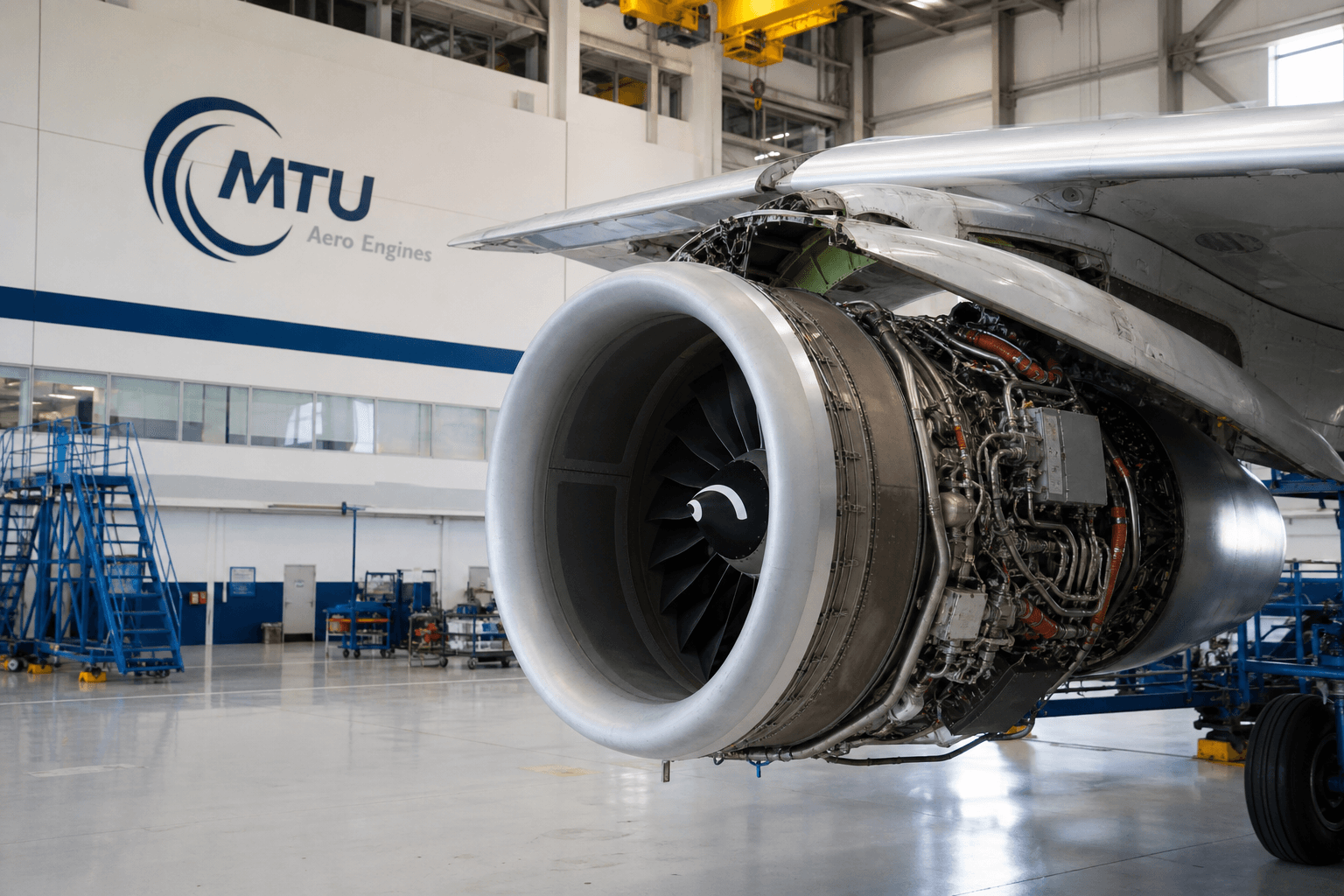
MTU Aero Engines launches expanded Fort Worth hub with debut CFM Leap-1B induction
German engine systems specialist marks official opening with induction of first Leap-1B. MTU Aero Engines is probably best known for its ties to Pratt & Whitney, as a risk-share partner on the International Aero Engines V2500 and its successor, the Geared Turbofan (GTF). The German company holds up to an 18% share in the GTF, depending on the variant, with responsibility for the low-pressure turbine and first four stages of the high-pressure compressor. However, on the maintenance, repair and overhaul side – from which MTU derives more than two-thirds of its revenues – much of the recent focus has been on the RTX subsidiary's competitor, CFM International. MTU has been ramping up its presence in the CFM aftermarket as well as looking to boost its capabilities with GE Aerospace, which owns CFM alongside France’s Safran Aircraft Engines. The Munich-based company on 8 July officially unveiled its expanded Fort Worth MRO hub after a $120 million investment, and announced the induction of the Texas operation's first CFM Leap engine, a -1B for long-standing customer Brazilian airline GOL. Munich-based MTU describes the 43,000sq m (463,000sq ft) facility as its North American flagship. Fort Worth is one of eight global sites and the only one in the MTU network awarded "Premier" status by CFM – the engine maker's highest level of approval. The licence allows MTU to carry out a range of maintenance services including full overhauls and in-house repairs on Leap and CFM56 engines. MTU hopes to shortly induct at Fort Worth its first Leap-1A – the version of the engine for the Airbus A320neo family, although it will not give details on customer discussions. It expects the global Leap market to be three times as big as that for the CFM56, peaking at some 8,000 shop visits a year by 2045. MTU also plans to extend its authorisations there by 2029 to the GE Aerospace GEnx, which vies with the Rolls-Royce Trent 1000 to power the Boeing 787. "As one of the world's leading engine MRO providers, we are systematically expanding our global footprint," says chief executive Johannes Bussmann, a former Lufthansa Technik head who took over from Lars Wagner in September. "Fort Worth will be a cornerstone of our strategy to support next-generation engine programmes at scale." MRO is the fastest growing segment for MTU – with shop visits split roughly two-thirds in favour of the V2500/GTF and one third CFM/GE. However, in terms of workload value the balance shifts more towards 50/50 because MTU carries out complex repairs on GE engines, such as the turbine centre frame on the GEnx. The company – which also has MRO operations in Hanover and Berlin, Germany, and Zhuhai in China as well as Serbia, Canada, and Poland – claims to be the number two engine aftermarket service provider by shop visits, with an annual tally of more than 1,400, and to have the broadest portfolio of manufacturer authorisations in the market, with more than 30 types. The ongoing durability issues with the GTF have boosted demand for its services, with the engine accounting for about 40% of its commercial maintenance revenues last year, according to MTU's annual report. The V2500 as well as the GE GE90 and CF6-80 were also significant contributors to its MRO turnover. Military muscle While civil engines dominate at MTU, military activities remain vital. As Germany's propulsion champion it contributed to the development of the powerplants for the Airbus Defence & Space A400M and Eurofighter Typhoon among others, and continues to build elements of the engines. However, the recent cancellation of the Franco-German-Spanish New Generation Fighter (NGF) dealt the defence side of the business a blow. Bussmann said at June's ILA show in Berlin that the company was ready to "move on" and work with any European partners on an engine for one or more sixth-generation combat aircraft, which he insists Berlin and Europe needs to maintain sovereignty and industrial and technological capabilities in defence. MTU had been collaborating with Safran on NGF, part of the wider Future Combat Air System (FCAS) project. He insisted work done by the European Military Engine Team, formed by MTU and Safran in 2021, was not wasted because valuable intellectual property would be retained. A partnership with Rolls-Royce, part of the Global Combat Aircraft Programme (GCAP) between Italy, Japan and the UK, is one possibility, but any progress will be down to largely to politicians rather than industry, admits Bussmann. MTU has also expanded its portfolio into the fast-emerging area of small turbojet engines for military uncrewed air vehicles, acquiring in April Cologne-based start-up AeroDesignWorks. The company, a 2011 spin-out from the DLR German aerospace research centre, was specialising in gas turbines with a thrust of around 90lbf (400N). It was part of a decision by MTU, which had already in 2023 bought electric motor supplier eMoSys, to "enlarge our product portfolio in the UAV sector", says Bussmann. "Our strategy is to build a family of engines for drones and to be a major provider of this technology in Europe." Additionally, MTU is keeping its hand in when it comes to future sustainable advances. In early July it announced a joint venture with Airbus to develop and commercialise a "revolutionary" hydrogen fuel cell powertrain – following a memorandum of understanding signed at last year's Paris air show.
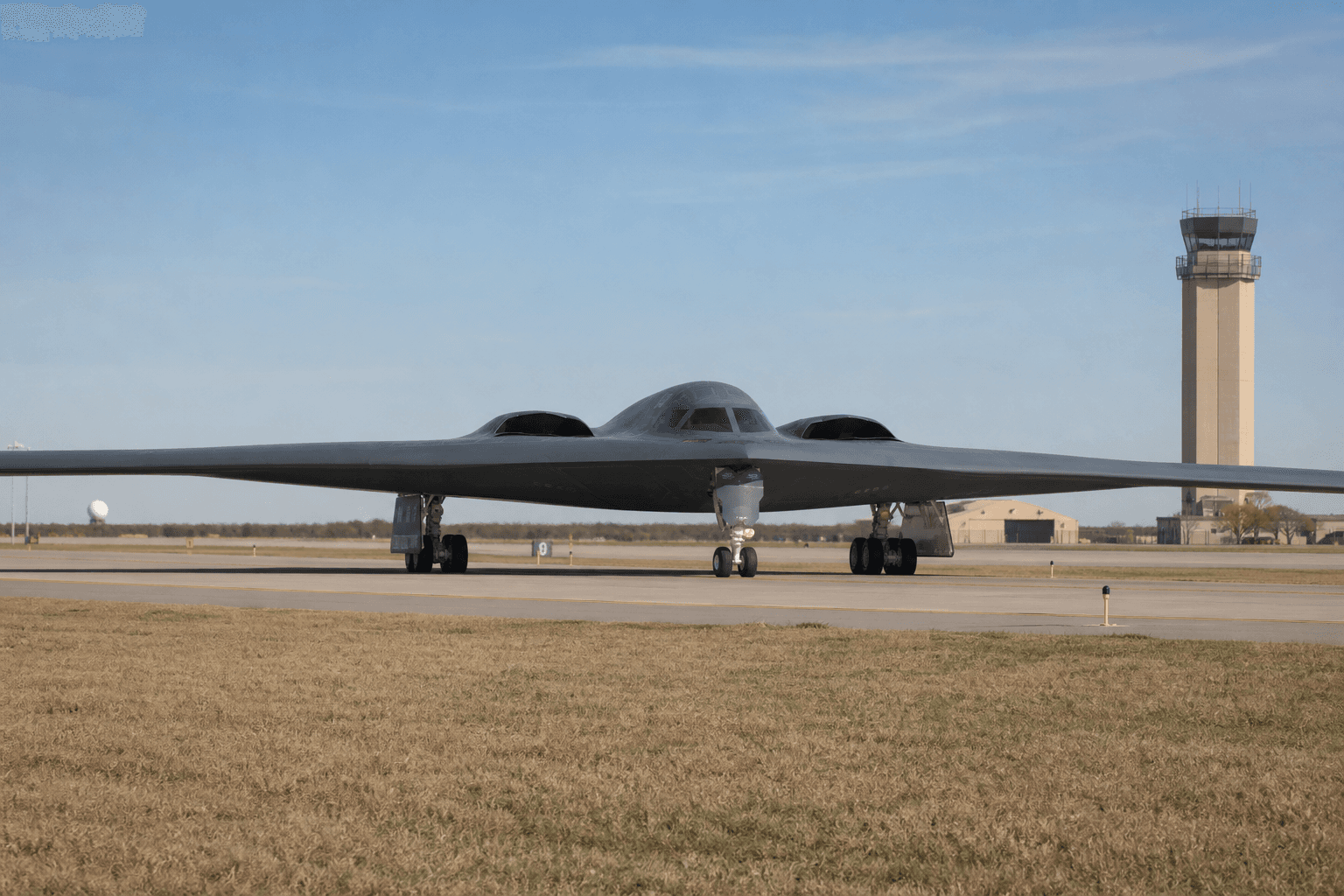
B-2 Spirit Bomber Equipped with Functional Crew Rest Facilities for Ultra-Long Missions
The Northrop B-2 Spirit is not designed for comfort; it is designed survive the first night of war. It is designed to be one of the first aircraft to kick in the proverbial door and carry out some of the operation's opening strikes. Unlike other bombers in service with the US, Russia, and China, it is able to penetrate enemy air defenses. To avoid the risk of being struck on the ground and to maximize surprise and uncertainty, these bombers often take off directly from their home base at Whiteman AFB, Missouri.
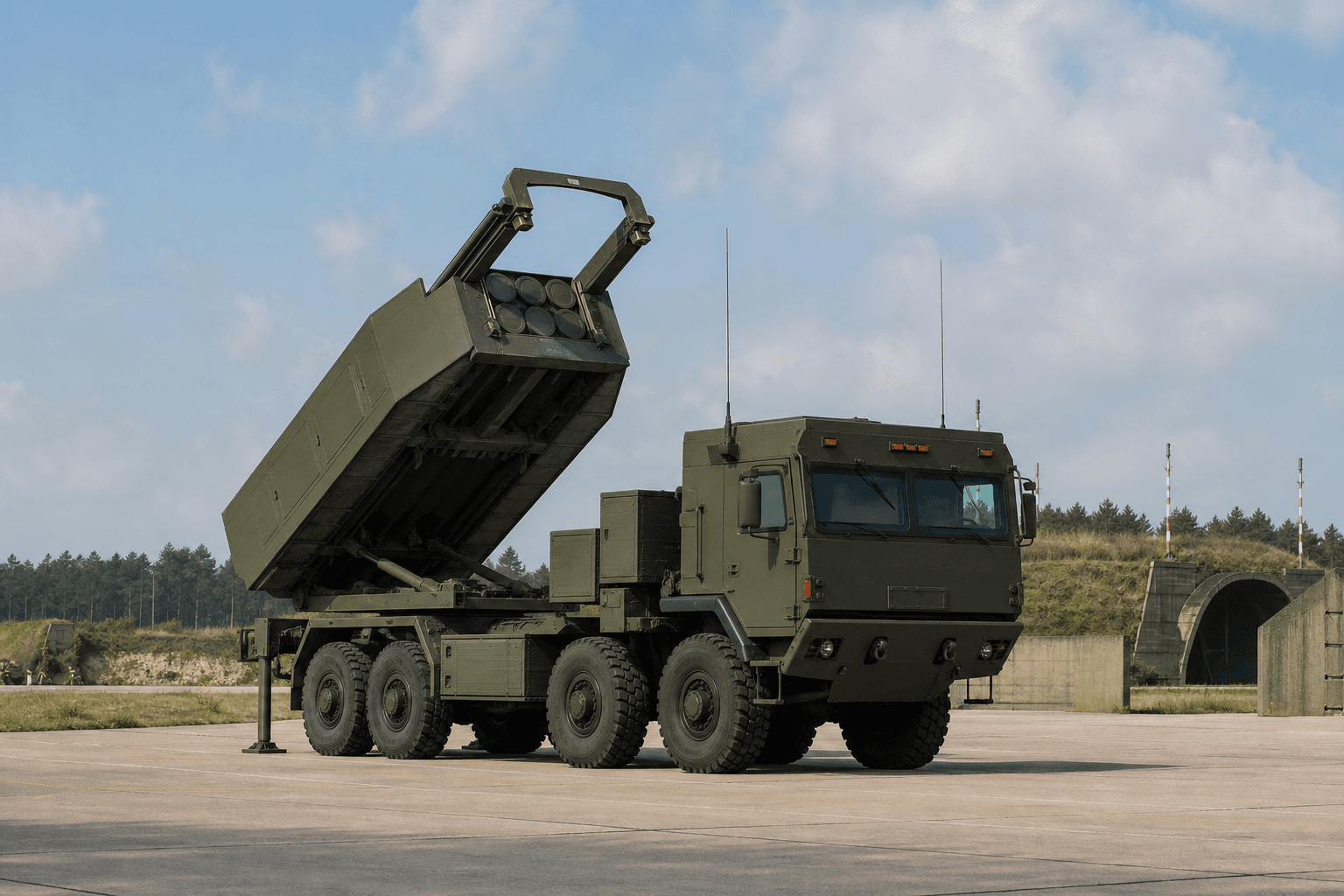
Germany to Acquire Tomahawk Cruise Missiles for Deployment on Home Soil
Germany has reached an agreement with the United States to purchase Tomahawk cruise missiles and station them on German territory, Chancellor Friedrich Merz announced on July 9, 2026. Speaking during a government statement to the Bundestag, Merz said the US administration had approved the sale of the long-range missiles, which will be acquired by the German government and deployed in Germany. The two sides reached the agreement on the sidelines of the NATO summit held in Ankara, Turkey, on July 7 and 8, 2026, a gathering that also produced a pooled A400M transport fleet and the selection of the Saab GlobalEye as NATO's future AWACS platform. "With this, we are closing an important strategic gap in our defense, and we will at the same time work on developing European systems and stationing them in Europe," Merz told lawmakers. The announcement came a day after German Defense Minister Boris Pistorius described talks with Washington as progressing, while cautioning on the morning of July 8, 2026, that no results had yet been achieved. From US deployment to German ownership The deal differs from the arrangement outlined in the joint statement signed by then US President Joe Biden and then Chancellor Olaf Scholz on July 10, 2024, under which the US was to begin episodic deployments of SM-6, Tomahawk, and developmental hypersonic weapons in Germany from 2026. That plan, which prompted Moscow to threaten a return to intermediate-range missile production , was shelved in May 2026 when the Pentagon scrapped the planned Long-Range Fires Battalion, citing stockpile shortages following heavy munitions expenditure in the US-Iran conflict. Under the new agreement, the missiles will instead be German-owned and German-operated, placing Berlin alongside the United Kingdom and the Netherlands as European operators of the Raytheon-built weapon, which can strike targets up to 2,500 kilometers (1,550 miles) away. A bridge to European deep strike MBDA's LCM / NCM Mk2 missile displayed at Eurosatory 2026, with the DELUGE long-range teleoperated munition shown above it. (Credit: AeroTime) Merz framed the purchase as an interim measure while Europe builds sovereign long-range capabilities. The chancellor's remarks echo a broader push that saw the UK commit £1.4 billion ($1.9 billion) to the Franco-British-Italian Stratus cruise missile on July 8, 2026, and MBDA present its complete Land Cruise Missile system at Eurosatory 2026 in June 2026. Germany is also participating in the European Long-Range Strike Approach (ELSA) alongside France, Italy, and Poland.
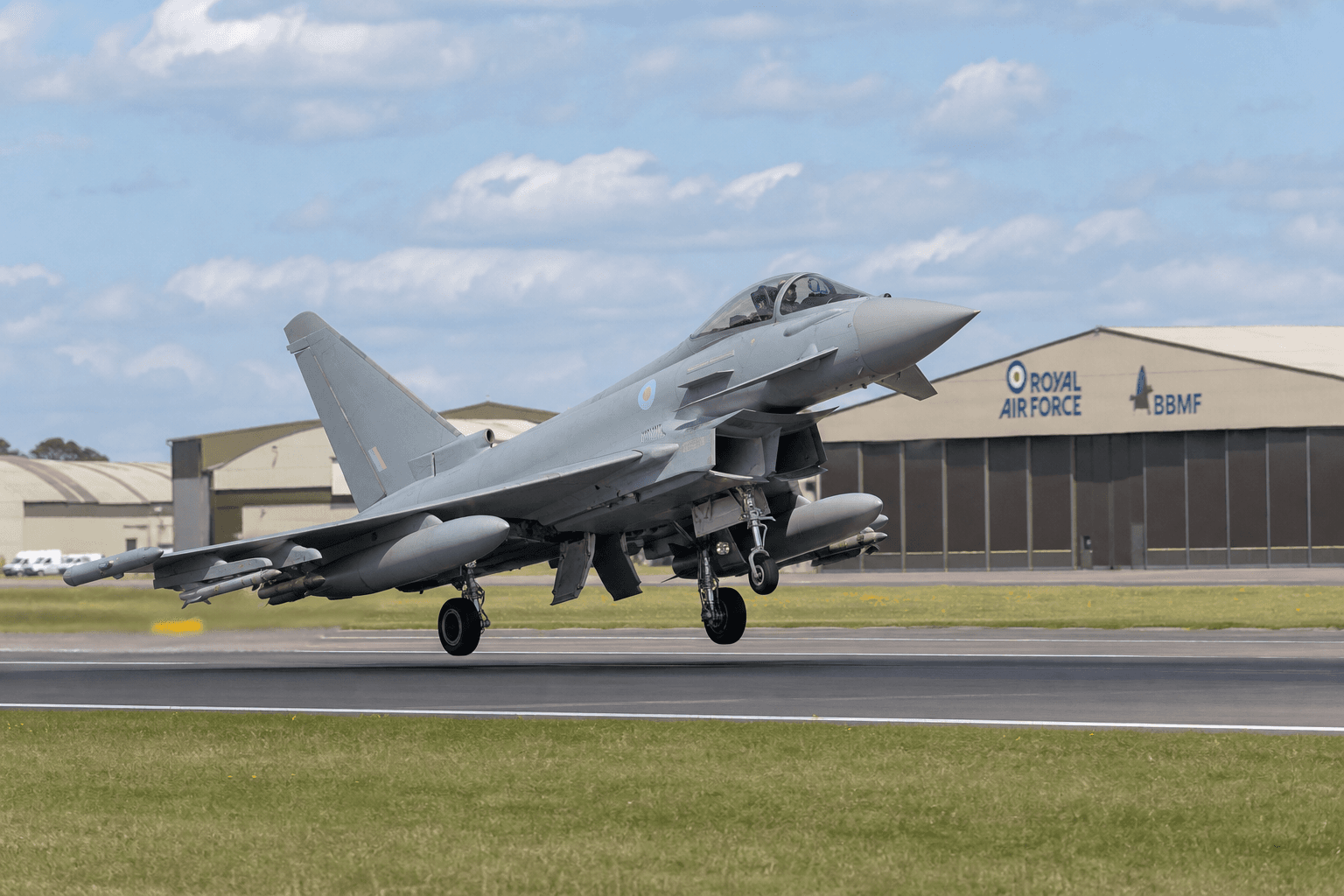
RAF Coningsby: UK's Premier Base for Typhoon Jets and Historic Battle of Britain Aircraft
Few military airfields in the UK are as rewarding for aviation enthusiasts as RAF Coningsby . Home to the Royal Air Force’s frontline Typhoon force and the world-famous Battle of Britain Memorial Flight, the Lincolnshire base offers a fascinating mix of modern combat aircraft and priceless Second World War classics. On almost any visit, there’s the chance to watch cutting-edge fighters carrying out training sorties before seeing an 80-year-old Spitfire or Lancaster taxi out for a commemorative flight. Located in the heart of what became known as ‘Bomber County’ , RAF Coningsby is surrounded by aviation history. Alongside nearby RAF Waddington, RAF Cranwell and the former bomber stations that once dotted Lincolnshire, it remains one of Britain’s premier aviation destinations and a must-visit location for military aircraft spotters. A Brief History of RAF Coningsby RAF Coningsby opened in 1940 during the Second World War as one of the many bomber stations built across Lincolnshire to support RAF Bomber Command. Initially home to Whitleys before receiving Avro Lancasters, the station became an important operational base from which crews flew missions over occupied Europe. Following the war, Coningsby entered the jet age, operating a succession of famous aircraft including the English Electric Canberra, Avro Vulcan and Panavia Tornado F3. Since 2005, it has become one of the principal operating bases for the Eurofighter Typhoon , cementing its role at the forefront of UK air defence. Today, while many of Lincolnshire’s famous wartime bomber stations have disappeared or become museums, Coningsby remains a fully operational RAF station, continuing the county’s proud aviation tradition while preserving its remarkable heritage through the Battle of Britain Memorial Flight . Aircraft and Squadrons RAF Coningsby is one of the Royal Air Force’s busiest fast-jet stations and serves as a major centre for Typhoon operations. The station is home to: No. 3 (Fighter) Squadron – Frontline Eurofighter Typhoon FGR4 unit. No. XI (Fighter) Squadron – Another operational Typhoon squadron responsible for UK air defence and overseas deployments. No. 29 Squadron – The RAF’s Operational Conversion Unit, responsible for training new Typhoon pilots before they join frontline squadrons. Coningsby also hosts the Battle of Britain Memorial Flight , whose hangars house the Flight’s priceless collection of historic aircraft. While these aircraft fly only on selected training and display sorties, spotting one alongside modern Typhoons is an unforgettable experience. Thanks to the station’s operational tempo, visitors can often expect multiple Typhoon departures and recoveries during weekdays, together with occasional visits from other RAF, NATO and international military aircraft. Visit the Battle of Britain Memorial Flight Visitor Centre No visit to RAF Coningsby is complete without spending time at the Battle of Britain Memorial Flight Visitor Centre . Situated just outside the station, the Visitor Centre offers guided tours of the BBMF hangars, where visitors can get remarkably close to the Flight’s legendary aircraft, including the Avro Lancaster , Supermarine Spitfires , Hawker Hurricanes and Douglas Dakota . It’s a rare opportunity to see these historic aircraft undergoing maintenance and learn about the engineering expertise required to keep them airworthy. If you’re planning a spotting trip to Coningsby, combining it with a BBMF tour makes for an outstanding day out. ( You can read our full guide to visiting the BBMF Visitor Centre here .) Plane Spotting at RAF Coningsby Whether you’re hoping to photograph Typhoons launching on Quick Reaction Alert training sorties, capture a Lancaster taxying past in the sunshine, or simply enjoy one of Britain’s most historic military airfields, RAF Coningsby rarely disappoints. Below, we’ve rounded up the best spotting locations around the airfield, together with advice on photography, runway usage and the best times to visit. Spotters Car Park Along Dogdyke Lane there is a car park situated at the end of runway 07 (postcode LN4 4TE). From here you can sit and watch or photograph movements on the runway (however 25 departures are a little high by this point). There's usually plenty of spotters around, and vans selling food and drink. BoBMF Layby A little further up Dogdyke Lane is a layby next to the fence which looks out onto the Battle of Britain Memorial Flight hangar and apron. It's great for seeing these aircraft coming and going, and you can also see Typhoons parked up beyond. Runway 25 The B1192 runs past the end of runway 25. To get there you can continue past spot 1, then turn left onto New York Road and left onto the B1192/Langrick Road, heading north. Just before the traffic lights at the end of the runway is some rough ground on the left, in a farmer's field. You can pull onto here and park (with a donations box for local charity). If aircraft are landing on 25 this is a great spot for photography. Discover 150 More Spotting Locations Across the UK and Ireland If you enjoy exploring airports like RAF Coningsby, our Airport Spotting Guides: UK & Ireland (2nd Edition) is the perfect companion. This comprehensive guide features 150 airports, military airfields and aviation museums across the UK and Ireland, with detailed spotting locations, photography advice, runway information, visitor facilities and practical tips to help you make the most of every visit. Whether you’re watching Typhoons at Coningsby, airliners at Heathrow, maritime patrol aircraft at Lossiemouth or classic warbirds at Duxford, it’s an essential reference for every aviation enthusiast. Available in print from our online shop and major booksellers, it’s the ideal resource for planning your next spotting adventure—and a book you’ll return to time and time again. Get Your Copy Here
The Daily Touch & Go
The day's best aviation news in your inbox. Free, no spam.