

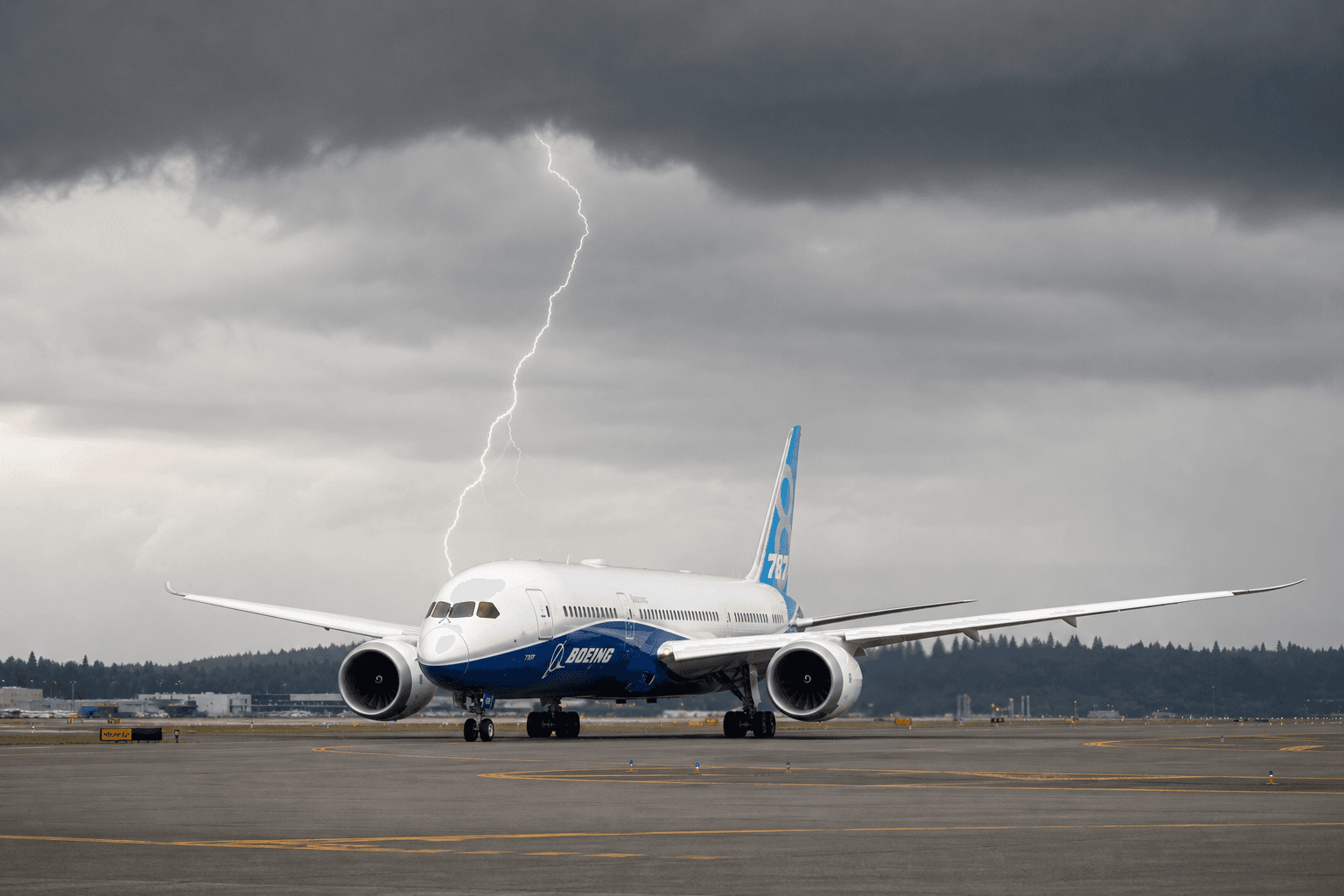
AI-generated illustration
FAA Mandates Inspections on Select Boeing 787s for Potential Fuel Tank Lightning Risk
The FAA will implement inspections next month on certain Boeing 787 variants due to sealant issues that could spark explosions during lightning strikes.
The gist
FAA orders inspections on Boeing 787s to prevent possible fuel tank explosions caused by lightning-triggered sparks.
Continuing coverage
All Faa →The Federal Aviation Administration (FAA) has issued a directive requiring inspections on a select group of Boeing 787 Dreamliners after identifying potential issues with the fuel tank sealant. The FAA warned that defects in the sealant could allow a spark to develop inside the fuel tank when the aircraft is struck by lightning, raising the risk of a fuel tank explosion.
The airworthiness directive covers specific Boeing 787-8, 787-9, and 787-10 models as identified by Boeing. The inspections are scheduled to commence next month to ensure the integrity of the fuel tank seals on the affected aircraft. This measure aims to mitigate a rare but dangerous risk arising from the interaction between lightning strikes and flawed sealant.
In the United States, the order applies to 60 Boeing 787s registered domestically. US carriers collectively operate more than 170 Dreamliners across all variants, indicating that the affected aircraft represent a subset of the domestic fleet. The FAA's directive signals a targeted response to a safety concern linked to specific serial numbers and production lots rather than the entire 787 family.
Internationally, dozens of additional Boeing 787s operated by foreign airlines may be subject to similar inspections, pending local aviation authorities’ evaluations. The total global number of affected aircraft has not been precisely disclosed but is expected to exceed the US-registered fleet under the directive.
Boeing's identification of the impacted aircraft came from internal findings related to fuel tank sealant installation or components. The company has worked with regulatory authorities to define the scope and timing for inspections to verify and, if necessary, remedy the sealant conditions to prevent sparking during lightning events.
The Boeing 787, known for its composite airframe and fuel-efficient design, is widely used by airlines worldwide. The fuel tanks, located primarily in the wings, are vulnerable to lightning since aircraft frequently encounter atmospheric electrical discharges at high altitudes.
Lightning strikes on commercial airliners are common but rarely result in damage beyond superficial effects. The concern here is that a compromised sealant inside the fuel tank could allow electrical energy to traverse gaps, igniting fuel vapor and causing an explosion.
While no incidents linked to this particular sealant issue have been reported, the FAA's proactive mandate reflects a precautionary approach to aviation safety. The inspection regimen will assess the integrity of the tank sealant and specify maintenance actions if defects are found.
The directive adds to the ongoing safety oversight of the 787 fleet, which has previously faced scrutiny over battery and engine issues. Operators of the affected aircraft will need to comply with the inspection requirements to maintain their aircraft’s airworthiness certification under FAA rules.
Originally reported by Simple Flying
Read more
All Aviation Safety →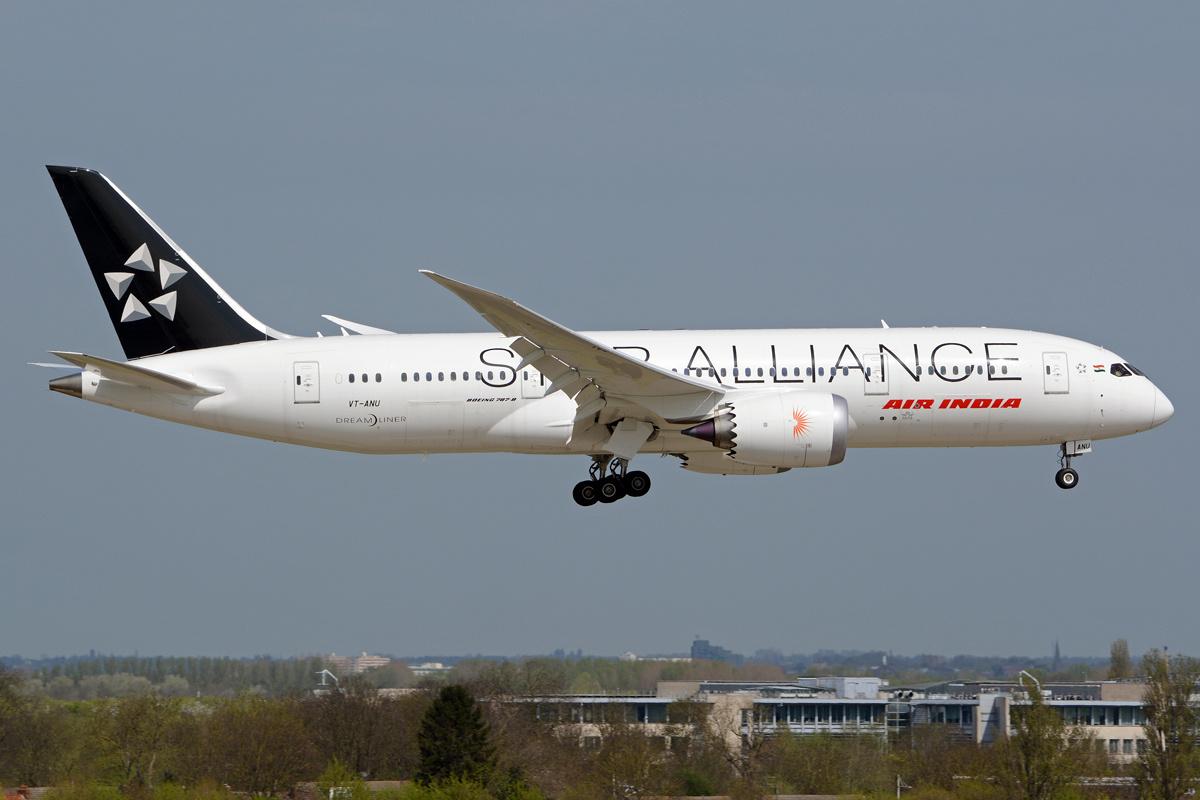
IATA Reports Nearly Half of Air Accident Investigations Lack Published Final Reports
Almost 50% of international air accident investigations fail to produce public final reports, hindering hazard identification and safety improvements, warns IATA.
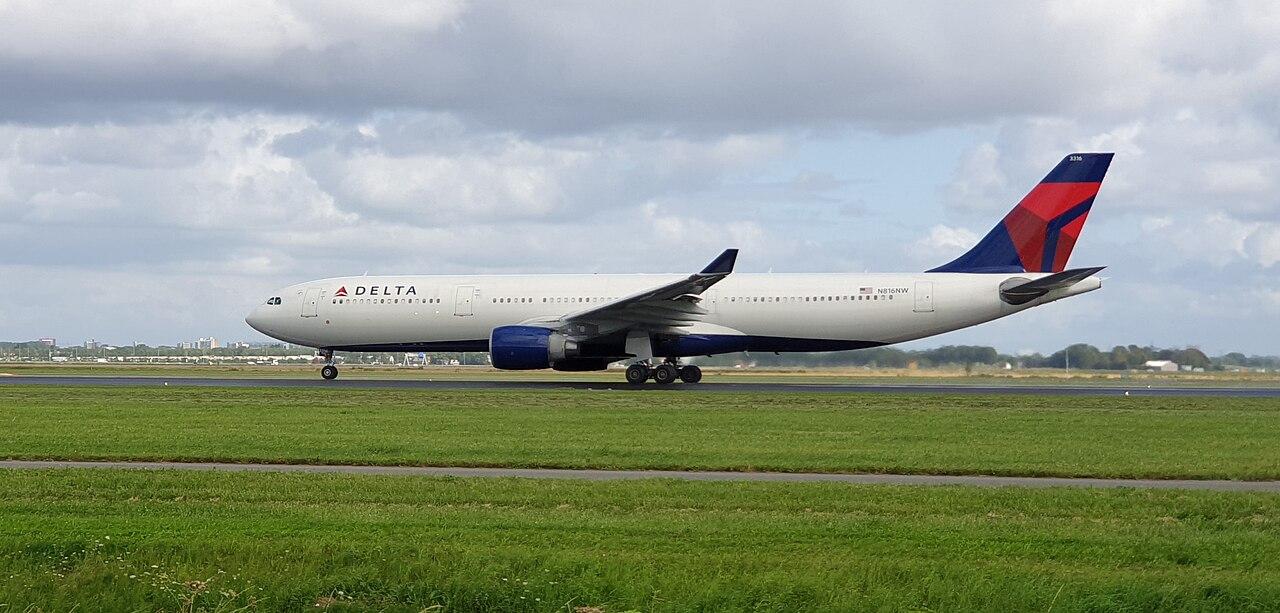
Delta Air Lines launches seasonal nonstop flights from Minneapolis to Maui
Delta began seasonal service connecting Minneapolis-St. Paul and Kahului, Maui, offering five weekly flights with Airbus A330-300 through mid-April.
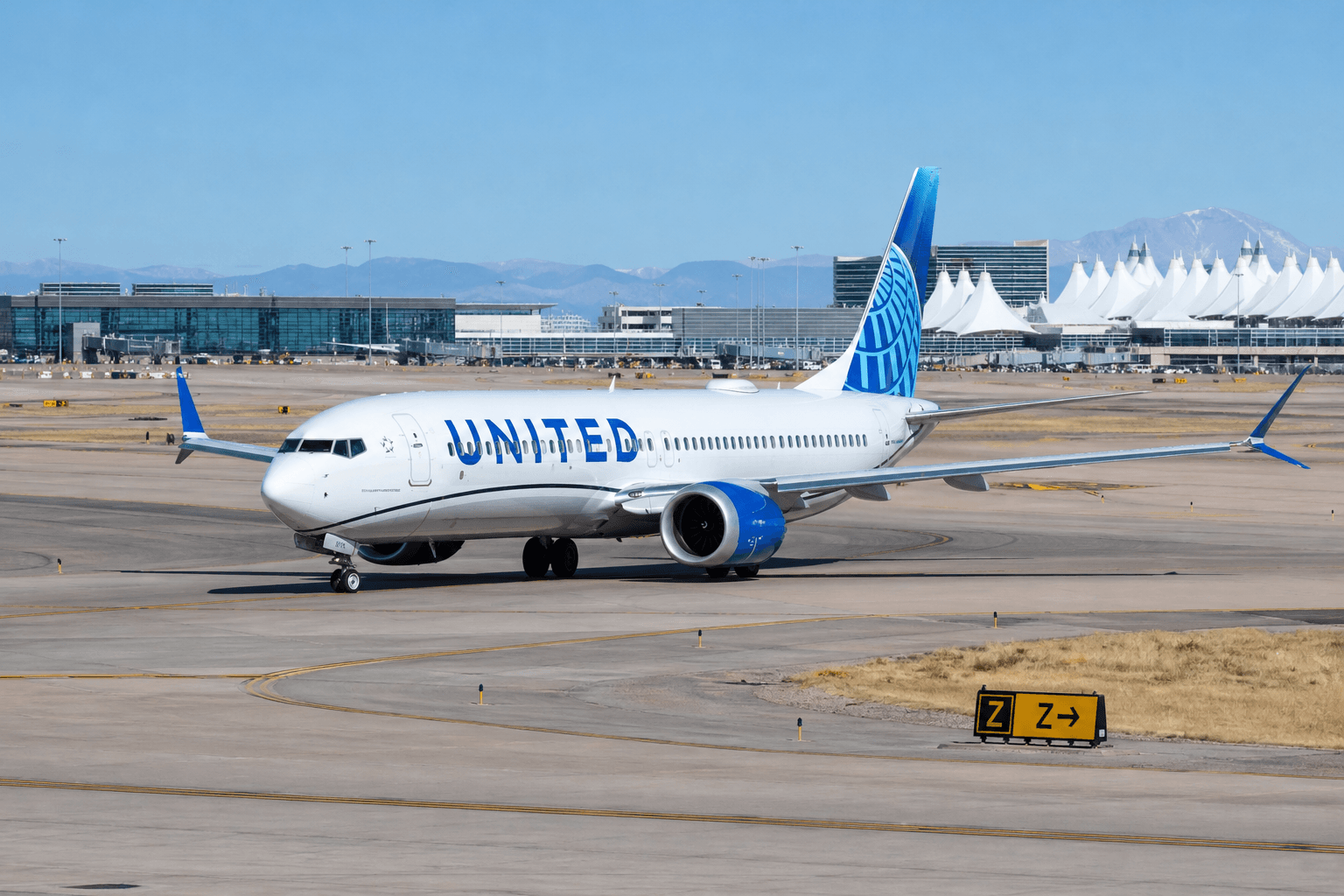
United Airlines Doubles Flights on Seven Denver Routes for Summer 2027
United Airlines will increase frequencies on seven domestic routes from Denver International Airport, doubling daily flights to several mid-sized cities for summer 2027.
Magnifica Air Orders 10 Airbus ACJ220-300s Featuring Private Suite and 54 Seats
Florida-based Magnifica Air confirms purchase of ten ACJ220-300 corporate jets, expanding its fleet and offering a private suite in a 54-seat luxury layout.
The Daily Touch & Go
The day's best aviation news in your inbox. Free, no spam.