

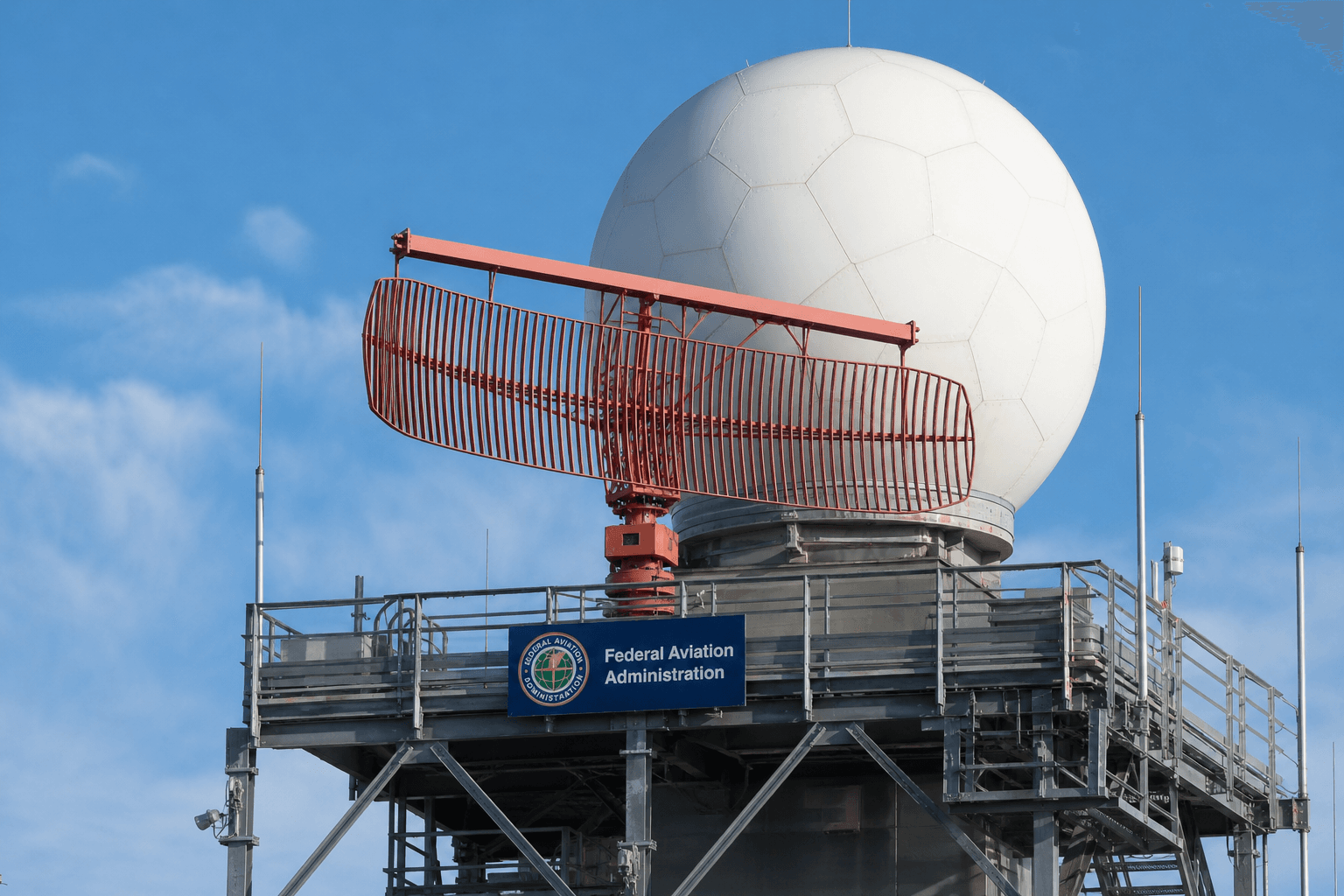
AI-generated illustration
Airlines
United CEO urges swift upgrade of US air traffic control after massive outage
A nationwide FAA radar and communication failure triggered over 15,000 flight cancellations, prompting calls for urgent modernization funding.
The gist
United's CEO calls for immediate investment to fix US air traffic control as system outage causes thousands of cancellations.
Continuing coverage
All Faa →- FAA Investigates Ground Collision Between UPS 767 and Copa 737 at Miami
- FAA Mandates Inspections on Select Boeing 787s for Potential Fuel Tank Lightning Risk
- FAA orders nationwide ground stop after communication failures at all ARTCCs
- FAA puts digital air traffic control towers into operation at Florida and Alaska airports
United Airlines CEO Scott Kirby described the recent nationwide air traffic control failure as a call to action following a disruption that led to more than 15,000 flight cancellations over a weekend. The incident originated from issues at radar and radio facilities managed by the FAA, leading to an extended ground stop on 13 November.
The FAA attributed the cascade of problems to failures at a radar site near Amarillo, Texas, and a radio facility in Arkansas, where contractor L3Harris has been implementing upgrades. The issues expanded to affect 17 of the 22 air route traffic control centers along with terminal radar approach controls, grounding flights nationwide for approximately four hours.
Kirby praised the FAA’s swift move to secure the airspace amid the crisis but emphasized the necessity of upgrading the antiquated air traffic control system. He urged for bipartisan congressional backing to enhance technology investments that would provide better redundancy and system resilience.
Transportation Secretary Sean Duffy echoed the call for increased funding toward airspace modernization. He raised the estimated cost of the project to $50 billion from an earlier $30 billion, noting that $12.5 billion had already been authorized by Congress last year for upgrades.
L3Harris stated it has completed over 70% of the upgrade work converting legacy copper wire infrastructure to fiber optics to improve system stability. The company is cooperating with the FAA's ongoing investigation into the outage’s root causes.
Despite the widespread operational impact, the FAA confirmed that safety was never compromised during the incident and ruled out cyberattack as a contributing factor. The agency lifted the ground stop after four hours, allowing flights to resume across the country.
Data from Cirium showed flight cancellations peaked on 13 November, with about 35% of scheduled flights affected, and remained nearly 30% on 14 November. The cancellation rate declined to approximately 7% by 15 November afternoon, nearing normal levels by that evening.
JetBlue Airways experienced the most severe impact, cancelling approximately 33% of its flights during 13-16 November, followed by American Airlines with a 23% cancellation rate. Both carriers, like many in the industry, offered fee waivers for passengers rescheduling affected flights.
American Airlines reported that with crews and aircraft realigned and favorable weather conditions, it anticipated fewer cancellations going forward. However, experts expected residual delays to continue into the following week as operations normalized.
Originally reported by FlightGlobal
Read more
All Airlines →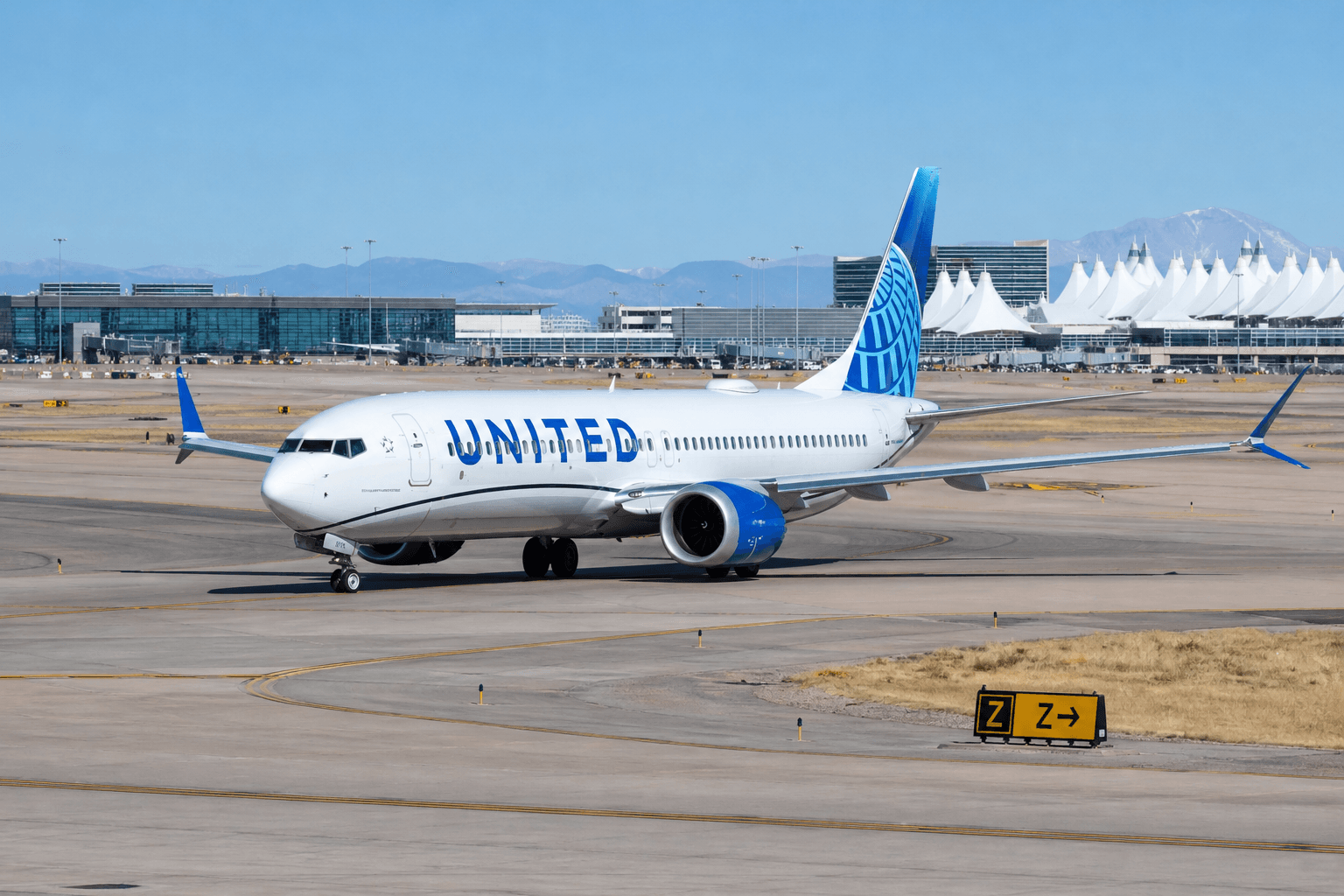
United Airlines Doubles Flights on Seven Denver Routes for Summer 2027
United Airlines will increase frequencies on seven domestic routes from Denver International Airport, doubling daily flights to several mid-sized cities for summer 2027.
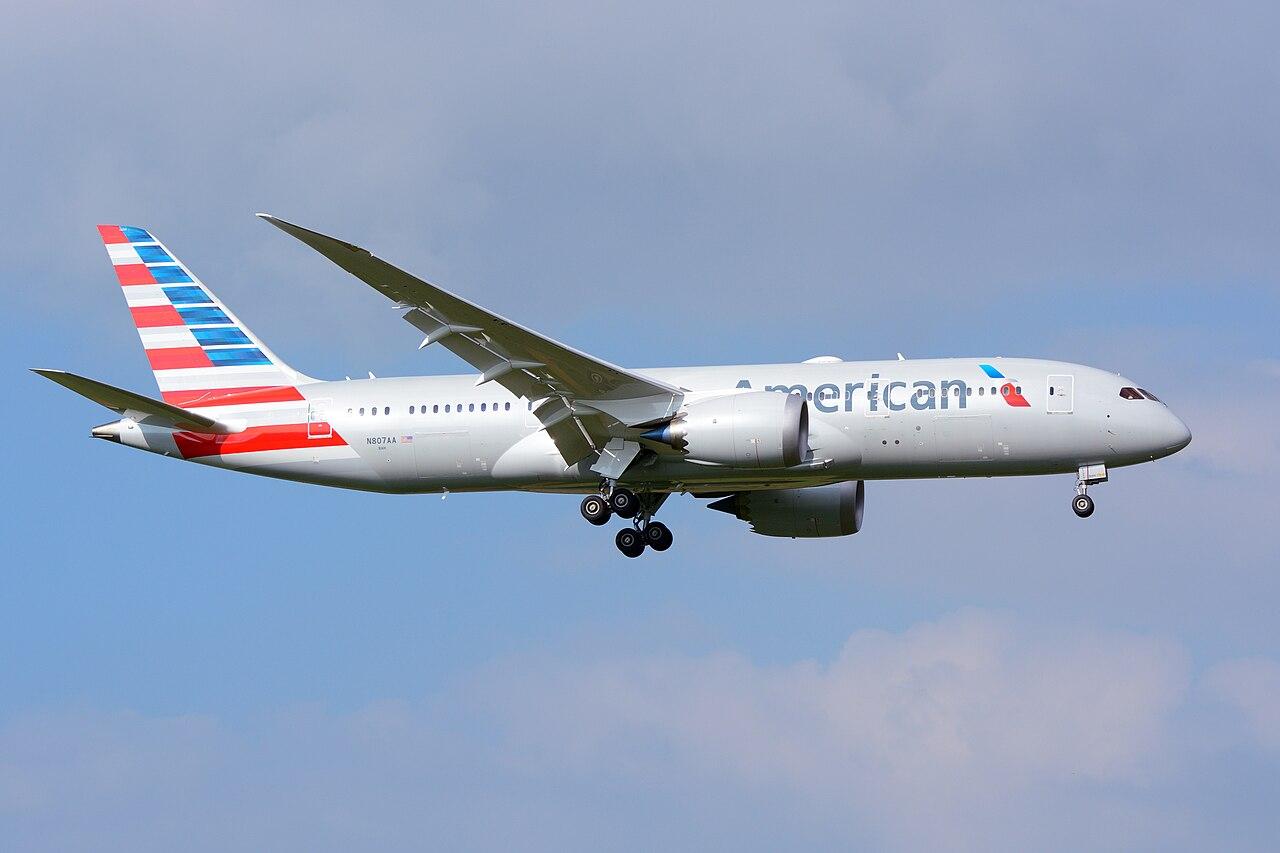
American Airlines Adds Seven New International Routes in Winter Schedule
American Airlines launched seven new international routes during the 2026-27 winter season, expanding its presence across North America, South America, Europe, and Asia with strategic use of narrowbody and widebody aircraft.
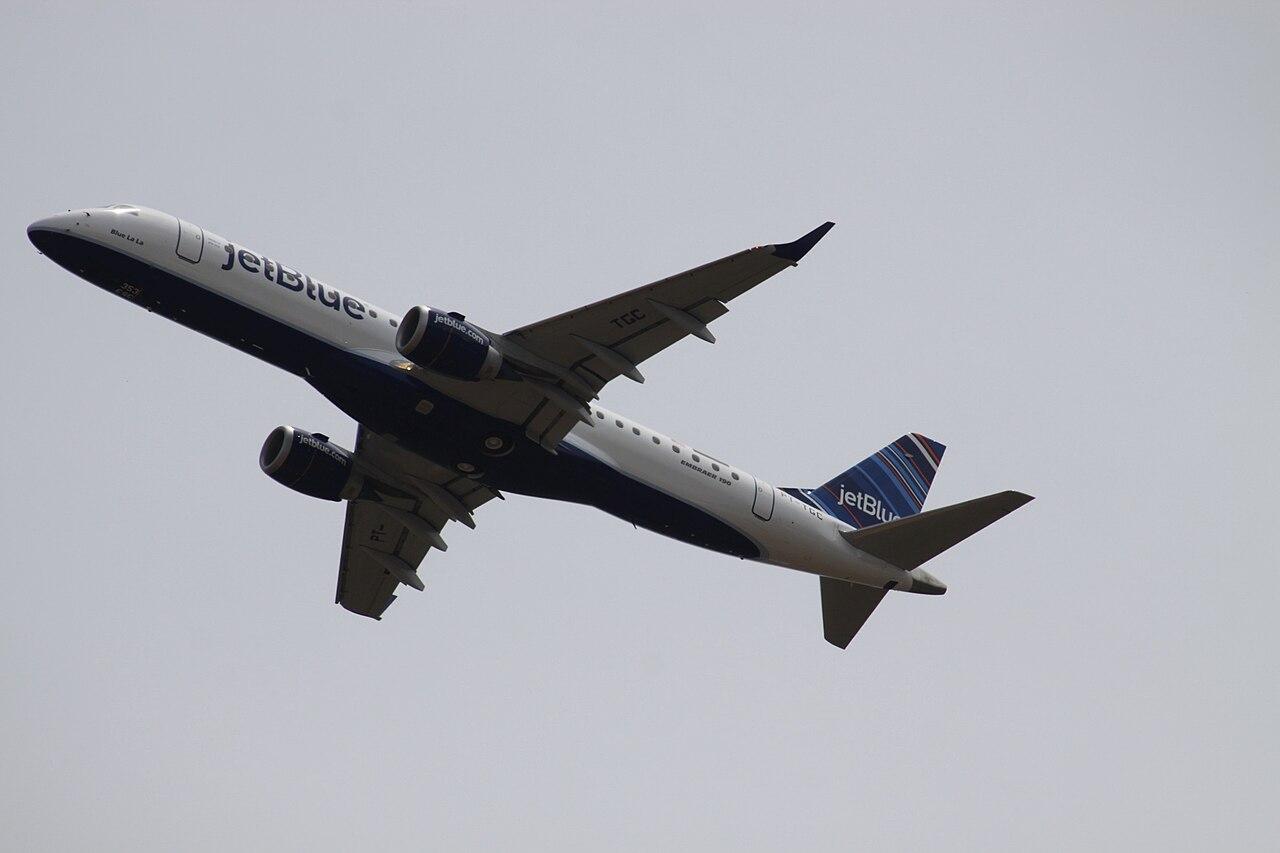
JetBlue Eliminates 35 Routes Including 22 Domestic and 13 International in 2026 Cuts
JetBlue has dropped 35 routes from its network, with no flights scheduled beyond October 2026 on those markets, reflecting shifting priorities in its domestic and international schedule.
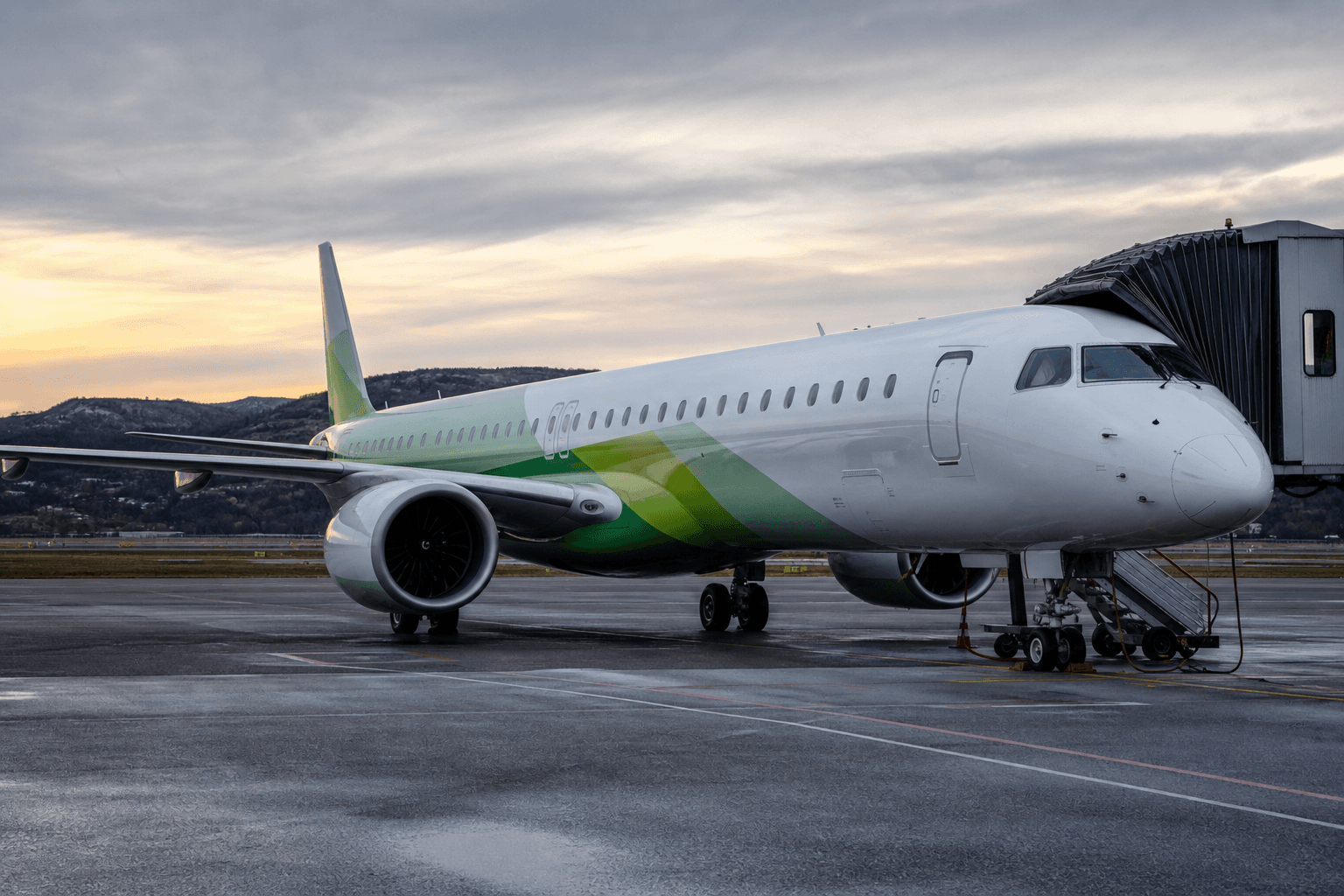
Widerøe Adds Two Embraer E195-E2 Jets to Expand Regional Network
Norwegian regional carrier Widerøe will lease two Embraer E195-E2 aircraft to enhance connectivity between major regional hubs, improving services beyond Oslo.
The Daily Touch & Go
The day's best aviation news in your inbox. Free, no spam.