

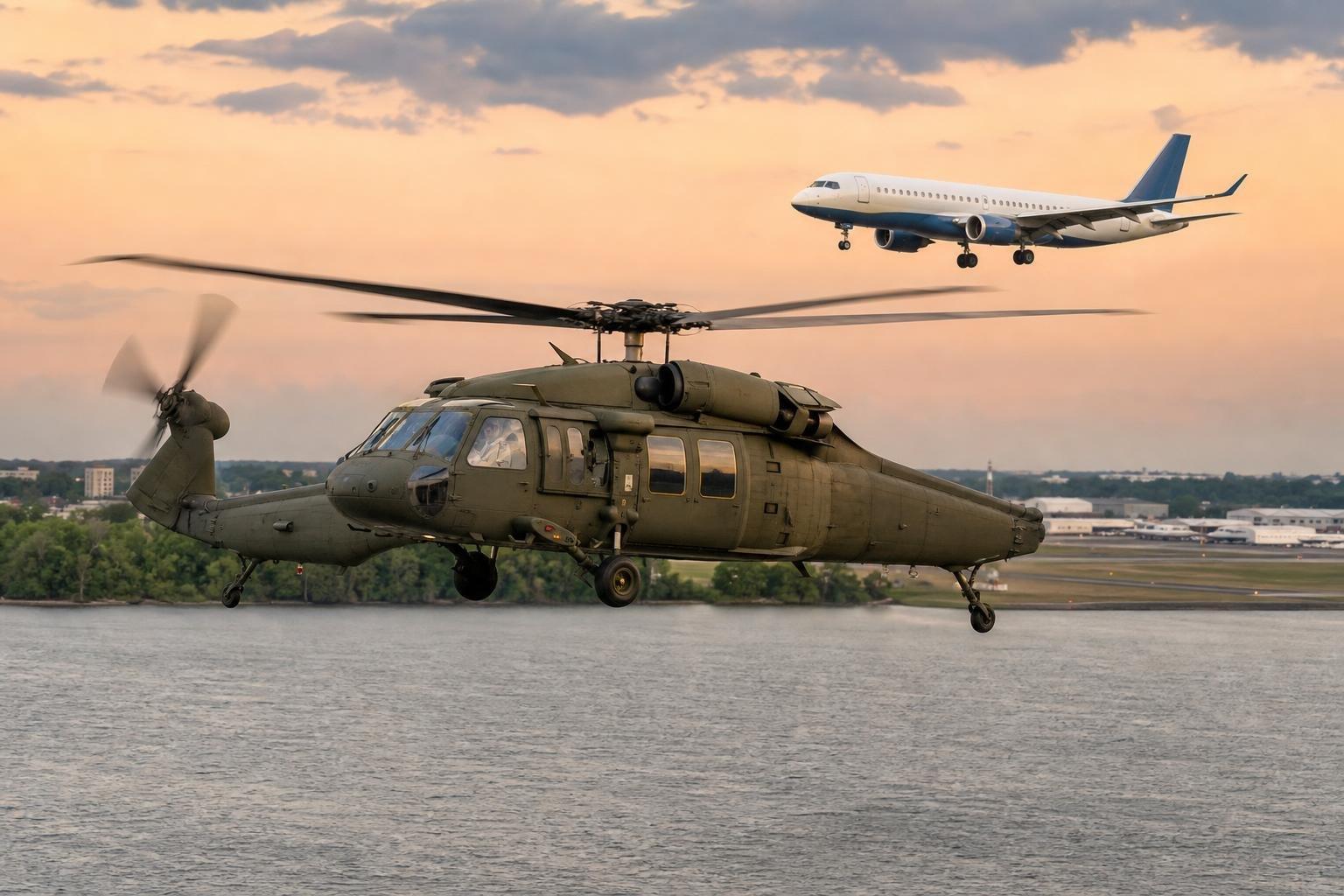
AI-generated illustration
Academy Report Says FAA Skipped Required Risk Assessment Before Closing DC Helicopter Route 4
A National Academy of Sciences review finds the FAA shut the helicopter route involved in the January 2025 midair collision without the safety analysis its own rules require, squeezing other helicopter traffic near Washington National.
The gist
The FAA closed DC's Route 4 without its required risk assessment, and the move compressed police and medevac helicopter traffic elsewhere, a congressional study found.
Continuing coverage
All Faa →- FAA Ground Stops Hit O'Hare and Atlanta on Three Straight Days of Thanksgiving Week
- Surface Radar Outage Forces Second Ground Stop in Two Days at Chicago O'Hare During Thanksgiving Rush
- Army Seeks to Restart Helicopter Training Flights Near Reagan National as FAA Approval Remains Pending
- FAA Follows Canada in Ordering Bell 429 Tail Rotor Checks Over Uncoated Bearings
- FAA Requires Stand-Alone Tower Supervisors for Line Up and Wait as Thanksgiving Rush Begins
The US Federal Aviation Administration closed a Washington, DC helicopter route without first carrying out the risk assessment its own safety management system requires, according to a report from the National Academy of Sciences. The study, completed at the request of Congress, examined the FAA's March 2025 decision to shut helicopter Route 4, the corridor where a US Army helicopter and a regional jet collided in January of that year. The Academy concluded that eliminating the route without thorough consideration of all potential risks violated the agency's own safety risk management principles. It added that local helicopter operators had raised that objection at the time.
Route 4 runs north-south along the east side of the Potomac River and crosses beneath the approach to runway 33 at Ronald Reagan Washington National airport, which sits on the opposite bank. On 29 January 2025, a US Army Sikorsky UH-60L flying the route on a training flight struck a PSA Airlines MHIRJ CRJ700 that was on approach to runway 33. All 64 people aboard the jet and all three people on the helicopter were killed.
The National Transportation Safety Board found that the helicopter had been flying above the route's 200ft altitude cap. The board attributed the crash to numerous factors, including some involving the FAA and the Army. Among its recommendations, the NTSB said the FAA should close part of Route 4 whenever runway 33/15 is in use. The FAA went further, closing Route 4 permanently regardless of runway use, though exceptions exist for some flights.
According to the Academy, that closure, together with the FAA's partial closure of another nearby helicopter route, compressed the helicopter zones over parts of the Washington National airspace. Those are areas where police, medevac and other helicopters regularly operate without following defined routes. The report acknowledged that removing Route 4 on its face eliminated a key hazard of another midair collision. But it said the FAA did not account for other unintended risks the change might have introduced into the system.
The report also described how the decision moved through the FAA's internal process. After the collision, the agency's air traffic organisation set up safety risk management panels to assess changes to helicopter routes. Panel leaders concluded that eliminating Route 4 did not require a risk assessment. Local helicopter operators sitting on the panel disagreed, arguing that the change could introduce new hazards and should therefore trigger a formal panel review, the Academy said.
The FAA said it is reviewing the findings and will keep looking for ways to build on safety in the airspace around Washington National and across the national airspace system.
The report was released days before Politico reported on 23 November that the Army wants to resume helicopter training flights through other airspace the FAA closed in May 2025 over collision concerns. That month, after a separate incident in which a Black Hawk came too close to the airport, the FAA ordered operations at the Pentagon's heliport to stop. The FAA said it has not received a formal request to resume military helicopter flights around Washington National, and that agency approval is required before any training in the area can restart. The Army did not respond to a request for comment.
Congress directed the Academy to broadly evaluate airspace risks near Washington National after the NTSB released its accident report in February. The Academy said it is now working on a second and final report that will examine some of those risks in greater detail.
Originally reported by FlightGlobal
Read more
All Aviation Safety →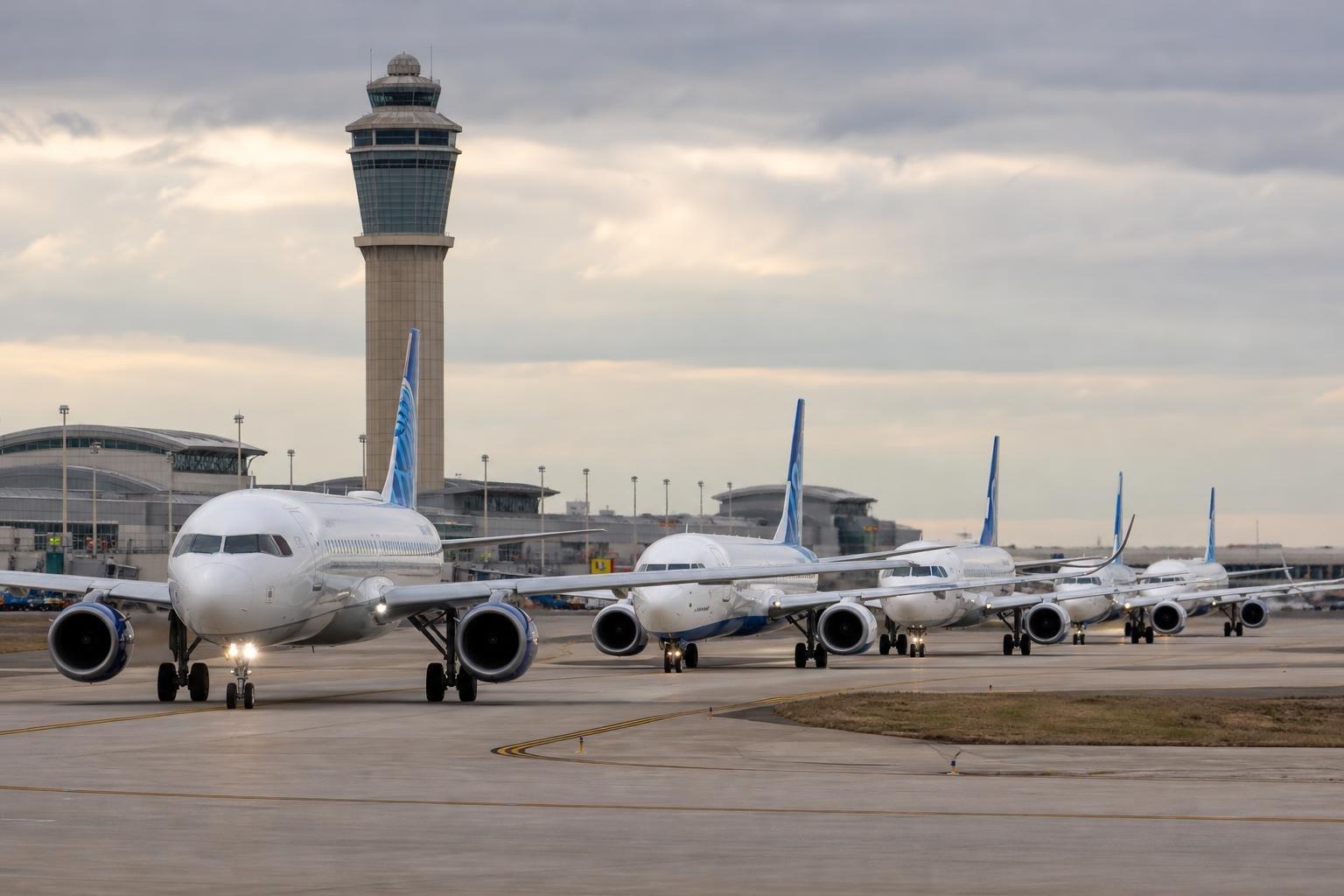
Surface Radar Outage Forces Second Ground Stop in Two Days at Chicago O'Hare During Thanksgiving Rush
The FAA halted some O'Hare-bound flights after a failure of the ASDE-X ground surveillance system, then replaced the stop with a delay program running to midnight on the busiest day of Thanksgiving travel.
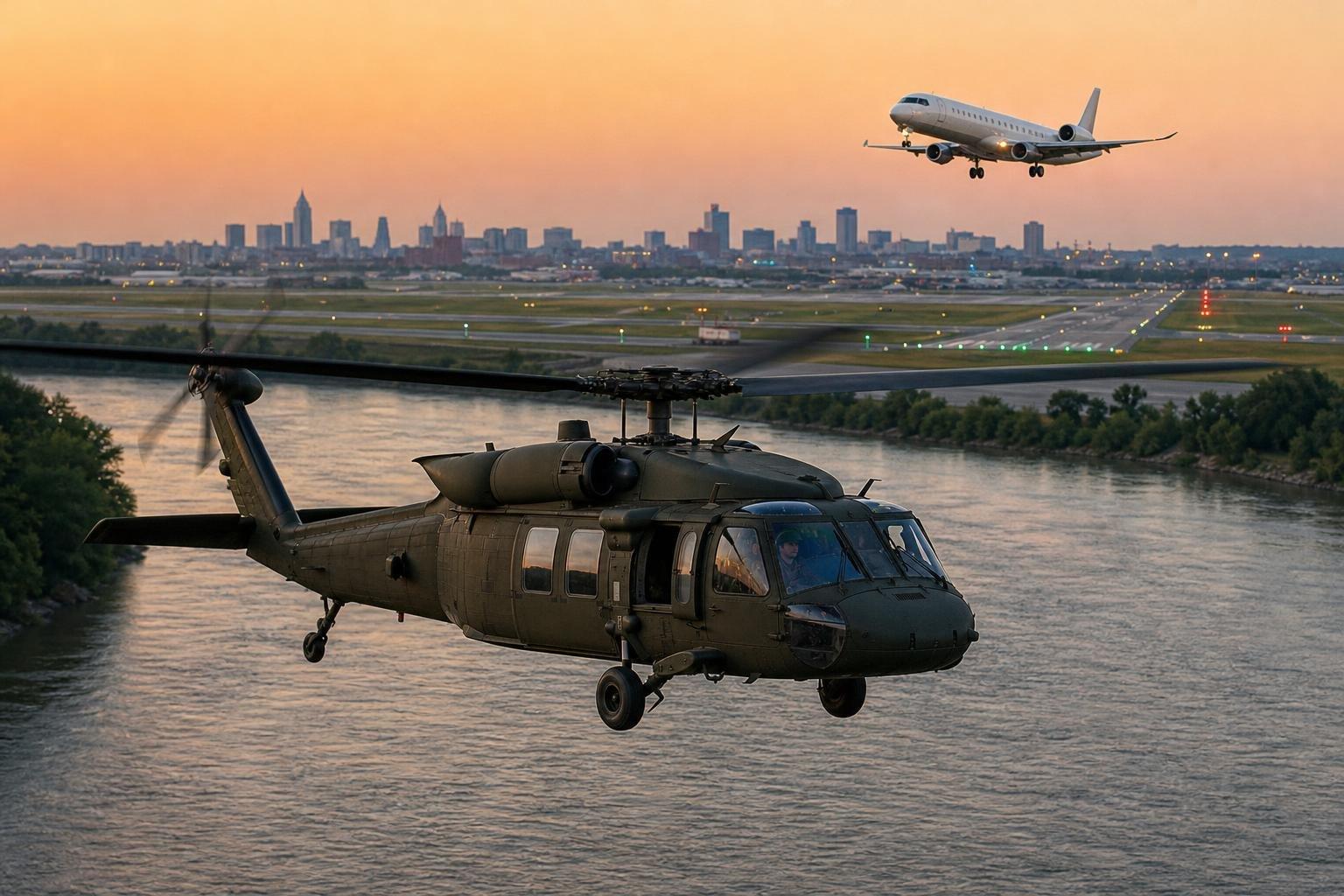
Army Seeks to Restart Helicopter Training Flights Near Reagan National as FAA Approval Remains Pending
The Army has contacted the FAA about resuming helicopter training near Washington's Reagan National Airport, a step Rep. Don Beyer opposes until NTSB safety recommendations are fully in place.

FAA Follows Canada in Ordering Bell 429 Tail Rotor Checks Over Uncoated Bearings
A supplier quality escape left some Bell 429 tail rotor pitch-link bearings without a required hard coating, prompting US and Canadian regulators to mandate repeat inspections.
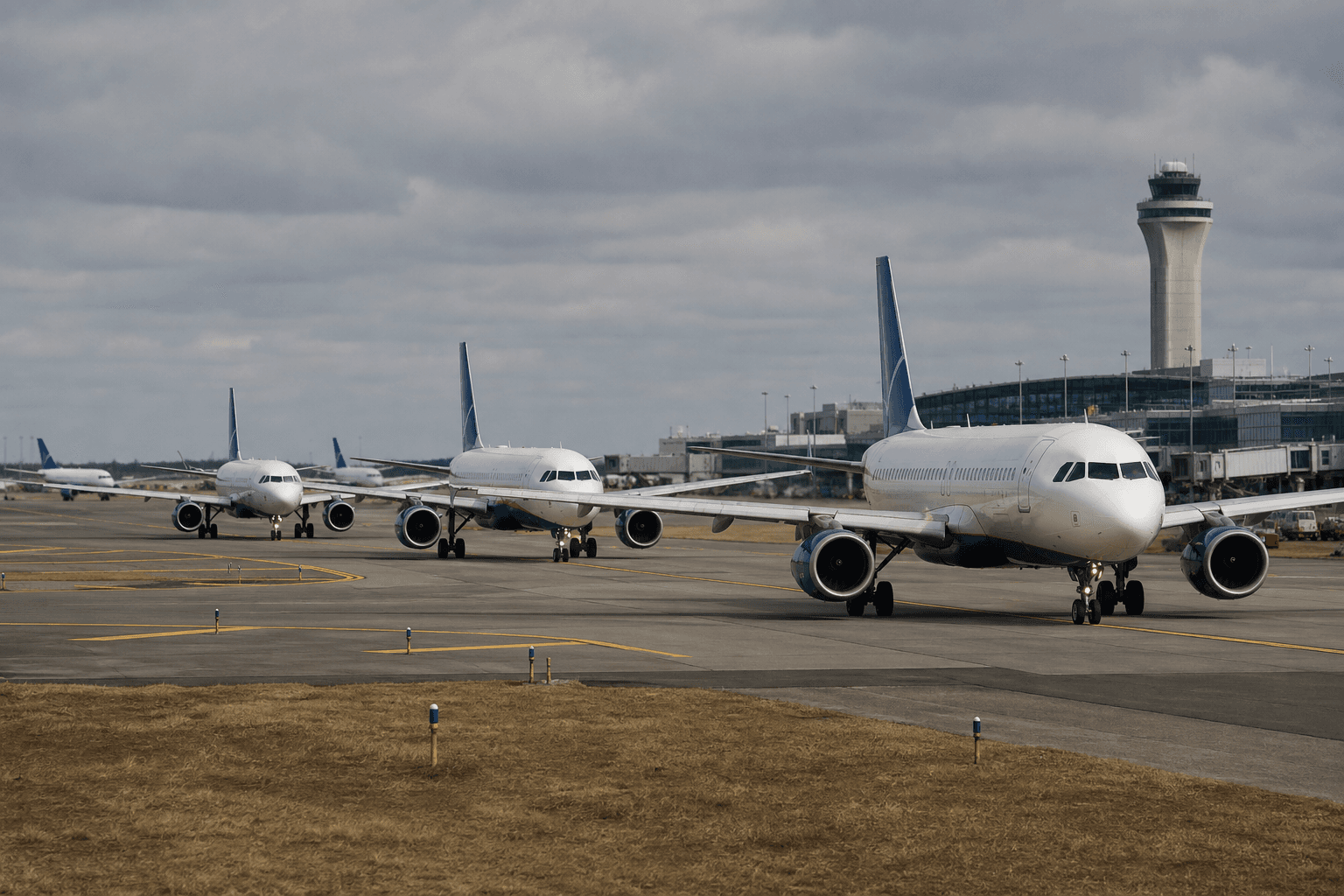
FAA Halts O'Hare Arrivals for Over an Hour as Chicago TRACON Runs Short of Controllers
A staffing shortfall at the radar facility that handles Chicago arrivals triggered a ground stop for O'Hare-bound flights on Monday, at the start of the Thanksgiving travel period.
The Daily Touch & Go
The day's best aviation news in your inbox. Free, no spam.