

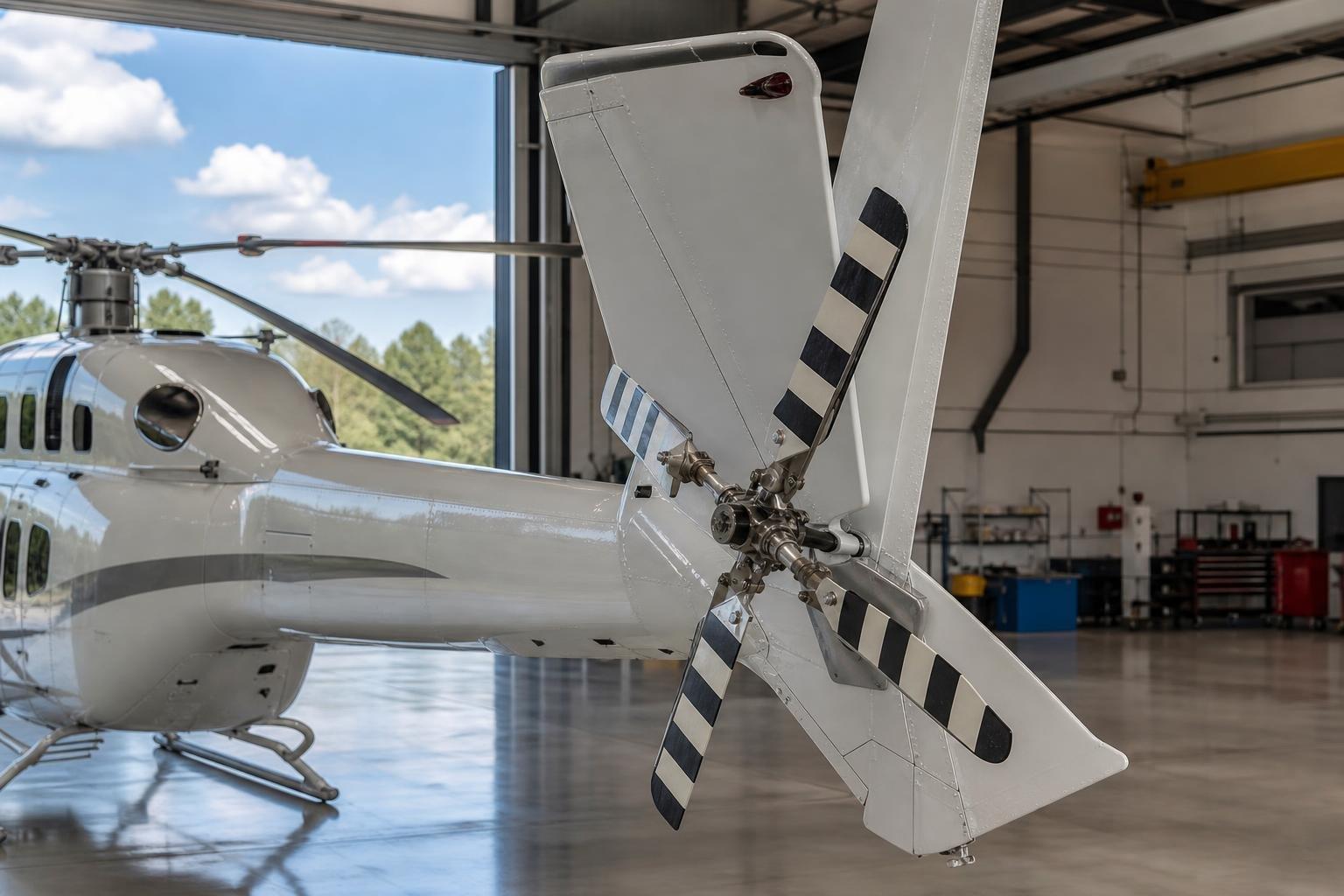
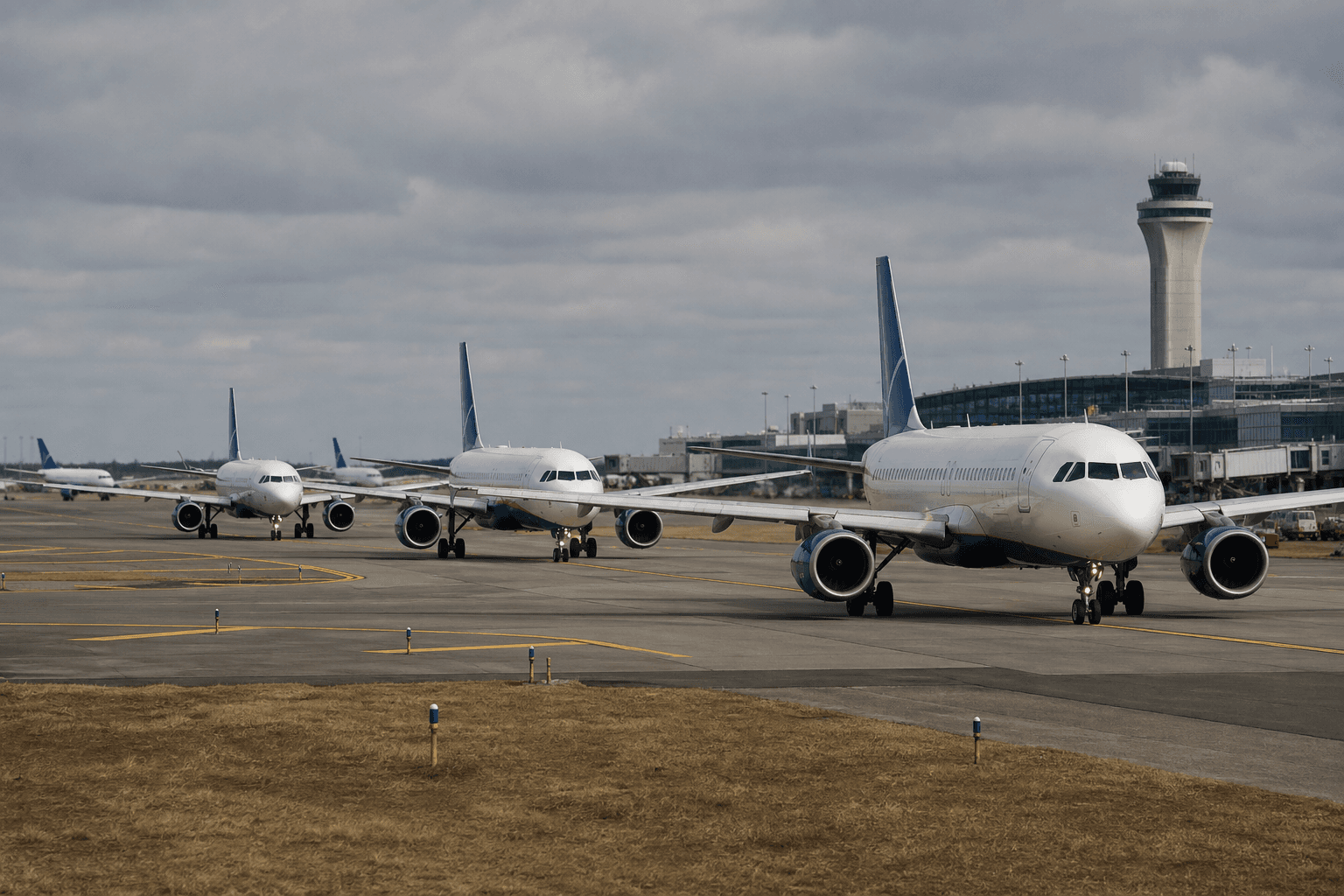
AI-generated illustration
FAA Follows Canada in Ordering Bell 429 Tail Rotor Checks Over Uncoated Bearings
A supplier quality escape left some Bell 429 tail rotor pitch-link bearings without a required hard coating, prompting US and Canadian regulators to mandate repeat inspections.
The gist
US and Canadian regulators now require recurring inspections of Bell 429 tail rotor pitch links after uncoated bearings were found wearing out early.
Continuing coverage
All Faa →- Academy Report Says FAA Skipped Required Risk Assessment Before Closing DC Helicopter Route 4
- FAA Ground Stops Hit O'Hare and Atlanta on Three Straight Days of Thanksgiving Week
- Surface Radar Outage Forces Second Ground Stop in Two Days at Chicago O'Hare During Thanksgiving Rush
- Army Seeks to Restart Helicopter Training Flights Near Reagan National as FAA Approval Remains Pending
- FAA Requires Stand-Alone Tower Supervisors for Line Up and Wait as Thanksgiving Rush Begins
The US Federal Aviation Administration has ordered operators of Bell 429 light-twin helicopters to inspect their tail rotor pitch-link assemblies after a manufacturing problem left some spherical bearings without a required hard coating. Without that coating, the bearings wear out faster than expected. The FAA published the requirement as a final rule on 23 October, and it applies to 152 US-registered helicopters.
The US action follows Canada. Transport Canada issued its own airworthiness directive addressing the same bearing defect in October, and the two regulators now require operators to take the same basic steps on the 429 fleet.
The problem surfaced through reports to the manufacturer. According to Transport Canada's directive, Bell received reports of premature wear-out of the spherical bearings installed on certain tail rotor pitch-link assemblies. The Canadian directive attributes the faster-than-expected degradation to a quality escape at a supplier, which allowed bearings to leave production without the hard coating they were required to have. Bell did not immediately respond to a request for comment.
The FAA described how the missing coating affects the part. Without it, the ball inside the bearing has reduced wear resistance and frets when it comes into contact with the inner bearing race, the agency said. The FAA said the potential consequence is failure of the tail rotor pitch-link assembly and loss of control of the helicopter.
Under both the US and Canadian orders, operators must visually inspect the 429's tail rotor pitch-link assemblies for cracks, wear, corrosion and other damage. The deadline for the first inspection depends on how much flight time each assembly has already accumulated. Assemblies that have not yet reached 120 flight hours must be inspected before they reach 150h. Assemblies that have already passed 120 flight hours must be inspected within the next 30h of flight.
The directives do not stop at a single check. Operators must replace any worn parts they find during the inspections. They must also repeat the inspections at intervals that do not exceed 110 flight hours, so each pitch-link assembly on an affected helicopter comes back for examination on a recurring basis rather than being cleared once.
The FAA took an unusual procedural route to put its requirement in place. The agency typically solicits public comments before finalizing a rule of this kind, but it issued the Bell 429 order as a final rule without that step. The FAA said it skipped the comment period because an unsafe condition exists.
Originally reported by FlightGlobal
Read more
All Aviation Safety →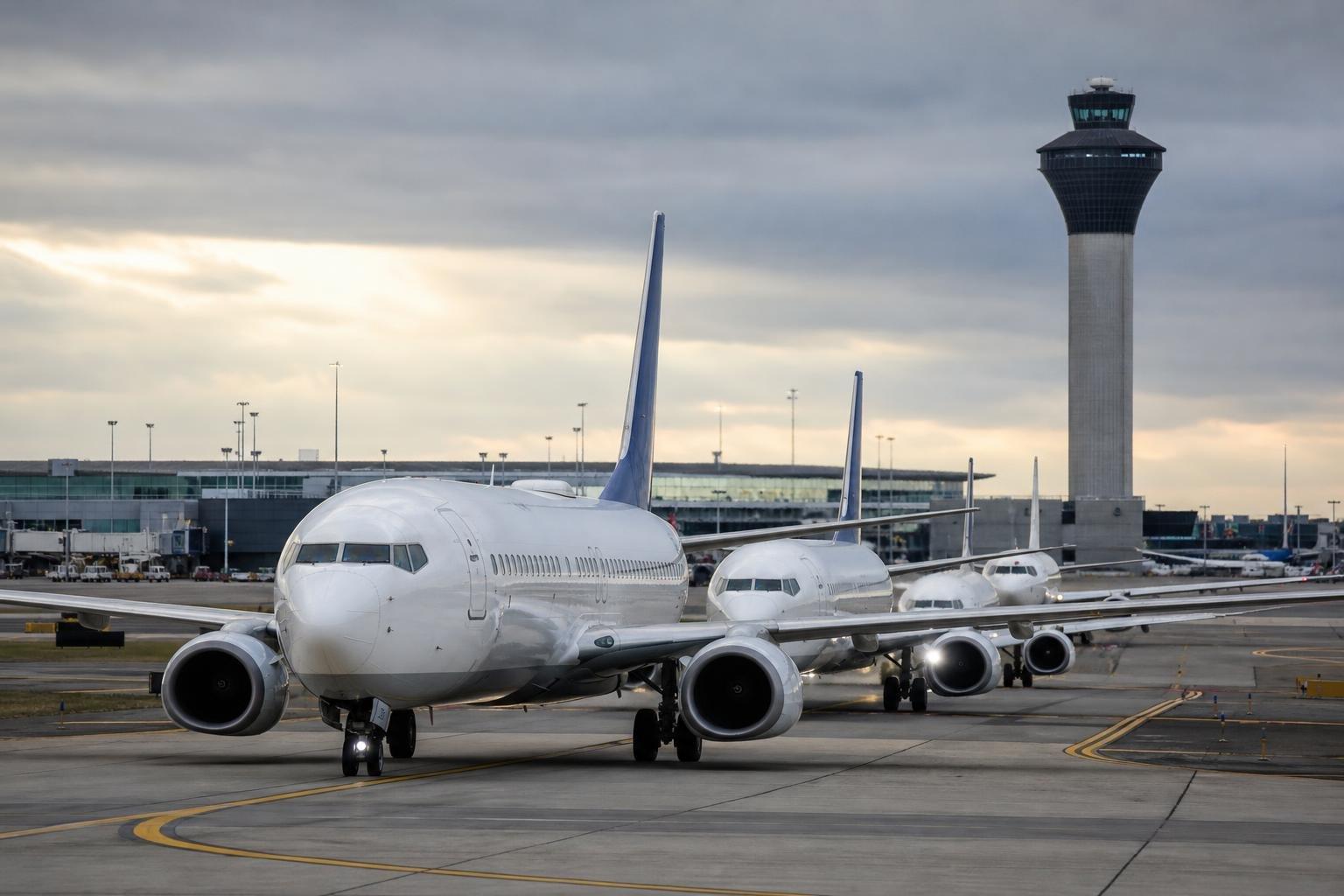
FAA Ground Stops Hit O'Hare and Atlanta on Three Straight Days of Thanksgiving Week
Radar, airline software and staffing problems halted flights at the two busiest US hubs, less than two weeks after the November 13 nationwide air traffic control breakdown.
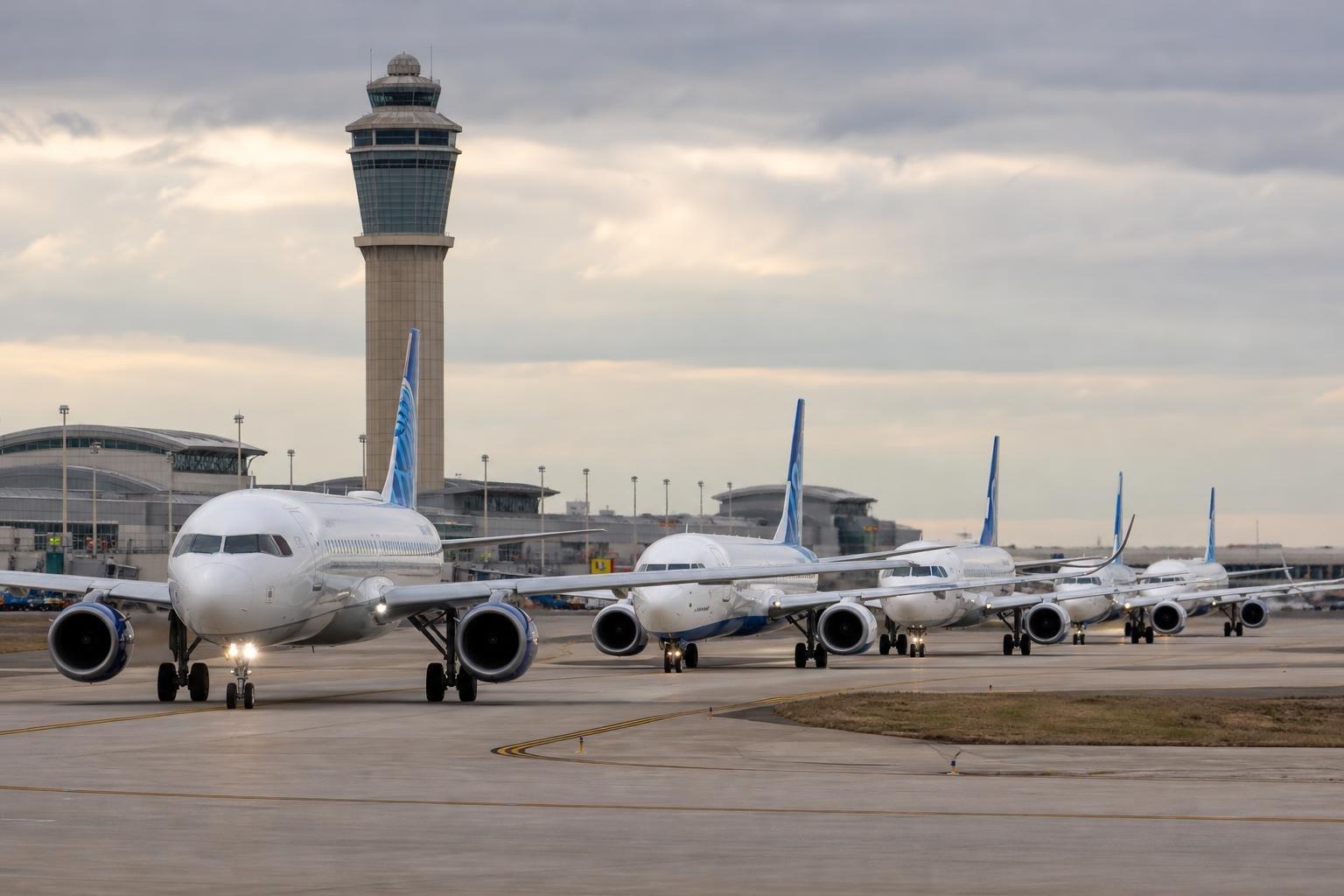
Surface Radar Outage Forces Second Ground Stop in Two Days at Chicago O'Hare During Thanksgiving Rush
The FAA halted some O'Hare-bound flights after a failure of the ASDE-X ground surveillance system, then replaced the stop with a delay program running to midnight on the busiest day of Thanksgiving travel.
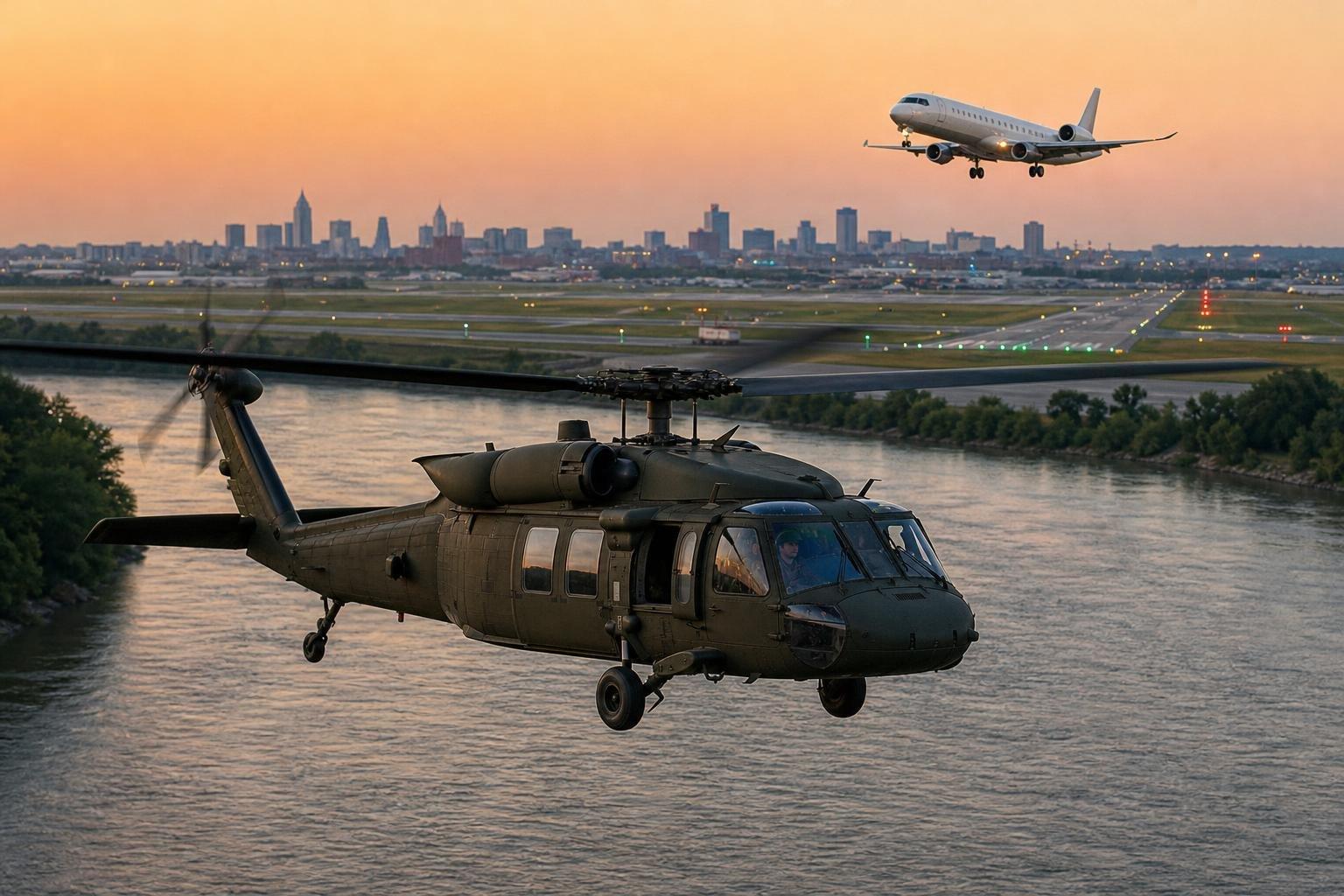
Army Seeks to Restart Helicopter Training Flights Near Reagan National as FAA Approval Remains Pending
The Army has contacted the FAA about resuming helicopter training near Washington's Reagan National Airport, a step Rep. Don Beyer opposes until NTSB safety recommendations are fully in place.
FAA Halts O'Hare Arrivals for Over an Hour as Chicago TRACON Runs Short of Controllers
A staffing shortfall at the radar facility that handles Chicago arrivals triggered a ground stop for O'Hare-bound flights on Monday, at the start of the Thanksgiving travel period.
The Daily Touch & Go
The day's best aviation news in your inbox. Free, no spam.