

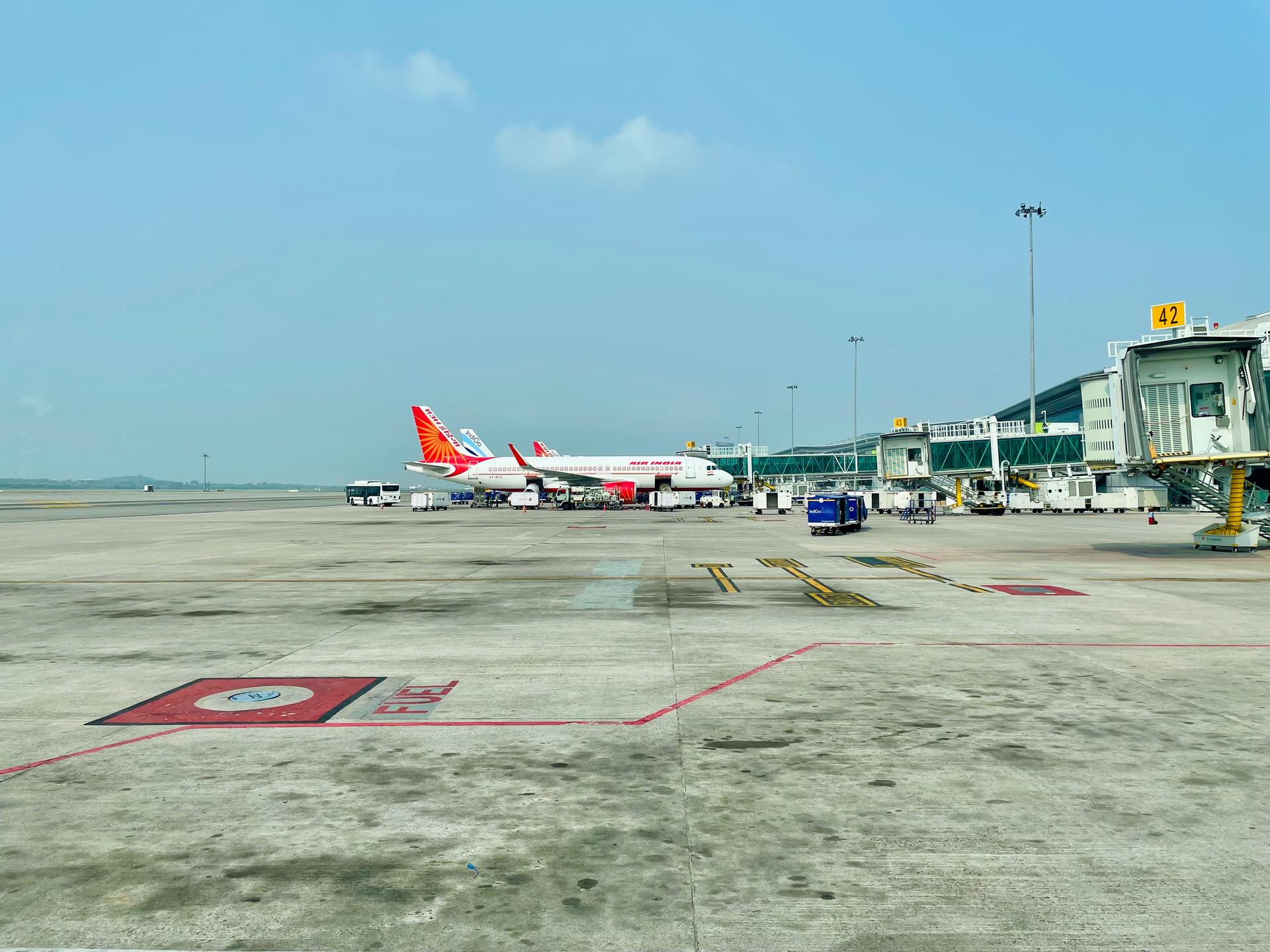
Image: AjayDas · CC BY-SA 4.0 · via Wikimedia Commons
Air India Group Targets ₹6,000 Crore in Savings Under One Air India Group Plan, Rules Out Merger
CEO Tewolde Gebremariam told staff that Air India and Air India Express will share support functions and explore freighter and tour businesses while keeping separate operating certificates.
The gist
Air India Group wants ₹6,000 crore in savings by pooling back-office work across its two airlines, without merging Air India and Air India Express.
Continuing coverage
All India →- Tata Sons Gives Air India CEO Tewolde Gebremariam Free Hand to Rebuild Senior Leadership
- Pilots' Federation Asks India to Curb SpiceJet Flights and Vet Its ₹5,500-Crore Fundraise
- Indian Carriers Schedule 7,154 Fewer Domestic Flights for November and December Peak
- Philippine Airlines Plans Nonstop Manila Flights to Delhi and Mumbai From December
- Gulf Carriers Threaten Diplomatic Escalation as Mumbai Airport Pushes 14 Routes to Navi Mumbai
Air India Group is targeting ₹6,000 crore in cost savings through a restructuring called One Air India Group, Chief Executive Officer and Managing Director Tewolde Gebremariam told employees at a town hall on November 25, 2026. The plan brings the Tata Group-owned Air India and Air India Express closer together by moving support work under group-level management. The two carriers will not merge. The group is also studying dedicated freighter operations and an in-house tour business as new sources of revenue as it works to restore profitability over the next few years.
Gebremariam said the group has so far identified about ₹3,500 crore in potential cost-saving opportunities and has already achieved savings of around ₹1,500 crore. A dedicated cost transformation programme, led by 11 senior leaders, has been set up to find efficiencies across the organisation. That team has received more than 1,500 suggestions from employees on cutting costs and improving operations.
The financial pressure is heavy. The airline group reported a combined loss of more than ₹22,000 crore for the financial year ended March 2026. Mint put the combined figure at approximately $2.33 billion and reported that it was more than twice the previous year's losses. Pakistan's airspace restrictions, disruptions linked to conflict in West Asia and higher aviation fuel costs have all weighed on the group's results.
Under the new structure, Air India and Air India Express will keep their separate Air Operator Certificates, along with their own legal responsibilities and regulatory obligations. Customer-facing, operational and regulatory functions will stay separate at each airline. Enabling functions, including finance, human resources, information technology and centres of excellence, will increasingly be run at group level to cut duplication. Air India will remain a full-service carrier, while Air India Express keeps its low-cost positioning. Air India Express CEO Deepak Rajawat will join the Air India management team.
The group is also creating two new leadership posts. A Group Strategy Officer will support long-term planning, network development and business diversification. A Chief of Training Academy will bring the group's flying academy, flight training organisations and technical training capabilities under a single leadership structure.
On revenue, Gebremariam said the group plans to enter the dedicated freighter business to tap demand in the air cargo market. It is also exploring packaged tour offerings through an in-house tour operations business, in collaboration with India's tourism ministry. The proposed tour business would target both international tourists coming to India and Indian travellers heading overseas. Gebremariam said the opportunity extends beyond air travel, with the airline aiming to earn additional revenue from on-ground tourism services and packages built around its existing passenger network.
For passengers, the announcement brings no immediate changes to bookings, fares, schedules, branding or onboard services. Travellers can keep using each airline's existing channels, and no specific passenger-facing improvements from the restructuring have been confirmed.
Separately, Air India is partially restructuring its network to reduce disruption from continuing airspace restrictions. Under the revised approach, more west-bound connecting traffic is being routed through Mumbai, which is less affected by airspace closures, while Delhi will increasingly handle east-bound connecting traffic.
Reported by Aviation A2Z, with additional reporting from Storyboard18
Read more
All Airlines →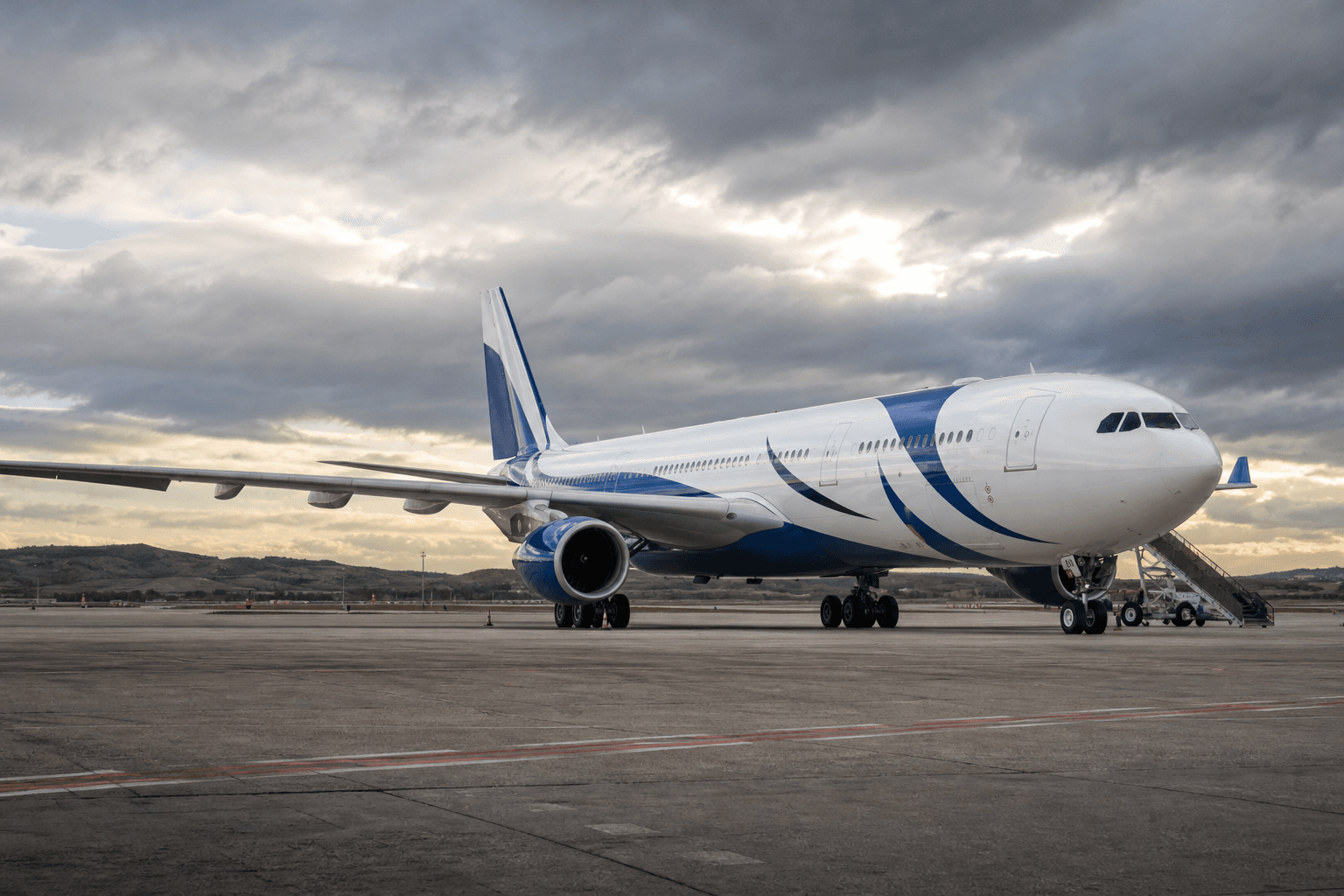
Plus Ultra Drops Lima and Buenos Aires, Enters Pre-Insolvency Talks with Creditors
The Spanish long-haul carrier plans to cut scheduled flight hours by more than 61%, shrink its fleet and open a redundancy process covering 679 Madrid staff.
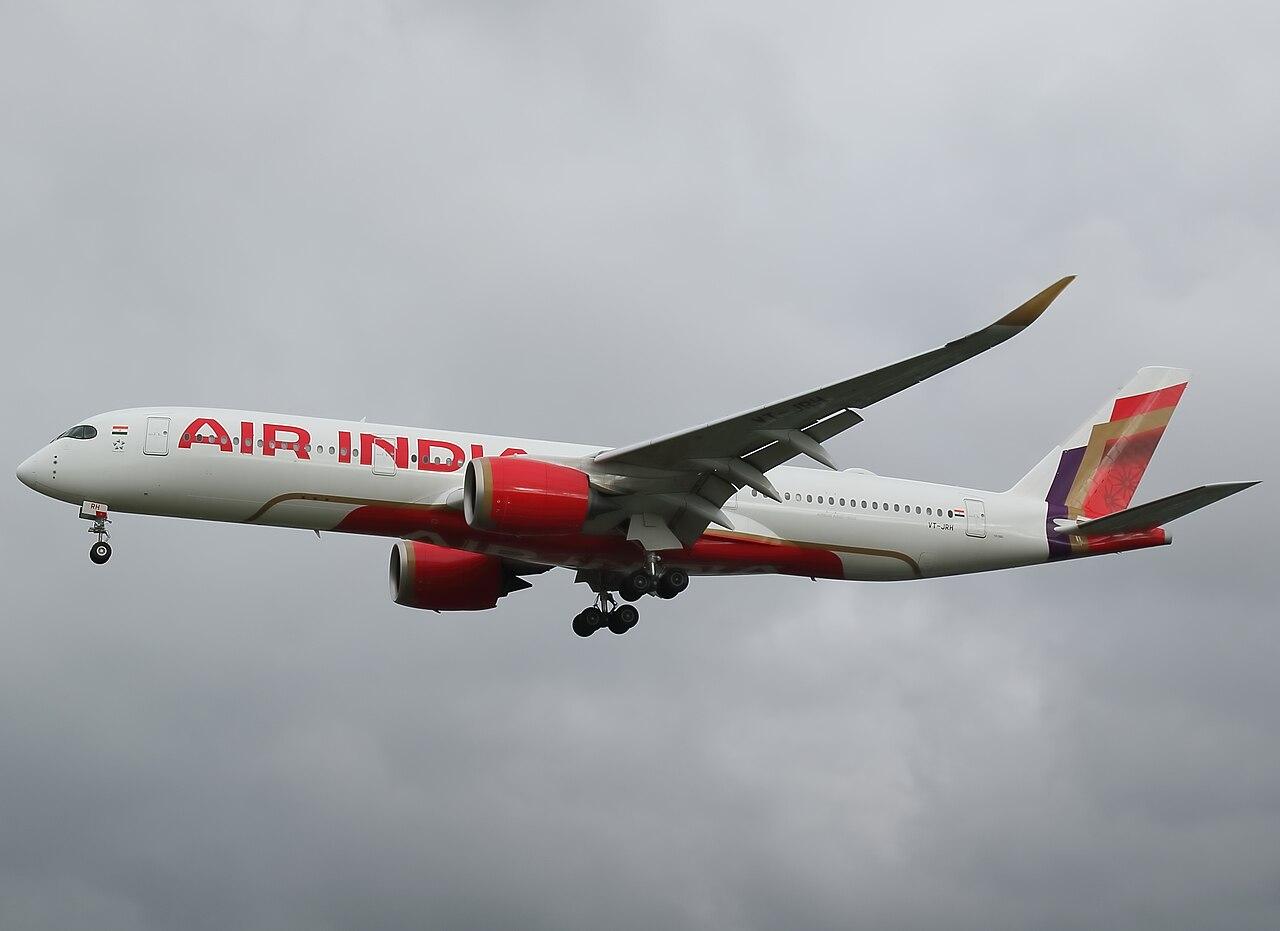
Air India Drops Rome Fuel Stops and Restores Non-Stop Delhi and Mumbai Flights to New York and Newark
With airspace restrictions easing, Air India is again flying all four of its India to New York-area routes without technical stops, cutting journeys from about 22 hours to roughly 17.
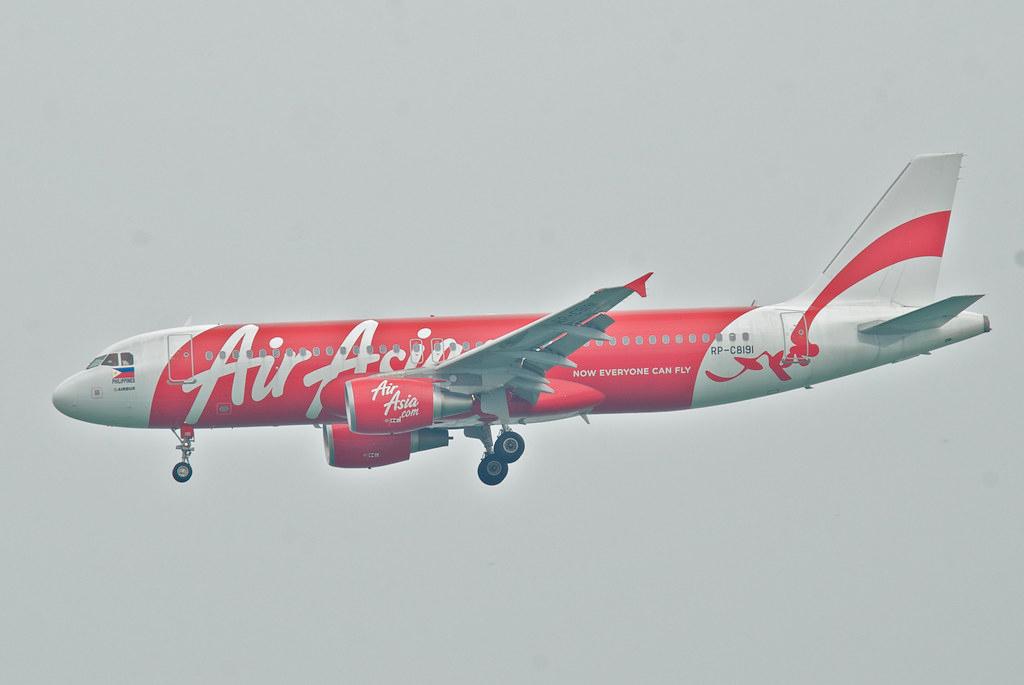
AirAsia Philippines Pilots' Union Announces Strike After Airline Moves to Cut About 90 Pilots
The AirAsia Philippines Pilots' Union said it will strike after management told roughly 90 captains and first officers, nearly half the pilot workforce, that their jobs would end on December 31.
AirAsia Pushes Malaysian Staff Pay to Month-End as Losses Mount and Fleet Shrinks
The Malaysian low-cost group says the payroll shift is an operational adjustment, as it returns 25 jets, cuts unprofitable routes and weighs government support while keeping its Airbus orders.
The Daily Touch & Go
Launching soon: the day's best aviation news in your inbox. Join the list, free.