

Image: simon butler from halesowen, uk · CC BY 2.0 · via Wikimedia Commons
Air India Drops Rome Fuel Stops and Restores Non-Stop Delhi and Mumbai Flights to New York and Newark
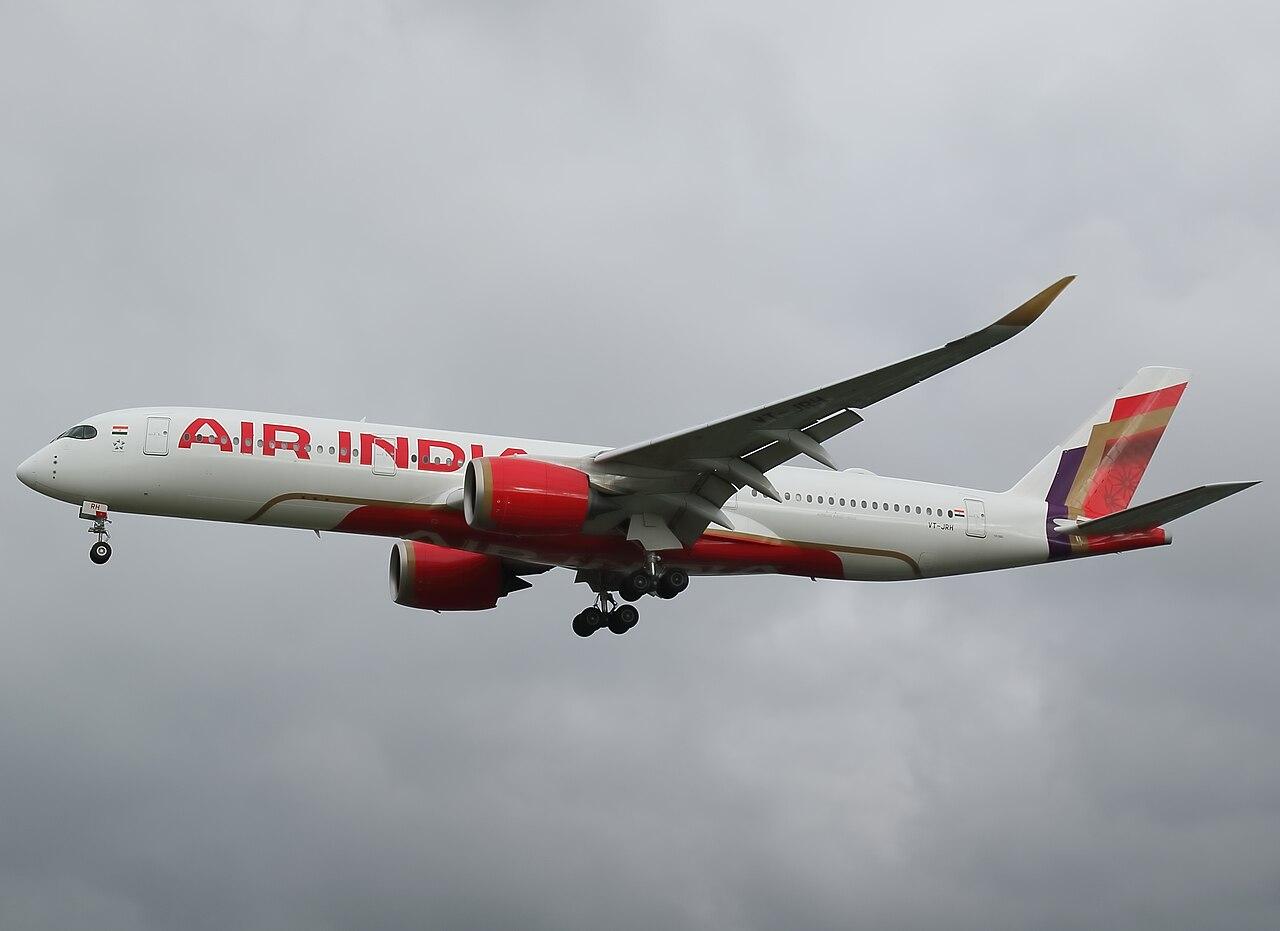
With airspace restrictions easing, Air India is again flying all four of its India to New York-area routes without technical stops, cutting journeys from about 22 hours to roughly 17.
The gist
Air India has ended Rome refuelling stops on its four New York-area routes, cutting trips from about 22 hours back to roughly 17.
Continuing coverage
All Air India →Air India has returned to non-stop operations on all four of its routes between India and the New York area, ending months of refuelling stops in Rome that had stretched some journeys by as much as five hours. The airline announced the change on 15 November, saying flights from Delhi and Mumbai to New York's John F. Kennedy International Airport and Newark Liberty International Airport were again running without technical stops. Trips that had taken around 22 hours with the Rome diversion now take approximately 17 hours. Air India said in its statement that the easing of airspace restrictions had allowed non-stop flying to resume across the four routes.
The restoration was phased in over several weeks. An Air India official said the carrier began bringing back the non-stop services during the first week of November, using Iraqi airspace as part of the revised routings. Flight tracking data shared by the airline showed AI119, a Boeing 777-300ER, flying from Mumbai to JFK on 14 November in under 17 hours. AI101 from Delhi to JFK on 13 November logged a total travel time of 17 hours and 34 minutes.
The disruption started earlier this year when Pakistan closed its airspace to Indian airlines. That shut off the westbound corridors Indian carriers would normally use across the country toward Europe and North America. Restrictions over parts of the Middle East, linked to regional conflict, pushed aircraft even farther off their usual tracks and forced them south through alternative corridors. On some services the extra distance meant aircraft could no longer complete the trip on one load of fuel, and Rome became the stop for affected JFK and Newark flights.
An Air India official had earlier described the effect in plain terms: the more airspaces closed, the farther south flights had to go, and the farther south they went, the higher the fuel bill. The same official said the impact of this year's restrictions had been worse than the previous year's. North American flights bore the brunt, since avoiding closed airspace added both flying time and fuel requirements on the airline's longest sectors.
The airline's announcement does not say that every restriction affecting Indian carriers has been lifted. It confirms only that enough have eased for the four New York-area services to operate without refuelling stops.
Two widebody types fly the restored routes. Airbus A350-900s operate from Delhi, with one daily flight to JFK and four weekly flights to Newark. Boeing 777-300ERs operate from Mumbai, with one daily flight to JFK and three weekly flights to Newark. Combined, the schedule amounts to 21 weekly departures from India to the New York metropolitan area.
The A350-900 entered Air India's fleet in 2024, first on domestic services before moving to international routes including London and New York. It seats 316 passengers in three classes: 28 in Business, 24 in Premium Economy and 264 in Economy. Business Class is laid out 1-2-1 with direct aisle access, flat-bed seats and sliding privacy doors, while Premium Economy sits in a separate cabin with 38 inches of pitch and Economy offers 31 inches. Seatback screens measure 21 inches in Business, 13.3 inches in Premium Economy and 12 inches in Economy, and the entertainment system carries more than 3,000 hours of content. Premium cabins also received new bedding, tableware and amenity kits, and internet connectivity is available on selected routes.
The Mumbai-based 777-300ERs carry 328 passengers across First, Business and Economy. The layout includes eight First Class suites with sliding doors, 40 flat-bed Business seats and 280 Economy seats, and Air India said the aircraft have upgraded cabin interiors. The investment in new aircraft and refurbished widebodies is part of the transformation the airline has pursued since returning to Tata Group ownership in January 2022.
Originally reported by Aerospace Global News
Read more
All Airlines →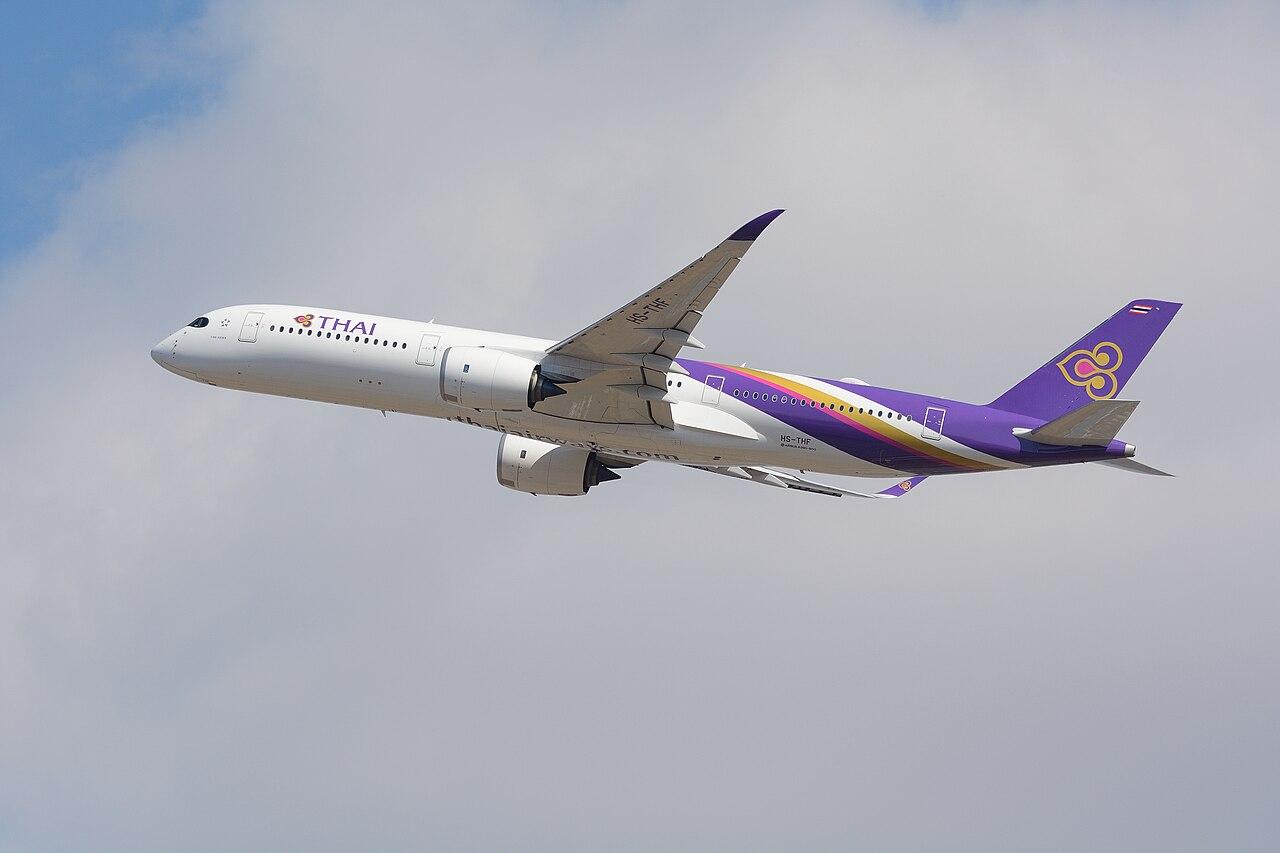
Thai Airways A350 Diverts to Delhi with Technical Fault, Munich Passengers Wait Two Days for Bangkok
Flight TG925 from Munich to Bangkok made an unscheduled landing in New Delhi, and Thai Airways later sent a dedicated flight to carry the stranded passengers home.
Entrepreneur Ronen Elad Agrees to Buy Arkia After Staff Block Consortium Sale
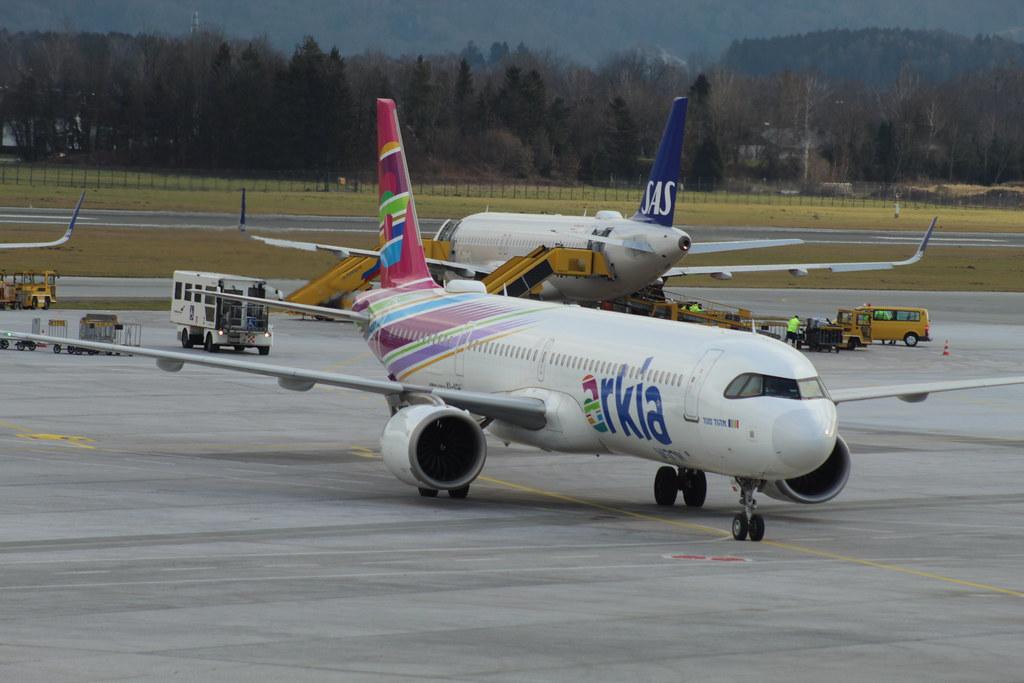
Ronen Elad is set to take an 82% stake in Israeli carrier Arkia, ending the Nakash Group's two-decade ownership after employees rejected an earlier consortium deal.
Polar Airlines Signs for Six Il-114-300 Turboprops to Replace Aging An-24 Fleet in Yakutia
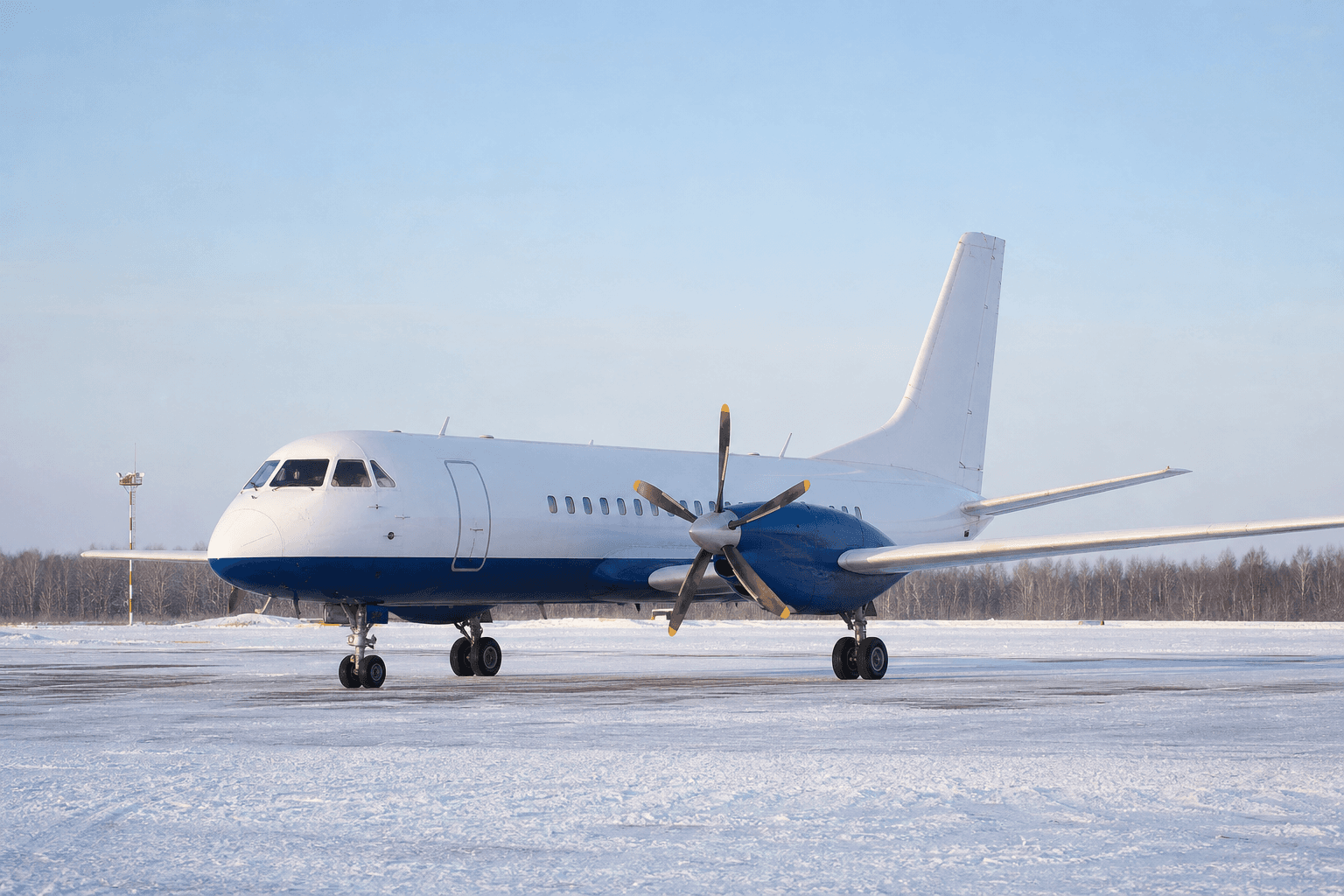
The Yakutia-owned carrier expects five Ilyushin Il-114-300s in 2029 and a sixth in 2030, doubling the three-aircraft deal it first pursued at MAKS-2019.
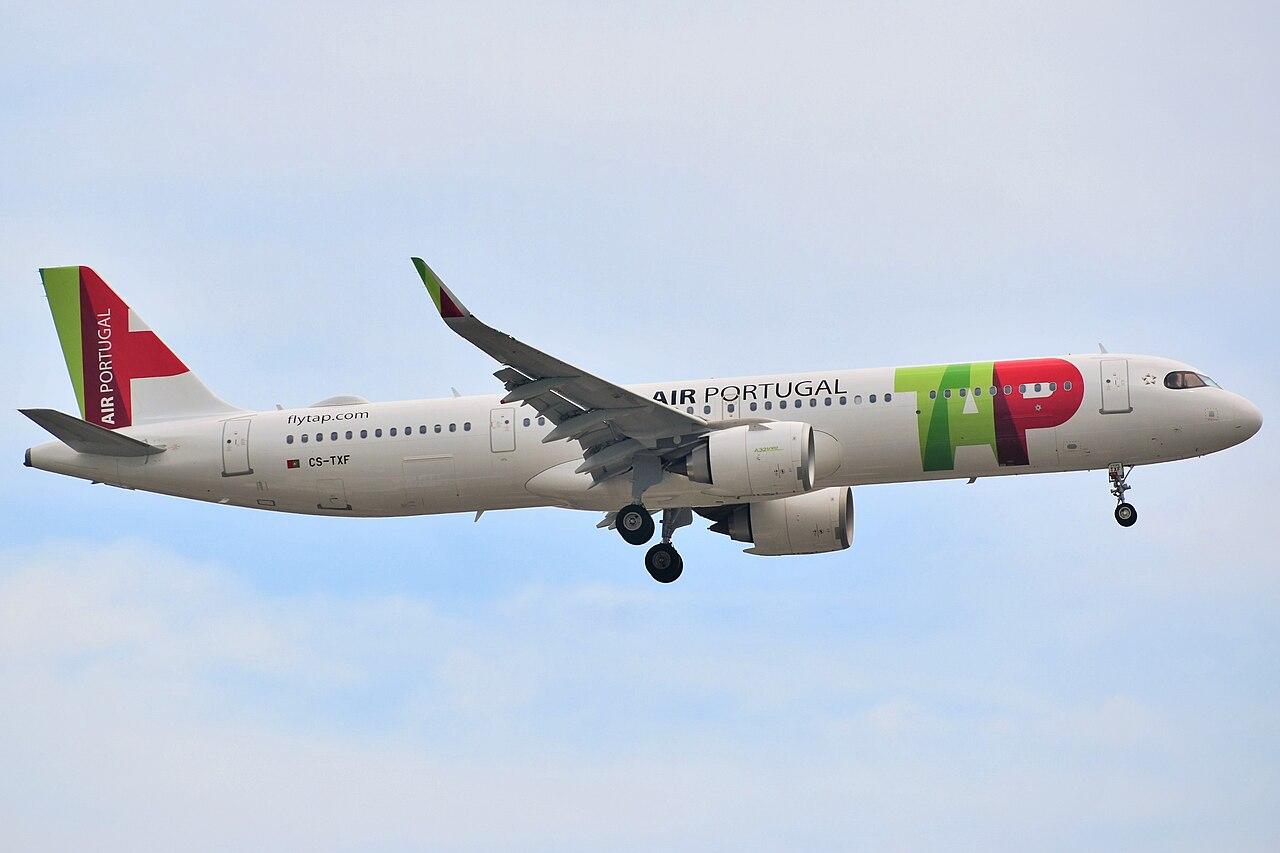
TAP Air Portugal Adds Year-Round Porto to Washington Dulles Flights From March 2027
TAP Air Portugal will fly Porto to Washington Dulles three times weekly on the Airbus A321LR from 30 March 2027, its third US route from northern Portugal.
The Daily Touch & Go
The day's best aviation news in your inbox. Free, no spam.