

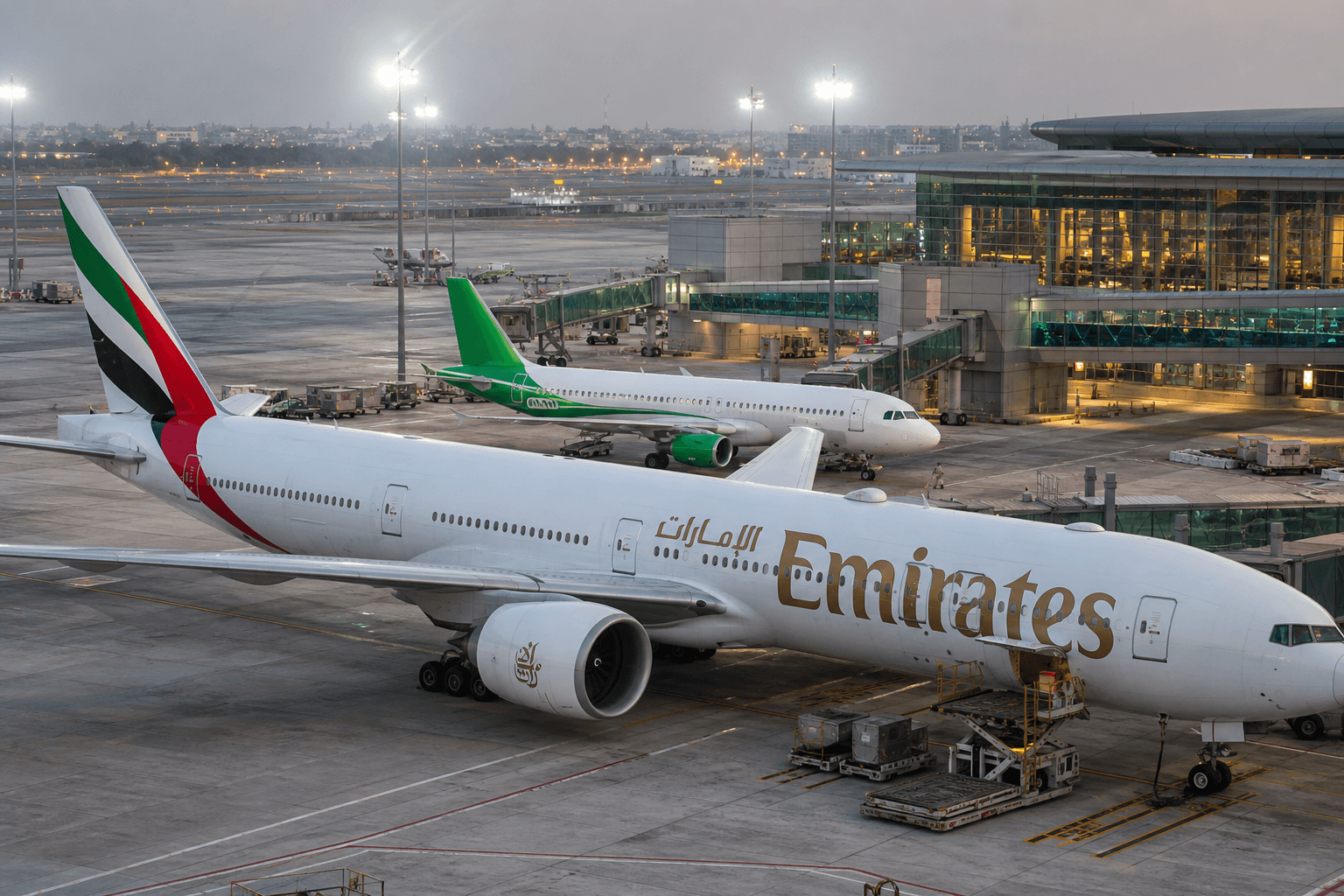
AI-generated illustration
Gulf Carriers Threaten Diplomatic Escalation as Mumbai Airport Pushes 14 Routes to Navi Mumbai
Eleven Gulf airlines have asked India's Civil Aviation Ministry for a third time to restore their historical Mumbai slots for Summer 2027, as MIAL plans a Terminal 1 rebuild.
The gist
Eleven Gulf airlines warn of diplomatic fallout after Adani's MIAL denied their Summer 2027 Mumbai slots and proposed moving 14 routes to Navi Mumbai.
Continuing coverage
All India →- Philippine Airlines Plans Nonstop Manila Flights to Delhi and Mumbai From December
- Indian Oil Cleared to Sell Sustainable Aviation Fuel From Panipat Refinery
- DGCA Serves SpiceJet Show-Cause Notice Over Cancellations, Grounded Fleet and Unpaid Penalty
- SpiceJet Passengers Stranded for Hours at Mumbai and Delhi as Board Weighs Fresh Fundraising
- Goyal Says Indian Airlines Could Order 1,000 More Jets as Fleet Needs Top 2,000
Eleven Gulf airlines have gone to India's Union Civil Aviation Ministry for the third time, asking it to step into a dispute with Mumbai International Airport Ltd (MIAL), the Adani-operated company that runs Chhatrapati Shivaji Maharaj International Airport. The carriers want their historical slots for the Summer 2027 schedule restored after MIAL refused them. They have also warned that the disagreement could move into diplomatic channels if the slots are not returned.
The fight stems from MIAL's plan to rebuild Mumbai's ageing Terminal 1, work expected to cut passenger-handling capacity from March 2027. To absorb the loss, MIAL has proposed temporarily shifting international flights serving 14 destinations to the new Navi Mumbai International Airport. The Gulf carriers say that plan, and the slot refusals tied to it, were decided without them.
The airlines are represented by the Airline Operators Committee (AOC). The committee argues that MIAL acted unilaterally in denying historical slots and did not properly account for existing aviation regulations or international slot-allocation guidelines. Historical slots are the take-off and landing timings an airline has operated in previous seasons, and under global slot practice they normally carry over to the next equivalent season.
The latest representation follows letters the airlines sent on November 2 and November 6. In it, they ask for the restoration of their slots and for clarity on whether the ministry has formally approved the relocation at all. They have also questioned MIAL's capacity assessment of Navi Mumbai, the state of its terminal infrastructure, and the process proposed for reallocating traffic between the two airports.
Cost is a central objection. The two airports sit roughly 40 km apart, and the foreign carriers say splitting operations between them would mean separate ground-handling contracts, separate crew deployment and duplicated operational resources. For airlines whose Mumbai flights feed connections through their Gulf hubs, a second Mumbai-area base would add expense without adding seats.
MIAL says the terminal cannot wait. It has cited structural audits from 2017 and 2024 that reportedly found corrosion, damaged concrete and cracks in parts of Terminal 1. The operator has proposed reducing the airport's annual capacity by five million passengers during the rebuild, and says about 91% of Mumbai airport's traffic would be unaffected.
The current plan is a scaled-back version of MIAL's first proposal. That earlier version called for a 33% cut in Terminal 2 capacity, which would have meant temporarily dropping 265 of the terminal's 770 weekly international flights. After airlines and the International Air Transport Association (IATA) objected, the Civil Aviation Ministry told the parties to work out a mutually acceptable transition plan. MIAL then argued that moving all flights for the 14 destinations to a single airport would limit passenger inconvenience and keep onward connections intact.
Maharashtra Chief Minister Devendra Fadnavis has offered another route. In a letter to Union Civil Aviation Minister Kinjarapu Rammohan Naidu, he proposed rebuilding Terminal 1 in phases rather than closing it all at once. Under his plan, a new Terminal 1B would be built first, operations from Terminal 1A would move into it, and Terminal 1A would then be demolished and rebuilt.
Fadnavis said the phased approach would keep the airport running with less disruption while the project goes ahead. MIAL has not adopted it and continues to describe the redevelopment as urgent. The rebuilt Terminal 1 is expected to reopen by December 2030.
Originally reported by Trak.in
Read more
All Airports →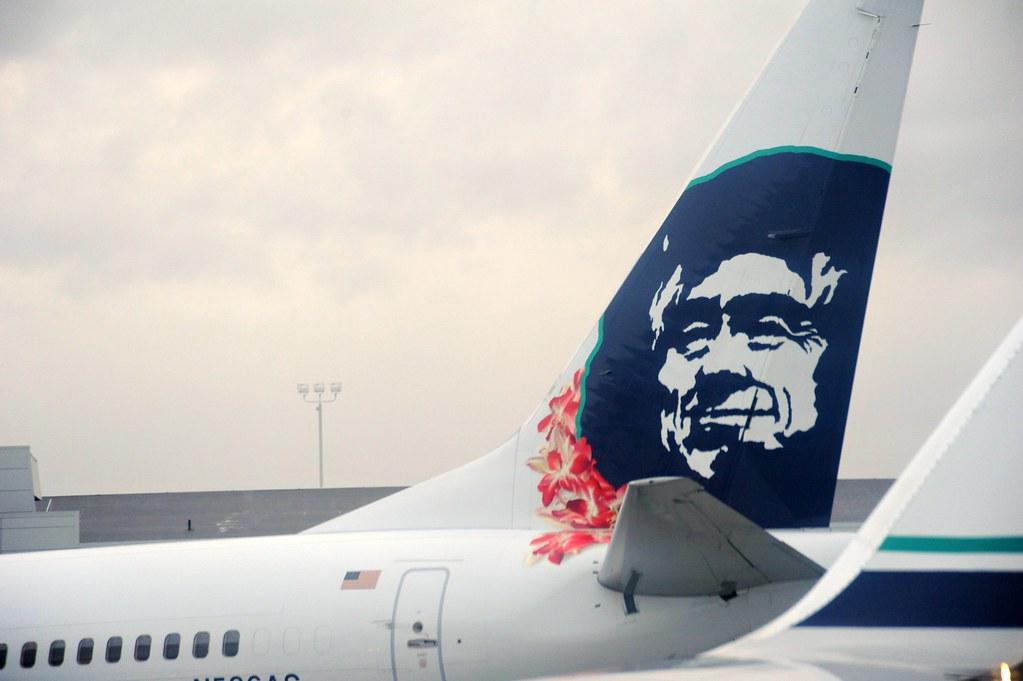
Masked ICE Agents Make Jet Bridge Arrests at SeaTac, Grounding Alaska Airlines Crew and Drawing Official Fury
An immigration operation on the jet bridge of an Alaska Airlines flight to Los Angeles left the crew unfit to fly and prompted condemnation from the Port of Seattle, Washington's governor and the flight attendants' union.
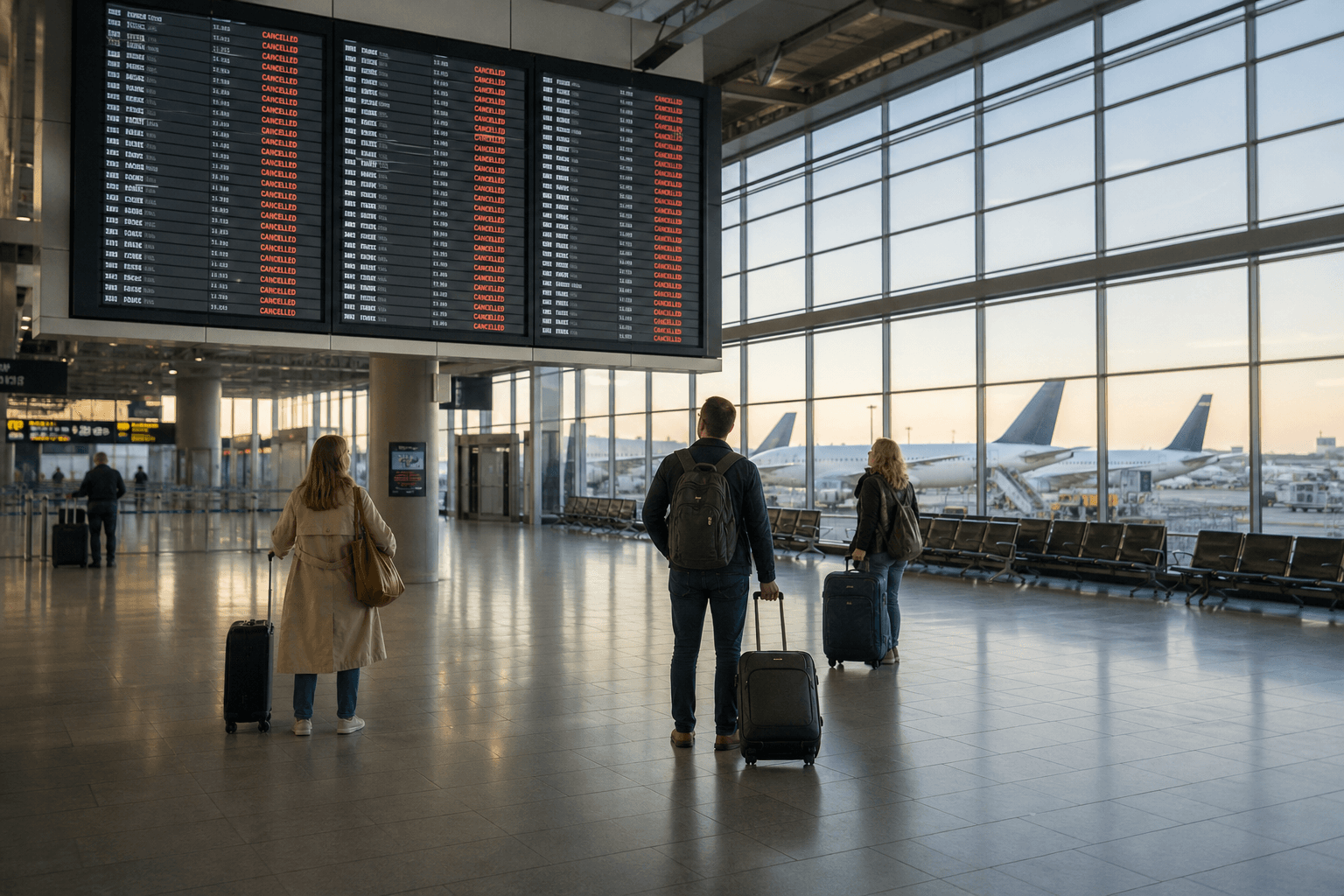
Brussels Airport Cancels All Passenger Flights on Monday as National Strike Hits Air Traffic Control
Belgium's main airport will halt every scheduled arriving and departing passenger flight on 23 November after skeyes warned it could not guarantee normal air traffic operations during a nationwide union protest.
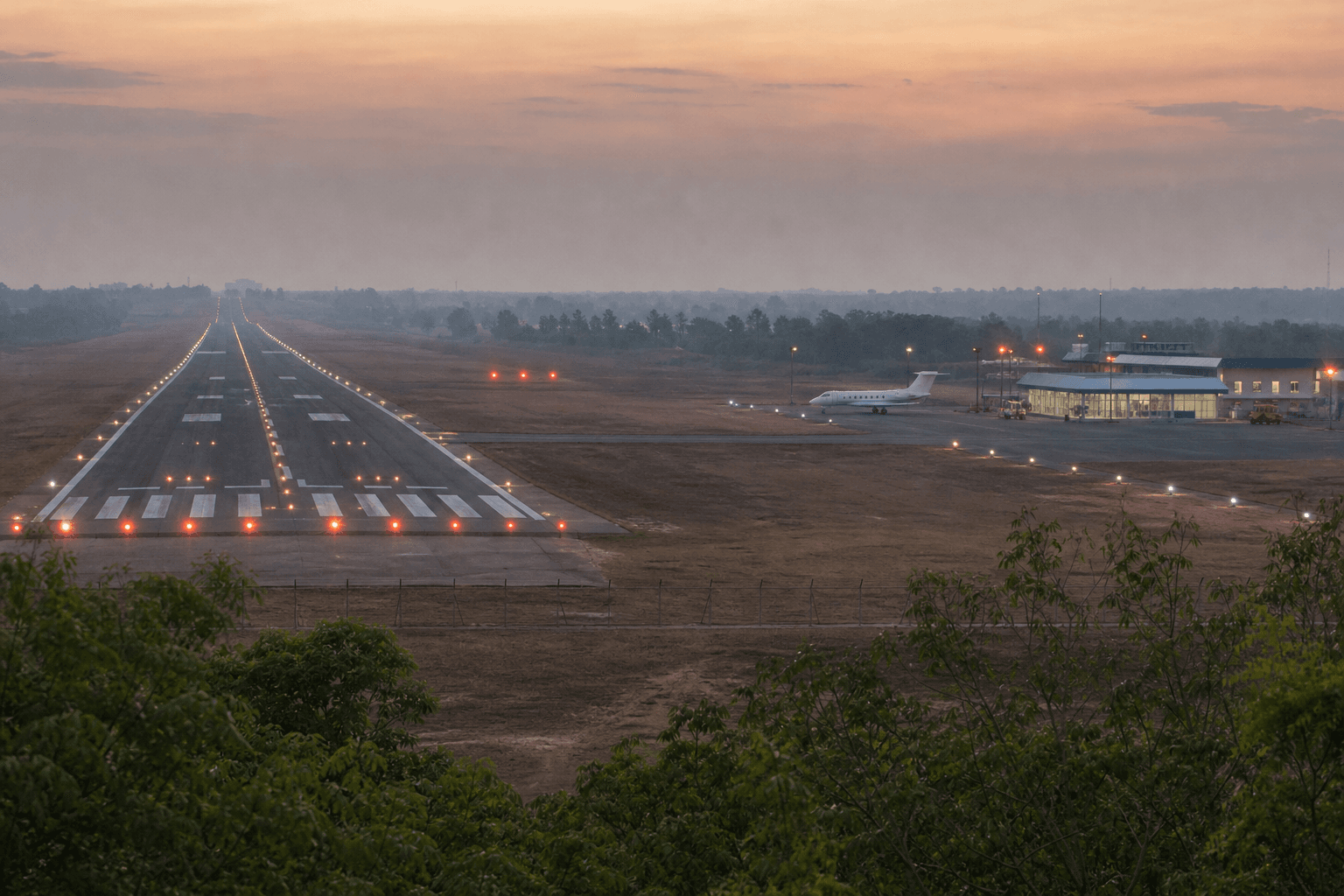
Maharashtra Approves Rs 64.53-Crore Upgrade of Baramati Airstrip After Fatal Ajit Pawar Learjet Crash
A state order clears runway, lighting and safety work so Baramati can handle non-scheduled flights under instrument rules, ten months after a Learjet 45 crash there killed Deputy Chief Minister Ajit Pawar and four others.
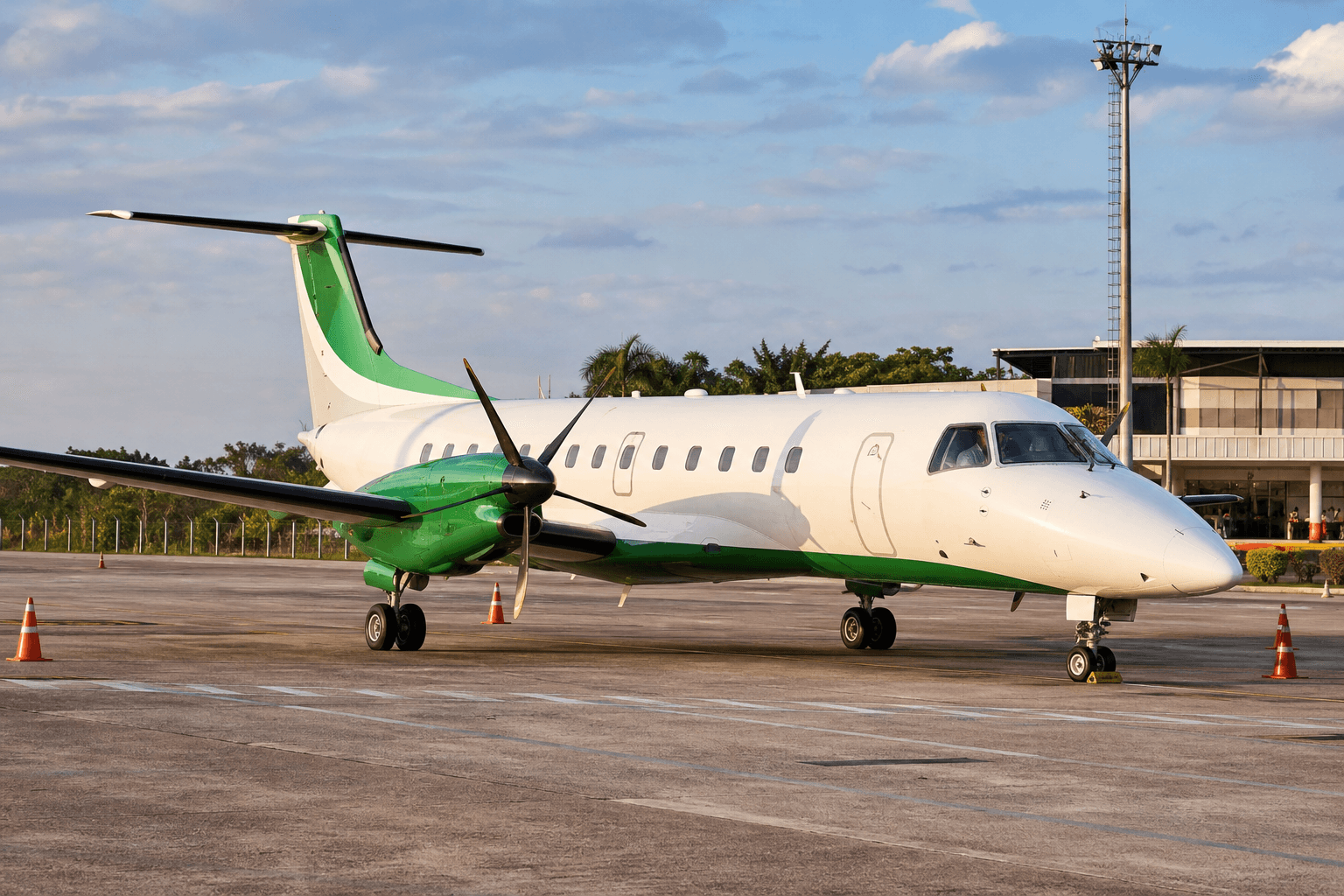
Brazil's AmpliAR Program Lines Up R$1.5 Billion in Private Money for 23 Regional Airports
The Ministry of Ports and Airports is folding regional terminals into existing concessions, with a second round of ten airports set for auction on December 17, 2026.
The Daily Touch & Go
The day's best aviation news in your inbox. Free, no spam.