

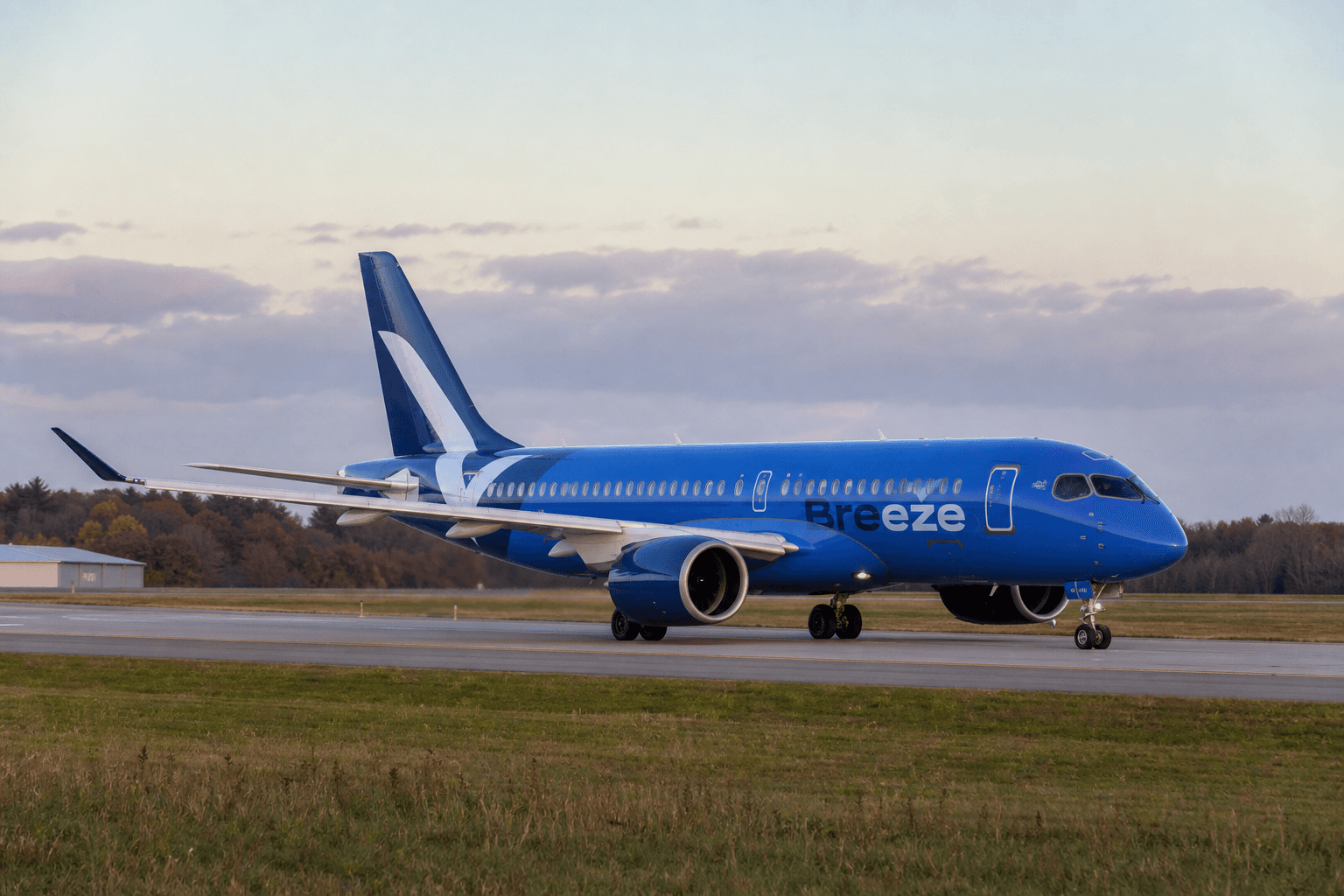
Illustration: The Touch & Go
Breeze Airways Targets Niche Markets with Continuous Route Expansion
Breeze Airways keeps expanding by launching routes overlooked by larger carriers, cementing its strategy of focusing on underserved markets.
The gist
Breeze Airways expands aggressively, targeting small niche routes ignored by major airlines.
Breeze Airways announced several new routes this week, continuing its trend of aggressively expanding its network by targeting underserved markets. The airline remains committed to finding and serving small city pairs that larger competitors often overlook, seeking out what it calls 'the smallest of sweet spots' in the US domestic market. This strategy aims to connect cities without direct air service or those with limited options, providing convenience and competition for travelers.
The recent route additions underline Breeze’s focus on non-traditional markets that major airlines deem too small or unprofitable. Breeze's fleet of efficient, smaller aircraft such as the Airbus A220 or Embraer E-Jets enables it to economically operate these routes where bigger jets would be less viable. By leveraging data-driven route planning, Breeze identifies these niche markets to establish early presence and stimulate demand.
Breeze's nimble growth approach contrasts with legacy carriers' strategies that focus on larger hubs and major city pairs. While its low-cost model and fleet efficiency help it thrive on thin routes, the airline must also manage operational complexities that come with serving many disparate markets. Nonetheless, Breeze capitalizes on unique route connections that make it a valuable option for travelers looking for direct flights between smaller cities.
This continued expansion illustrates the airline's confidence in its business model and market research. As major carriers consolidate hubs, Breeze is filling an important void by connecting secondary airports and reducing the need for out-of-the-way connections. Industry watchers will be interested to see how these niche markets mature and whether Breeze can sustain profitability while continuing to grow.
The evolving network of Breeze Airways demonstrates a strategic attempt to disrupt typical air travel patterns by creating novel route options. Its focus on underserved markets aligns with a broader trend of regional connectivity and points toward a future where smaller cities see increased air service options. The airline’s success will depend on maintaining cost discipline and responding flexibly to market demands.
Read more
All Airlines →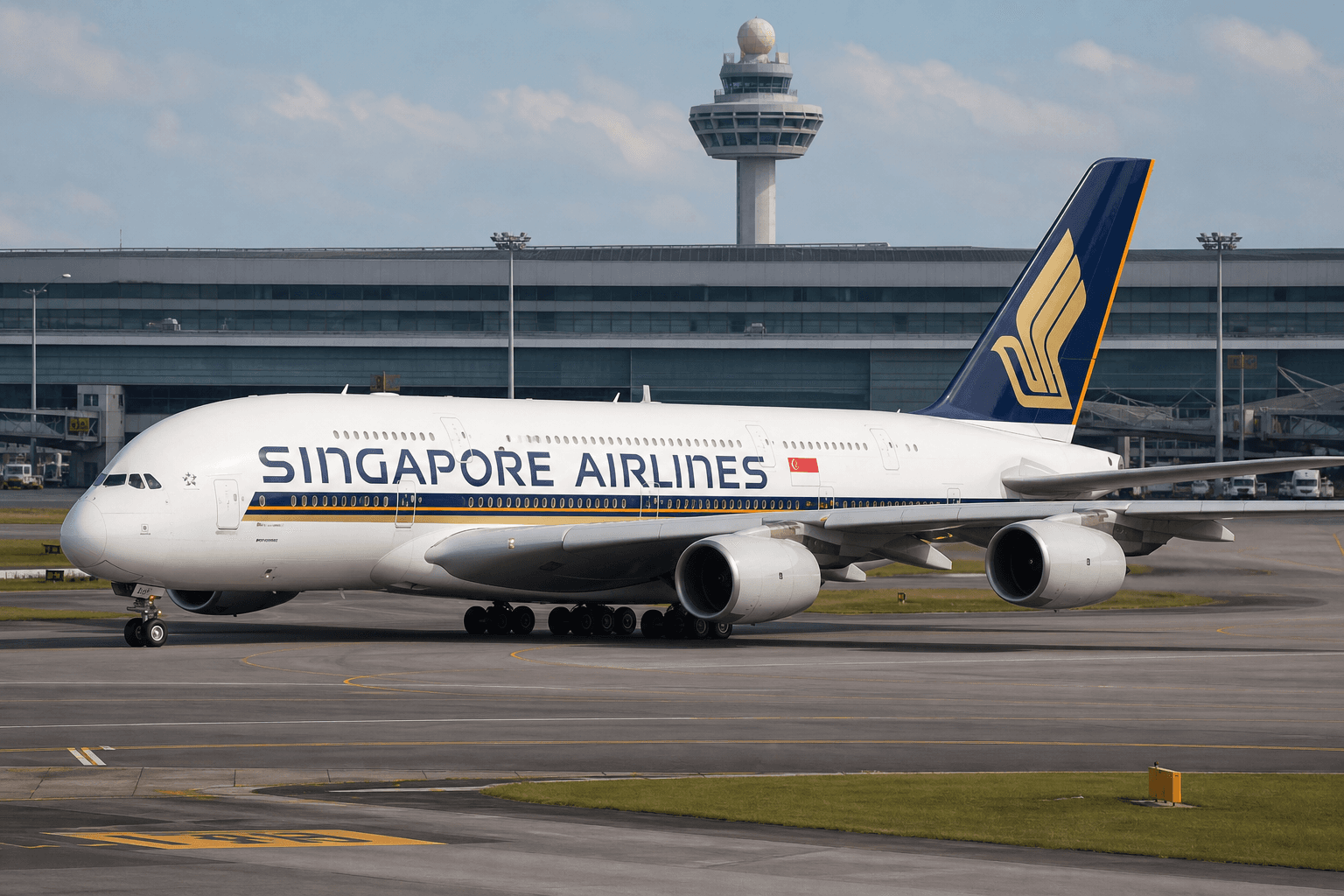
Singapore Airlines Confirms Airbus A380 Routes for 2026 Season
Few airlines are as closely associated with the Airbus A380 as Singapore Airlines. The carrier…
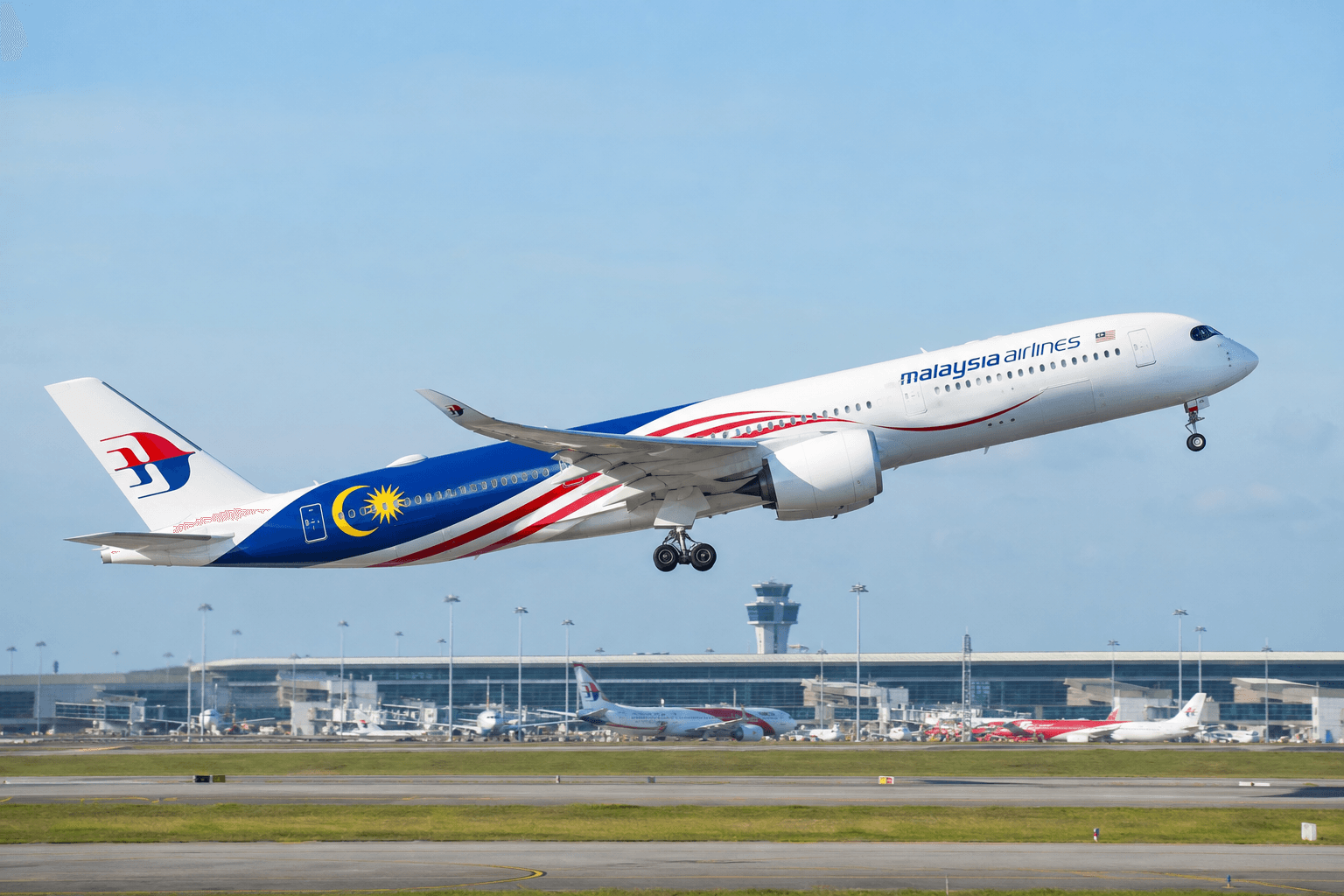
Malaysia Airlines' fleet evolution from vintage jets to modern Airbus widebodies
Today, Malaysia Airlines is known for its modern fleet of Airbus A330neos, Airbus A350s and…
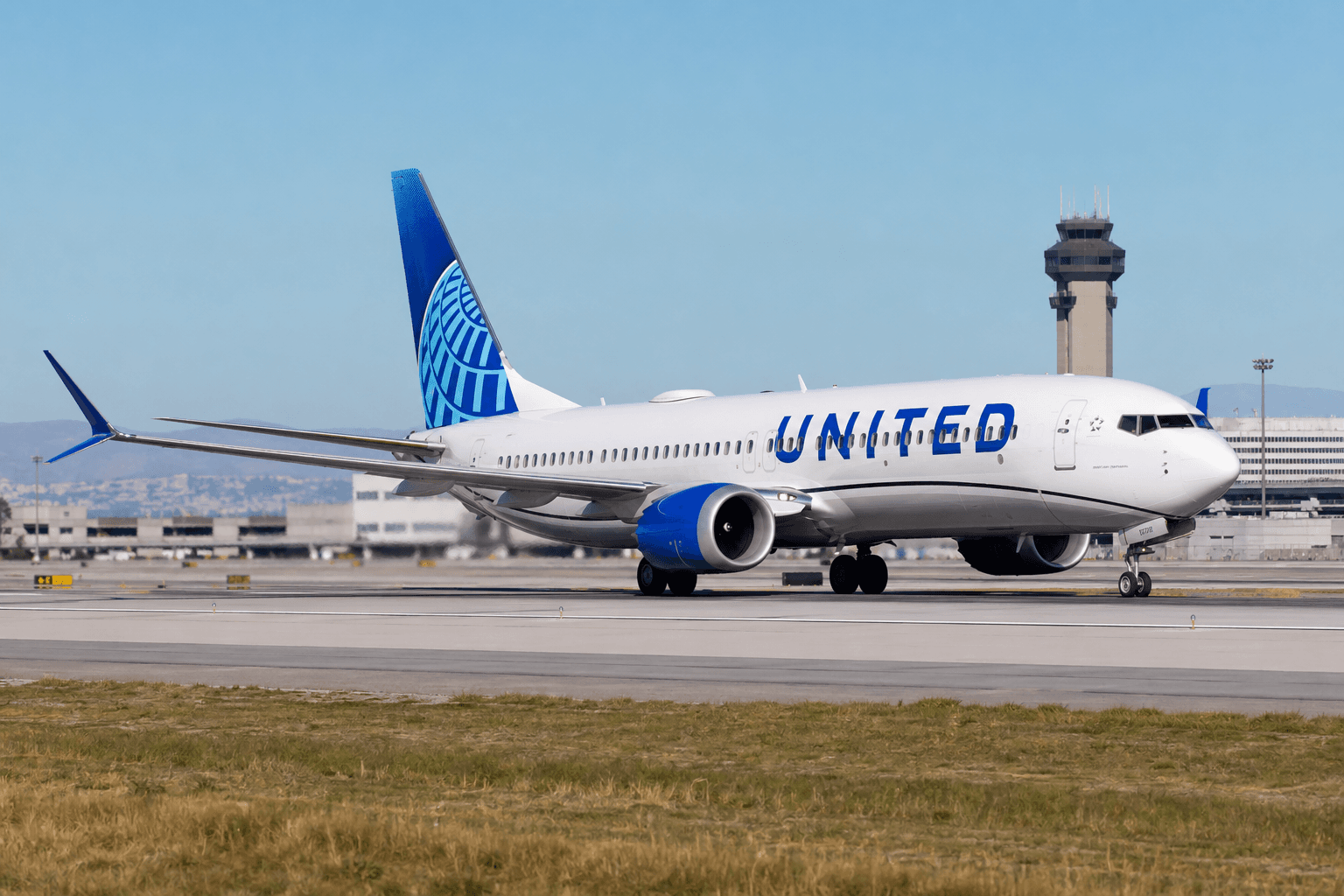
United Airlines Launches Two New Six-Hour 737 MAX Routes Connecting New England
The introduction of these flights will provide a new way to travel to the region of New England.
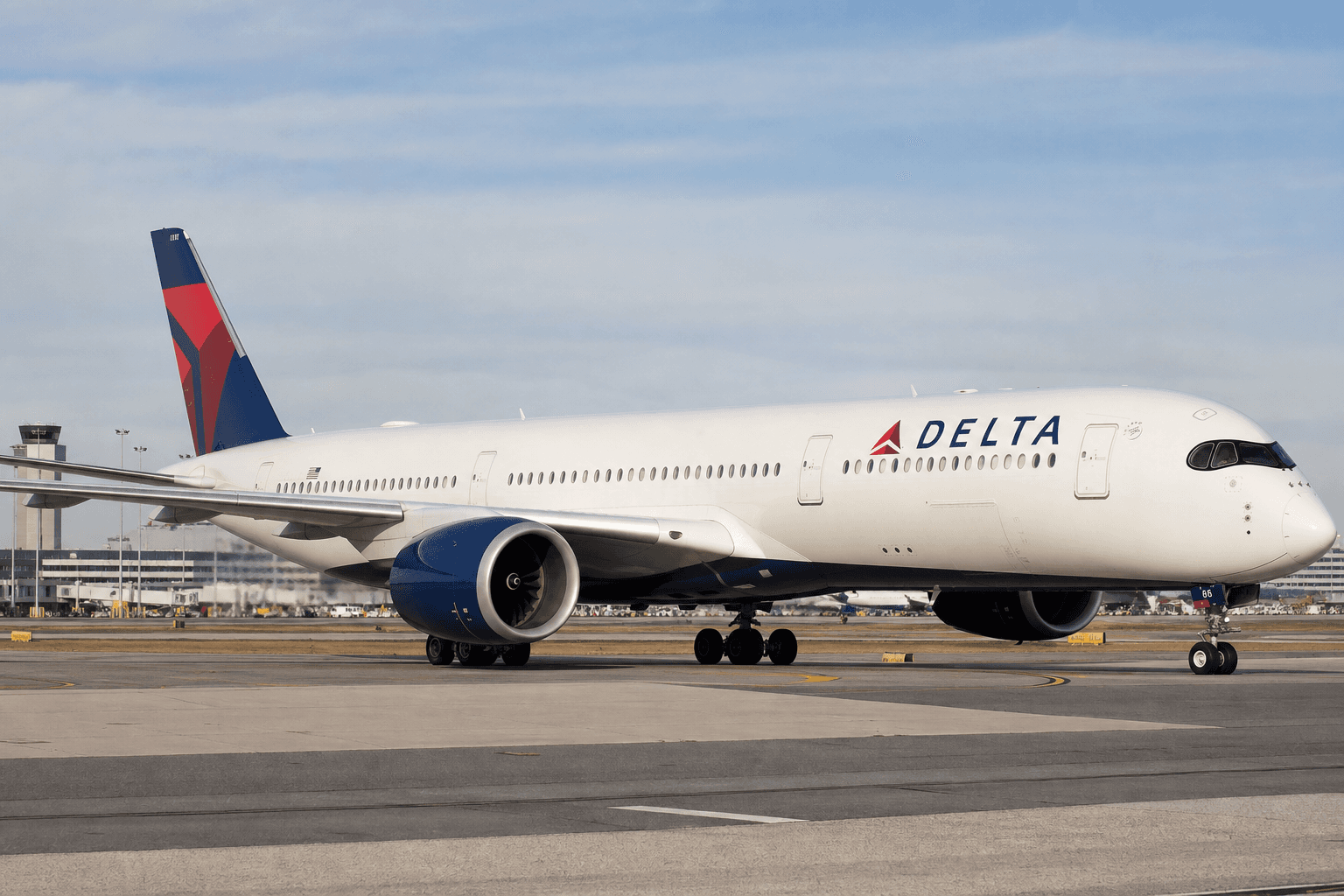
Delta Unveils Largest Domestic Fleet Featuring Lie-Flat Seats for 2026
Delta's June schedule marks the largest domestic deployment of lie-flat seats in the airline's history.
The Daily Touch & Go
The day's best aviation news in your inbox. Free, no spam.